REVIEW · KATHMANDU
Short Everest Base Camp Trek 10 Days
Book on Viator →Operated by Eco Holidays Nepal · Bookable on Viator
Lukla to Everest Base Camp in 10 days. Both-way flights to Lukla and meals plus tea house accommodation make this feel like a well-run shortcut to the classic Khumbu story. You’re not just walking for views; you’re also getting time around Namche Bazaar and learning day-to-day Sherpa life along the way. The big-picture promise is simple: reach Everest Base Camp fast, without doing all the trip-planning homework yourself.
My favorite part is that the trek is set up so you can focus on breathing, walking, and soaking in the mountains. One consideration: this is still a real mountain trek, and the experience requires good weather and moderate physical fitness, plus Lukla schedules can be touchy.
In This Review
- Key things that make this trek worth your time
- Why This 10-Day Everest Base Camp Trek Feels Like a Fast Pass
- Kathmandu to the Airport: Pickup, Comfort, and a Clean Start
- The Lukla Flight: The Moment You Remember for Years
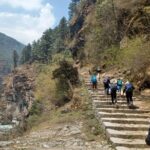
- Walking the Dudh Koshi Valley: Simple Rhythm, Real Scenery
- Namche Bazaar: Sherpa Life and a Real Sense of Place
- Tyangboche Monastery: Culture Meets High-Ice Country
- Khumbu Glacier and the Icefall Area: Where the Scale Hits
- Reaching Everest Base Camp: The Moment Your Trek Was For
- Value Check: What Costs $1,690 Really Buys
- Gear, Tea Houses, and the Realities You’ll Appreciate
- Guides and Service: What the Best Experiences Share
- Should You Book This Short Everest Base Camp Trek?
- FAQ
- Where does the trek start in Kathmandu?
- How long is the Everest Base Camp trek?
- Is this a private tour or a shared group?
- What flights are included?
- What type of accommodation is provided during the trek?
- What meals are included?
- What trekking gear comes with the trip?
- What’s not included in the price?
- What should I expect if weather is poor?
Key things that make this trek worth your time
- Flights to Lukla included round-trip: fewer moving parts once you’re in Nepal
- Tea house stays with meals built in: less daily decision-making on the trail
- Sherpa culture time in Namche Bazaar: not just a hike-through, you get context
- Tyangboche monastery and Khumbu glacier area: culture plus big ice scenery
- Gear supply is part of the deal: sleeping bag, down jacket, and a duffel bag come with the trip
- Private group format: you’re not sharing logistics with strangers
Why This 10-Day Everest Base Camp Trek Feels Like a Fast Pass
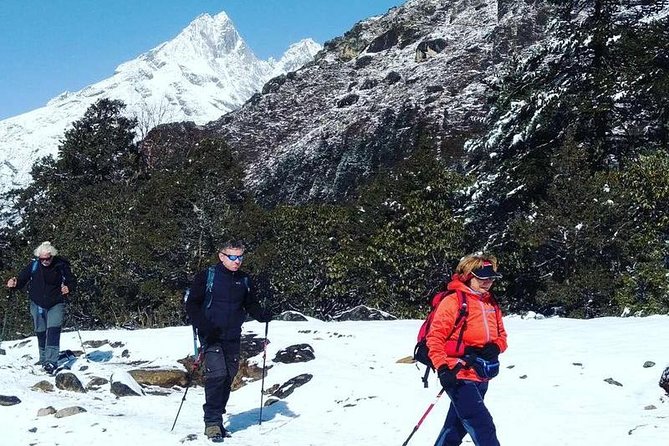
A Short Everest Base Camp Trek lives or dies by logistics. This one is built around the idea that you can reach the Everest region quickly from Kathmandu using the classic route: fly to Lukla, then work your way toward Base Camp over about 10 days.
The appeal for you is clarity. You’re getting the right ingredients for the Everest experience in a tight timeframe: the scale of Mount Everest and neighboring peaks, the drama of the Khumbu glacier/icefall area, and the cultural anchor of Tyangboche monastery. Even the river valley walk along the Dudh Koshi gives your trek a sense of place rather than just altitude-chasing.
If you’re short on vacation days (or you simply like your adventures with fewer plan-ahead headaches), this format can be a smart fit. One more thing: being a private tour/activity means your guide can pace to your group, answer questions, and adjust as conditions change.
You can also read our reviews of more tours and experiences in Kathmandu.
Kathmandu to the Airport: Pickup, Comfort, and a Clean Start
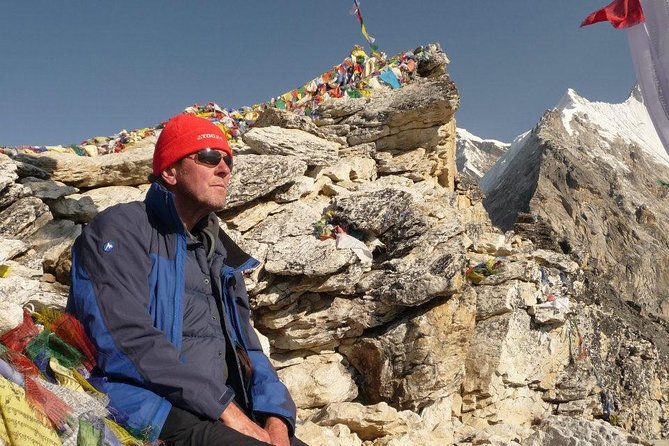
Your trip starts at Tribhuvan Airport in Kathmandu. That matters because a lot can go sideways when you’re juggling transport at the last minute.
Here, you get pickup offered and an air-conditioned vehicle. That’s not just “nice.” It’s practical in a city where getting in the right headspace matters. After a long travel day, you’ll feel better when the transfer is handled and you can focus on your first big step: the Lukla flight.
You also get a mobile ticket, which helps keep things simple and minimizes paper chaos. On top of that, the operator provides a route map, so you’re not guessing where you are in the bigger Khumbu plan.
One note for your planning: a hotel in Kathmandu isn’t included. If you want to arrive a day early (often wise with altitude and weather in mind), you’ll need to budget for that.
The Lukla Flight: The Moment You Remember for Years
The most exciting part, and the one people talk about for a reason, is the flight to Lukla. It’s often your first real taste of why this area is special: you go from city energy to mountain reality fast.
In this trek, the flight is built into the package: Kathmandu–Lukla–Kathmandu round-trip is included. That removes the biggest hassle for many travelers—finding the right flights, matching them to trek dates, and worrying about whether you’ll be scrambling at the airport.
From a value standpoint, including flights to Lukla is huge. Those tickets can be a budget-shifter if purchased separately. Here, you’re paying for one connected plan instead of a bunch of separate purchases.
Still, a key consideration: this experience requires good weather. If conditions don’t cooperate, plans may adjust. The good part is that the trip is offered with the expectation of weather-based changes, and you won’t be left holding the bag with no options.
Walking the Dudh Koshi Valley: Simple Rhythm, Real Scenery
Once you’re on the trekking side, your days revolve around walking through the Dudh Koshi river valley. This is where the trek starts to feel like a living route, not an athletic challenge. The valley walking is a satisfying middle ground—challenging enough to feel like you earned it, calm enough to let you notice details.
A Short Everest Base Camp trek tends to be packed. You’re going toward famous places, but you still get the “in-between” that makes the big moment meaningful. The valley setting helps you stay grounded: you’re moving forward with a clear natural reference point.
And because this trip includes breakfast, lunch, and dinner, you don’t have to make the menu scramble decision all day. Your daily question becomes less about where to eat and more about how your body is handling altitude and effort.
If you like your hikes with structure—good food, predictable lodging, and a guide managing the rhythm—this setup fits.
Namche Bazaar: Sherpa Life and a Real Sense of Place
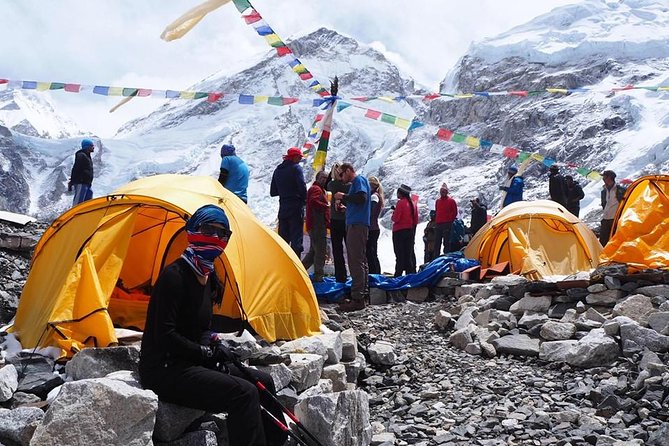
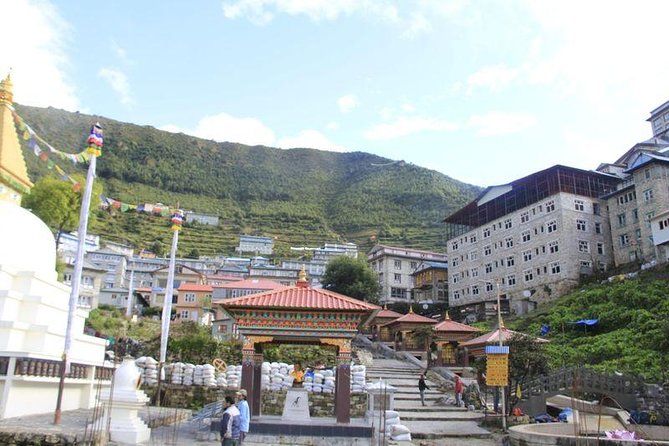
Namche Bazaar is described as the Sherpa Capital, and that label isn’t marketing fluff. It’s a key stop because it’s where you see how Sherpa life ties into the trekking world.
You’re getting time at Namche Bazaar, and that’s important for you even if you don’t plan to shop for souvenirs every minute. This is where the trek starts to feel social: you understand how guides, porters, and locals fit into the bigger mountain economy and how the culture adapts to constant visitor flow.
You also get a chance to “learn the lifestyle of native Sherpa people.” You might find this comes through in conversations, daily routines, and the practical way people talk about altitude, routes, and weather. That kind of context is part of why Everest doesn’t feel like a theme park.
Also, Namche is a useful psychological checkpoint. After days of movement, it gives you a moment to regroup, rest your legs, and take in the wider mountain view with more confidence.
Tyangboche Monastery: Culture Meets High-Ice Country
One of the most memorable stops is Tyangboche monastery, described as the old monastery. This isn’t just a photo stop. It’s a cultural landmark that helps you connect the trekking route to local spiritual life.
The timing and mood at monastery stops tend to be different from a pure viewpoint. The air can feel quieter. You slow down. You pay attention to how people behave in a place that matters to the community.
In a trek that includes major glacier and icefall scenery, Tyangboche provides balance. You’re not only staring at hard rock and ice. You’re also seeing how faith and daily life sit side-by-side with one of the world’s toughest trekking regions.
If you’re traveling for more than checklist landmarks, this is one of the most valuable parts. It helps you come away understanding the place, not only measuring it.
Khumbu Glacier and the Icefall Area: Where the Scale Hits
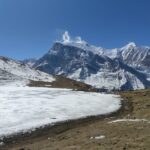
As you near Everest Base Camp, the trek brings in the big ice drama: the Khumbu glacier and the Khumbu icefall. Seeing this region up close changes how you think about “mountains.” It stops being scenery and starts being a living system—ice, rock, slope angles, and constant motion.
This matters for you because it changes the kind of photos you take. The best moments are often the ones you don’t fully capture on camera: the way wind moves, the way distance compresses, and how quickly your brain recalculates scale.
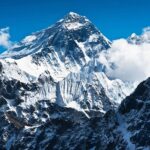
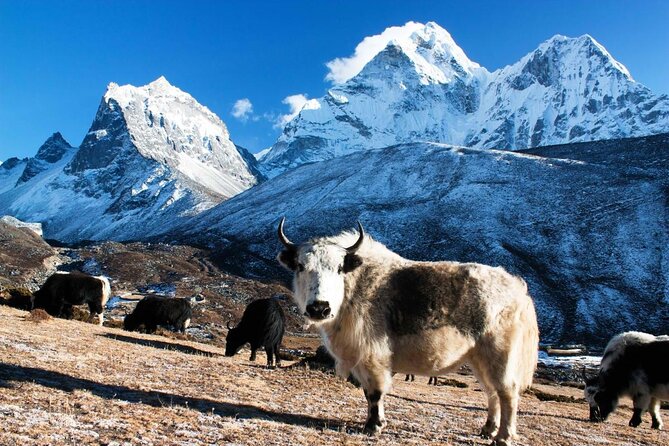
This trek is built around reaching Everest Base Camp, and the included description highlights the presence of nearby peaks over 8000 meters. You don’t have to be a technical mountaineer to feel what that means. When those giants sit above you in the same line of sight, your whole trekking mindset shifts.
One practical note: icefall areas can be sensitive to conditions and access. Even if you’re eager to see everything, your guide’s safety decisions will matter more than perfect sightseeing.
Reaching Everest Base Camp: The Moment Your Trek Was For
Everest Base Camp is the big finish. This experience is designed so you can reach it as the highlight, at the foot of Mount Everest.
What makes this “short” trek still feel complete is how the operator structures your route around the right landmarks: Namche Bazaar for Sherpa context, Tyangboche monastery for cultural gravity, then glacier/icefall terrain leading into Base Camp.
For you, the value is emotional. After days of effort, Base Camp isn’t just a location—it’s the payoff. It’s where all the walking, the food routine, the pacing, and the acclimatization feel worth it.
And because tea house accommodation and meals are included, you can focus on resting and recovery instead of worrying about your lodging plan at each stop.
Value Check: What Costs $1,690 Really Buys
The price is $1,690 per person, and here’s the reality check: you’re paying for a connected package, not just a guided walk.
Included items add up quickly:
- Breakfast, lunch, and dinner
- Tea house accommodation during the trek
- All fees and taxes
- Air-conditioned vehicle
- Round-trip flights Kathmandu–Lukla–Kathmandu
- Route map
- Trek gear: sleeping bag, down jacket, and duffel bag, returned after the trek
That gear piece is easy to underestimate. If you don’t already own expedition-style cold-weather essentials, it can save serious money and time. If you do own similar gear, you still benefit because you’re not carrying everything from home.
What’s not included (plan for it):
- Coffee and/or tea
- Bottled water
- Alcoholic beverages, and soda/pop
- Personal expenses
- Travel insurance
- Hotel in Kathmandu
- Porter if needed
Porters are worth discussing upfront. The trek notes that a porter isn’t included if you need one, which means you should decide early whether you want extra help.
On value, the deal makes sense most for you if you want a guided, structured plan with flights and food taken care of. If you already have trekking gear and you’re comfortable running your own logistics, you might compare options. But if you want “less stress, more trail,” the package is priced to match that.
Gear, Tea Houses, and the Realities You’ll Appreciate
This trek includes sleeping bag, a down jacket, and a duffel bag that you get back after the trek. That’s a big assist for cold-weather layering and comfort.
You’ll still need to bring your own basics. The operator doesn’t list additional items, so you’ll want to plan using standard cold-weather trekking thinking: layers, rain protection, and sturdy boots. The down jacket being included helps, but you’ll still want your own system for fit and comfort.
Tea houses are part of the plan. That means simple lodging where you’ll recharge between walking days. It’s not luxury, but it’s practical, and since meals are included, you won’t be stuck hunting food every time you arrive tired.
Also, note the detail that coffee/tea and bottled water are not included. That affects your daily budgeting. You can still enjoy drinks, just expect it to cost extra if you drink regularly.
Guides and Service: What the Best Experiences Share
Eco Holidays Nepal runs the trip, and the best feedback on the ground is consistent: guides who are attentive and keep things running smoothly.
In the accounts you provided, guide names come up like Pradeep and Dhruba Dharel, along with BK and Susil. What matters most for you isn’t the title; it’s the approach: helping you feel safe, handling details, and paying attention to pacing.
A recurring theme is that the service feels built around not wasting your energy on problems. When you’re trekking in a remote region, that’s gold. A calm, organized guide means fewer surprises and faster recovery when you hit rough weather or tough legs.
Private group service also matters. Your questions don’t get lost in a crowd. Your pace doesn’t get forced to match someone else’s idea of a “quick day.”
Should You Book This Short Everest Base Camp Trek?
Book it if:
- You want the classic Everest Base Camp goal with Lukla flights included
- You prefer a plan where meals and tea house accommodation are handled
- You’d rather spend energy on the trail than on logistics
- You like a trek that includes Namche Bazaar and Tyangboche monastery, not just big scenery
Skip or compare if:
- You want a fully customizable itinerary with no structure (this is guided and set up as a package)
- You expect hotels in Kathmandu to be covered (they aren’t included)
- You don’t want weather risk to affect your dates (the experience requires good weather)
If you’re coming with moderate physical fitness, the package is set up to make the Everest region feel reachable in a short window.
FAQ
Where does the trek start in Kathmandu?
The start is at Tribhuvan Airport in Kathmandu, Nepal.
How long is the Everest Base Camp trek?
The duration is 10 days (approx.).
Is this a private tour or a shared group?
This is a private tour/activity, so only your group participates.
What flights are included?
Both-way flight tickets from Kathmandu to Lukla and back to Kathmandu are included.
What type of accommodation is provided during the trek?
Tea house accommodation is included during the trek.
What meals are included?
Breakfast, lunch, and dinner are included.
What trekking gear comes with the trip?
You receive necessary equipment including a sleeping bag, down jacket, and duffel bag, and it is returned after the trek is complete.
What’s not included in the price?
Coffee and/or tea, bottled water, alcoholic beverages, soda/pop, personal expenses, travel insurance, a hotel in Kathmandu, and a porter (if needed) are not included.
What should I expect if weather is poor?
The experience requires good weather. If it’s canceled due to poor weather, you’ll be offered a different date or a full refund.