REVIEW · KAMPALA
3-Day Gorilla Trekking safari in Bwindi Impenetrable Forest
Book on Viator →Operated by Pamoja Tours and Travel · Bookable on Viator
Gorillas in Bwindi change your whole idea of wild. This private 3-day safari blends the big gorilla encounter with scenic road days through Kigezi Highlands (the Switzerland of Uganda), banana plantations, and the stop-at-the-Equator feeling. I love that the trek itself is guided by a ranger, with a structured briefing before you enter the forest. I also love that meals and accommodation are handled, so the long drive days don’t turn into planning headaches. One possible drawback: you’ll start early and spend serious time on the road, so pack for comfort and don’t schedule anything tight the first and last days.
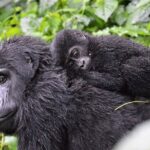
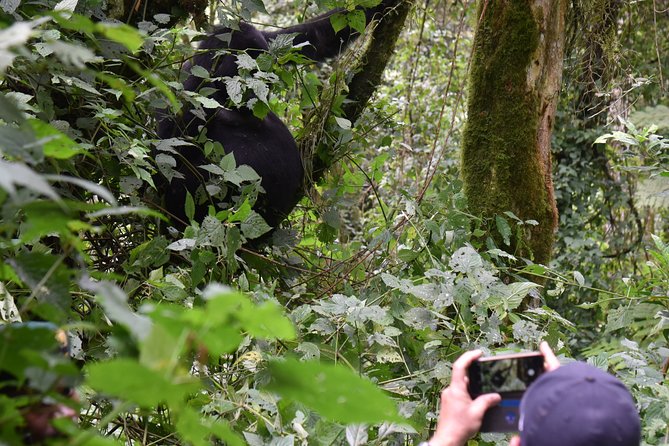
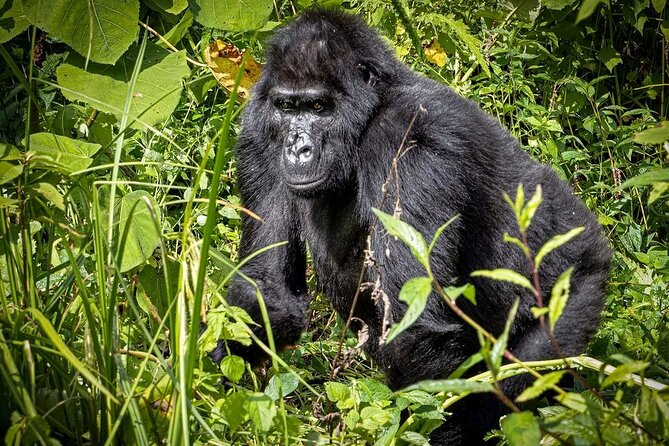
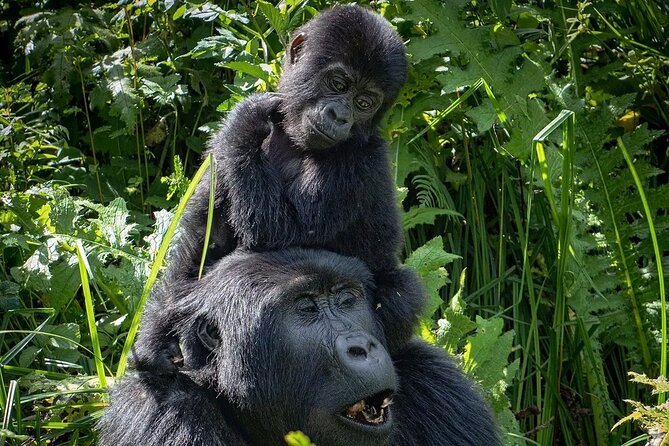
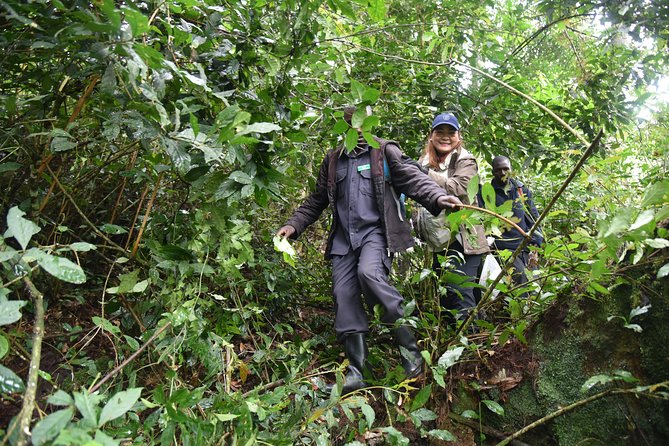
Your gorilla hour isn’t just a photo stop. You’ll go in after an early breakfast, get a ranger guide briefing, and then follow trails as the forest shifts and the gorilla groups move. Expect steep, dense rainforest terrain where timing can vary, even though the visit with the gorilla group is limited to one hour once you find them.
What balances the physical side is the rhythm of the trip. After gorilla tracking, you get downtime with a transfer toward Lake Bunyonyi, plus an optional swim if you like. The trade-off is that this is a “go see Uganda” itinerary, not a slow-and-lazy vacation from start to finish—so it’s best if you’re okay with active days and a bit of travel time.
In This Review
- Key highlights to know before you go
- Gorilla tracking at Bwindi: what the hour in the forest really means
- Road-day sights: Equator photos, Mbarara lunch, and Kigezi Highlands
- Batwa cultural experience and the rhythm of day one
- Lake Bunyonyi slowdown: views, optional swim, and rest
- Comfort, vehicles, and guides (from Sperito to Tyson)
- Price and value for a private 3-day safari
- So, should you book this Bwindi gorilla trek?
- FAQ
- What time does the tour start?
- Is this a private tour?
- Where do they pick you up?
- How long is the safari?
- What meals are included?
- Are gorilla-related admission tickets included?
- What happens on day one after you arrive at Bwindi?
- Do you spend time at Lake Bunyonyi during the trip?
- What is not included in the price?
- What is the cancellation policy?
Key highlights to know before you go
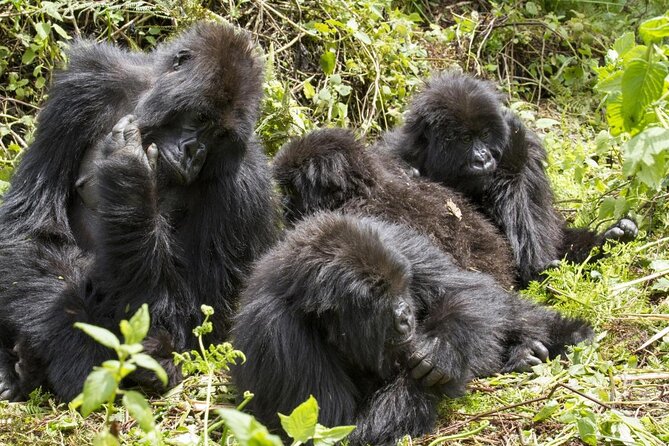
- One hour with a gorilla group after a ranger guide briefing, in dense Bwindi rainforest where trails and timing vary
- Round-trip transfers from Entebbe with comfort-focused road travel and set meal stops
- Batwa cultural experience on day one, right after you settle in near the park area
- Kigezi Highlands scenery on the route (the Switzerland of Uganda) plus banana plantations and savannah grasslands
- Lake Bunyonyi break with terraced-hills views and an optional swim on the return morning
- Guides with strong support—I saw repeated praise for people like Sperito, Tyson, and Amos in the way they keep things smooth and safe
Gorilla tracking at Bwindi: what the hour in the forest really means
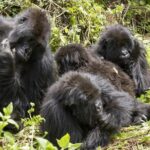
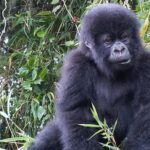
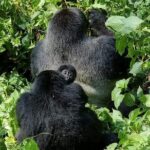
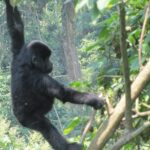
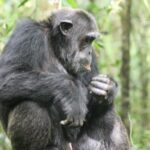
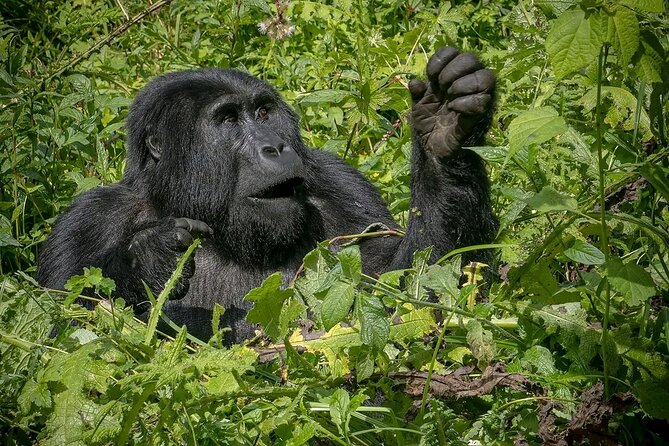
Bwindi Impenetrable National Park is a gorilla place in the most literal sense: dense forest, steep terrain, and lots of animal trails that help you get to where the gorilla groups are moving. The trip is built around one core goal, and it’s handled in a practical way. You’ll have an early breakfast, then a ranger guide does a briefing before you enter the Gorilla Sanctuary area.
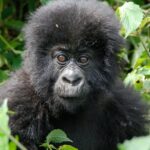
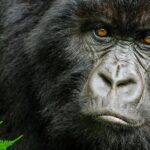
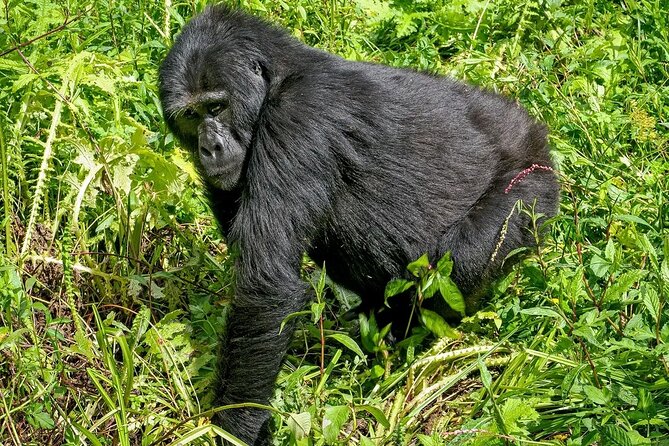
Once you locate a gorilla group, you get one hour with them. That time limit matters. It keeps the encounter respectful and structured, but it also means you should go in mentally ready to focus, stay quiet, and accept that your exact path and timing can’t be forced. If you tend to be anxious in unpredictable situations, this is still workable because your ranger guide is the one steering the day.
A key point for your planning: the trek difficulty can vary based on where the gorillas are that day and how fast they move. Bwindi’s terrain is described as spectacular and steeply forested, and it’s dense enough that you feel wrapped in green. It’s not “just a walk,” but it’s also not a random scramble. Most people can participate, and your guide’s job is to get you there while keeping you safe and within the rules.
You can also read our reviews of more tours and experiences in Kampala.
Road-day sights: Equator photos, Mbarara lunch, and Kigezi Highlands
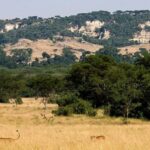
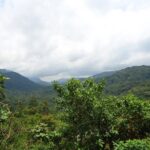
If gorillas are the headline, the drives are the movie trailer. Day one starts with pickup in the early morning and a long southwest road run toward Bwindi. You’ll cross the Equator, then head through Mbarara for lunch. Along the way, you pass savannah grasslands and enter the Kigezi Highlands region, often called the Switzerland of Uganda for its rolling hills and views.
There’s also a very Uganda texture to the route: banana plantations show up along the drive, and the scenery shifts enough that you stay awake without trying too hard. One reason this matters: it turns a “transfer day” into part of the experience. You’re not only getting to Bwindi—you’re seeing how rural Uganda looks and works between towns.
On the way back (day three), you’ll again pass through Mbarara, stop for lunch en route, and have the chance to visit the Uganda Equator line mark in Kayabwe for photos. The option to buy small art pieces also tends to show up here. Plan for this as your “stretch your legs and reset” part of the trip, especially because the itinerary is built for late afternoon/evening drop-off back toward Entebbe.
Quick practical tip: since the start time is 6:30 am and you’re returning late, don’t schedule anything urgent on either end of the trip. If you’re flying out, this company specifically recommends a late afternoon or evening outbound flight on the final day.
Batwa cultural experience and the rhythm of day one
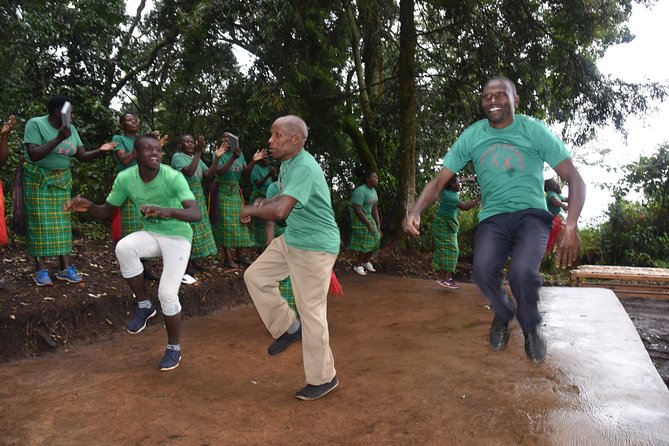
Day one has an intentional pacing. After you arrive near Bwindi, you mostly settle in—check in to your accommodation, relax, and then go to the Batwa cultural experience. That cultural stop matters because it helps you understand what the forest meant for communities who lived closer to it historically. It also gives you a structured “warm-up” before the gorilla trek day.
The value here is less about ticking a box and more about context. Bwindi isn’t a zoo-style place where you arrive and everything feels staged. You’re heading into a living ecosystem with strict gorilla rules. A cultural experience beforehand can help you feel the forest as something more than scenery.
Logistically, day one is also where you learn how the trip will feel: road time, rest time, then an activity that keeps you engaged without exhausting you too early. That’s important because day two is the intense one. You’ll want day one to be smooth, not chaotic.
If you’re the type who gets stressed by transitions, I’d pay attention to how the first day is designed: arrive, check in, take a breath, then go out with a guide. This is how the itinerary keeps the gorilla day from feeling like you’re rushing into the unknown.
Lake Bunyonyi slowdown: views, optional swim, and rest
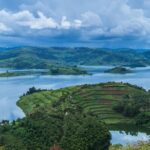
After gorilla tracking, the itinerary shifts gears toward recovery. You’ll return to your lodge, have lunch, and then transfer to Lake Bunyonyi. The description of Bunyonyi emphasizes lush green terraced hills surrounding the lake. Even when the road takes time, this part of the trip helps you feel the contrast: rainforest intensity on day two, calmer lake country afterward.
Day three starts with a relaxed breakfast. You may opt for a swim in the lake before heading back toward Entebbe. That optional swim is a nice “reset button,” especially after a day where you’re focused on staying quiet and following trail directions.
This is also where comfort becomes practical. Your body tends to remember the forest. So even if you don’t swim, this lake break is a chance to sit with a view, shower properly, and let the experience settle into your memory.
Then it’s back to the long drive home with stopovers in Mbarara and Kayabwe for Equator-line photos. By the time you arrive in Entebbe late afternoon/evening, you should feel like you wrapped up the adventure cleanly—not like you got yanked straight from gorillas into a full travel day without a pause.
Comfort, vehicles, and guides (from Sperito to Tyson)
One thing I’d look at closely before booking any gorilla trip is how the operator handles the long drive days. This one includes an air-conditioned vehicle and round-trip transfers from Entebbe, which makes a big difference when you’re traveling on Uganda’s roads for hours.
In the feedback, the vehicles get described as well-equipped—some safari land cruisers are noted as having practical gadgets like a roof pop-up for viewing, plus charge ports, Wi‑Fi, and drinking water onboard. That’s the kind of detail that helps on a trip where you can’t always control the schedule.
What really drives the experience, though, is the guide. I saw repeated positive notes around specific people and their approach:
- Sperito shows up as someone who tailors plans and keeps the pace relaxed without losing momentum.
- Tyson is credited with keeping the trip entertaining on long journeys (music) while still making you feel safe.
- Amos is mentioned for being superb and supportive during the overall planning and travel flow.
- City is noted for listening to a request about a less intense hike pace, arranging an easier group when that mattered.
Even when you can’t control who you’ll be assigned, this pattern gives you a good signal: the operator’s guides tend to manage both logistics and emotions. That’s not a small thing on a gorilla trek, where the day can feel long, steep, and unpredictable.
For you, this translates into a simple advantage: you spend less energy worrying and more energy paying attention. When your guide is organized, you stop thinking about what comes next and start thinking about the sights you’re seeing now.
Price and value for a private 3-day safari
This tour costs $1,900 per person and is priced as a private 3-day experience starting from Kampala/Entebbe area. At first glance, gorilla trips can feel expensive, but the value here is in what’s packaged around the gorilla day—especially because you’re not doing this as a DIY scramble.
Based on what’s included, you get:
- Air-conditioned vehicle for transport
- Meals (breakfasts and multiple lunches plus dinners)
- Accommodation taken care of across the trip
- Round-trip transfers from anywhere in Entebbe
- Ranger briefing and gorilla visit as part of the sanctuary experience
- A mobile ticket
- Admission tickets listed as free in the trip outline
Not included: air ticket.
So the “value math” is less about comparing gorilla permit prices line-by-line and more about what your time costs. You’re paying for smooth pickup, set meal timing, lodging coordination, and a guided route that stitches together Equator stops, Bwindi access, and Lake Bunyonyi rest.
It’s especially good value if you want:
- A private experience (not crowd-jumping with strangers)
- Comfort for long road days
- Fewer decisions to make once you arrive
- A guide who can handle small changes and keep the trip feeling human
If you’re the kind of traveler who enjoys planning every detail yourself, this may feel structured. But if you’d rather show up, meet your team, and focus on the big moments, the price starts making sense quickly.
So, should you book this Bwindi gorilla trek?
I’d book it if you want a guided, worry-reduced Bwindi experience with enough variety to feel like you saw Uganda, not just a single park. The combination of gorilla tracking, a Batwa cultural experience, and the Lake Bunyonyi slowdown gives your trip a natural arc: build context, do the intense day, then breathe.
I would not book it if you strongly dislike long drives. This is an itinerary where the road is part of the story, and day one and day three both include substantial travel plus lunch stopovers. Also, if you’re very sensitive to steep, dense terrain, plan to talk through your comfort level with your guide ahead of time.
My practical checklist before you commit:
- Ask what’s included in writing beyond the general outline, especially around the gorilla entry and any ranger costs.
- Pack for early mornings (day one starts at 6:30 am) and for a trek day where conditions can shift fast.
- If you fly out after day three, aim for the recommended late afternoon/evening timing so you don’t feel rushed.
If that sounds like your style, this is a strong way to do Bwindi: organized, comfortable, and guided by people who seem to care about both safety and the feel of your day.
FAQ
What time does the tour start?
The start time is 6:30 am.
Is this a private tour?
Yes. It’s listed as a private tour/activity, meaning only your group participates.
Where do they pick you up?
Pickup is offered from anywhere in Entebbe.
How long is the safari?
It runs for 3 days (approx.).
What meals are included?
The package includes breakfast (2), lunch (3), and dinner (2).
Are gorilla-related admission tickets included?
The trip details show admission ticket free for the park/gorilla sanctuary days.
What happens on day one after you arrive at Bwindi?
After check-in and some downtime, you go to the Batwa cultural experience.
Do you spend time at Lake Bunyonyi during the trip?
Yes. After gorilla tracking on day two, you transfer to Lake Bunyonyi, and on day three you can opt for a swim.
What is not included in the price?
Air ticket is not included.
What is the cancellation policy?
You can cancel up to 6 days in advance for a full refund. If you cancel 2–6 days before, you get a 50% refund. If you cancel less than 2 days before, there is no refund.