REVIEW · KAMPALA
4-Day Uganda Gorilla Trekking and Wildlife Safari
Book on Viator →Operated by Lulu safaris, uganda · Bookable on Viator
Gorillas and big cats in four days. This Uganda safari ties together Bwindi gorilla trekking, wildlife game drives in Queen Elizabeth National Park, and an afternoon boat cruise along the Kazinga Channel, then finishes with Lake Bunyonyi’s 29-island scenery. I love the pacing of the gorilla day: a ranger briefing, a trek into the forest, and an allocated one-hour encounter once you find your gorilla family.
The other part I like is the mix of classic sights and quick cultural stops. You get an Equator stop for handicrafts and photos, plus a real chance to hunt for the tree-climbing lions in the Ishasha area. One consideration: it’s a premium option at $2,450 per person, so you’ll want to confirm what’s covered (especially gorilla trekking fees) before you lock it in.
In This Review
- Key highlights to know before you go
- Queen Elizabeth to Bwindi: why this 4-day combo works
- Day 1 in Queen Elizabeth: Equator photos, then Kazinga Channel wildlife
- Day 2 in Queen Elizabeth and Ishasha: Kasenyi Tracks and the tree-climbing lion chance
- Bwindi gorilla trekking: ranger briefing, the one-hour encounter, then silence
- Lake Bunyonyi and the Kigezi Highlands drive: your scenic reset day
- Day 4 return via Igongo Cultural Centre: traditional lunch and a last Equator stop
- Guides and planning: where this safari earns its top rating
- Price and value: what $2,450 per person should include
- Who should book this safari (and who should consider other options)
- Quick practical tips before you say yes
- Should you book the 4-Day Uganda Gorilla Trek and Wildlife Safari?
- FAQ
- What time does the tour start?
- Where does this experience start and end?
- How long is the safari?
- Is this a private tour?
- Is pickup offered?
- What wildlife and animals are you likely to see?
- How does gorilla trekking work on this trip?
- Is there a cultural stop during the journey?
- Is free cancellation available?
Key highlights to know before you go
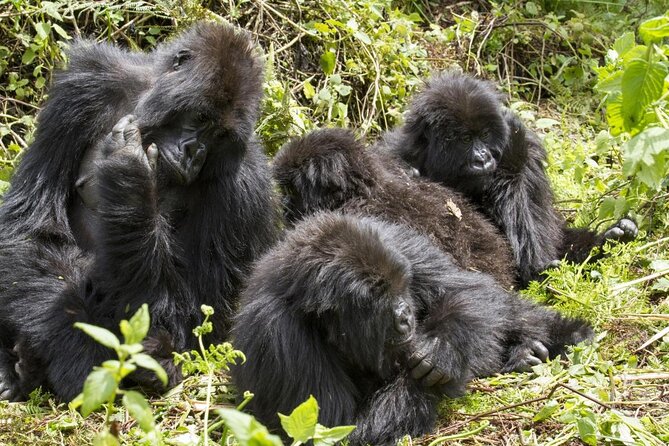
- Bwindi gorilla trekking with a UWA ranger briefing and a set time to observe once you make contact
- Queen Elizabeth early game drives from Kasenyi Tracks, with a strong odds list for big mammals and birds
- Ishasha tree-climbing lion opportunity during your drive between parks
- Kazinga Channel boat cruise from the Mweya jetty for close wildlife viewing from the water
- Lake Bunyonyi’s 29 islands plus a calmer highlands drive through Kigezi
- Igongo Cultural Centre stop for a traditional lunch and a museum option en route
Queen Elizabeth to Bwindi: why this 4-day combo works
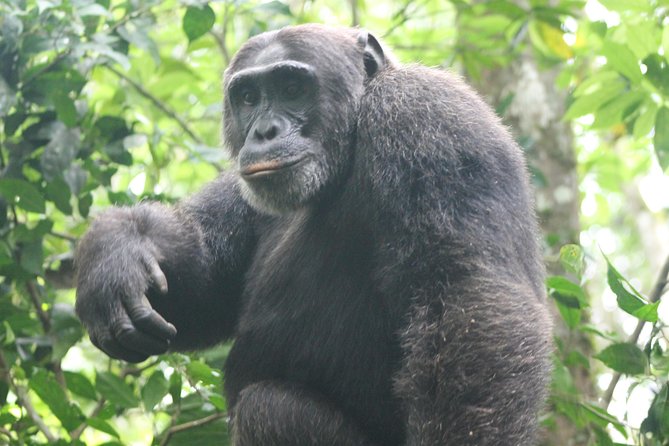
This safari is built for people who want two Uganda icons in one tight schedule: gorillas in Bwindi and serious wildlife time in Queen Elizabeth. The best part is that the plan doesn’t feel like a checklist. It feels like a sequence—game drive energy, then rainforest silence, then lake views that let your brain catch up.
I also like that the trip is private. That usually means you’re not stuck negotiating with strangers about pace, photo stops, or when to ask questions. Your operator lists pickup and a mobile ticket, which signals that the handoffs should be smoother than the usual “find your driver” scramble.
Now, the big reality check: this is 4 days, not a week. You’ll spend meaningful hours driving between regions. That’s not a deal-breaker, but it helps to go in with your expectations set. You’re buying access to two parks and a boat cruise—not leisure time.
And yes, the price is high. At $2,450 per person, you should think of it as a guided package for gorilla trekking plus multiple park experiences, with admission tickets listed as included on key days. If you compare line-by-line options later, keep your eye on what’s actually included, not just the headline number.
You can also read our reviews of more tours and experiences in Kampala.
Day 1 in Queen Elizabeth: Equator photos, then Kazinga Channel wildlife
Your day starts early, with a 7:00 am start time listed from the Entebbe Airport meeting point. From there, you’ll be on the road toward Queen Elizabeth National Park. Even before you reach the park, the drive includes a stop at the Equator area for local handicrafts and photo ops. It’s one of those quick moments that keeps the day from feeling like nothing but “transfer time.”
On the way, you’ll pass through the Rwenzori Mountain range. That matters because it breaks up the long drive. Mountain scenery is one of the few things that makes the road feel like part of the experience instead of just the price of admission.
Once you arrive, you go straight into a game drive. Queen Elizabeth is one of Uganda’s classic wildlife zones, and the timing is smart: you start active before check-in steals your morning. After the first drive, you check in at your lodge, lunch, and then head to the Mweya jetty.
That sets up the Kazinga Channel boat cruise in the afternoon. This is the change of pace you’ll appreciate. A boat on the channel gives you different angles and movement than a vehicle drive. I like cruises like this because they let animals come to you—at least more than on land.
Day 1 also includes admission ticket coverage in the plan. For value, that’s important. Gorilla trekking packages can get expensive fast once you start adding permits and park fees. Having admissions already accounted for on the early park days is the kind of practical detail that reduces surprise costs.
Day 2 in Queen Elizabeth and Ishasha: Kasenyi Tracks and the tree-climbing lion chance
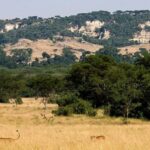
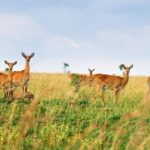
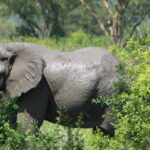
Day 2 leans into early wildlife. After breakfast, you’ll set out for an early morning game drive along Kasenyi Tracks. The species list in the plan is solid: cape buffalo, elephant, topi, kob, warthog, waterbuck, hyena, leopard, plus lions and plenty of birds. It’s not a guarantee of any one sighting, but it is a meaningful sign of where the region shines and what your guide will likely scan for.
What I like here is the mix of large mammals and predators. Many shorter safaris focus on one type of wildlife. This one aims higher: you’re looking for herds and then for the cats that follow them. The timing matters too. Early drives often give you better chances to spot animals moving and feeding.
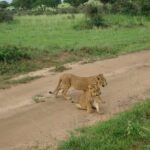
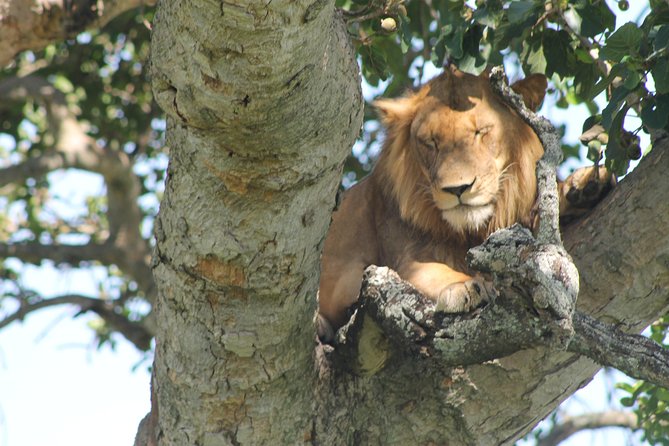
Then you shift toward Bwindi via Ishasha. Ishasha is famous for one weird, memorable detail: the tree-climbing lion opportunity. It’s not something you can count on, but having the possibility built into your route is a nice bonus for the lion-chasing mindset. The plan also notes that Ishasha supports buffalo, elephant, waterbuck, and kob—so even if you don’t see the lions up in the branches, the area still has wildlife value.
By evening, you arrive at Bwindi Impenetrable National Park and settle in. This stop is where the safari “changes gears.” In Queen Elizabeth you’re driving, scanning, and watching. In Bwindi, you’re getting ready for forest trekking the next day. That downshift is smart, because it gives your body time to reset before the hike.
Bwindi gorilla trekking: ranger briefing, the one-hour encounter, then silence
Day 3 is the heart of the whole trip. After early breakfast, you get briefed by a Uganda Wildlife Authority ranger. That part is more than a formality. It sets expectations for trekking rules and how your team will track gorillas once you enter the forest.
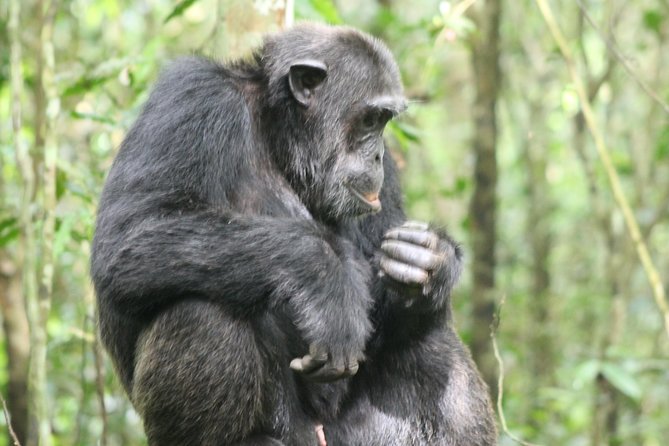
Then you start the gorilla trekking journey into the rain forest. The plan notes that the time and track can vary depending on where the gorillas move. That’s normal for gorilla trekking, and it’s worth accepting up front. You’re not touring a zoo exhibit. You’re following living animals in a living habitat.
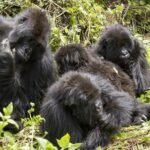
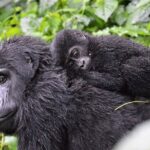
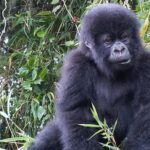
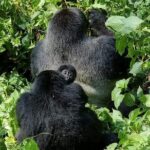
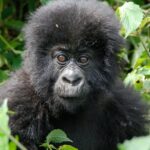
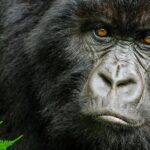
When you make contact, the plan is clear: you’ll have up to one hour to observe, spend time with, and photograph the gorillas. The encounter is described as gentle, peaceful, and shy, and that matches the tone most people hope for. What you’re likely to notice is the contrast between what you imagined and what reality feels like—close, quiet, and oddly personal.
For me, the biggest value isn’t only the gorilla family itself. It’s what the trekking day does to your senses. The rainforest environment adds weight. The experience slows down your thoughts. You come out feeling like you’ve seen something that can’t be recreated with a camera alone.
After the trek, you transfer to Lake Bunyonyi through the Kigezi Highlands. This is a clever pairing: Bwindi can feel intense and physical. The lake day is calmer and scenic, giving you mental space after the gorilla encounter.
The plan also shows admission ticket coverage for parts of the experience, with Day 3 listed as admission ticket free. That doesn’t tell you every line item, but it does suggest at least some core costs are already handled by the operator.
Lake Bunyonyi and the Kigezi Highlands drive: your scenic reset day
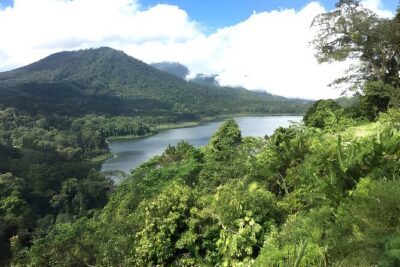
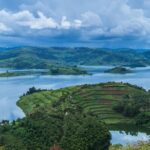
Lake Bunyonyi is called the lake of a thousand islands, and the plan gives you a specific detail: 29 islands. That specificity helps you focus on what you’ll actually see instead of just absorbing a marketing phrase. On the drive through Kigezi Highlands, you’re trading park sounds for wider views and calmer horizons.
You arrive on the afternoon of Day 3. That timing is good. It gives you a chance to settle before the next day’s return transfer. It also makes the lake feel like a real stop instead of a quick photo pull-off.
I like this part of the safari because it balances intensity with beauty. After one hour with gorillas, you’re probably not in “rush mode” anymore. Bunyonyi gives you a chance to sit, look, and feel like the trip is still unfolding instead of simply ending.
If you’re the type who loves geography, this lake stop is also a reminder that Uganda’s wildlife isn’t only about animals. It’s about habitat. Seeing water and islands after the rainforest trek helps you understand how connected the ecosystems are.
Day 4 return via Igongo Cultural Centre: traditional lunch and a last Equator stop
Your fourth day starts with breakfast, then you transfer back toward Kampala via Mbarara. The plan includes an important cultural and food stop: Igongo Cultural Centre in Mbarara for lunch. You also have the option to visit the cultural museum there.
I like this stop for two reasons. First, it breaks up the driving. Second, it keeps the trip from being “only wildlife.” Even if you’re mostly here for gorillas, a traditional lunch and museum option gives you something different to remember that isn’t in the animal photos.
You’ll then continue your drive toward Kampala, with another Equator area stop for photos and gift shops. That second Equator moment is practical: you get one round to browse handicrafts earlier, and then a later chance to pick up memorabilia once you’ve had time to think about what you actually want.
The tour description says the experience ends back at the meeting point. With the listed start at Entebbe Airport, plan on a route that returns you to the Entebbe area by the end of the day, with stops along the way. If you’re building a longer trip around this, I’d treat the end time as flexible and plan a buffer for travel on the final day.
Day 4 is also listed with admission ticket included, which again points to the operator taking care of at least some core costs.
Guides and planning: where this safari earns its top rating
This safari’s high score—4.9 with 97% recommended—tracks with what usually matters most on gorilla trips: people and process. A recurring theme in the feedback is strong communication during planning and a guide style that stays patient and supportive when the day gets long.
Names that pop up in the praised guiding experience include Elvis (noted for responsiveness and smooth planning) and guides like Sam and Smith (described as attentive, enthusiastic, and very helpful on the ground). Another guide name you may see associated with these safari experiences is Hillary, and some people also mention Stuart for organized support. Even if you don’t get the exact same team, the key takeaway is consistent: you’re not just booking a vehicle. You’re booking a team that can handle route timing, wildlife spotting, and the emotional pace of gorilla trekking.
This is also where private tours tend to shine. If you need a slower rhythm, or if you have a health-related limitation that requires flexibility, a guide with experience can often adjust without turning the day into a mess. One of the stronger bits of reassurance from the feedback is that the team can adapt when plans need tailoring.
So when you’re deciding whether this safari is worth it, don’t only compare price. Compare who’s driving your day and how they communicate before you arrive.
Price and value: what $2,450 per person should include
At $2,450 per person for 4 days, this is not a budget excursion. It’s a premium package. The value case is easiest when you look at the “big-ticket” parts that cost time and money in Uganda: gorilla trekking in Bwindi, multiple park experiences, and a boat cruise on the Kazinga Channel.
The plan lists admission tickets as included on Day 1 and Day 2, Day 3 as admission ticket free, and Day 4 as admission ticket included. That suggests the operator has grouped several park fees into the package. Still, before you pay, I’d ask one straightforward question: which exact fees are covered for gorilla trekking and park access, and which are payable separately?
If you get clear answers, the price starts to make sense. You’re buying transportation, time management, tracking and guiding, and park access in a short trip length. Also, the plan shows you’re likely booking a private experience, which usually means fewer compromises and more attention per person.
Finally, the average booking lead time listed—64 days in advance—signals demand. Gorillas aren’t something you casually “watch for a last-minute opening.” If you’re flexible, you can sometimes negotiate. If you’re not, you should lock in earlier.
Who should book this safari (and who should consider other options)
This 4-day combo fits best if you want:
- Gorillas plus classic safari without adding extra travel weeks
- A structured plan with guided game drives and ranger-led gorilla trekking
- Variety: park driving, a boat cruise, lake scenery, and a cultural lunch stop
It may not fit as well if:
- You hate long driving days. This route covers Queen Elizabeth, Bwindi, Lake Bunyonyi, and return.
- You need lots of downtime between major activities.
- You’re budget-sensitive and want to keep costs lower than a gorilla package typically runs.
The plan also says most travelers can participate, and it allows service animals. So the general format is designed for a broad range of people. Just remember that a rainforest trek requires physical readiness; you should be honest with yourself about how you handle hiking and uneven ground.
Quick practical tips before you say yes
These are the points I’d treat as non-negotiable when you decide:
- Your start point is tied to Entebbe Airport with a listed 7:00 am start time. Plan sleep and airport timing around that.
- Expect early days and schedule-heavy mornings. Day 2 in particular is early game drive focused.
- Confirm what’s included for gorilla trekking fees and park admissions, because the package language is mixed across days.
- Ask about your guide assignment during booking. The experience seems to shine when the guiding team is attentive and flexible, and names like Elvis, Sam, Smith, Hillary, and Stuart come up often in positive feedback.
Should you book the 4-Day Uganda Gorilla Trek and Wildlife Safari?
If your dream trip is gorillas in Bwindi plus real wildlife time in Queen Elizabeth, this is a strong match. The structure is efficient: game drive energy first, then the gorilla day with a clear one-hour encounter, then the calm reset at Lake Bunyonyi, then a culturally meaningful return day at Igongo Cultural Centre.
I’d book it if you:
- Want a private setup and like the idea of a team managing the details
- Can handle early starts and a decent amount of driving
- Are okay paying for a guided gorilla experience that includes multiple park activities
I’d be cautious if:
- You’re unsure about what’s included in the gorilla trekking costs
- You expect a laid-back pace with lots of free time
- You’re traveling on a very tight budget
When the right guide is in your corner—something the feedback repeatedly highlights—this kind of trip can feel less like transport and more like a guided story of Uganda’s wildlife and habitats.
FAQ
What time does the tour start?
The start time is listed as 7:00 am.
Where does this experience start and end?
It starts at Entebbe Airport in Entebbe, Uganda, and ends back at the meeting point.
How long is the safari?
It runs for 4 days (approximately).
Is this a private tour?
Yes. It’s described as a private tour/activity, and only your group participates.
Is pickup offered?
Yes. Pickup is offered.
What wildlife and animals are you likely to see?
The plan lists potential sightings on game drives such as cape buffalo, elephant, topi, kob, warthog, waterbuck, hyena, leopard, and lion, plus lots of birds. The route through Ishasha also includes a tree-climbing lion opportunity.
How does gorilla trekking work on this trip?
You get briefed by a Uganda Wildlife Authority ranger, then you trek through the rain forest. Once you find the gorillas, you have one hour to observe, spend time with, and photograph them.
Is there a cultural stop during the journey?
Yes. You’ll stop at Igongo Cultural Centre for a traditional lunch, and you have an option to visit the cultural museum. You’ll also visit the Equator area for handicrafts and photos.
Is free cancellation available?
Yes. You can cancel up to 24 hours in advance for a full refund.