REVIEW · KAMPALA
3 Days gorilla trekking Safari tour in Uganda
Book on Viator →Operated by Dav Safaris · Bookable on Viator
Gorillas put everything else on pause. This 3-day Uganda safari brings you to Bwindi Impenetrable National Park for a real in-forest gorilla trek, with a private guide who handles the tricky parts like briefing, pacing, and forest etiquette. You’ll also get non-gorilla moments that feel genuinely local, including a Batwa community visit and time around Lake Bunyonyi.
I love that the price is built to be predictable: gorilla permits, accommodation, meals, and key activities are included, so you are not piecing together costs last minute. The logistics feel thought-through, from 4×4 road travel to drinking water in transit and a planned schedule that keeps you moving without feeling rushed.
One consideration: the driving days are long. Day 1 is about a 7-hour drive from Entebbe area, and Day 3 is another long return, so if you get road-sick or hate sitting for hours, plan accordingly.
In This Review
- Key highlights worth knowing before you go
- Uganda gorilla trekking in Bwindi: the kind of day you won’t forget
- The long 4×4 ride from Entebbe: plan for hours, not just distance
- Day 1: Entebbe meeting, Bwindi lodge check-in, and the Batwa community tour
- Day 2: gorilla briefing, tracking time swings (1 to 6 hours), and altitude reality
- Day 3: Lake Bunyonyi canoe ride, then the long return to Entebbe
- Pricing of $2,600 per person: what value looks like on a gorilla permit trip
- What’s included vs. not included, and why that matters day to day
- Guides, permits, and the small safety habits that protect the magic
- Who should book this 3-day Bwindi gorilla trek (and who might reconsider)
- Should you book this 3-day gorilla trekking tour with Dav Safaris?
- FAQ
- What does the 3-day gorilla trekking safari include?
- What is the price per person?
- Are pickup and drop-off included?
- Where does the tour take place?
- How long is the gorilla trek day?
- Is the international flight included?
- What is not included besides the international flight?
- What is the cancellation policy?
- Is this tour private?
Key highlights worth knowing before you go
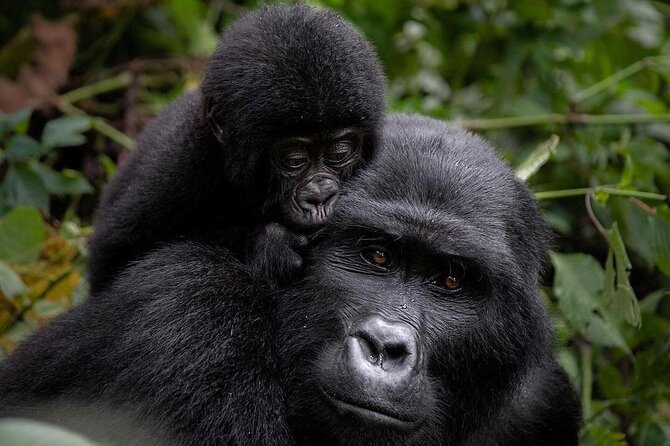
- Private, English-speaking guidance for gorilla etiquette, tracking strategy, and practical safety habits
- Permits included so you focus on the trek instead of hunting paperwork
- Batwa community tour that adds culture to a trip most people only associate with gorillas
- Lake Bunyonyi canoe ride for calmer views after the forest effort
- Trekking time can vary (1 to 6 hours) depending on the gorilla family location and altitude
- Long 4×4 transfer days that make comfort and stamina matter as much as enthusiasm
Uganda gorilla trekking in Bwindi: the kind of day you won’t forget
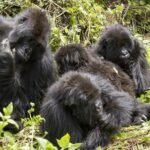
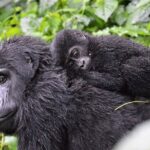
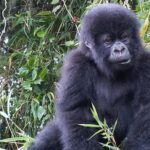
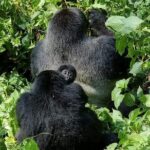
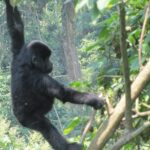
A gorilla trek is not like a drive-by wildlife stop. You walk into dense forest, you follow signs and trackers, and then you wait for a family to move into view. That mix of effort plus anticipation is why this type of safari sticks with people. You are close enough to see how they move, how they react, and how life in the forest actually works.
What makes this tour especially appealing is the balance. You get one full day focused on gorillas, but the trip also includes culture and a scenic break so you are not only thinking about trekking gear and forest trails. And since the tour is described as private, the pace and attention tend to feel more tailored than on big group schedules.
You are also going to start learning forest rhythm early. The day before your trek includes a briefing on etiquette, and that matters because it shapes how you behave at the moment you meet the gorillas. The rules are not there to spoil your fun. They protect you, the gorillas, and the rest of the visitors sharing the experience.
You can also read our reviews of more tours and experiences in Kampala.
The long 4×4 ride from Entebbe: plan for hours, not just distance
This tour is built around a road journey. Day 1 starts with you being met at Entebbe International Airport (EBB), then it is roughly a 7-hour drive to the Bwindi area, with a lunch stop along the way. Day 3 is another long day back toward Entebbe/Kampala, with lunch en route and an equator-line stop.
Here’s the practical reality: long drives change how you pack and how you feel. Bring layers. Even in Uganda, mornings and evenings can feel cooler once you get away from the lake area. Also keep essentials easy to reach: water, a light snack, and something for dry hands if you are touching surfaces a lot.
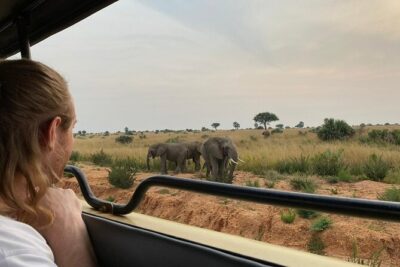
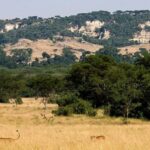
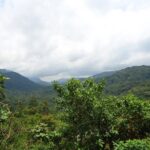
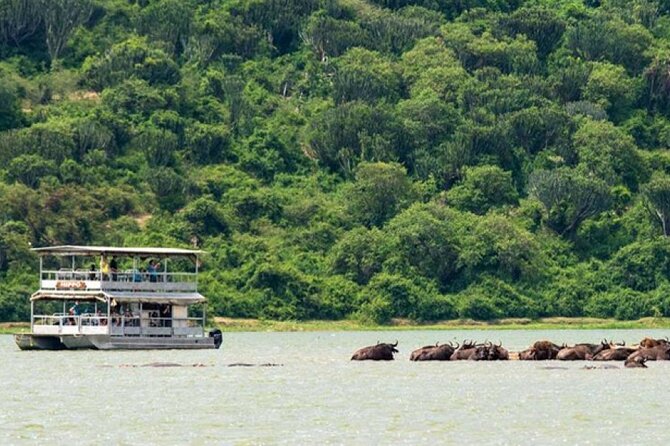
The upside is that the drive is not just a boring transfer. The route is described as passing through tropical rain forests, savannah fields, and terraced Kigezi hills, often nicknamed the Switzerland of East Africa. Translation: you get variety. The scenery changes enough that it stays interesting, even if your body would prefer a shorter route.
If you are the kind of traveler who gets restless, this tour can still work, because you are not stuck in a single long stretch with zero outlets. You have lunch stops and planned breaks, plus you are sleeping near Bwindi after Day 1 so the trek day is not another immediate grind.
Day 1: Entebbe meeting, Bwindi lodge check-in, and the Batwa community tour
Day 1 begins with the handoff you want after a flight: someone from Dav Safaris meets you at EBB and briefs you before you hit the road. That first organization piece matters because it reduces the stress of figuring out where to go next and what to bring out at the right time.
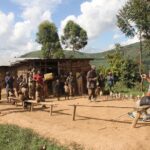
After the long drive, you check in at your lodge and then move into the cultural part of the program. The tour includes a Batwa community visit described as a cultural adventure about the forest pygmies. This is one of the best add-ons for first-time gorilla trekkers because it reframes the forest. You are not just seeing scenery; you are learning how people connect their lives to it.
Then you get downtime. You spend the rest of the day at leisure, which is smart. Trekking days are physical, and you want your energy for Day 2. You also get meals built into the plan: Day 1 includes lunch and dinner.
A small but important point: this is where you’ll start to appreciate the difference between a tour that feels packaged and one that feels managed. Having your lodge time and your cultural stop slotted in means you are not constantly asking what comes next. The schedule is designed to keep you oriented.
Day 2: gorilla briefing, tracking time swings (1 to 6 hours), and altitude reality
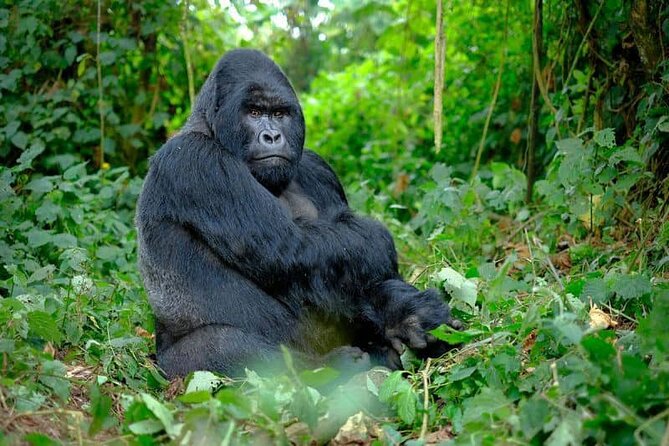
This is your gorilla day. It starts with early breakfast, then you move to the park offices for briefing. You meet local guides and trackers, and they cover gorilla trekking etiquette—how to behave when you are close, how to stay safe, and how to follow instructions quickly if conditions change.
Then you hike into the forest to a starting point where gorillas were seen the previous night. This is a big reason the trek is so effective. You are not guessing randomly. The team is using recent sightings to plan your best chance of encounter.
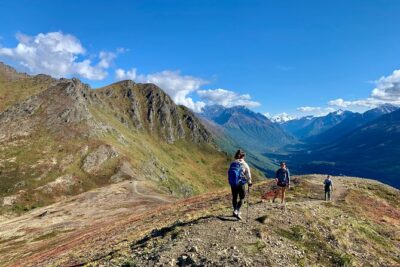
Now for the part you should respect: your trekking time can be between 1 and 6 hours depending on the gorilla family’s location and altitude (in the area above 7,500 feet). That range is normal in gorilla trekking. One group might be moving toward the trail. Another group might be deeper or harder to reach. The forest decides.
What I like here is that the tour sets expectations clearly rather than promising a fixed timeline. If you train for the hard version of the trek (steady uphill walking, uneven ground), you will feel much more comfortable when the trek is shorter than expected.
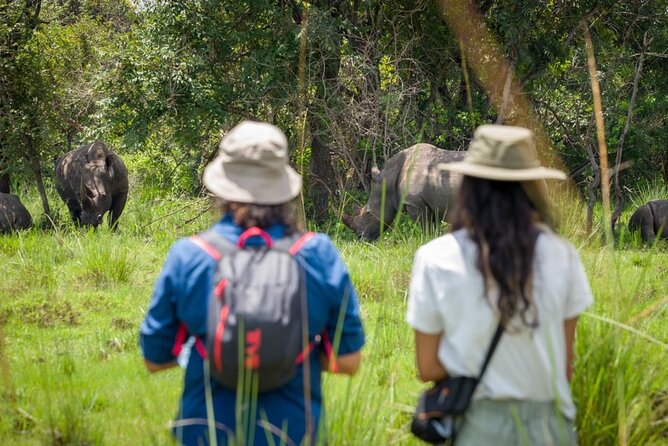
Also pay attention to how you pace yourself once you begin tracking. The goal is not to sprint. You want enough energy for the walk plus the standing time once you are near the gorillas. Your guide and trackers will lead you, and your job is to move carefully and quietly.
If you care about how the trip feels in the moment, this is where guide quality really shows. In accounts of this safari, guides such as Hudson, Joyous, Benjamin, Richard, and Adams are praised for practical driving confidence and clear explanations. Even without knowing which guide you’ll get, it’s reasonable to expect the tour’s real strength to be guidance that keeps you calm and focused during high-stakes minutes in the forest.
Day 3: Lake Bunyonyi canoe ride, then the long return to Entebbe
Day 3 is a mix of recovery and return logistics. After breakfast, you start the long drive back to Entebbe/Kampala with lunch en route. You also stop at the equator line for a quick moment of fun and experimentation. It is a simple stop, but it breaks up the monotony and gives your body a chance to stand up and reset.
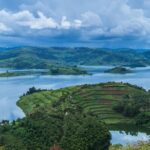
The tour also includes a canoe ride on Lake Bunyonyi. The itinerary you were given does not spell out which exact day/time the canoe fits, but it is included in the package. In practice, canoe rides often land on the lighter part of the schedule, which makes sense after a gorilla trek day. You get that contrast: forest effort followed by water calm.
One more thing that affects your planning: you arrive late in the evening to be dropped at Entebbe International Airport, described around 6 pm. That means you should book an evening flight if you need to fly out the same day. If you plan an early departure, you are taking a risk.
This is also where you’ll notice what the inclusion list really means. You are not hunting for meals or figuring out how to get between stops. The tour design keeps you in motion, but it also keeps the basics handled—transport in a 4×4 WD vehicle and drinking water in transit are explicitly included.
Pricing of $2,600 per person: what value looks like on a gorilla permit trip
At $2,600.00 per person for a 3-day safari, the price might sound high until you look at what safari costs usually add up to. Gorilla trekking is permit-based, and permits are included in your tour price. Your accommodation and meal plan are also included for the two nights on the ground. Add 4×4 transportation plus a guide who manages briefing and trekking coordination, and the number starts to make more sense.
Here’s how I think about value on this kind of trip: you are paying for three things you cannot easily DIY—access (permits), safety and coordination (guides and trackers), and the time/energy cost of transfers. If you tried to build this yourself, you would spend time organizing routes, lodging, and logistics while trying to match a gorilla trekking schedule.
You also get water in transit, and you avoid surprise line items for core parts like permits and meals. That reduces stress, especially if you are not familiar with Uganda’s travel rhythm.
What’s not included is clearly listed. International flights, tips and gratuities, personal expenses (phone bills, purchases), and personal insurance are on you. If you budget for those upfront, the remaining costs feel more predictable.
What’s included vs. not included, and why that matters day to day
Let’s translate the inclusion list into real life.
Included:
- Breakfast, plus lunches and dinners across the days you are in-country
- 2 nights accommodation
- Transport in a 4 x 4 WD tourist vehicle
- English-speaking safari guide services
- Gorilla permit per person
- Drinking water in transit
- Batwa community tour
- Canoe ride on Lake Bunyonyi
Not included:
- International flight
- Tips/gratuities
- Personal expenses
- Personal insurance
The day-to-day takeaway is simple. When things go smoothly, you should be thinking about gorillas and scenery, not whether you remembered to pay for lunch or whether you’re going to get stuck trying to locate a permit office. This tour tries to remove those friction points.
A note on tickets: your info also mentions a mobile ticket. That can reduce the paperwork burden, but do not treat it as a substitute for basic readiness. Bring your passport and any booking confirmation details that the operator asks for at confirmation.
Guides, permits, and the small safety habits that protect the magic
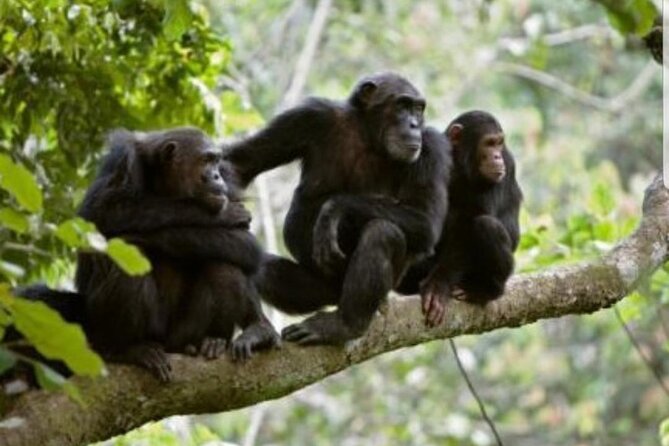
You should expect the tour to take gorilla trekking etiquette seriously, because the briefing includes etiquette rules before you hike. That’s not fluff. Your behavior around gorillas has direct impact on your safety and theirs.
It also helps to understand that tracking is not just walking. It is listening and following instructions quickly, then adjusting your pace based on what trackers see. That is why a good guide matters.
In the accounts you provided, people consistently credit the guide and driver for confidence and for helping with practical needs like porter organization. Even if you don’t need a porter, it signals that the team looks at the trip like a whole machine, not just one headline activity.
This tour is private, so your group is the only one participating. In practical terms, that can mean you’re less likely to feel squeezed by others’ schedules, and you can usually move at a better fit for your pace once the trek begins. The forest still has its own rules, but your logistics can feel more controlled.
One more helpful detail: you’re allowed service animals, and the tour says most travelers can participate. That doesn’t mean everyone should ignore fitness. Trekking still involves walking in the forest and altitude, but it does suggest the operator is set up to accommodate many kinds of travelers.
Who should book this 3-day Bwindi gorilla trek (and who might reconsider)
This tour is a strong match if:
- You want one main gorilla trekking day without splitting your trip into multiple far-flung sections
- You value cultural context, not only animals
- You prefer a managed plan that handles permits, lodging, and meals
- You like the idea of a private guide and 4×4 transport for a smoother experience
It may be less ideal if:
- You strongly dislike long driving days. Day 1 is about 7 hours, and Day 3 is another long return.
- You have mobility limitations that make forest trekking difficult. The trek time can be 1 to 6 hours and altitude is above 7,500 feet, so discuss fitness expectations before you go.
If you are a first-timer to Uganda and East Africa safari travel, this kind of itinerary can be a smart starting point. It gives you the iconic gorilla encounter plus the scenic and cultural stops that make Uganda feel like more than a checklist.
Should you book this 3-day gorilla trekking tour with Dav Safaris?
I’d book it if you want a structured Uganda gorilla experience with the basics handled and you are mentally prepared for a long road journey. The included permits, meals, and accommodation are the biggest value drivers, and the Batwa community tour plus Lake Bunyonyi canoe ride make the trip feel fuller than just one intense day.
I’d also book it if you care about guidance quality, because gorilla treks are calmer when your briefing and forest coordination are in good hands. Names like Hudson, Joyous, Benjamin, Richard, Adams, and Bonnie show up repeatedly in the kinds of strengths people want from a guide: clear explanations, confident logistics, and helpful support.
Before you say yes, check two things: your flight timing for the late airport drop (around 6 pm) and your comfort with trekking at altitude. If those fit, this 3-day format is a solid, value-conscious way to see mountain gorillas in Bwindi.
FAQ
What does the 3-day gorilla trekking safari include?
It includes transport in a 4 x 4 WD tourist vehicle, an English-speaking safari guide, gorilla permit per person, drinking water in transit, breakfast plus lunches and dinners for the 2 nights of accommodation, a Batwa community tour, and a canoe ride on Lake Bunyonyi.
What is the price per person?
The price is listed as $2,600.00 per person for this 3-day tour.
Are pickup and drop-off included?
Yes. Pickup is offered, and the tour includes dropping you at Entebbe International Airport on the return day (late evening, around 6 pm).
Where does the tour take place?
The itinerary centers on Bwindi Impenetrable National Park, with additional stops that include Entebbe and Lake Bunyonyi, plus a Batwa community tour.
How long is the gorilla trek day?
Trekking time can take anything between 1 and 6 hours, depending on where the gorilla family is located and altitude (the area described is in excess of 7,500 feet).
Is the international flight included?
No. International flights are not included.
What is not included besides the international flight?
Tips and gratuities, personal expenses (like phone bills and purchases), and personal insurance are not included.
What is the cancellation policy?
Free cancellation is available. You can cancel up to 24 hours in advance of the experience for a full refund. If you cancel less than 24 hours before the start time, the amount you paid will not be refunded.
Is this tour private?
Yes. It is a private tour/activity, and only your group will participate.