REVIEW · KAMPALA
8-Day Murchison Falls, Chimp and Epic Gorilla Trekking
Book on Viator →Operated by Ngoni Safaris Uganda · Bookable on Viator
Uganda hits different when your schedule is tight and your route makes sense. This private 8-day safari strings together Murchison Falls, Kibale chimp trekking, and Bwindi gorilla trekking without you needing to play tour planner.
Two things I really liked: the way the driving is handled door-to-park, and how the chimp and gorilla days are built around ranger-guided forest tracking instead of casual sightseeing. You’ll also get bonus nature stops that matter, like rhino tracking at Ziwa and a boat safari on the Nile Delta.
One possible drawback: it’s a serious wildlife trip with walking (and up to multi-hour forest treks), so you’ll want moderate fitness and realistic expectations that animal sightings are never guaranteed, only improved.
In This Review
- Key things to know before you go
- Price and logistics: what $12,000 per group really buys
- Entebbe start: private pickup and a first push toward wildlife
- Murchison Falls National Park: rhinos, big-game drives, and the boat to the falls
- Ziwa Rhino Sanctuary stop
- Day 2 game drive in the northern sector
- The 3-hour boat trip to the base of the falls
- Nile Delta boat safari before Kibale: birds, fishermen, and Lake Albert views
- Kibale chimp trekking: how the forest tracking actually feels
- A practical reality check
- Queen Elizabeth National Park: an evening game drive with serious hippo energy
- The tradeoff
- Ishasha tree-climbing lions to Bwindi: a detour worth the road time
- Bwindi gorilla trekking: ranger-guided, time-flexible, and emotionally loud
- A realistic note on expectations
- Lake Mburo and the road back to Entebbe: a gentler finish
- Guides make it feel personal: Eddy, Reagan, Sedrick, and the team vibe
- Who this tour fits best (and who should think twice)
- Should you book this 8-day Murchison, Chimp, and Gorilla trek?
- FAQ
- Where does the tour start, and what time?
- Is this tour private?
- What group size does the price cover?
- What wildlife experiences are included in the route?
- How long is the trip?
- How physically demanding is it?
- Does the itinerary include transportation between parks?
- Are meals and accommodation included?
- Is there free cancellation?
- Is there pickup from Entebbe?
Key things to know before you go
- Private, small-group feel (your group only, up to 4) with a dedicated driver/guide
- Murchison Falls game drive plus Nile boat cruise for both land animals and water life
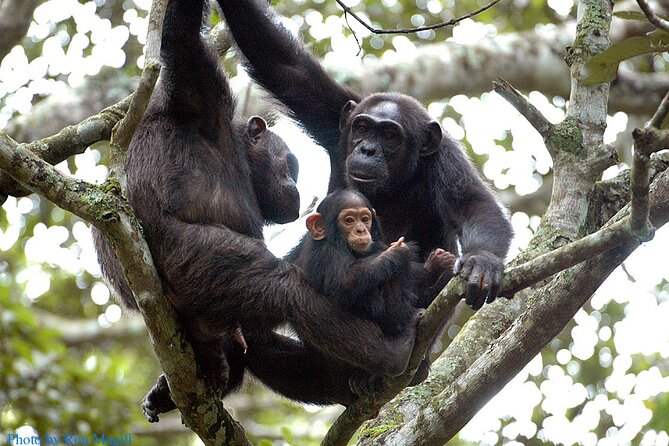
- Chimps in Kibale on walking trails where you spend time in the forest, not just looking from afar
- Gorilla trekking with a ranger and a day that can run long depending on where the family is
- Tree-climbing lions in Ishasha as a special, photogenic detour en route to Bwindi
- Lake Mburo horse ride and an easy end to the road trip back toward Entebbe
Price and logistics: what $12,000 per group really buys
This is priced at $12,000 per group for up to 4 people, which is a big number until you unpack what’s included. When you max out the group size, that’s roughly $3,000 per person for an 8-day private safari with meals, accommodation, and round-trip transportation from Entebbe.
In practice, the value comes from two things you feel immediately: you save time, and you reduce decision fatigue. Instead of researching park-to-park routes, arranging permits, and trying to time game drives on your own, a driver handles navigation and you follow an itinerary that’s already optimized for a north-to-south wildlife circuit.
The other thing to consider is concentration of effort. This route doesn’t linger in one place; it moves because Uganda’s top primate parks are far apart. If you want a slow pace with long free afternoons, this won’t be that trip. If you want maximum wildlife days with minimal hassle, it fits.
You can also read our reviews of more tours and experiences in Kampala.
Entebbe start: private pickup and a first push toward wildlife
The tour starts at Entebbe Airport at 8:00 am with pickup offered, and from there you’re in “travel day mode” right away. That matters because Uganda roads can eat time, and an early departure helps you arrive while there’s daylight left to enjoy the first wildlife area.
Because it’s private, your group’s rhythm sets the tone. You’re not stuck waiting for other people’s pace, and you can ask questions in real time while you’re driving. The best safari days feel like a conversation with the landscape, and the private setup makes that easier.
Murchison Falls National Park: rhinos, big-game drives, and the boat to the falls
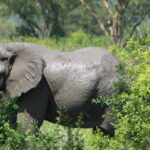
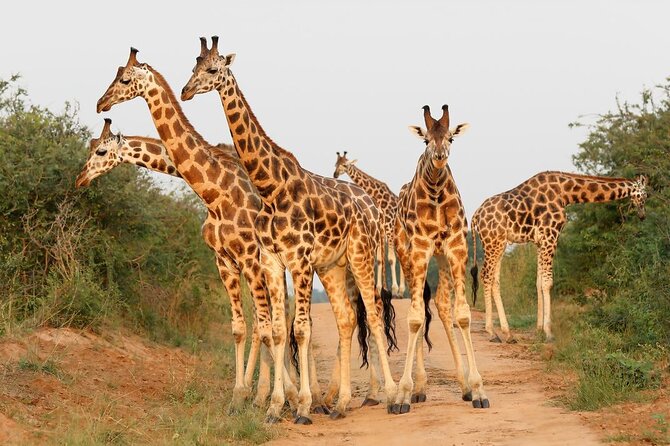
Your first wildlife base is Murchison Falls National Park, and it hits a wide range of habitats fast. You’re looking at rolling plains where you might spot lions, giraffes, hartebeest, buffalo, and elephants, plus hippos and Nile crocodiles near water. If you like birds, this park is a standout: it lists 450 bird species, including the shoebill stork, dwarf kingfisher, white-thighed hornbill, and the Goliath heron.
Ziwa Rhino Sanctuary stop
One of the smart additions here is the Ziwa Rhino Sanctuary rhino tracking before continuing into Murchison. Even though rhinos are not the easiest animals to guarantee, the point is access. You’re not just “hoping for” rhinos; you’re doing a targeted tracking session on a route that’s already in motion.
Day 2 game drive in the northern sector
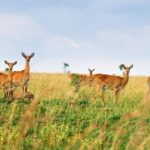
The second day includes a morning game drive in the northern area, aiming at the classic big-game mix of buffalo, lions, elephants, and possibly leopards. Realistically, you’ll also see antelope species and other common plains animals like waterbuck, warthogs, bushbucks, and giraffes.
I like how this is planned around morning light. The drive is when animals tend to move and when you can read the landscape better—meaning spotting feels more active, less luck-based.
The 3-hour boat trip to the base of the falls
Then comes the favorite kind of safari contrast: water life. After lunch and a brief break, you take about a 3-hour boat trip to the base of the falls. This is described as the highlight because it gets you close to the animals that live on or near the water.
On the boat, you can expect hippo pods, crocodiles, and lots of aquatic birds along the north bank. If you’re the type who likes variety more than one big set-piece, this part delivers. You’re not just ticking animals; you’re seeing how the Nile works as a feeding and shelter corridor.
Nile Delta boat safari before Kibale: birds, fishermen, and Lake Albert views
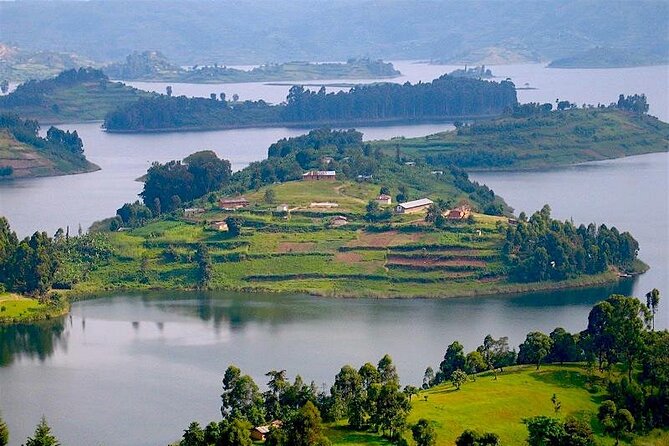
Before you head to chimp country, you get a stop at the Nile Delta, where the Victoria Nile flows into Lake Albert. This is not just scenery. It’s a bird-and-life transition zone: the banks are home to hundreds of bird species, including the shoe-bill stork, plus papyrus species that are part of the delta identity.
You’ll do a boat safari here for about 5 hours, and the tour includes breakfast on the water while the day stays calm and slow. That is a nice tempo change after driving. You might see fishermen in canoes catching tilapia, local people fetching water from the Nile, and if luck is on your side, animals along the banks.
Even if you’re not a die-hard birder, this stop makes sense because it gives you a different “Uganda lens.” You’re not only chasing wildlife; you’re seeing how people and ecosystems share the same water.
Kibale chimp trekking: how the forest tracking actually feels
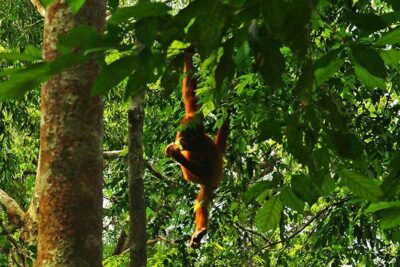
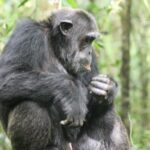
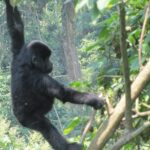
Chimp trekking happens in Kibale National Park, and the tour frames it in the right way: you’re going to spend time on well maintained walking trails rather than doing a quick drive-by.
Chimps are described as sharing 98% of human genes, and in Uganda there are around 5,000 chimpanzees left in the wild. More important than the science fact is what that means for your chances: dense populations make it more realistic to find chimps compared to areas where they’re sparse.
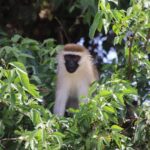
The day is also built for variety inside the forest. Besides chimps, Kibale has a high concentration of primates, including red colobus and other species you might see while walking the trails.
A practical reality check
Chimp trekking has a feel that’s part anticipation, part patience. You can’t rush chimps. What you can do is listen and look in the right direction when the guide calls it. If you like nature watching and can handle walking in the forest, this is one of the most rewarding days on the route.
Queen Elizabeth National Park: an evening game drive with serious hippo energy
From Kibale, you drive toward Queen Elizabeth National Park, arriving in the afternoon. Then you go out for an evening game drive, which I think is a smart scheduling choice. Late light brings different animal movement than midday, and it often makes the park feel more alive.
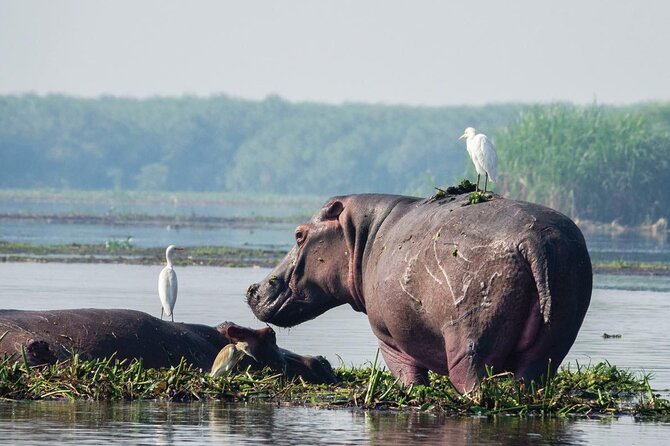
Queen Elizabeth is described as having 200 kilometers of well-maintained game viewing tracks, and the wildlife numbers are impressive on paper: about 5,000 hippos, 2,500 elephants, and over 10,000 buffalo.
You might also see giraffes and antelope, plus predators like lions and leopard. The list also includes civet and genal/serval cat types, and you can find primates such as black-and-white colobus and baboons.
The tradeoff
Evening drives can be a little harder for photography because of light levels, and spotting depends on how quickly animals move into view. The payoff is atmosphere: dusk at Queen Elizabeth feels like the savanna is switching on for you.
Ishasha tree-climbing lions to Bwindi: a detour worth the road time
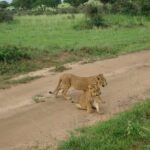
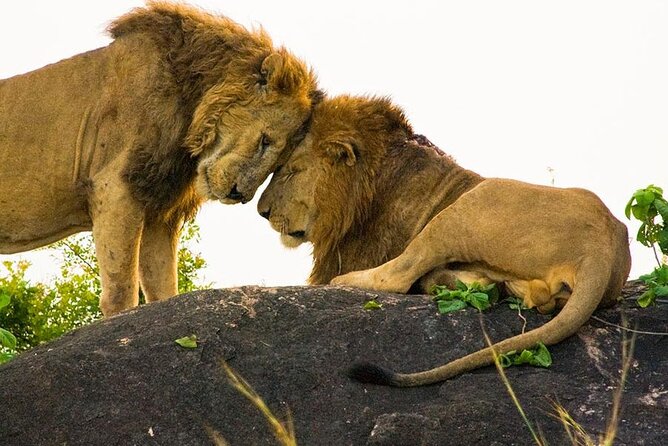
Day 6 brings the transition toward Bwindi Impenetrable Forest and includes an en-route stop in the Ishasha sector of Queen Elizabeth. This is famous for tree-climbing lions, where lionesses may nap in fig trees to avoid things like tsetse flies and to catch a cooler breeze.
What I like about this stop is that it’s not just another game drive. It’s a behavior you can’t replicate in a standard safari park, and it gives your trip a distinct signature moment before Bwindi.
You’re also told to watch the scenery and bird life in this more remote section. That matters because long drives can feel repetitive; a place with its own quirks keeps the experience fresh.
Bwindi gorilla trekking: ranger-guided, time-flexible, and emotionally loud
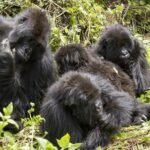
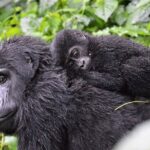
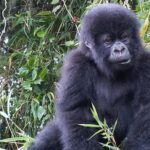
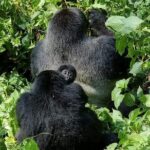
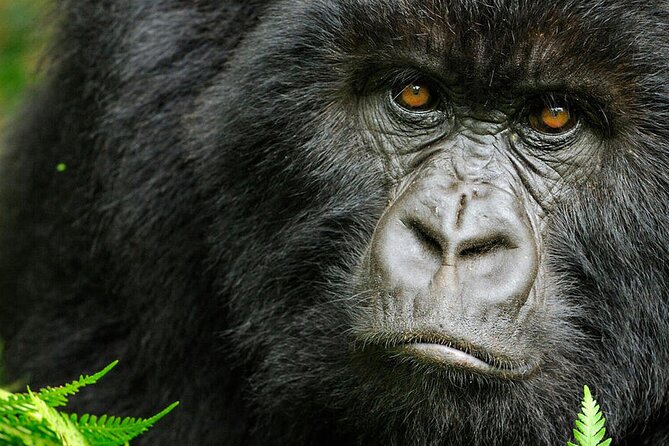
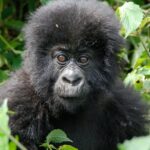
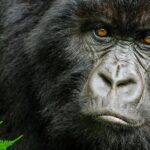
This is the day many people plan the entire trip around: gorilla trekking at Bwindi Impenetrable National Park. The tour describes Uganda as having about half of the world’s gorilla population, living in this rainforest, and the trekking is led by an experienced park ranger.
You track one of the nine habituated family groups. Depending on where the family is that day, the walk can take 2 to 7 hours. That time range is important. It means you should plan for a physically active day and not schedule anything tight right afterward.
Once you locate the gorillas, you’re given an hour to quietly observe them. That hour is usually where everything clicks. You go from thinking about logistics to focusing on behavior: movement, group dynamics, and the quiet intensity of a wild family in a dense forest.
A realistic note on expectations
Gorillas are not a zoo experience. You might see one family clearly, or you might just catch parts of the group depending on the terrain and weather. The point is the tracking day and the time in their presence, not a guaranteed “perfect” sighting at the first moment.
Lake Mburo and the road back to Entebbe: a gentler finish
On the final day, you get a change of pace with Lake Mburo National Park and a 2-hour horse ride. This is a nice contrast to the forest treks. It’s still wildlife country, but the pace is different and the scenery tends to feel more open.
After that, you head back toward Entebbe with en-route stopovers at the Uganda Equator line mark in Kayabwe for photos and the chance to pick up art. The tour finishes with arrival late afternoon or early evening for airport drop-off, which is handy for planning a comfortable onward flight.
Guides make it feel personal: Eddy, Reagan, Sedrick, and the team vibe
Private tours rise or fall on the guide. In this case, the names that come up are often linked with organization and a calm, friendly style on the road.
Eddy is repeatedly praised for keeping the plan disciplined and making the trip feel well run. Reagan also shows up in feedback as someone who makes the experience feel like visiting a friend in Uganda, with easy conversation and strong care for the group.
The owner, Sedrick, is noted as responsive during planning, and multiple guides are mentioned across other trip feedback, including David Mukasa, James, Steven, Ryan, and Wellen. You can’t control which guide you get, but you can choose the company approach: ask what guiding style they’ll match to your group and confirm your priorities early (primates, photography focus, pace).
Who this tour fits best (and who should think twice)
This is a strong fit if you want:
- A private safari with minimal logistics stress
- Primate priority: chimps in Kibale and gorillas in Bwindi
- A route that mixes game drives, boat cruising, and a behavior-focused stop like Ishasha tree lions
- A guide/driver who can handle navigation and keep the day moving
Think twice if you:
- Don’t want long walk days (gorilla trek can be 2 to 7 hours)
- Need lots of downtime
- Prefer just one base area instead of switching parks
If you’re a first-time visitor to Uganda, this itinerary also has a beginner-friendly structure. You get major regions in a logical order, and the private setup reduces the “I’m lost” feeling you can get on self-planned travel.
Should you book this 8-day Murchison, Chimp, and Gorilla trek?
I’d book it if your dream list is built around chimp trekking plus gorilla tracking, and you’re okay with a packed schedule that trades downtime for wildlife time. The Murchison mix (big-game drive plus the boat to the falls) and the Nile Delta breakfast boat safari add variety that keeps the trip from feeling like one long line of checkboxes.
If your budget stretches, this is one of those trips where paying for a private route actually makes your experience smoother. Not perfect. Wildlife never is. But it’s well structured, and the guide reputation for organization and personal attention matters on a trip this active.
Go prepared for walking days, bring patience for forest timing, and you’ll be set up for the kind of Uganda trip that stays with you longer than your best photos.
FAQ
Where does the tour start, and what time?
The meeting point is Entebbe Airport, Entebbe, Uganda, with a start time of 8:00 am.
Is this tour private?
Yes. It’s listed as a private tour/activity, meaning only your group participates.
What group size does the price cover?
Pricing is per group for up to 4 people.
What wildlife experiences are included in the route?
You’ll have wildlife time at Murchison Falls, including a game drive and a boat trip to the base of the falls; chimpanzee trekking in Kibale; gorilla trekking in Bwindi; plus game viewing in Queen Elizabeth, and a horse ride at Lake Mburo.
How long is the trip?
The duration is 8 days (approx.).
How physically demanding is it?
The tour states travelers should have moderate physical fitness. Gorilla trekking can involve a walk that takes 2 to 7 hours, depending on where the gorillas are found.
Does the itinerary include transportation between parks?
Yes. It includes round-trip transportation from Entebbe, and the plan notes that your driver handles navigation.
Are meals and accommodation included?
Yes. Meals and accommodation are included for your convenience.
Is there free cancellation?
The policy states free cancellation. You can cancel for a full refund up to 24 hours in advance of the experience start time.
Is there pickup from Entebbe?
Yes. Pickup is offered, and the tour starts at Entebbe Airport.