REVIEW · KAMPALA
10 Days Affordable Gorilla Trekking Holiday
Book on Viator →Operated by Pamoja Safaris · Bookable on Viator
Uganda delivers its best primates with serious wow power. This 10-day loop packs chimpanzees, golden monkeys, and gorillas alongside classic safari days in Queen Elizabeth and more. I love how the trip also includes community activities, not just animal time.
Two things I’d pick as the highlights: you get multiple primate permits built into the price, and the schedule is busy in a good way, with daily starts that keep you out in the wild when animals are most active. You’ll also get a professional driver/guide to handle the driving and timing, which matters a lot when days are split between forests and parks.
One drawback to think about: the days are long, and trekking (especially gorillas) means you should come with moderate physical fitness and a flexible mindset for changing forest conditions and the pace of wildlife encounters.
In This Review
- Key highlights worth knowing
- Entebbe warm-up: zoo time and a smooth arrival rhythm
- Kibale Forest chimpanzees and Bigodi community life
- Chimp trek day: permits handled, communities allocated
- Afternoon in Bigodi: crafts, coffee, and local knowledge
- Queen Elizabeth National Park: early predators, Kasenyi plains, and Kazinga Channel
- Ruboni community stop: cultural context before the game viewing
- Morning game drive: Kasenyi plains for grazers and predators
- Kazinga Channel boat safari: elephants, hippos, and bird photography
- Ishasha tree-climbing lions to Bwindi: a classic detour that can pay off big
- Bwindi gorilla trekking: how to prepare for the one-hour moment
- The pacing: trek time can be 2 to 8 hours
- Forest feel: misty mornings, abundant birds
- What you’ll love if you care about close encounters
- Mgahinga golden monkeys and a lake boat day
- Lake Mburo National Park: cycling safari plus Igongo cultural center
- Back to Entebbe: cycling wrap-up and the Uganda Equator photo
- Price and value: what $3,955 buys you in real terms
- The practical reality: long days, private-group pace, and moderate fitness
- Who should book this primate and park loop?
- Should you book the 10-day affordable gorilla trekking holiday?
- FAQ
- What parks and areas are included in this 10-day trip?
- Are gorilla, chimpanzee, and golden monkey permits included?
- Is airport transfer included?
- Does the tour include meals and accommodation?
- Is this a group tour or private?
- How physically demanding is it?
- What is the cancellation timeline for a refund?
Key highlights worth knowing

- Gorilla, chimp, and golden monkey permits are included, so you’re not piecing the trip together yourself
- Private tour setup means your group stays together and the guide can adjust timing around your pace
- Kibale + Bigodi gives you both ape time and community culture, including coffee and craft experiences
- Queen Elizabeth hits the big safari classics: early game drives and a Kazinga Channel boat safari
- Ishasha tree-climbing lions add one of Uganda’s most distinctive animal-chasing moments
Entebbe warm-up: zoo time and a smooth arrival rhythm

Most Uganda trips start with a bit of uncertainty. This one is designed to make Day 1 feel calmer: when you land at Entebbe International Airport, you’re met by a representative and transferred to your hotel for check-in and a reset. If you arrive early, you can add a short visit to Entebbe Zoo or the Entebbe Botanical Garden.
That matters more than it sounds. You get time to adjust before you jump into Uganda’s park loop. And it helps you start Day 2 ready to drive, trek, and photograph without feeling like you’re still in jet lag mode.
You can also read our reviews of more tours and experiences in Kampala.
Kibale Forest chimpanzees and Bigodi community life
Kibale Forest National Park is the warm-up act for your ape week, but it’s still a full day. You’ll drive through the countryside, with views of traditional homes and birdlife along the way, then check in near Fort Portal for lunch on the way. If you prefer to save time, there’s also an option to take a flight to the Kasese airstrip and be transferred from there.
Chimp trek day: permits handled, communities allocated
The chimpanzee trek works because the operation is orderly. After breakfast, you’ll be taken to the briefing point where your details and permits are submitted for registration and allocation to a chimpanzee community. Then a ranger leads you on the trek in search of your assigned group.
This is one of those moments where patience pays. You’re in a forest filled with motion overhead—chimps feeding, playing, and resting in the canopy. Even when you don’t spot them right away, the trek itself is part of the experience: wildlife sounds, forest paths, and the feeling that you’re tracking living behavior rather than visiting a staged exhibit.
Afternoon in Bigodi: crafts, coffee, and local knowledge
What I really like about this tour is the pivot after chimp time. In the afternoon you go to the Bigodi community experience, which gives you a look at daily life and includes activities such as a coffee experience, banana beverage-making, basket making, and time with a traditional healer. That combination makes your day feel grounded in people, not just animals.
If you’re the type who likes learning practical details—how locals make things, how families organize daily life—this is the part that tends to stay with you.
Queen Elizabeth National Park: early predators, Kasenyi plains, and Kazinga Channel

Queen Elizabeth National Park is one of Uganda’s best-balanced safari stops: open plains for wildlife spotting and water for birds and large animals. The drive from Kibale to the park is about 157 km (around 2–3 hours), with a stop at Rwenzori Mountains viewpoints along the way.
Ruboni community stop: cultural context before the game viewing
On the way in, you visit the Ruboni community area, learning about the Bakonjo people, who have lived there for over 300 years. It’s short, but it helps you understand the region you’re traveling through—why people settle where they do, and how culture fits into the wider landscape of the parks.
Morning game drive: Kasenyi plains for grazers and predators
The next morning is an early game drive in the Kasenyi plains. This timing is key. You’re out when predators and grazers are more likely to be active, and it’s also easier for photos before the sun gets harsh.
Kazinga Channel boat safari: elephants, hippos, and bird photography
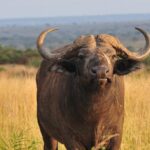
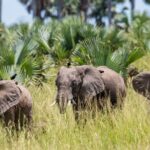
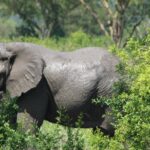
In the afternoon you switch to water with a boat safari on the Kazinga Channel, the link between Lake Edward and Lake George. This is a different kind of wildlife viewing: animals come to the water’s edge, and birds are everywhere. You’re likely to see hippos, buffaloes, elephants, and many bird species from the boat.
A practical note: plan your camera settings for both motion and quick surprises. The best moments often happen when something pops up right next to the boat line.
Ishasha tree-climbing lions to Bwindi: a classic detour that can pay off big

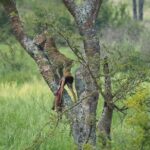
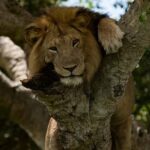
From Queen Elizabeth, you head to the Ishasha sector. After a relaxed breakfast and check-out, you go south with a short game drive in search of tree-climbing lions. If you catch it right, you’ll see lions resting in trees in the mid-day sun.
This is a safari “if the day is with you” moment. Even when lions don’t show in trees, you’re still traveling through a region where you can spot wildlife moving across the area. So the day is not a total gamble—it’s still a meaningful safari stop.
Then you continue on to Bwindi for an evening arrival, dinner, and overnight.
Bwindi gorilla trekking: how to prepare for the one-hour moment

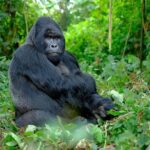
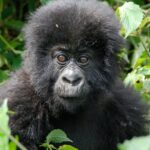
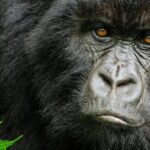
Bwindi Impenetrable National Park is built around a single promise: mountain gorillas. This park is known for having at least 400 gorillas, and your trekking day starts at 8:00am with a briefing by Uganda Wildlife Authority rangers.
The pacing: trek time can be 2 to 8 hours
After briefing, you trek through Bwindi’s hilly forest terrain until you find the gorillas. The viewing itself is limited to one hour, but the full trek can take between 2 and 8 hours, depending on where the gorillas are at that time.
That one-hour window is exactly why people do this trek. But you should think of it as the payoff after a longer day in the forest, not a quick stop. Mentally, it helps to plan for the possibility that you’ll be on your feet for hours.
Forest feel: misty mornings, abundant birds
Bwindi mornings can be misty, with a lot of birdlife and thick cover. Even when you’re waiting, the forest doesn’t feel empty. It’s active, textured, and full of small signs you’re in a living habitat.
What you’ll love if you care about close encounters
In the guide-style feedback I’ve seen, one recurring theme is how close the wildlife experience can feel—people describe getting very near gorillas and also seeing chimps, golden monkeys, and other animals on schedule. That kind of proximity doesn’t happen by accident. It comes from a well-run day and guides who keep you with the right group and location.
Mgahinga golden monkeys and a lake boat day

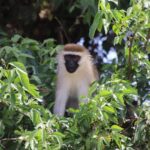
The next morning starts early for Mgahinga Gorilla National Park, where you trek for golden monkeys, an endemic species to this area. At the park headquarters, there’s a briefing before you head into the jungle.
The trek is through vegetation including bamboo and plants like giant lobelia. Your national park guide also shares history and information on the local fauna and flora, which helps you understand what you’re walking through rather than just moving through it.
After the morning trek, you return for lunch, then prepare for lake exploration by boat. This gives your body a break after trekking while still keeping the wildlife and scenery part of the day.
Lake Mburo National Park: cycling safari plus Igongo cultural center

Lake Mburo National Park is a different tempo. Instead of forest treks and primate tracking, you shift into open-country viewing and a low-impact way to move: cycling safari.
Before you get to the park, you stop en route in Mbarara for lunch and a cultural visit at Igongo Cultural Center. This break is useful because it breaks up driving time and gives your trip a change of pace—something important when you’ve already had several long days.
At Lake Mburo, you’ll enjoy cycling through areas with marshy low-lying sections and small village and smallholding routes. There are no big hills to climb, which helps keep the cycling accessible for many people who are not athletes.
Back to Entebbe: cycling wrap-up and the Uganda Equator photo

Day 10 keeps things simple. After breakfast, you do the cycling safari through the park (as described earlier), then head back to Entebbe International Airport.
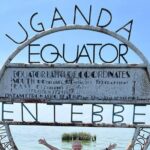
There’s one additional stop for photos at the Uganda Equator, a quick pictorial moment before your outbound flight. It’s not a long sightseeing detour—just a fun marker that your safari loop is ending the way it started: with a short, memorable stop.
Price and value: what $3,955 buys you in real terms
At $3,955 per person for 10 days, the price will feel high if you’re thinking only about “a gorilla trek.” But this tour includes far more than one primate permit.
From the included items, you get:
- Park fees for non-residents
- Accommodation (unless you choose an upgrade)
- All activities unless marked optional
- A professional driver/guide
- Transportation between stops (unless optional)
- Meals listed by day (breakfast, lunch, dinner as specified)
- Drinking water
- Gorilla permit, plus chimpanzee permit and golden monkey permit
That’s the big value piece: the primate permits are major cost drivers, and this itinerary stacks them. It also reduces the stress of building your own route, especially when you want chimp and golden monkey treks that depend on permits, ranger allocation, and timing.
What’s not included is also clear: international flights and roundtrip airport transfer. Tips are guided with a $10 per person per day guideline. Personal items and any government tax/fee increases are also excluded.
Bottom line: you’re paying for an organized, permit-heavy primate trip with classic safari days. If you’re the type who wants less planning and more time focused on the actual wildlife, the value gets easier to justify.
The practical reality: long days, private-group pace, and moderate fitness
This is a private tour/activity, meaning only your group participates. That’s a real benefit. It usually means less waiting around and more control over your day’s flow, especially on trek mornings when timing can be strict.
The tour also asks for moderate physical fitness. That’s fair. You’re doing forest treks and a one-hour gorilla viewing that comes after potentially longer time moving in terrain. Even if the itinerary includes relaxed breaks—like lodge time and boat safari—your “workout” happens when you step into the forest.
If you’re prone to rushing or want a fully predictable minute-by-minute day, gorilla and primate treks may challenge your expectations. Wildlife timing doesn’t care about your schedule.
Who should book this primate and park loop?
You’ll likely love this tour if:
- You want multiple primate experiences (chimpanzees, golden monkeys, gorillas) in one trip
- You care about combining wildlife with community experiences like Bigodi and Ruboni
- You enjoy classic safari variety: plains game drives, boat safaris, and a cycling safari
You might want to think twice if:
- You prefer short, easy days with minimal walking in forests
- You’re on a tight schedule and cannot absorb flexible trek timing
Also, if you’re someone who values the guide’s role, this itinerary has a good track record: guides like Claire, Fred, Sebbi, and Charles are specifically praised for keeping things organized and making the time feel smoother and more enjoyable.
Should you book the 10-day affordable gorilla trekking holiday?
If your goal is a well-structured Uganda primate safari that doesn’t make you juggle permits, this is a strong option. The big selling point is simple: you’re not choosing between chimp, golden monkey, or gorillas—you’re doing all three, then adding safari variety in Queen Elizabeth, Ishasha, and Lake Mburo.
I’d book it if you can handle trekking days and you like the idea of a private, guide-led pace with community moments built in. And if you’re the kind of traveler who wants the chance of very close animal viewing—without needing to plan every logistics step yourself—this itinerary is designed for that.
FAQ
What parks and areas are included in this 10-day trip?
You visit Entebbe, Kibale Forest National Park, Queen Elizabeth National Park (including Kasenyi and Kazinga Channel), the Ishasha sector, Bwindi Impenetrable National Park, Mgahinga Gorilla National Park, Lake Mburo National Park, and you pass through Mbarara and Igongo Cultural Center.
Are gorilla, chimpanzee, and golden monkey permits included?
Yes. The price includes the gorilla permit, chimpanzee permit, and golden monkey permit.
Is airport transfer included?
Roundtrip airport transfer is not included. The tour does mention a representative meeting you after arrival at Entebbe Airport and transferring you to your booked hotel on Day 1.
Does the tour include meals and accommodation?
Yes. The tour includes accommodation (unless listed as an upgrade) and meals as specified in the day-by-day schedule, with breakfast (9), lunch (9), and dinner (9).
Is this a group tour or private?
It’s a private tour/activity. Only your group participates.
How physically demanding is it?
The tour indicates travelers should have a moderate physical fitness level, since there are trekking activities including chimpanzees and gorillas.
What is the cancellation timeline for a refund?
You can cancel up to 6 days in advance for a full refund. If you cancel 2–6 days before the start time, you receive a 50% refund. Less than 2 days before the start time is not refundable.