REVIEW · KAMPALA
8-Day Murchison Falls, Chimp and Epic Gorilla Trekking Safari
Book on Viator →Operated by Home To Africa Tours and Travel · Bookable on Viator
One sentence after landing, you’re already chasing wildlife. This private 8-day route strings together Murchison Falls, Kibale Forest, Queen Elizabeth, and Bwindi, with extra chances at rhinos and those headline primates. You get park time built around early starts, game drives, and water-based viewing.
Two things I really like: the mix of big-game viewing plus primate trekking gives you variety every day, and the “you just show up” setup means meals, hotels, transfers, and boat trips are handled for you. One consideration: the headline primate permits are extra, so your final budget won’t match the headline price.
In This Review
- Key takeaways before you go
- The smarter way to plan Uganda primates and big game in 8 days
- Day 1: Entebbe pickup, then Zziwa Rhino Sanctuary for that first tracking hit
- Day 2: Murchison morning game drive, then a 3-hour boat trip to the falls
- Day 3: Leaving Murchison and targeting Kibale’s primate-rich forest
- Day 4: Chimp trekking in Kibale at 8:00am, with the full 1-hour encounter
- Day 5: Queen Elizabeth game drive plus a Kazinga Channel launch trip
- Day 6: Isasha sector drive for the tree-climbing lions stop
- Day 7: Bwindi gorilla trekking, then Lake Bunyonyi for a breather
- Day 8: Bunyonyi views, then back to Entebbe for your flight
- Price and value: what $3,598 really covers (and what it doesn’t)
- Guides, organization, and the names that keep showing up
- Comfort, pacing, and what to pack for primates plus savannah
- Should you book this 8-day Uganda safari?
- FAQ
- What does the package price include?
- Are chimp and gorilla trekking permits included?
- Where does the safari start and end?
- Is this a private safari?
- What time does chimp trekking start?
- What activities are included beyond trekking?
- What’s the minimum age and physical fitness level?
- Is there free cancellation?
Key takeaways before you go
- Rhino tracking in Zziwa is a focused warm-up before Murchison’s bigger wildlife game
- Two major boat days (Murchison Falls and the Kazinga Channel) add sightings when roads slow down
- Chimp trekking is time-sensitive with an 8:00am start and strict rules
- Gorilla trekking in Bwindi is the big emotional payoff of the trip
- Isasha’s tree-climbing lions are a nice niche stop if you time it right
- Your driver-guide handles the whole circuit, which matters on long Uganda roads
The smarter way to plan Uganda primates and big game in 8 days
This is the kind of safari route that makes sense if you want Uganda’s best wildlife in one go, not one park at a time. You’re moving through four major protected areas, and each one has a distinct “vibe” for sightings: savannah at Murchison, primate-rich forest at Kibale, classic park scenery at Queen Elizabeth, and gorilla country in Bwindi.
What makes it practical is that the itinerary doesn’t only “check boxes.” It keeps stacking the day with different viewing types: drives, cruises, and forest trekking. That boosts your odds, because wildlife viewing often comes down to timing, weather, and where animals decide to be at that exact moment.
And yes, you are trading some calm down-time for variety. If your dream is slow travel with long scenic hangs, you might find the pace busy. If your dream is sightings, this format is built for you.
You can also read our reviews of more tours and experiences in Kampala.
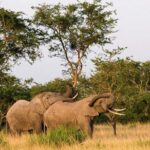
Day 1: Entebbe pickup, then Zziwa Rhino Sanctuary for that first tracking hit
Your trip starts with pickup from Entebbe International Airport. Then you hit the road toward Murchison Falls National Park, with a detour stop at Zziwa Rhino Sanctuary for about an hour of rhino tracking.
That rhino block is a smart first move. It gives you a “serious wildlife” start before you even reach Murchison. You’re also warming up to how Uganda tracking works: ranger briefing, rules to follow, and that mix of waiting plus sudden action.
Practical tip: keep your camera ready but follow your guide’s instructions first. In tracking settings, where you stand and when you move matters as much as the animals themselves.
Day 2: Murchison morning game drive, then a 3-hour boat trip to the falls
Day two runs two different viewing styles back to back.
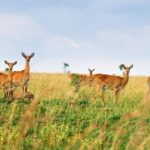
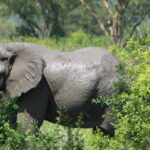
In the morning, you’ll do a game drive in the northern section of Murchison Falls. This area is known for strong savannah wildlife concentration, and you’re looking for animals like elephants, buffalos, waterbucks, giraffes, Uganda kob, and lions. There’s also a chance at leopards if luck is on your side, plus lots of birds.
In the afternoon, you switch to water viewing with a 3-hour boat trip to the base of the falls. Boats are not a luxury add-on here. They can be some of the best hours for animal sightings because wildlife gathers near water routes, and the views are simply different from the road.
One thing to plan for: you’ll likely be out for long blocks of time. Bring layers. Uganda weather can shift, and being comfortable makes it easier to stay focused when something interesting happens.
Day 3: Leaving Murchison and targeting Kibale’s primate-rich forest
After breakfast, you leave Murchison and head to Kibale Forest National Park.
There’s an interesting fork in the day. You can go to the top of the falls if you didn’t hike earlier. If you prefer to move straight on, you depart right after breakfast. Either way, you get a chance to see the falls from an elevated viewpoint.
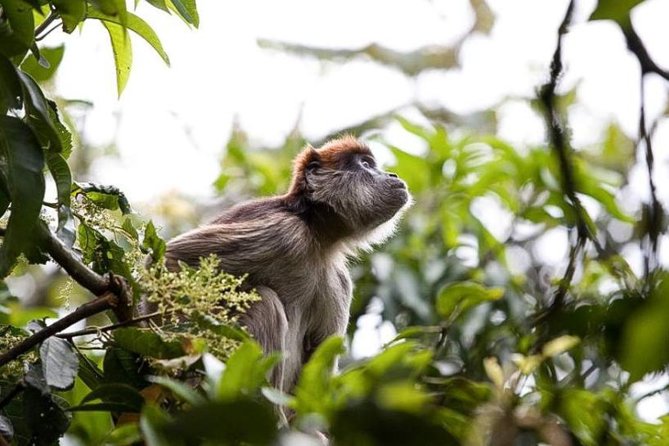
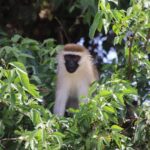
Then it’s on to Kibale, which is famous for primates. You’ll be thinking chimpanzees first, but the bigger idea is that this forest systems supports a whole community: colobus monkeys, mangabeys, and red-tailed monkeys.
This day is useful because it changes your brain from savannah scan mode into forest tracking mode. That transition matters, because chimp and monkey viewing is slower, quieter, and more rule-based.
Day 4: Chimp trekking in Kibale at 8:00am, with the full 1-hour encounter
The chimp trek is the big day in Kibale.
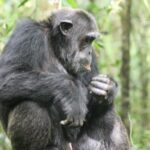
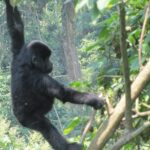
You’ll have an early start, with the activity beginning at 8:00am. There’s a briefing first about the trekking rules, then you go searching in the forest. Once you locate the chimpanzees, you get a full hour with them.
That hour is the heart of the experience. It’s long enough to watch behavior, not just grab a quick sighting. But it also means you should be mentally ready for the forest to feel immersive and time to move differently. You’re not in a stadium. You’re in their space, following ranger direction.
What helps most on trek days is good behavior: stay quiet, keep your space, and keep your eyes open for movement. I’d also plan on dust, insects, and uneven ground. Moderate fitness is required, and you’ll feel it more than you think once you’re walking through forest terrain.
After the trek, you return for lunch, then you continue on to Queen Elizabeth National Park.
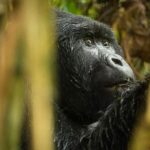
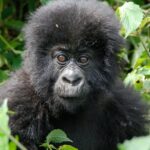
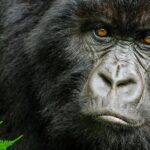
Day 5: Queen Elizabeth game drive plus a Kazinga Channel launch trip
Day five keeps the momentum with two strong viewing blocks.
First: a morning game drive in Queen Elizabeth. You’re building the classic safari list again—thinking big cats, herbivores, and birds, depending on what the day puts in front of you.
Then: a boat or launch trip along the Kazinga Channel. This is part of why Queen Elizabeth is so popular. The channel becomes a meeting point for animals, and the boat angle gives you different sightlines than a vehicle.
This “road then water” day is also a good stamina plan. If the morning drives tire you, the cruise can feel easier, even though it’s still active viewing.
Day 6: Isasha sector drive for the tree-climbing lions stop
You exit Queen and transfer to Bwindi with an en-route stop in the Isasha area of Queen Elizabeth National Park.
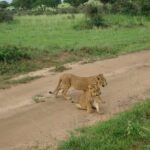
Isasha is specifically known for resident tree-climbing lions. That’s a quirky detail, but it matters because it shapes your expectations. You’re not just hoping for a lion sighting; you’re hoping for the chance to see lions behaving in a very unusual way.
Because you’re moving on to Bwindi the same day, you may feel like it’s a “hit this now, then continue” rhythm. Still, it’s one of the reasons the itinerary feels more than generic.
Day 7: Bwindi gorilla trekking, then Lake Bunyonyi for a breather
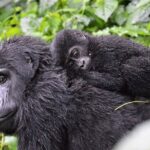
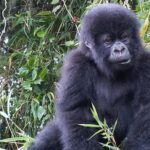
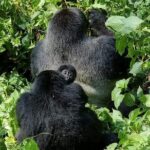
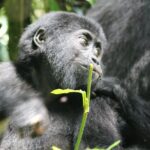
This is the day most people plan for: gorilla trekking in Bwindi Impenetrable National Park.
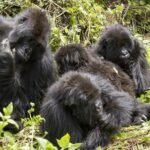
You’ll start early with breakfast and then a briefing by the ranger guide. Then you enter the gorilla sanctuary for your trek. Once you’re through the rules and the search begins, it becomes all about patience and careful movement.
After the trek, you return to your lodge for the rest of the day’s comfort pieces. Lunch comes first, then you check out for a transfer to Lake Bunyonyi.
This shift is smart. Lake Bunyonyi is where you catch your breath. You get a relaxed end to a physically and emotionally intense day, with time to slow down and enjoy the views from your accommodation.
Day 8: Bunyonyi views, then back to Entebbe for your flight
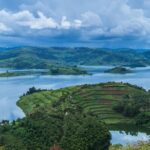
On departure day, you start with breakfast at your accommodation, with Bunyonyi’s little islands just in front of you.
Then you transfer back to Entebbe Airport. This is a straightforward finish designed to get you safely into flight time without turning the last morning into another long trek.
If you’re sensitive to travel fatigue, I’d treat day eight like a rest day in your head. You’re already done with the hardest parts. The goal now is smooth, unhurried movement to the airport.
Price and value: what $3,598 really covers (and what it doesn’t)
The headline price is $3,598 per person for the 8-day package. That can feel steep until you break down what’s included.
You’re paying for:
- meals and accommodation across the itinerary
- all ground transportation in a comfortable safari vehicle
- a full-time English-speaking driver-guide
- boat trips as scheduled (Murchison and Kazinga Channel)
- airport and hotel pickup/drop-off
- landing and facility fees
- fuel surcharge
- bottled water during safari days, plus coffee and/or tea
What’s not included is the biggest line-item surprise: chimp trekking permits (USD 150) and gorilla trekking permits (USD 600).
So the real value question is this: if you were pricing out separate transport, lodging, and the two boat experiences, this package becomes easier to justify. You’re also buying time efficiency—getting stitched park-to-park with logistics handled.
If your budget is tight and you’re hoping to do chimps and gorillas without extra costs, you’ll want to plan for those permit amounts from the start.
Guides, organization, and the names that keep showing up
The operator behind this itinerary is Home To Africa Tours and Travel, and the most repeated theme in the experience stories is smooth execution.
Guide names that come up again and again include Derrick and Benon, with Vianney, Augustine, and Karim also mentioned in other experiences. The common thread is clear: people remember the guide who kept things moving and explained what you were seeing, from animal behavior to how to get the best viewing on water.
Even without “flashy” extras, this kind of trip lives or dies by timing. When you’re doing an 8:00am chimp trek and multiple transfer days, a driver-guide who manages the schedule matters.
Comfort, pacing, and what to pack for primates plus savannah
The itinerary calls for moderate physical fitness. That’s a helpful phrase because it tells you what to expect: forest treks aren’t a gentle stroll. You’ll be walking on uneven ground, and you’ll need the stamina to handle both tracking days and long travel days.
A few practical ideas that fit what’s on your schedule:
- Sturdy shoes for forest trekking and park roads
- Light rain protection because outdoor time happens every day
- Layers for morning game drives and boat trips when temps can feel different
- Binoculars if you have them, since birds and distant wildlife are part of the viewing mix
- A small day bag for water and essentials (you’ll have bottled water, but you still want your own comfort items)
Also remember the drinks policy: all drinks except water aren’t included. That’s fine, just don’t assume soda or alcohol is built into the package.
Should you book this 8-day Uganda safari?
Book it if you want:
- one tight circuit that includes rhinos, chimps, gorillas, and big-game viewing
- boat days that add viewing options beyond vehicles
- a private experience with hotel stays and meals handled
- a plan that balances forest trekking with savannah game drives
Skip or rethink it if:
- you want fewer transfers and a slower pace
- you’re very budget-focused and don’t want to add chimp and gorilla permit costs on top
- you prefer to manage logistics yourself
If you’re in the sweet spot—ready for early mornings, forest rules, and wildlife viewing across multiple ecosystems—this is a strong way to see Uganda’s signature animals without wasting days in transit chaos.
FAQ
What does the package price include?
The price includes all meals and accommodation as per the itinerary, ground transportation in a comfortable safari vehicle, services of a full-time English-speaking driver/guide, water while on safari, the boat trips listed in the itinerary, and all airport/hotel pick-up and drop off. It also includes landing and facility fees, fuel surcharge, and coffee and/or tea.
Are chimp and gorilla trekking permits included?
No. Chimp permits cost USD 150 and gorilla permits cost USD 600, and they are not included in the package price.
Where does the safari start and end?
The start and end point is Entebbe Airport. You’re picked up at Entebbe International Airport on day one and returned to Entebbe Airport on day eight.
Is this a private safari?
Yes. It’s a private tour/activity, meaning only your group participates.
What time does chimp trekking start?
Chimp trekking in Kibale is scheduled to begin at 8:00am, after a briefing about trekking rules.
What activities are included beyond trekking?
The itinerary includes morning and afternoon game drives, a boat trip to the base of Murchison Falls, and a launch/boat trip along the Kazinga Channel.
What’s the minimum age and physical fitness level?
The minimum age is 15, and travelers should have a moderate physical fitness level.
Is there free cancellation?
Yes. You can cancel up to 24 hours in advance for a full refund, with the cut-off based on the experience’s local time.