REVIEW · MOUNT ETNA
Etna: summit craters trekking with volcano guide 3350mt
Book on GetYourGuide →Operated by Ashàra Etna & Stromboli Guides · Bookable on GetYourGuide
Etna feels close to another planet. This summit-craters trek pairs cable car and 4×4 rides with a real, on-foot look at the rim of an active volcano, led by a certified volcano guide. I love that you’re not just sightseeing from a bus stop. You’re walking where the geology shows itself—gas emissions, sulfur tones, and the crater walls falling away beneath you.
Two things I like a lot: first, the guided crater-rim walk is built for photos and understanding, not just for checking a box. Second, the day blends transport comfort (cable car and jeep 4×4 up to 2,800 m) with a hike that still feels wild and personal. In the hands of guides like Antonio, Massimo, Giacomo, Max, Giovanni, and Nello, the tone is usually friendly, safety-first, and heavy on practical volcanic explanations.
One drawback to plan for: this is on an active volcano, so reaching the exact top height can change on the day. Strong winds or volcanic conditions can shift the route, sometimes stopping short (often around 3,000 m) or swapping in alternative viewpoints.
In This Review
- Key points that make this Etna trek worth your time
- Etna’s 3350 m summit craters: what makes this hike special
- Meeting at Rifugio Sapienza and getting up the mountain fast
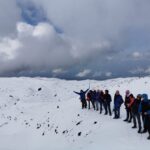
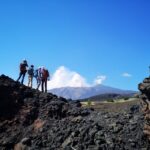
- The hike up from 2,800 m: lava flows, big air, and photo stops
- Central Crater rim walk: where the views become the lesson
- Barbagallo craters, lava channels, and Valle del Bove on the way down
- Cable car return at 2,500 m: planning for cold and wind
- Gear and safety on an active volcano day
- Price and logistics: is it good value after paying the add-on tickets?
- Who this Etna summit craters trek is for (and who should skip)
- Practical tips that make your rim walk easier
- Should you book the Etna 3350 m summit craters trek?
- FAQ
- How long is the Etna summit craters trekking tour?
- Where do I meet for the tour?
- Are the cable car and 4×4 tickets included in the price?
- What if the tour cannot reach the summit craters?
- What’s included in the tour price?
- What languages are the guides?
- What should I bring for the hike?
- Is the tour suitable for kids or everyone with health issues?
Key points that make this Etna trek worth your time
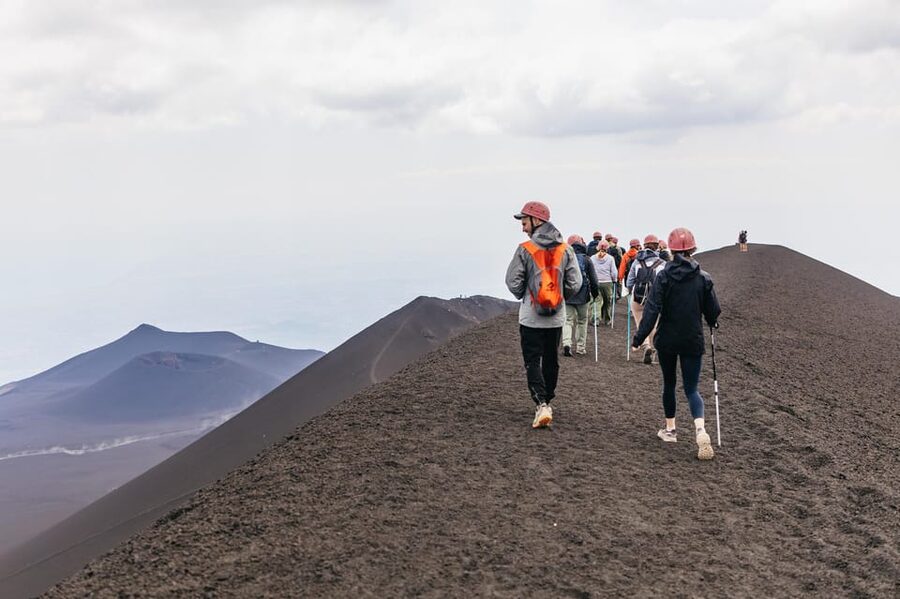
- Cable car + 4×4 ride gets you high fast, then you earn the summit views on foot
- Central Crater rim time means real crater-scale sightlines and strong photo opportunities
- Lava-channel and Valle del Bove stops add variety beyond the main craters
- Your guide is the point: geology lessons plus pace and safety decisions day-by-day
- Gear is included (boots, helmet, walking sticks), which saves hassle and money
Etna’s 3350 m summit craters: what makes this hike special
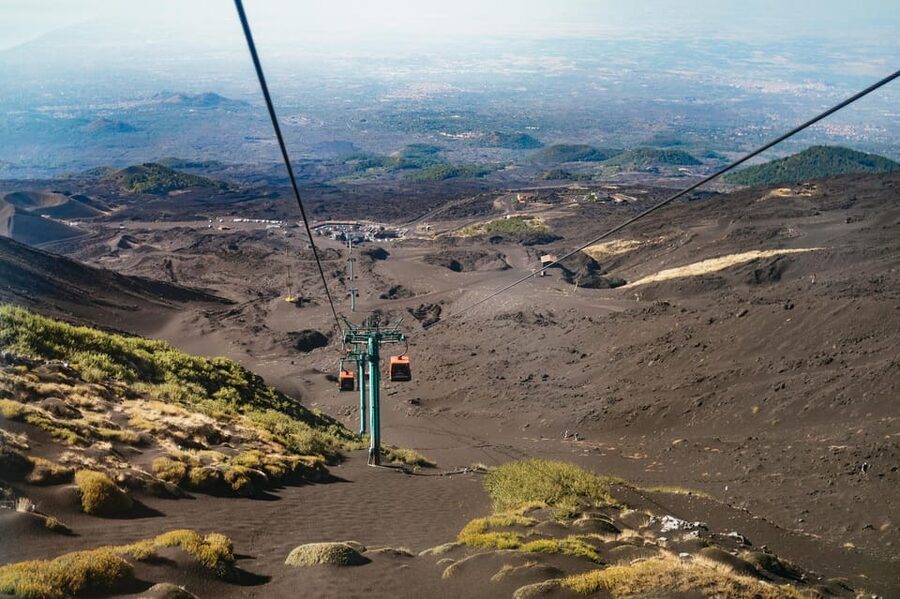
This trip is all about the summit craters—where you can stand on the rim of Etna’s active world and look down into how the mountain is built. You’ll walk through places described as lava-channel passages and lunar-like terrain, plus viewpoints toward the Northeast and Southeast Craters.
The part I’d put first is the crater-rim experience. You get time for a guided walk that’s meant for both sight and learning. You’re not just staring at a volcano; you’re seeing how eruptions and pressure shape what’s in front of you.
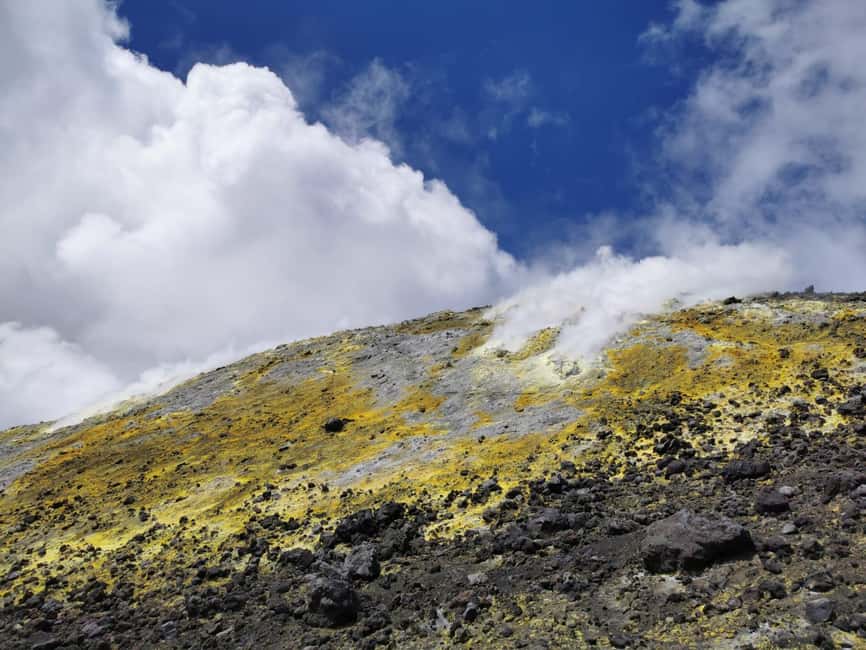
The second big draw is how active volcano elements show up in the details. Expect descriptions of gas emissions, volcanic bombs, and striking ground colors linked to sulfur and other elements. Even when you’re not a science person, it’s the kind of scene that makes you ask questions—and your guide is there for that.
You can also read our reviews of more tours and experiences in Mount Etna.
Meeting at Rifugio Sapienza and getting up the mountain fast
You meet at Ashàra Volcanological Guides’ info point at Rifugio Sapienza (Etna South side), near the Terrazza dell’Etna restaurant. From there, the start is built around getting elevation quickly and efficiently.
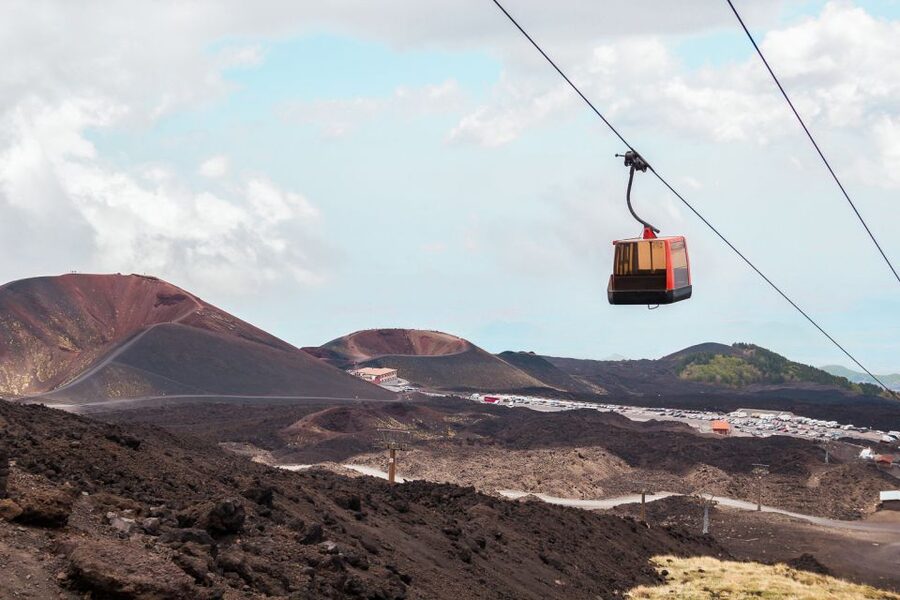
You’ll do a cable car ride first (about 25 minutes), then a jeep or SUV 4×4 segment (about 30 minutes) to reach roughly 2,800 m. The day then shifts into walking mode with guided stops and a main hike to the summit crater area.
One practical plus: the tour includes helping you avoid the worst ticket-line stress for the cable car. Still, remember that the cable car and 4×4 transport tickets are not included in the base price, and you’ll pay them in cash on the spot.
The hike up from 2,800 m: lava flows, big air, and photo stops
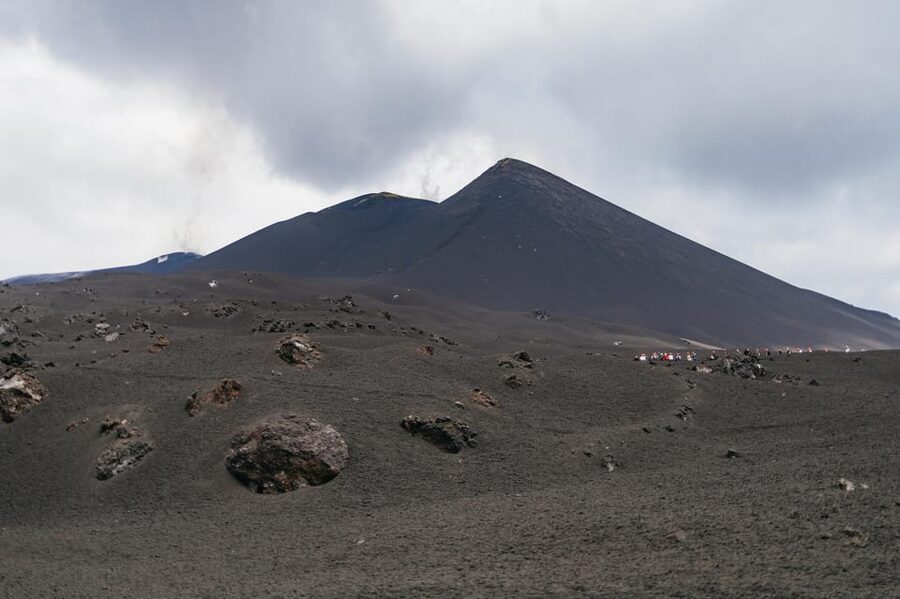
Once you’re up around 2,800 m, the walking portion starts and usually lasts about two hours toward the summit craters. The terrain is described as sandy or uneven in places, and the hike is aimed at medium to high difficulty for moderately trained hikers.
What helps most: the route is planned around photo pauses and viewpoint moments, not nonstop grinding. On days with good visibility, you’ll enjoy broad panoramas—especially toward the Ionian coast.
You should also expect the air and footing to add effort. Reviews mention people feeling the altitude and cold/wind effects even when the base area is warm. That means your pace matters more than your fitness level.
A small but important detail: when volcanic activity changes the plan, your guide may adjust how far up you can go, so don’t plan the day like it’s a guaranteed ticket to the absolute top point.
Central Crater rim walk: where the views become the lesson
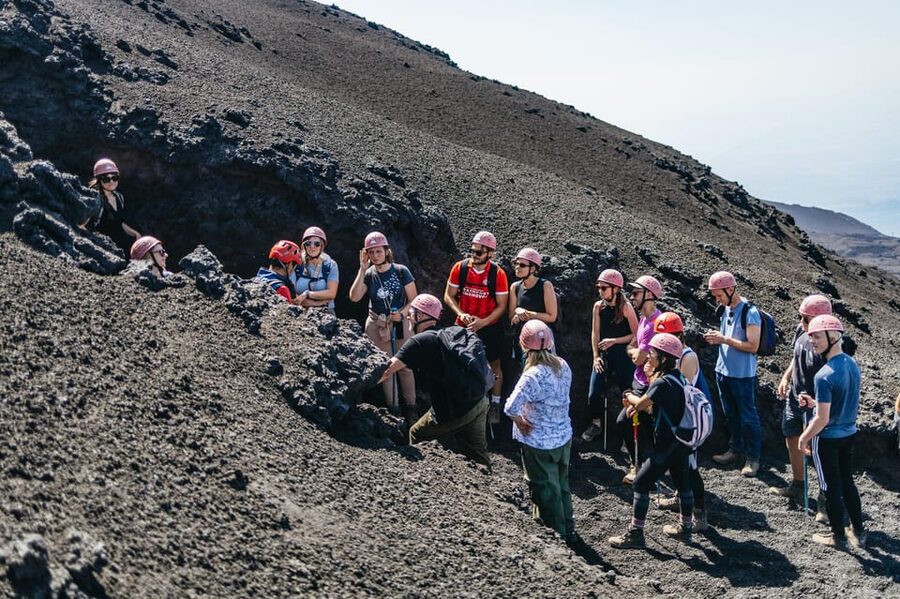
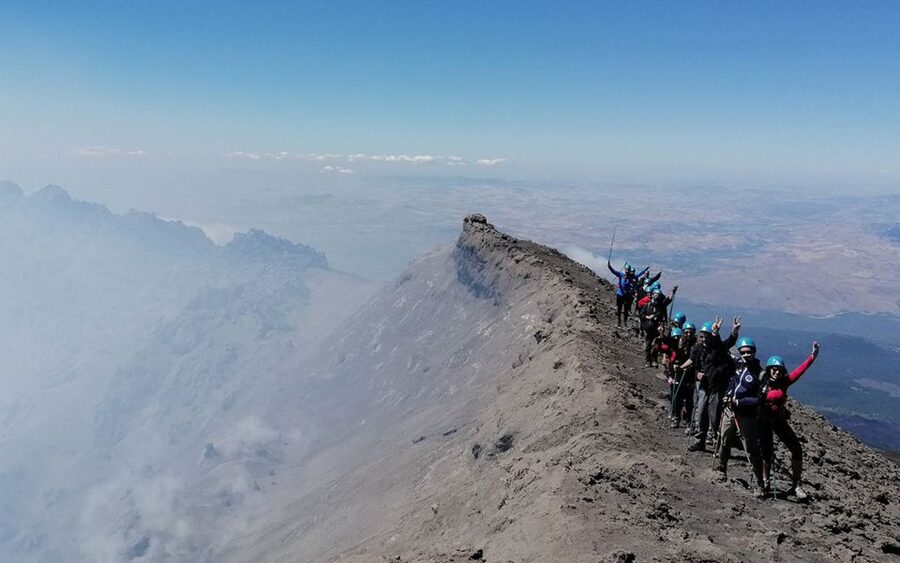
This is the core moment of the day: walking on the rim of the Central Crater with spectacular views toward the Northeast Crater and Southeast Crater. The Southeast Crater is specifically called out as responsible for some of the most recent and impressive eruptions, which gives context to what you’re seeing.
Your guide also uses the rim time to connect geology to reality. You’ll get explanations about volcanic history and how active volcano systems work. In reviews, guides like Antonio and Massimo come up often for being safety-conscious and genuinely interested in sharing what’s going on.
On this rim walk, the visuals aren’t just wide-open landscapes. You’re looking at textures and materials that can include gas-emitting spots and areas with volcanic fragments. The guide’s job here is to help you understand what you’re seeing without turning it into a lecture.
And yes, it’s also photo time. Build your plan around that. Take advantage of stops rather than trying to shoot while you’re rushing.
Barbagallo craters, lava channels, and Valle del Bove on the way down
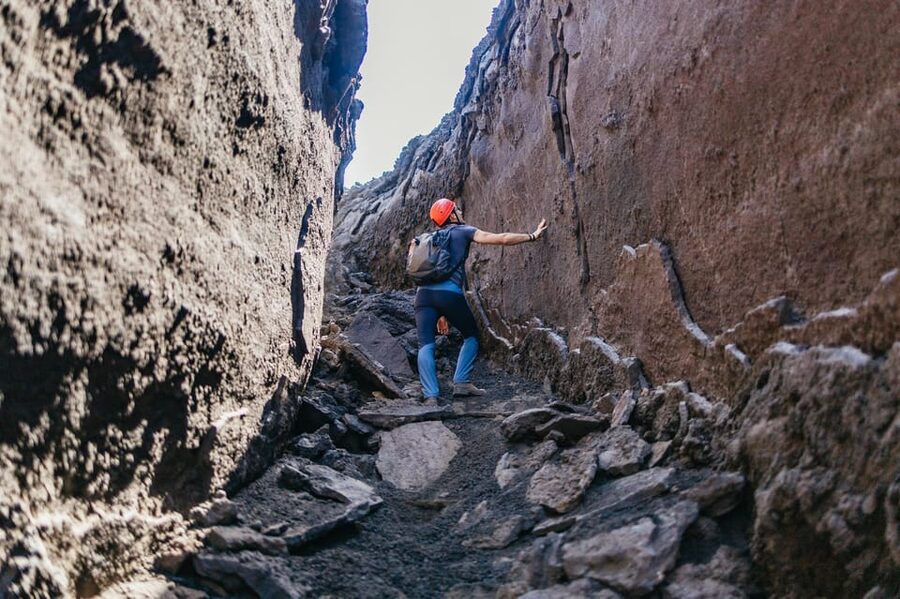
After the crater area, the descent includes a shift in scenery. You’ll visit the Barbagallo craters, then cross a lava channel and admire Valle del Bove.
Valle del Bove is one of those places that makes you understand why Etna is often described as dramatic and strange. You’re walking through a terrain shaped by eruption patterns, with views that feel more like a terrain model than a normal mountain trail.
This part of the day is also where footing and wind can play tricks. It’s worth keeping your eyes on the ground as much as the skyline. A guide who has done this repeatedly will pace you in a way that keeps everyone moving safely, including people who find uneven ground tiring.
If you’re the kind of person who likes variety, this section matters. It turns the hike from single-location crater viewing into a fuller Etna story.
Cable car return at 2,500 m: planning for cold and wind
After the descent segment—about an hour for the Valle del Bove area—the day loops back to the cable car. The second cable car segment is about 25 minutes, and it returns you to the starting area.
This is one of those times when conditions can surprise you. Multiple reviews mention cold, strong wind, and the feeling that you need more than just a summer T-shirt. Even if it’s warm in Catania, the summit area can feel sharp and chilly fast.
Bring a jacket and plan for layers. A warm hat helps more than you think, and long pants are part of what keeps you comfortable when the wind steals heat.
Also, remember that you might stop short of the planned highest summit point depending on volcanic risk on the day. If the craters are restricted, the route continues up to the maximum altitude allowed—so you still get a strong day, just not a carbon-copy of the ideal itinerary.
Gear and safety on an active volcano day
This tour includes hiking boots, rock helmet, and walking sticks. In reviews, I’ve also seen mention of extra help like winter jackets or even crampon-style gear on snowy days, depending on conditions. The point is: you’re not stuck showing up with sneakers and hoping for the best.
Difficulty is the other side of safety. The hike is described as moderately trained friendly, but medium to high difficulty because of sandy and uneven ground. You’ll want trekking poles if you naturally use them—many people find poles make descents feel less brutal.
Safety decisions are part of the experience. Your guide is authorized to stop the excursion for safety risks or physical concerns, and your route can vary based on weather and volcanic activity. That’s not a marketing promise—it’s the reality of hiking an active system.
One more safety note that comes up in reviews: strong wind can make the final push tricky. That doesn’t automatically mean the day is ruined. It often means your guide swaps timing, altitude goals, or alternate viewpoints to keep you safe.
Price and logistics: is it good value after paying the add-on tickets?
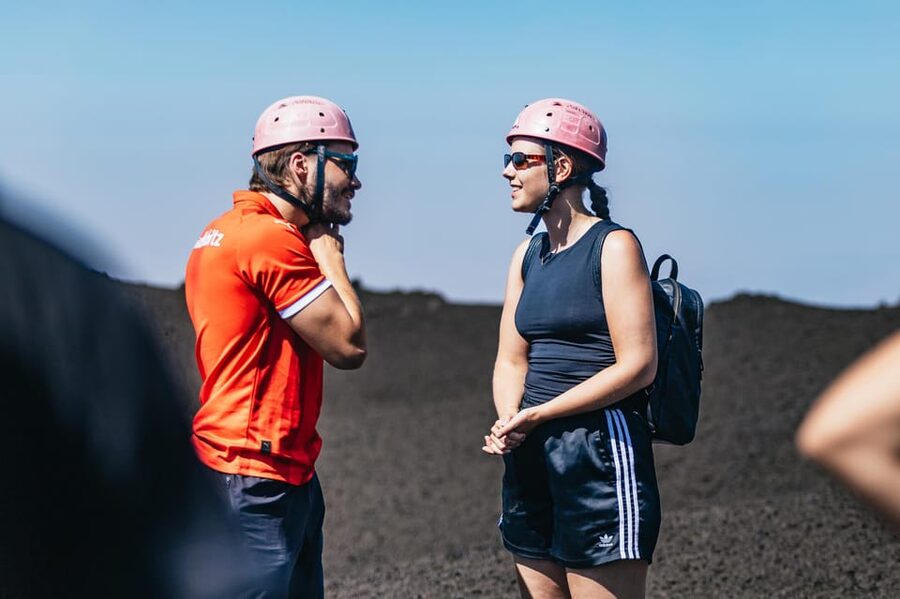
The base price listed is $77 per person, for a 6-hour experience with a volcano or alpine multilingual guide and included hiking gear (boots, helmet, walking sticks) plus RCT insurance.
But there’s a key cost add-on you need to plan for: the cable car and 4×4 jeep tickets are €65 per person, paid in cash on the spot. If volcanic conditions prevent going all the way, you may stop at 3000 m and take only the cable car for €52 per person.
So what’s the value? To me, this is better than many Etna tours because:
- You pay for a certified volcano guide rather than only a transport-and-wait experience
- Gear is included, meaning you don’t need to rent boots or buy a helmet for the day
- The itinerary is built around a summit-rim walk and geology stops, not just driving viewpoints
Could it feel expensive if you compare to a basic bus ride? Sure. But if you care about crater access, volcanic context, and actually moving around the summit zone, it’s the kind of day that can justify the total cost.
Who this Etna summit craters trek is for (and who should skip)
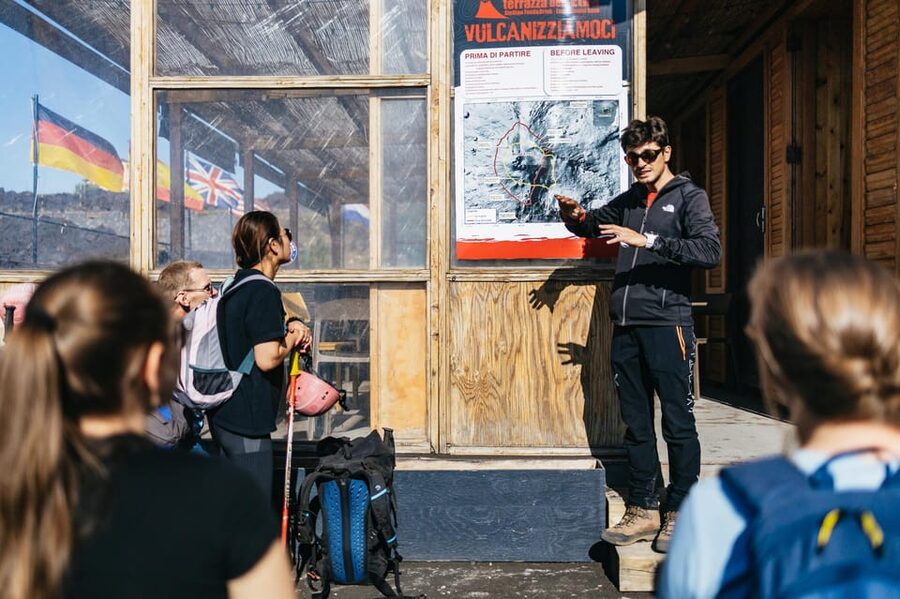
This tour is described as moderately trained friendly, but not gentle. It’s not suitable for children under 11, pregnant women, people with back problems, heart problems, vertigo, respiratory issues, or high blood pressure.
If you have any concern about altitude, wind intensity, or uneven footing, take that seriously. Reviews also emphasize cold and exertion at altitude, and a slower pace helps.
On the plus side, many groups seem to be comfortable with the difficulty level once they come prepared. Guides are often praised for adjusting pace, offering help when someone struggles, and keeping the group together without rushing.
Group size can also vary. Some reviews mention smaller groups of around 10, while others mention larger groups closer to 25. Either way, the guide’s pace and safety focus are what will shape your day.
Practical tips that make your rim walk easier
A good day starts before you reach the craters. Here’s how to stack the odds in your favor:
- Bring food and water (you’ll want snacks during the hike and a packed lunch if you’re using that plan)
- Wear long pants and socks that won’t hate you on sandy or gravelly ground
- Add sunscreen and sunglasses—the summit can be bright even with wind
- Don’t forget a daypack around 10–20L
- Plan layers: a jacket matters, plus an extra T-shirt and warm hat
One more thing: gloves. The provided list doesn’t call them out, but multiple reviews recommend extra warmth items for wind. Also, consider a face covering if conditions feel dusty or windy near the sulfur areas.
Should you book the Etna 3350 m summit craters trek?
If your goal is a real crater-rim experience with a certified guide who explains what you’re seeing, I think this is a strong choice. The mix of cable car + 4×4 gets you high quickly, and the walking portions are where the day becomes memorable.
Book it if you:
- Want geology context, not just views
- Can handle cold wind and uneven terrain
- Are okay with itinerary changes because the volcano is active
Skip it if you:
- Don’t handle altitude well
- Have vertigo, heart, respiratory, or serious back issues
- Want a completely predictable route with guaranteed access to the very top that day
If you’re deciding between a quick Etna stop and a full summit-craters hike, choose this. It’s the difference between looking at a volcano and understanding it—one step at a time.
FAQ
How long is the Etna summit craters trekking tour?
The duration is listed as 6 hours.
Where do I meet for the tour?
You meet at Ashàra Volcanological Guides’ info point located at Rifugio Sapienza (Etna South side), near the Terrazza dell’Etna restaurant.
Are the cable car and 4×4 tickets included in the price?
No. The cable car and 4×4 jeep tickets are not included. They cost €65 per person and are paid in cash on the spot.
What if the tour cannot reach the summit craters?
If volcanic activity doesn’t allow reaching the top, the tour may stop at 3000 m and take only the cable car for €52 per person. If craters are forbidden, the itinerary changes and continues up to the maximum altitude allowed.
What’s included in the tour price?
Included are the hiking tour, a volcano or alpine multilingual guide, hiking boots, RCT insurance, a rock helmet, and walking sticks.
What languages are the guides?
The tour guide languages listed are French, English, and Italian.
What should I bring for the hike?
Bring sunglasses, a sun hat, food and drinks, snacks, sunscreen, water, a jacket, a T-shirt, long pants, socks, and a daypack.
Is the tour suitable for kids or everyone with health issues?
It’s not suitable for children under 11. It’s also listed as not suitable for people who are pregnant or who have back problems, heart problems, vertigo, respiratory issues, or high blood pressure.