REVIEW · MOUNT ETNA
Mount Etna: Summit Trek with Cable Car and snack included
Book on GetYourGuide →Operated by Kemedia · Bookable on GetYourGuide
Etna turns your hiking boots into science tools. This summit trek on Europe’s highest active volcano takes you up above 2,500 meters and brings you face-to-face with active crater terrain and sharp views out over eastern Sicily.
I really like the alpinist-style leadership and the way guides such as Pietro and Vicenzo keep the pace steady while explaining the mountain in plain language. I also like that you get practical gear and a simple reset snack mid-tour, so you’re not trying to improvise at altitude.
One thing to think about: this hike is weather-dependent and the ground can be steep and rocky, with a fairly demanding level of fitness needed.
In This Review
- Key things to know before you go
- Meeting at Euro Etna Tourism: getting set up on Etna’s south side
- Cable Car Rise: the shortcut that also shapes your hike
- Cratere Centrale dell’Etna Trek: what the summit walk really feels like
- Eastern Sicily views: why this volcano hike feels different
- Gear and snack at altitude: the included comforts that matter
- The descent through recent eruption craters
- Price and value: what $109.89 includes, and what to confirm
- Who this Etna summit trek suits (and who should skip it)
- Language, pace, and safety: how the day stays manageable
- Should you book this Mount Etna summit trek with cable car and snack?
- FAQ
- How long is the Etna summit trek?
- Where do I meet the guide?
- What’s included in the price?
- What should I bring to stay comfortable?
- Are there different languages for the tour?
- Is the tour suitable for everyone?
- Does the tour depend on weather?
Key things to know before you go
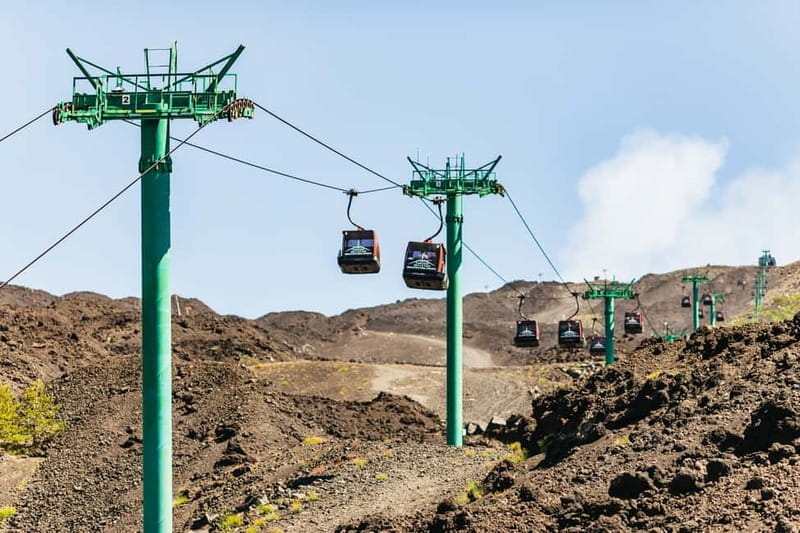
- Cable car first, hike after: you save your energy for the crater walk and keep the day from turning into a long slog.
- Cratere Centrale area on foot: the route focuses on Etna’s summit craters and recent eruption formations.
- You’re kitted for volcanic conditions: helmet and trekking shoes are included, and many groups also get jackets and walking support gear.
- A real snack break: brioche plus a small bottle of water gives you a proper pause at altitude.
- Views depend on visibility: when the air is clear, eastern Sicily comes into focus fast.
- Descent is often the hard part: loose stones and uneven footing can make the way down feel longer than expected.
Meeting at Euro Etna Tourism: getting set up on Etna’s south side
Your day starts at the Euro Etna Tourism chalet at Etna Quad. You’ll want your voucher handy since you’ll use it right away to get organized. This is one of those tours where getting ready quickly matters, because once you’re on the volcano, time and weather both tighten the schedule.
From there, the plan is straightforward: you move to the south side access point north of Nicolosi and start building elevation immediately. The tour is timed to use the cable car so you’re not spending your best energy climbing the long approach.
You can also read our reviews of more tours and experiences in Mount Etna.
Cable Car Rise: the shortcut that also shapes your hike
The cable car ride takes about 30 minutes and gets you up into the zone where Etna feels unmistakably volcanic. You go from normal mountain air to something harsher and more wind-exposed, and you’ll feel how thin the atmosphere is once you begin moving again.
This cable car step also affects the whole rhythm of the tour. Instead of grinding uphill right away, you start your trek with more control, and you can settle into the pace the guide sets for the crater walk.
Expect a scenic ride, but also don’t treat it like a sightseeing tram. Dress for wind and cool air, not just for sunshine.
Cratere Centrale dell’Etna Trek: what the summit walk really feels like
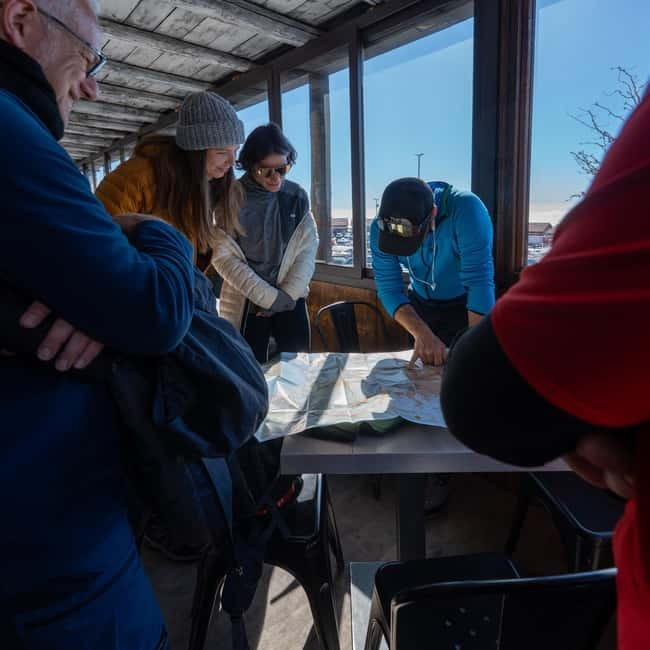
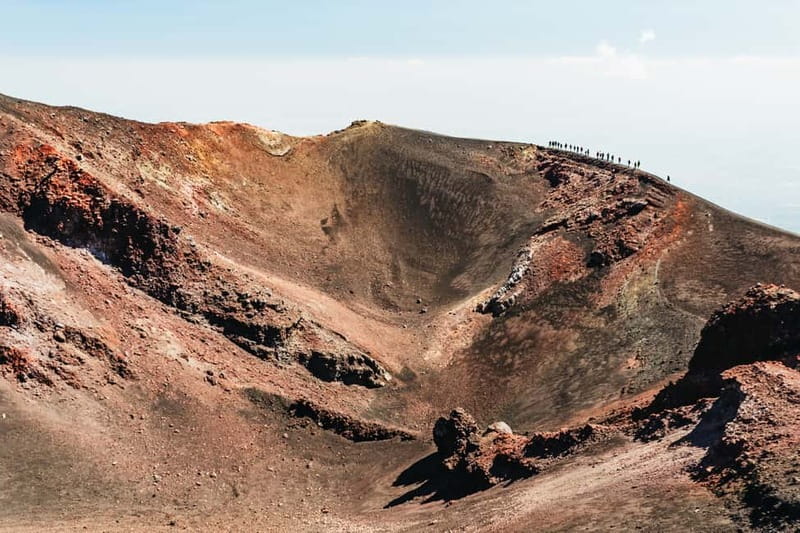
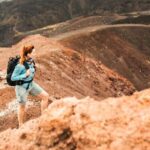
The heart of your experience is the guided trek around the Cratere Centrale dell’Etna area. From about 2,500 meters, you’ll hike to admire Etna’s summit regions and the colors and formations of its active craters. The guide’s job is to make this make sense: how Etna behaves, what you’re looking at, and what the visible signs mean.
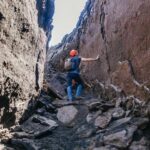
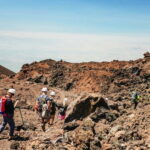
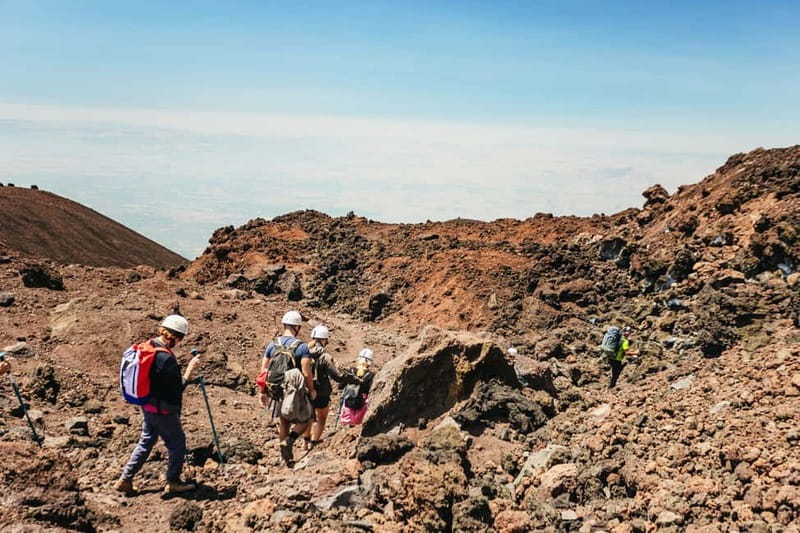
This part is not a flat walk. You’re dealing with volcanic surfaces—rocky, uneven footing, and the kind of ground where your balance matters. Even when the group stays on a controlled route, your legs will notice the effort.
What I like most here is the combination of science and movement. You’re learning while walking, not sitting through a lecture. And because Etna can vary day to day, the guide’s real-world knowledge matters: they adjust where you go based on conditions and what the mountain is doing.
Eastern Sicily views: why this volcano hike feels different
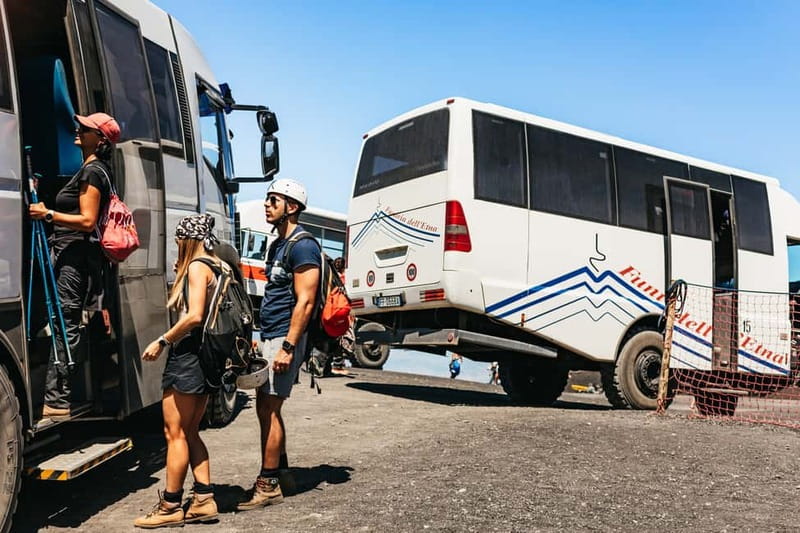
One of the best payoffs of the trek is the view out over eastern Sicily. When visibility is good, you get that surreal sense of being above the chaos, looking down at a coastline and countryside shaped by the same forces that formed the volcano.
Etna also has a lunar feel up close—gray and burnt tones, steam plumes, and crater walls that look sculpted rather than built. It’s not just a big mountain. It’s a working system, and you can feel that in the way the guide points out activity and formations.
If you’re the type who likes photos, you’ll get plenty of chances. If you’re more practical, you’ll still get something valuable: a clearer mental map of Sicily’s geography and how Etna dominates the region.
Gear and snack at altitude: the included comforts that matter
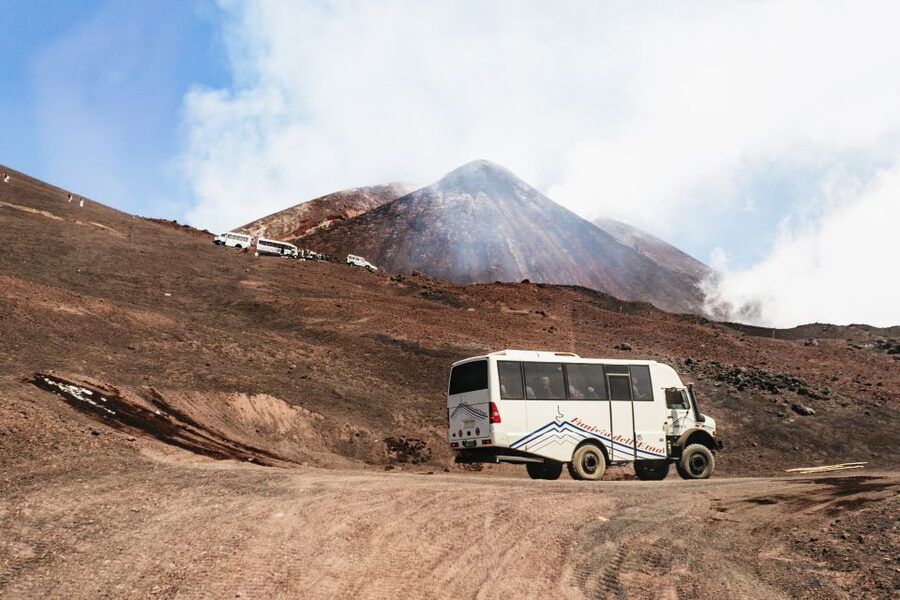
This tour includes a helmet and trekking shoes, plus guide support and insurance. Many groups are also provided with jackets and walking sticks, which is a big deal because summit weather on Etna can be colder and windier than it looks from the base.
The snack is simple but well placed: a brioche and a small bottle of water. That matters because this isn’t a quick photo stop. It’s a real hike, and a mid-day or mid-trail break helps you keep your energy steady for the later descent.
What you should bring on top of the included gear:
- A windbreaker (wind up top is the real mood changer)
- Hat for sun or wind protection
- Weather-appropriate clothing in layers
- Water (you’ll get a small bottle, but extra helps if conditions are warm)
One practical tip I strongly recommend from how this kind of hike is usually experienced: plan for socks. Long socks help with friction and with comfort on rocky routes.
The descent through recent eruption craters
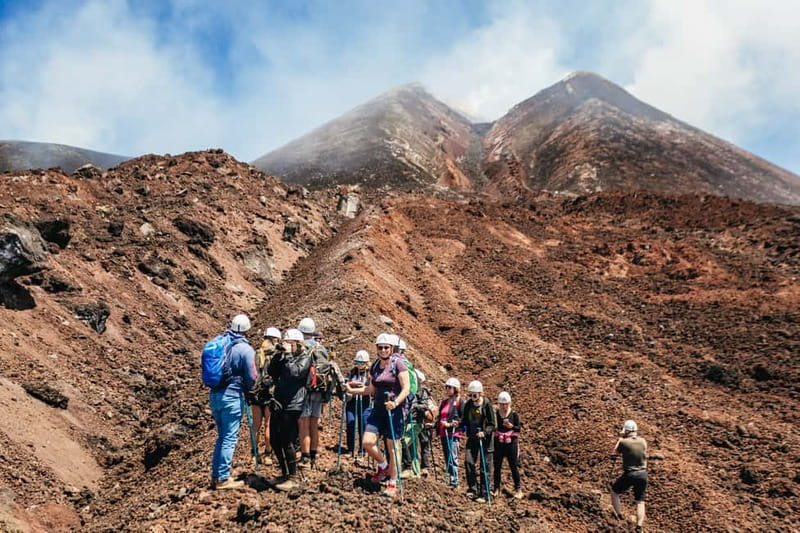
After the main crater area, you’ll head back toward the meeting point on foot, exploring crater zones connected to recent eruptions. This is where the hike can feel longer and more tiring. Even when the distance isn’t huge, loose stones and uneven volcanic ground can wear you down.
The good news is that the guide is managing the terrain and route so you’re not wandering or second-guessing where to step. You’re still moving as a group, but you’ll get time to look, notice details, and understand what you’re seeing—rather than just racing to the end.
As you approach the end, you’ll transition back to the cable car for the scenic ride to the meeting place. That final cable car segment is like a period at the end of a sentence: it’s calm, smooth, and gives your legs a proper breather.
Price and value: what $109.89 includes, and what to confirm
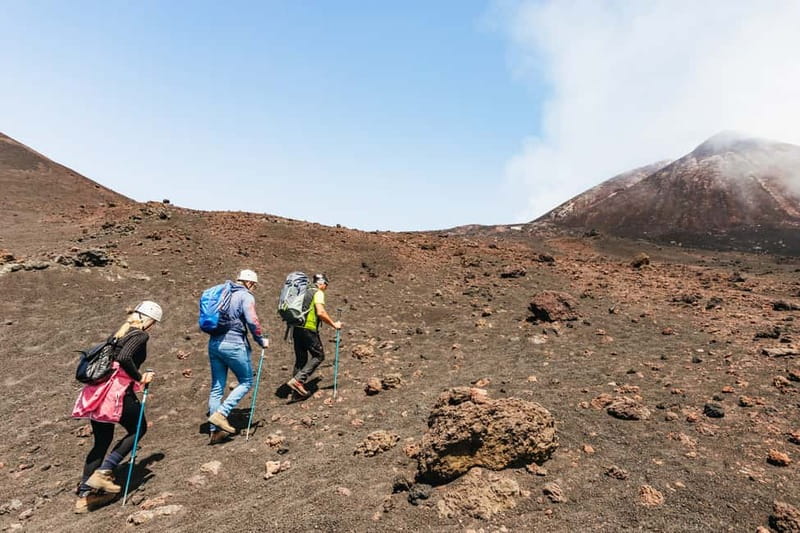
The listed price is $109.89 per person, and the tour includes core items that protect your budget and your comfort: an alpine/volcano guide, trekking shoes, helmet, insurance, round-trip cable car, and the brioche-and-water snack.
That’s solid value if you’re counting what you’d otherwise pay for guides, entry items, and equipment. Etna hikes are one of those experiences where the right gear and safety setup matter more than a low ticket price.
That said, I’d do one extra check before you lock in plans: some people report paying additional amounts for certain transport options beyond the core package. Even though cable car round-trip is listed as included, it doesn’t hurt to confirm what your exact booking covers so you don’t get surprised on the day.
Also watch the total you’ll pay in your confirmation details. One traveler noted that the headline amount didn’t match the final amount they paid, so verify whether you’re looking at a deposit or the full price.
Who this Etna summit trek suits (and who should skip it)
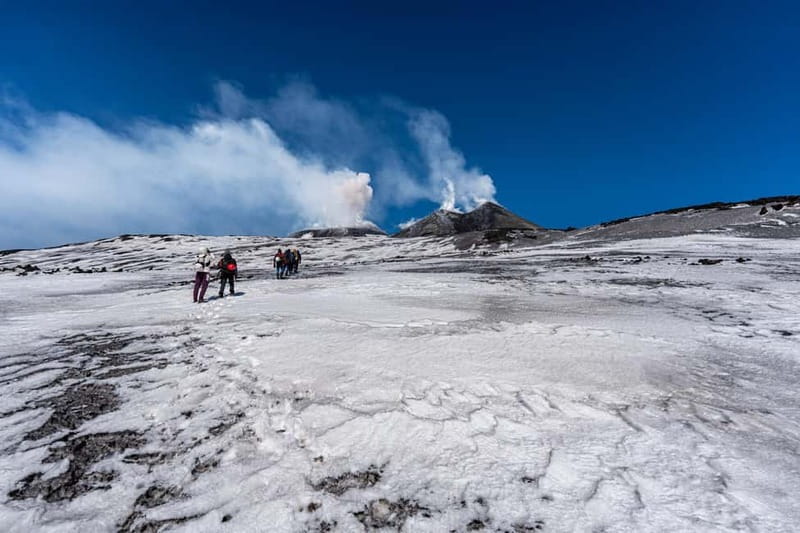
This tour is best for people with a reasonable fitness level who are comfortable with steep, rocky ground. If you’ve done hiking on uneven terrain before, you’ll feel more relaxed here.
It’s also a good fit if you want more than viewpoints. You want the volcano explained while you walk through the active terrain. Guides do well at keeping things organized while giving real context, and you’ll leave with a better sense of what Etna is doing and why that matters.
Who should not book:
- Pregnant women
- People with mobility impairments
- People with heart problems or high blood pressure
- Anyone who can’t handle windy, high-altitude walking conditions
You also can’t bring pets.
Finally, this tour depends on weather and the volcano being calm. If the mountain isn’t cooperating, you may not get the exact plan as described.
Language, pace, and safety: how the day stays manageable
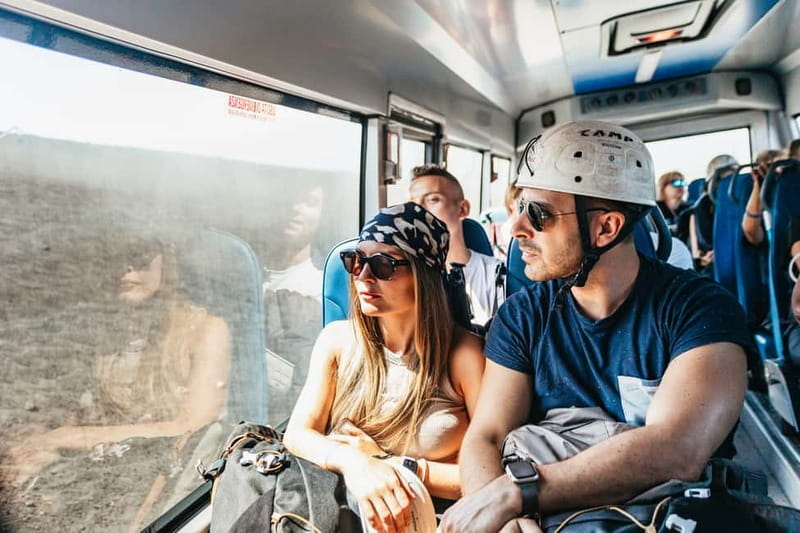
Tours run with live guides in Italian and English. Based on what I’ve seen on similarly run Etna days, the quality of explanation in English can vary with the guide and the day’s conditions, even when English is offered. If you care about deep explanations, it’s worth noting that you’ll likely get better results when you ask questions and communicate your interests during the walk.
Pace-wise, the trek is challenging but usually organized in a way that makes it achievable. One of the strongest points repeatedly seen in good Etna experiences is that groups aren’t left flailing. Multiple guides can help manage different speeds, so the slower members aren’t pressured and the faster members aren’t left behind.
Should you book this Mount Etna summit trek with cable car and snack?
Book it if you want a high-volcano day that balances thrill with real structure: cable car access, a guided route around major crater areas, and enough time to take in the geology rather than just snapping photos and leaving. This is also a strong choice if you’d rather pay for gear and safety setup than shop for it last minute.
Skip it if you know you don’t handle steep rocky descents well, or if your health limits you in the ways listed. Also skip if you’re going to be upset by weather-based changes, because Etna’s rules are written by the mountain, not by the calendar.
If you do book, plan layers for wind and cool air, bring good socks, and show up ready to walk. Etna is one of the few places in Europe where the view isn’t the only story—your feet are part of the lesson.
FAQ
How long is the Etna summit trek?
The tour duration is listed as 4 to 6 hours, depending on conditions and starting time. Check availability for exact start times.
Where do I meet the guide?
Meet your guide at the Euro Etna Tourism chalet (Etna Quad – Euro Etna Tourism). The tour ends back at the same meeting point.
What’s included in the price?
Included items are an alpine/volcano guide, hiking tour, trekking shoes, helmet, insurance, a round-trip cable car ticket, and a snack (brioche and a small bottle of water).
What should I bring to stay comfortable?
Bring a windbreaker, a hat, and weather-appropriate clothing. Water is also recommended.
Are there different languages for the tour?
Yes. The live tour guide is available in Italian and English.
Is the tour suitable for everyone?
No. It is not suitable for pregnant women, people with mobility impairments, people with heart problems, or people with high blood pressure.
Does the tour depend on weather?
Yes. The tour depends on weather conditions and on the volcano being calm.