REVIEW · MOUNT ETNA
Mount Etna: Private Trek on the North Slope Craters
Book on GetYourGuide →Operated by Empeeria · Bookable on GetYourGuide
Volcano mornings on Etna feel strangely close-up. This private hike targets the North Slope craters, where deep pits, fresh-looking lava paths, and panoramic viewpoints turn a mountain into a living lesson in geology. I love the way the route mixes black lava surfaces with cool beech forest on the climb, and I also like that your guide explains what you’re seeing in plain language, including the effects of the 2002 eruption. One thing to consider: the trail can be steeper than it looks in photos, and weather like fog can change the feel of the hike.
I also like that this is built for real people, not just hard-core hikers. You start on an easier path along the edge of a lava flow, then gradually work upward toward the northern crater base, with patient guidance along tougher bits. The possible drawback is simple: if you have a fear of heights, or you’re uneasy near drop-offs around the craters, this might not be your best match.
Finally, the value is often better than it first seems. It’s $317.20 per group up to 12, and you get a professional guide for about 3 hours, with no rushing and no need to “keep up” with a big crowd. Just remember food and drinks aren’t included, so you’ll want a water plan from the start.
In This Review
- Key Highlights You’ll Actually Care About
- North Slope Craters on Etna: Why This Route Works
- Piano Provenzana Meet-Up: A Clear Starting Point for a Short Trek
- The Actual Walk: Lava-Flow Edge to Beech Forest Climb
- Reaching the Northern Craters: Panoramic Views and Eruption Stories
- Walking Across Side-Leak Lava Flows and Ragabo Pinewood Remains
- The Private Guide Advantage: Names, Pace, and Real Local Meaning
- Terrain Reality Check: Who Should Book This Etna Trek
- What to Bring (So You Don’t Cut the Hike Short)
- Price and Value: $317.20 per Group Up to 12
- Weather and Timing: Why Your Morning May Shift
- Should You Book This Etna North Slope Crater Trek?
- FAQ
- Where is the meeting point for the Etna trek?
- How long is the tour?
- Is this a private tour or a shared group?
- What languages are the guides?
- What should I bring with me?
- Is food and drinks included?
Key Highlights You’ll Actually Care About
- North slope crater focus: you’re routed to the northern side for major eruption viewpoints and sweeping views
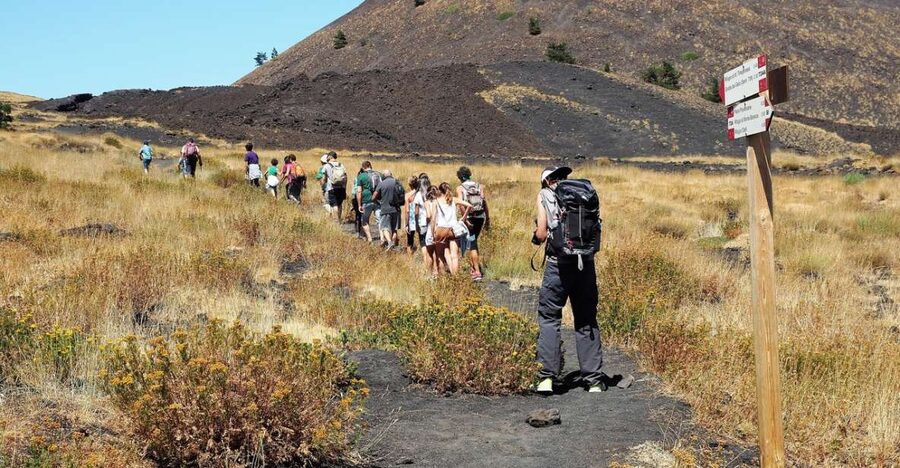
- Easy start, gradual climb: begin along a lava-flow edge, then rise through a beech forest stretch
- 2002 eruption context: your guide ties the scenery to the volcano’s recent history and visible effects
- Lava flow crossings: you’ll walk across paths where lava leaked through the side of the craters
- Ragabo Pinewood remains: you’ll see what’s left of the centuries-old forest area called Ragabo Pinewood
- Private guide experience: praised for helping different fitness levels and keeping the pace comfortable
North Slope Craters on Etna: Why This Route Works
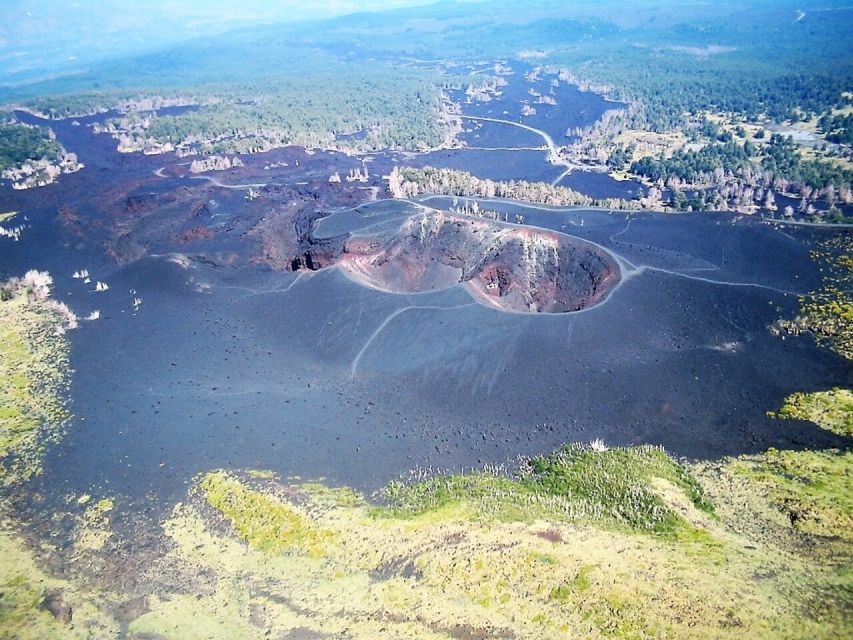
If you’ve seen Etna photos, you’ve likely seen dramatic summit views or big, sweeping volcano shots. This trek goes a different direction: it emphasizes what’s happening on the north slope, where you can stand closer to crater bases and walk sections of lava flows shaped by eruptions in recent decades. That makes the whole experience feel less like a drive-by and more like walking through a natural timeline.
The other smart piece is the mix of environments. You’re not stuck on one surface. You’ll move from rocky, volcanic ground to a climb through beech trees, and then back out toward open crater areas where views and wind can change fast. That variety matters because it keeps the hike interesting even if you’re not a “volcano nerd.” The scenery stays changing, and the guide keeps giving context so you’re not just walking in silence.
You can also read our reviews of more tours and experiences in Mount Etna.
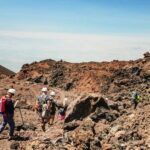
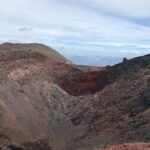
Piano Provenzana Meet-Up: A Clear Starting Point for a Short Trek

You meet at Piano Provenzana, described as a well-known ski area in the region. That’s a practical advantage: it’s a specific landmark, not some vague “near the parking lot” situation. The instruction is to arrive at least 30 minutes early, which gives you time to find the guide, settle into the right gear, and do the basics without stress.
Right at the start, you’ll get an introduction and safety briefing before the hike begins. For a three-hour trek, that’s key. You want to start moving with confidence—especially because parts of this route can be steeper than what a photo makes you expect.
At the end, you return to the same meeting spot. That loop format is simple and reduces decision fatigue. No transfers. No “what bus do we take?” moment.
The Actual Walk: Lava-Flow Edge to Beech Forest Climb
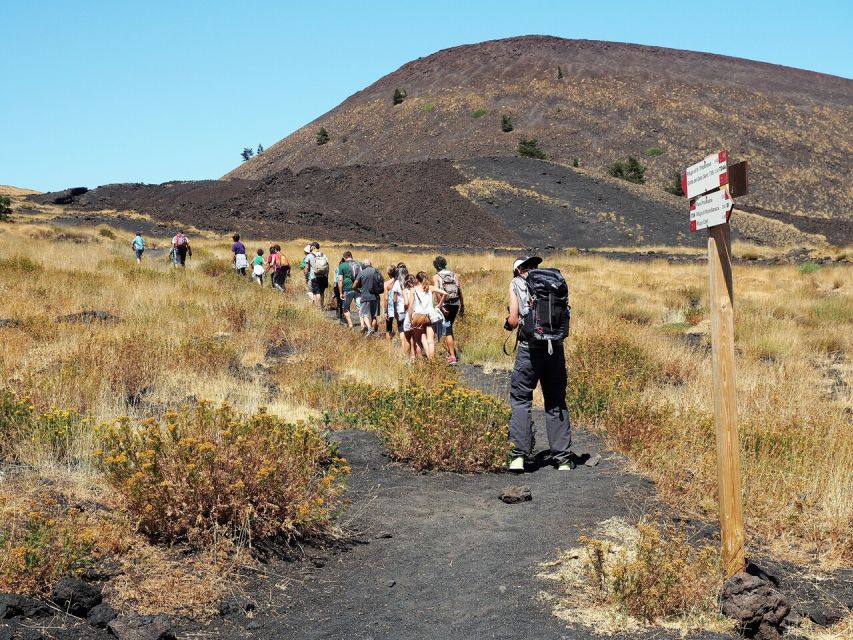
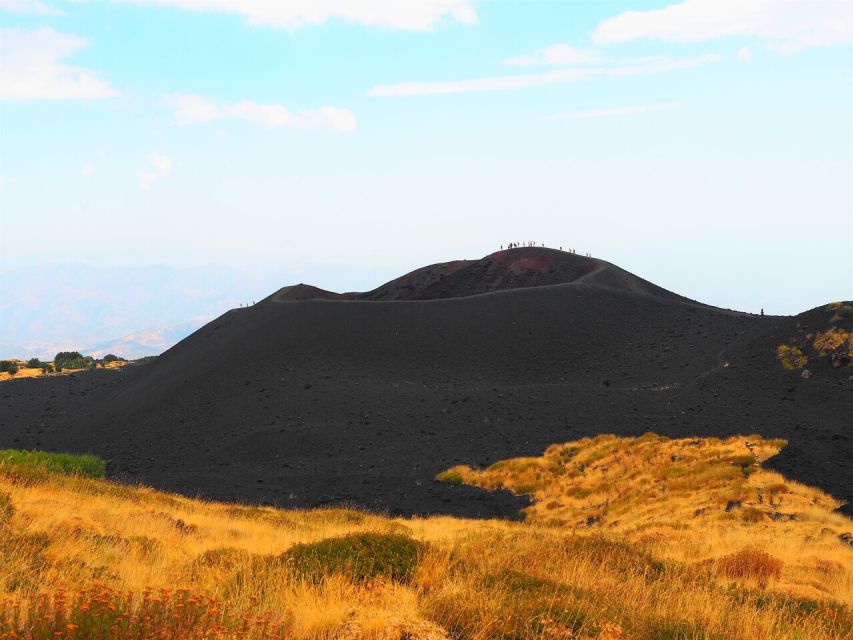
This trek starts easy—at first. You begin on a path along the edge of a lava flow, which lets you get your footing and understand how the terrain behaves. Then you slowly climb, transitioning into a forest of beech trees.
This “gradual climb” pattern is one of the reasons I think people enjoy the experience even when the hike is moderately strenuous. You get a ramp-up, not a sudden wall. And as the forest gives way to more open volcanic ground, the views start to widen. That helps the hike feel like progress instead of just effort.
One practical thing: weather can turn the hike from pleasant to moody quickly. In fog, the crater sections still feel awesome, just different—less about distant horizons and more about the intensity of what’s right in front of you. If visibility drops, the guide’s experience becomes even more valuable.
Reaching the Northern Craters: Panoramic Views and Eruption Stories
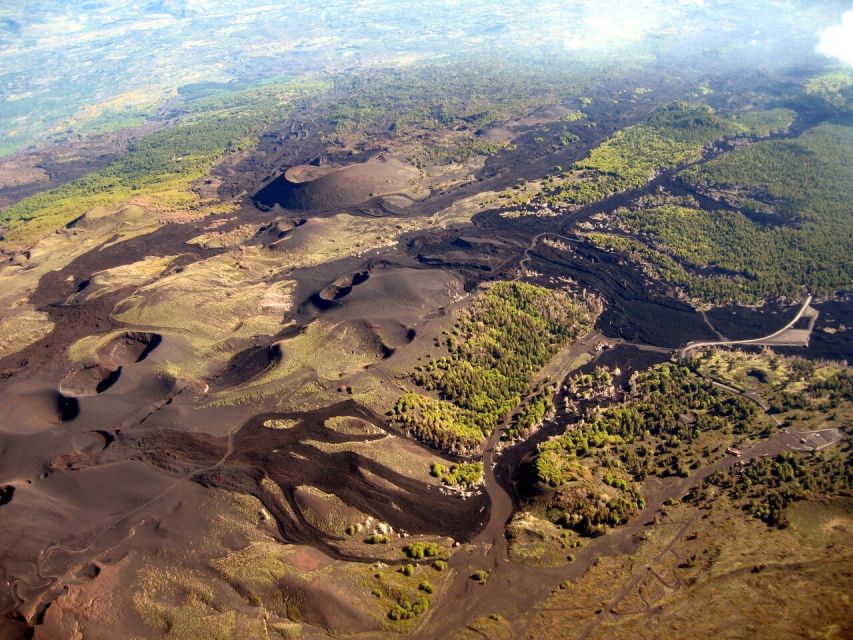
As you approach the northern crater side, you reach the base of the craters. This is where the trek stops being a walk and becomes an interpretation. You’ll see the area connected to one of the most important eruptions of the last decades, and your guide explains what happened and what you can still notice today.
A highlight of this experience is learning about the 2002 volcanic eruption and seeing its effects. The best part of a guide-led crater stop is not that they recite dates—it’s that they tie the ground beneath your feet to the volcano’s behavior. Standing near crater areas gives you a better sense of scale and direction than photos usually do.
There’s also the “stories + imagination” element. You’ll hear accounts from your local guide and then look at the terrain with a new lens. Even if you don’t memorize every detail, you’ll start to read the mountain like a map: where lava traveled, how the terrain changed, and why certain viewpoints feel naturally “placed.”
Walking Across Side-Leak Lava Flows and Ragabo Pinewood Remains
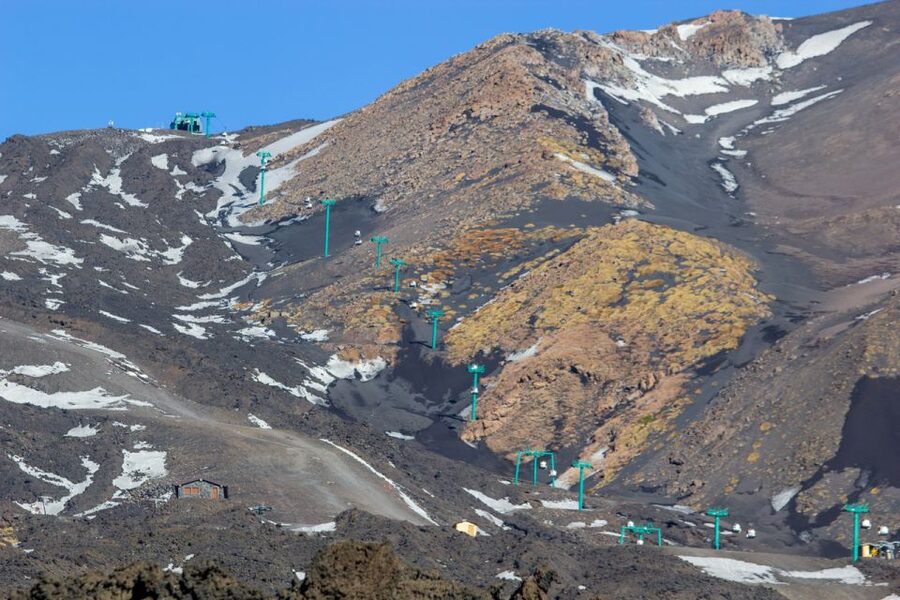
After the crater base viewpoints, the trek continues with more walking across lava flows. The route includes sections where lava leaked through the sides of the craters, giving you a sense of how eruptions don’t just blast straight up—they spill, spread, and reshape the path of least resistance.
Then comes another powerful moment: the remains of the centuries-old Ragabo Pinewood. Even without getting overly emotional about it, this stop adds balance. Volcano tourism can sometimes feel like it’s all destruction. This helps you see continuity too: life and ecosystems try to return, even after major disturbance. Your guide can help you connect the plant remains to the wider story of the area.
Footwear matters here. Even if the trek is only about three hours, volcanic ground can be uneven. You’ll want hiking shoes with good grip, and you’ll feel more confident crossing these stretches.

The Private Guide Advantage: Names, Pace, and Real Local Meaning
This is a private group trek with a professional guide. That changes everything about how you experience Etna. Instead of following a fixed pace and hoping you understand what you’re seeing, you get explanations on your route, at your speed.
Two guide names show up strongly in the feedback: Gio and Guiseppe. The praise isn’t for performances—it’s for experience and calm handling of different levels. One review specifically highlights that the guide was patient with people who needed help on tougher portions. That’s exactly what you want on a volcanic hike, where the “moderate” label can still mean a steeper step or a more exposed section than you planned for.
This trek is also well-suited to mixed comfort levels. If you want an easy start, you’ll get one. If you’re capable and want more challenge, the climb delivers. If you’re just there for the views and learning, the guide makes sure the stops feel meaningful.
Terrain Reality Check: Who Should Book This Etna Trek
Based on the route description and the way people talk about it, this is a good pick if you like active sightseeing. It’s not a slow stroll, but it’s also not described as an all-day endurance event. You’ll do a hike around north slope crater areas, with a moderate strenuous feel and some sections steeper than expected.
It’s not ideal if heights make you nervous. One of the strongest pieces of advice from the reviews is clear: avoid this trek if you have a fear of heights. Even with a guide present, exposed crater terrain can still trigger discomfort.
It’s also a great option if you enjoy learning while you walk. The volcano story is built into the experience: 2002 eruption context, what the lava flows mean, what to notice around the crater base, and why Ragabo Pinewood remains matter.
What to Bring (So You Don’t Cut the Hike Short)
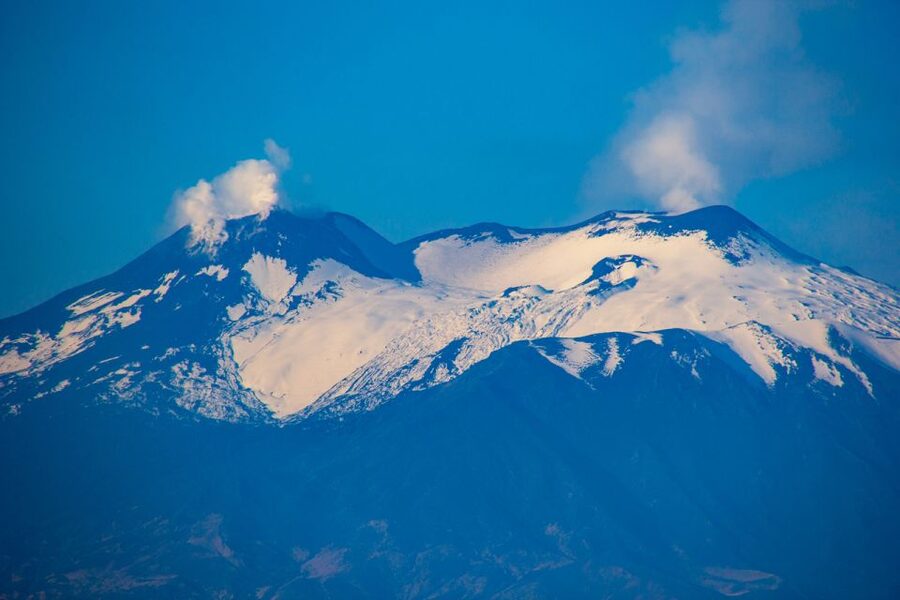
Pack like you’ll be outside longer than planned—because on a mountain, conditions change fast.
Bring:
- Hiking shoes with grip
- Water (you’re not getting food or drinks included)
- Sunscreen
- Comfortable clothes
- A camera for the panoramic moments
Since you’re walking across lava-flow edges and forest-to-crater transitions, dress in layers. Fog and wind can make it feel colder near crater areas than you expect at the start.
Also, give yourself extra buffer time. Arriving 30 minutes early at Piano Provenzana isn’t just bureaucracy—it helps you start calm, not sweaty from rushing.
Price and Value: $317.20 per Group Up to 12
Here’s the practical math. The price is $317.20 per group (up to 12 people) for about 3 hours. If you’re traveling as a couple or a small group, this can be a good deal for a private, guided crater trek—especially compared with per-person pricing models that don’t include the “private” part.
You’re paying for three things:
- a professional guide who explains what you’re seeing
- a route that focuses on the north slope craters rather than random viewpoints
- enough time to walk, stop, and understand without a frantic schedule
What’s not included: food and drinks. That’s the main “cost surprise” to plan around. If you’re coming from breakfast late or planning to linger in the area, you’ll need your own snacks and water.
Weather and Timing: Why Your Morning May Shift
Etna is real volcano-country, so conditions matter. The reservation may be subject to change or cancellation depending on weather. That’s normal here, not a red flag. If fog rolls in, the guide will still keep the group moving safely and focus on what’s visible.
The duration is listed as 3 hours with starting times based on availability. The short length is another value point: you get a major experience without losing your whole day.
Should You Book This Etna North Slope Crater Trek?
Book it if you want a guided, private-feeling Etna walk that focuses on crater bases, lava flows, and the story behind the ground—especially the 2002 eruption. This is also a strong choice if you’re the type who likes learning on the move, not just taking photos.
Skip it if you’re worried about heights or exposed crater sections. And if you hate uneven terrain, treat the “moderately strenuous” tag seriously, because some parts can be steeper than you’d guess from images.
If you’re unsure, the best strategy is simple: wear solid shoes, bring water, and show up early at Piano Provenzana so you start the trek prepared—not improvising.
FAQ
Where is the meeting point for the Etna trek?
You meet at Piano Provenzana. The trek ends back at the same meeting point.
How long is the tour?
The activity lasts about 3 hours. Starting times depend on availability.
Is this a private tour or a shared group?
It’s a private group experience.
What languages are the guides?
The live tour guide speaks French, English, and Italian.
What should I bring with me?
Bring hiking shoes, a camera, sunscreen, water, and comfortable clothes.
Is food and drinks included?
No. Food and drinks are not included.