REVIEW · MOUNT ETNA
Mount Etna: Trek to the Craters of The 2002 Eruption
Book on GetYourGuide →Operated by GRUPPO GUIDE ETNA NORD di RAGONESE BIAGIO & C sas · Bookable on GetYourGuide
Walking an eruptive fault feels unreal. This Etna trek takes you right along the 2002 eruption path on the northern flank, where hardened lava and crater cuts make the science feel immediate. I love that the walk is easy-paced but still gets you close to the action, and I also like how the guide turns raw rock into clear explanations of how explosive eruptions shape what you see.
There’s one catch to plan around: you are walking on real volcanic ground, so you’ll want proper footwear and you should bring weather gear, since conditions can change quickly on Etna’s slopes.
In This Review
- Key highlights at a glance
- Mount Etna’s 2002 Eruption Trail: what makes it special
- Starting in Piano Provenzana and getting your footing right
- The walk itself: along Etna’s northern eruptive fault
- Lateral cones and craters: turning eruption mechanics into real visuals
- Views to Bay of Naxos and the Calabrian coast
- Etna beyond the eruption: Greek myth and living farmland
- Difficulty, pace, and who this trek suits
- Price and value: is $39.86 a fair deal for Etna?
- The guide and the on-the-ground experience
- Should you book the Mount Etna 2002 crater trek?
- FAQ
- How long is the Mount Etna trek to the 2002 eruption craters?
- Where does the tour start and end?
- What languages is the guide available in?
- What’s the difficulty level?
- What should I bring for the trek?
- Are sandals or flip-flops allowed?
- Is food and drinks included?
- Who is the tour not suitable for?
- What is the cancellation policy?
Key highlights at a glance
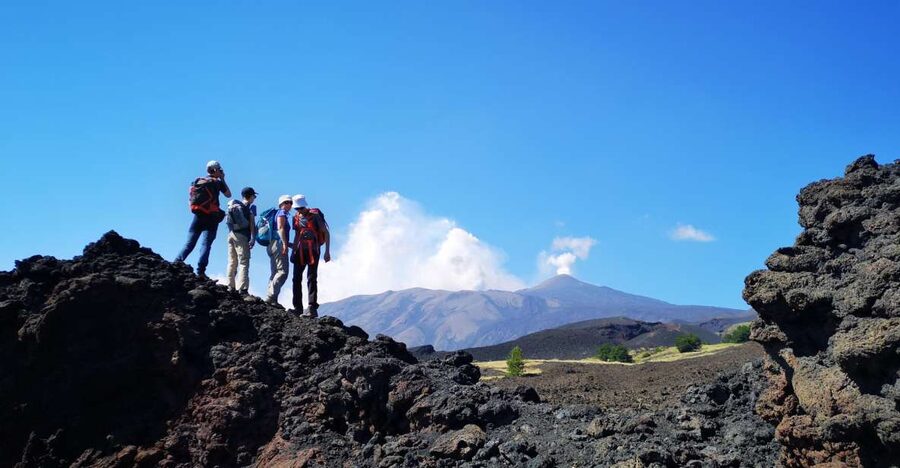
- Walk the eruptive fault from the 2002 eruption and see how the ground records the event
- Lateral cones you can point at, formed by gas and rock explosions along the fault
- Crater views with big horizon drama, including the Bay of Naxos and the Calabrian coast
- UNESCO World Heritage context, plus the mountain’s links to Greek mythology
- Live English or French guidance alongside Italian, with a small-team feel
Mount Etna’s 2002 Eruption Trail: what makes it special
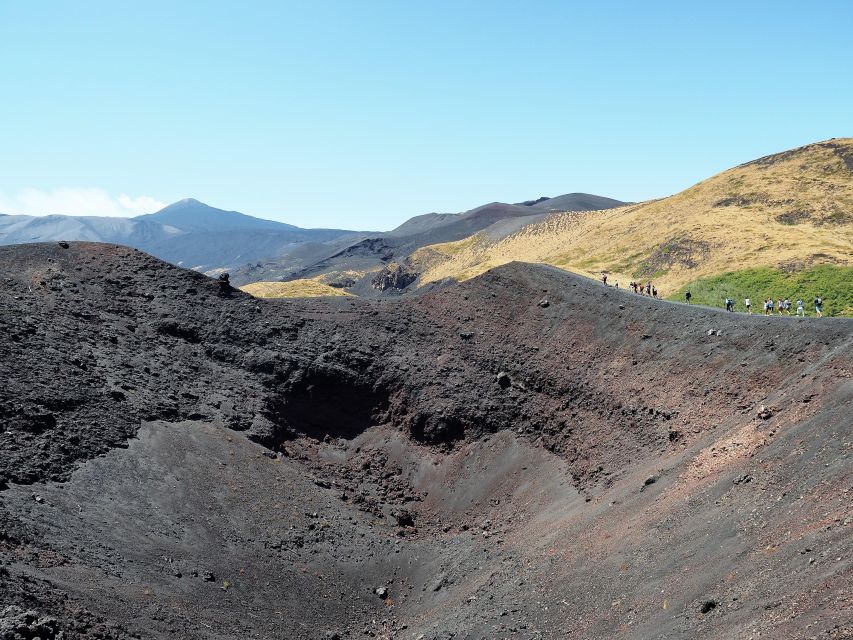
Mount Etna is one of the most active volcanoes in the world, and this trek is built around a specific moment: the eruption that started at dawn on October 27, 2002. Instead of just viewing the volcano from afar, you walk along the eruptive fault linked to that event, on hardened lava rock that still shows the eruption’s energy.
I like how the experience mixes hands-on geology with real-world scenery. You’re not studying volcanoes in a classroom. You’re standing where the eruption did its work, then listening to your guide connect each feature to the eruption process.
If you’re the type who enjoys learning while moving, this tour is a strong match. Expect an easy difficulty level, a guided route, and a focus on what the mountain’s activity has meant for Sicily over time.
You can also read our reviews of more tours and experiences in Mount Etna.

Starting in Piano Provenzana and getting your footing right
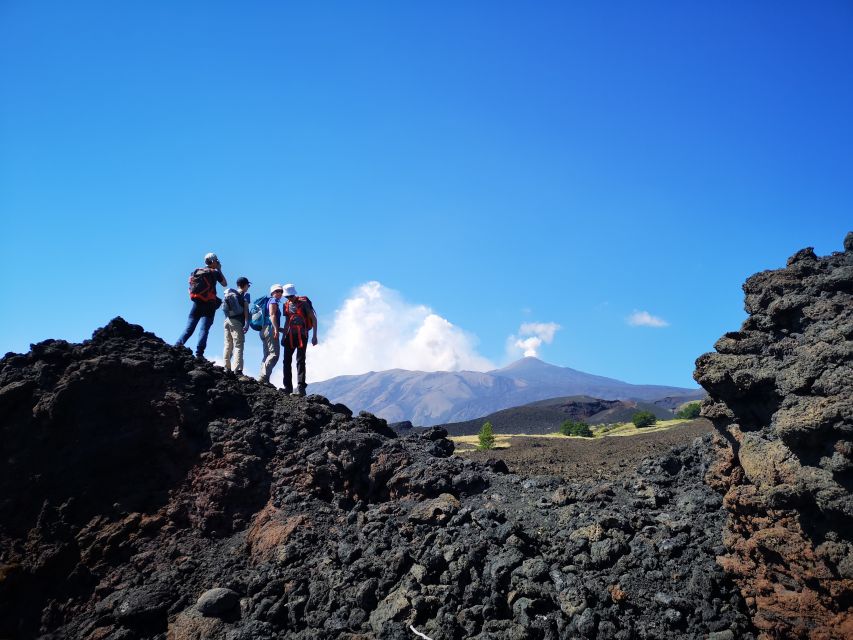
Your day centers on Piano Provenzana, with the meeting point at the first parking area by a wooden house marked Gruppo Guide Etna Nord. The tour ends back at the same meeting spot, so you’re not dealing with a complicated handoff to another bus, another check-in, or another pickup point.
This is also where your preparation matters. The activity is listed as easy, but volcanic terrain is still uneven. You’ll do better with comfortable shoes you trust, not anything thin or soft. The tour specifically says no sandals or flip-flops, which is good advice for Etna.
Bring sunglasses and a sun hat, plus water and a jacket. Rain gear is also recommended, because cloud cover and mist can roll in fast. If you hate damp clothes or cold breezes at elevation, pack for both.
The walk itself: along Etna’s northern eruptive fault
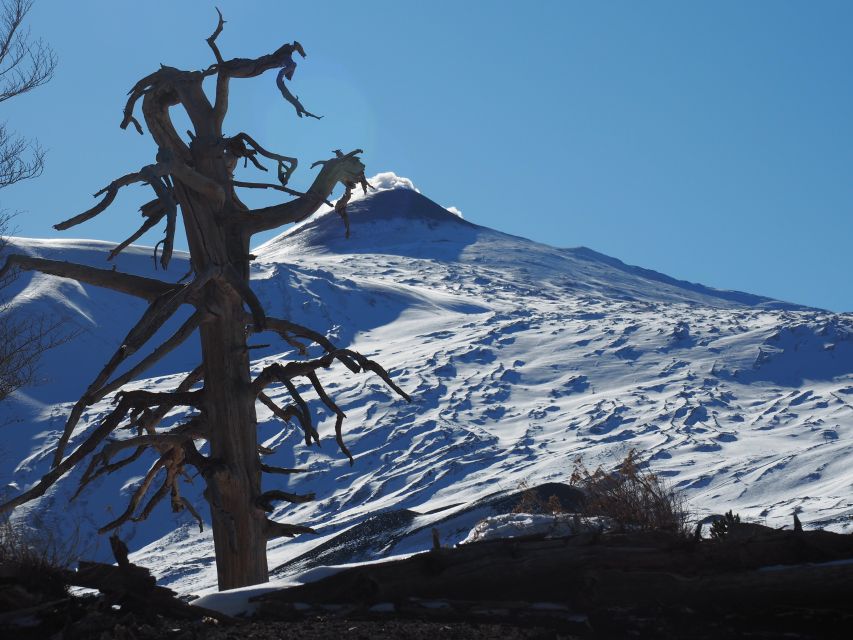
The core of the trek is the route along the eruptive fault on Etna’s northern flank. Picture the eruption’s path like a scar in the ground. Now step onto the hardened lava flow from that event and watch for the features that erupted through the fault zone.
This is where the guide’s job really matters. Your guide will help you imagine the explosive force of what happened in 2002. You’ll learn why certain spots look the way they do, and what the eruption’s behavior meant as it fed gas and rock upward and outward.
You’ll walk through areas where the geology is visible without tools. That’s the point. Instead of abstract explanations, you can look down and match the story to the rock under your feet.
Timing note: the schedule lists about 2.5 hours overall, while the walking portion is noted as about 3 hours depending on how your group moves. Either way, plan for a solid, focused walk rather than a quick stroll.
Lateral cones and craters: turning eruption mechanics into real visuals
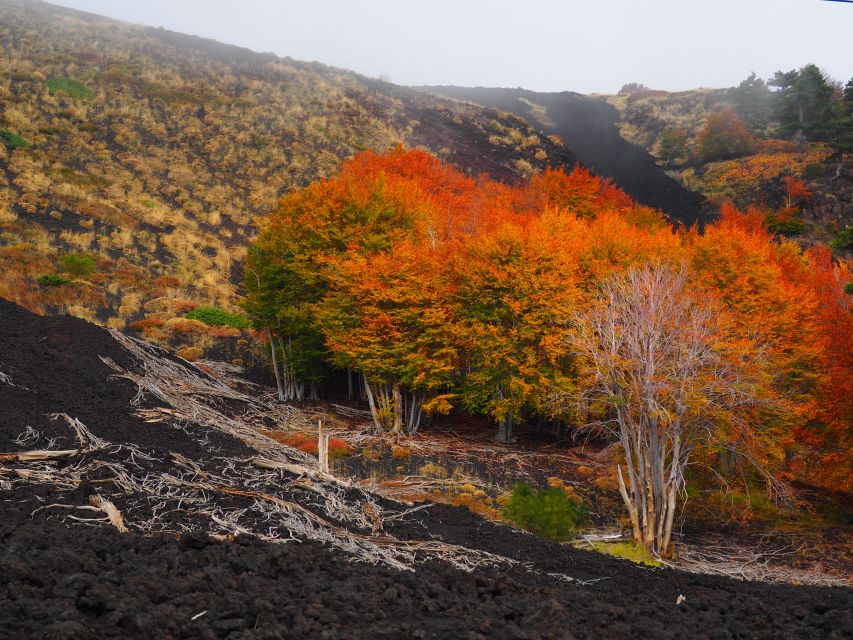
As you continue along the fault, you’ll see lateral cones created by strong explosions of gas and rock fragments along the eruption line. These are the kinds of features that can be hard to picture from photos, but walking past them makes the shape and cause feel more logical.
You’ll also get to peer into impressive craters. The tour doesn’t just promise big sights; it aims to connect those craters to the eruption history. Standing near volcanic craters changes the way you think about scale and timing. Even on an easy hike, you’ll feel how quickly a volcano can change a landscape.
This is a great tour format if you like cause-and-effect. You’ll be able to ask yourself questions as you walk:
- Why does this area look different from the next one?
- What does the fault line tell us about the eruption route?
- How did gas and fragments build the cones you’re seeing?
Your guide’s explanations help you answer those questions in plain language, in either English or French (with Italian also offered as part of the live guidance).
Views to Bay of Naxos and the Calabrian coast
Etna isn’t only about rock and science. Part of the payoff is the horizon. From the top area of the route, you get stunning views over the Bay of Naxos and toward the Calabrian coast.
These views matter because they give context. When you can see water, coastlines, and the wider region, you understand that eruptions aren’t isolated events. Etna sits inside a living geography, and its activity affects people, farming, and daily life across the island.
Bring your sunglasses even if the sky looks bright at the start. Etna’s light can be intense, and you’ll want to stay comfortable while you pause for photos and crater viewing.
Etna beyond the eruption: Greek myth and living farmland
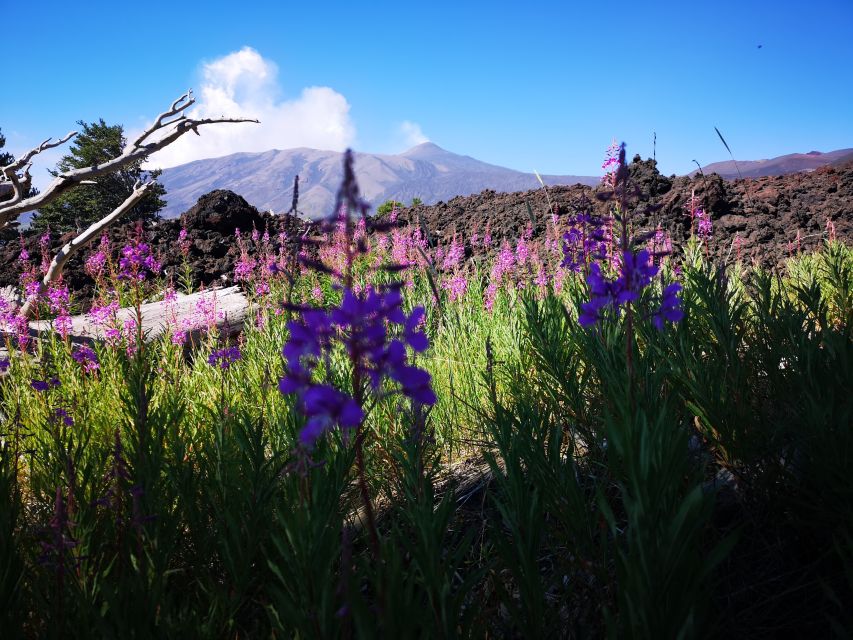
One thing I really appreciate here is that the trek isn’t only geology. Etna has a long cultural footprint too.
The volcano is listed as a UNESCO World Heritage site, and the tour frames its role in Greek mythology, where Etna was an important location in the stories. That myth connection helps explain why Etna has been more than a natural hazard in local imagination.
Then comes the practical reality: the mountain’s fertile soils support extensive local agriculture. If you take that fact seriously, the eruption history feels less like distant drama and more like an ongoing relationship between volcano and land. It’s Sicily’s version of living with something powerful that you can also use.
Difficulty, pace, and who this trek suits
Difficulty is listed as easy, which is encouraging, but easy doesn’t mean effortless. You’ll still be walking on uneven ground, spending time outside, and doing it on volcanic terrain.
This tour is not suitable for:
- Pregnant women
- People with mobility impairments
- People with vertigo
If any of those apply, it’s worth choosing another Etna experience designed for your comfort level.
If you’re generally healthy, used to walking, and you want a guided way to see the crater areas without technical hiking gear, this is a good option. Families can enjoy it too, and the high rating reflects how well the guides handle different group rhythms.
Duration-wise, plan for roughly 2.5 hours total, with walking that may run longer depending on group pace. If you’re the kind of person who stops often for photos, start mentally prepared for a slower flow.
Price and value: is $39.86 a fair deal for Etna?
The price listed is $39.86 per person, and for this specific style of tour, I think it’s reasonable.
Here’s why: you’re paying for more than a path. You’re getting a guided trek along the eruptive fault tied to the 2002 eruption, plus interpretation of crater features, lateral cones, and volcanic geology. The tour includes a live guide and an official English and French-speaking guide, so you’re not left translating your own way through the rocks.
Also, the time investment isn’t huge. About 2.5 hours is enough to feel you did something meaningful, without consuming your whole day on Etna. If you’re visiting Sicily with limited time and want a guided, high-impact experience, the value is strong.
Food and drinks are not included, so budget for water you bring and any extras you plan to buy nearby. But the tour’s focus stays on walking and learning, which is usually a good trade-off when you want an active, guided outdoor experience.
The guide and the on-the-ground experience
The tour is run by GRUPPO GUIDE ETNA NORD di RAGONESE BIAGIO & C sas. What you’re really buying is the guide’s ability to turn a field of volcanic shapes into a clear story.
The experience includes an official English and French-speaking guide, and it offers live tour guidance in Italian, French, and English. That means you can choose the language that keeps the information flowing naturally, which matters on a subject like volcanology. You’ll understand more when you don’t have to slow down to translate.
There’s also a positive signal from the overall rating: the guides are described as top-notch, and families can do this comfortably. In practice, that suggests the group experience is handled well, with explanations suited to a mixed crowd.
Should you book the Mount Etna 2002 crater trek?
Book it if you want a guided volcano walk with real geology in front of you. This is not just scenic viewing. You’re walking along the eruptive fault linked to the 2002 eruption, seeing crater areas, lateral cones, and hardened lava that make the eruption feel tangible. Add in the Bay of Naxos and Calabrian coast views, and you get both science and scenery.
Skip it if you need an activity that avoids uneven terrain or if vertigo is an issue, since the tour is not suitable for people with vertigo or mobility impairments. Also think twice if you can’t handle changing weather and want to avoid bringing jacket and rain gear.
If you’re curious about how eruptions build the shapes you see in volcanic areas, and you like learning while you walk, this one is a solid choice for a half-day on Sicily’s most active neighbor.
FAQ
How long is the Mount Etna trek to the 2002 eruption craters?
The duration is listed as about 2.5 hours, but the walking time can vary depending on the rhythm of the group.
Where does the tour start and end?
The tour starts at the first parking area at the wooden house with the sign Gruppo Guide Etna Nord and ends back at the same meeting point.
What languages is the guide available in?
You can get live guided support in Italian, French, and English, and the tour includes an official English and French-speaking guide.
What’s the difficulty level?
The activity is listed as easy.
What should I bring for the trek?
Bring comfortable shoes, sunglasses, a sun hat, water, a jacket, and rain gear.
Are sandals or flip-flops allowed?
No. Sandals or flip-flops are not allowed.
Is food and drinks included?
No. Food and drinks are not included.
Who is the tour not suitable for?
It’s not suitable for pregnant women, people with mobility impairments, or people with vertigo.
What is the cancellation policy?
You can cancel up to 24 hours in advance for a full refund.