REVIEW · POKHARA
4 Days Mardi Himal Base Camp Trek from Pokhara
Book on Viator →Operated by Peak to Peak Tours and Treks Pvt Ltd · Bookable on Viator
Mardi Himal is a short trek with big altitude. This 4-day route is interesting because you get the lift-and-hike rhythm from Pokhara, then follow a guided path all the way to Mardi Himal Base Camp (4,500m / 14,763 ft) and back without the mental load of route-finding. I like that the plan includes guesthouse stays plus the key paperwork (TIMS and an Annapurna Conservation Area permit), so you can focus on walking and adjusting. The one drawback to consider is that this route assumes you’re comfortable with a moderate fitness level and long uphill days at height.
What I like most is the mix of structure and flexibility: pickup, private guiding, and set overnight stops, but still the classic tea-house trekking vibe. I also like that the guides are described as engaging and practical, with names like Milan and Resham showing up in past experiences, plus team members like Madhu and Ravi credited for making logistics feel easy. One consideration: meals aren’t included, so you’ll need to budget for food and drinks along the trail.
If you’re active, want serious views, and prefer a guide to handle the details, this is a strong way to do Mardi Himal. Just go in knowing you’ll be hiking for most of the day, often around 6–7 hours depending on the day and your pace.
In This Review
- Quick hit highlights for Mardi Himal from Pokhara
- Why this 4-day Mardi Himal Base Camp trek feels like a smart move
- Day-by-day walk through the experience (what it feels like)
- Day 1: From Pokhara Lakeside to Australia Camp and onward to Forest Camp
- Day 2: Low Camp to High Camp (3,000m to 3,800m) for your first real acclimation night
- Day 3: Early push to Mardi Himal Base Camp (the big viewpoint day)
- Day 4: Descend back to Shiding and ride to Pokhara (Phewa Tal area)
- The guide and team: what you’re really buying with a private trek
- Price and value: what $273.14 covers (and what it doesn’t)
- What the inclusions mean in real life on the trail
- Altitude and fitness: who this trek fits best
- Transportation and timing: start time and your Pokhara plan
- Weather reality (and why that matters for base camp)
- Should you book this Mardi Himal trek?
- FAQ
- What does the trek include?
- Are meals included during the trek?
- What is the highest point on this trek?
- Where do the pickups and drop-offs happen in Pokhara?
- Is this a private trek or shared group trekking?
- What fitness level do I need?
- What permits are provided?
- What happens if bad weather cancels the trek?
Quick hit highlights for Mardi Himal from Pokhara
- Private guidance reduces route stress while you tackle uphill sections and find the right tea-house stops
- Guesthouse accommodation is included, so you’re not hunting for beds mid-trek
- Permits are covered (TIMS + Annapurna Conservation Area permit), which saves time and hassle
- You reach 4,500m / 14,763 ft with a manageable out-and-back structure over four days
- Guides are praised for energy and storytelling, including spotting details like birds and helping with photo moments
- Pickup/drop-off is limited to Lakeside area, so plan your Pokhara hotel location accordingly
Why this 4-day Mardi Himal Base Camp trek feels like a smart move
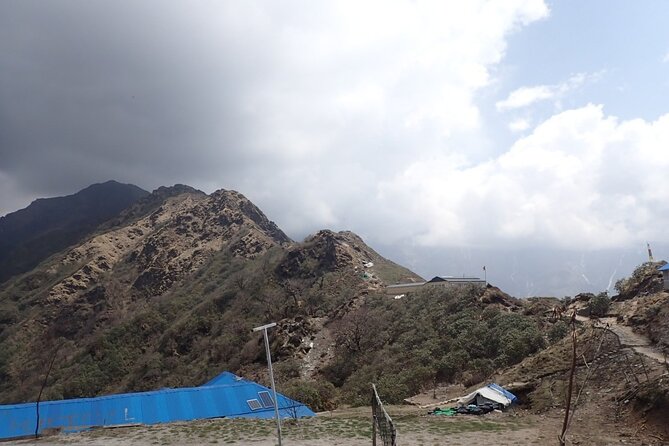
Mardi Himal is one of those treks where you get a lot of return for your time. In four days, you’ll gain serious elevation, see major Himalayan silhouettes up close, and still have a clear structure for sleeping and transfers.
The private guide setup is especially valuable on Mardi Himal because the trail requires attention as conditions change. Even if you’re an experienced hiker, having someone who’s done this route repeatedly helps you keep your pace steady and avoids the small delays that can snowball at altitude.
At the same time, you’re not buying a luxury, comfort-only hike. This trek is built around tea houses and guesthouses, so it feels real. Expect basic rooms, shared dining spaces, and the kind of slow, satisfied fatigue you remember later.
You can also read our reviews of more tours and experiences in Pokhara.
Day-by-day walk through the experience (what it feels like)
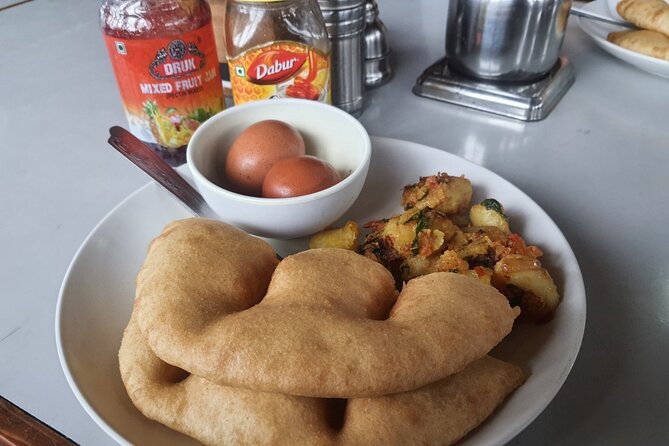
Day 1: From Pokhara Lakeside to Australia Camp and onward to Forest Camp
You start in Pokhara, with pickup within the Lakeside area around 8:15–8:30am. The drive goes about an hour toward Kande, and then you begin hiking with an uphill start to Australia Camp.
This first day matters because it sets the tone. You’ll do enough climbing to get warmed up, but you’re still moving toward villages and guesthouses rather than jumping straight into the highest terrain. After Australia Camp, you descend toward Pothana, then continue on toward Pitam Deurali. The schedule lists trekking time around 2–3 hours for that early section, with the overall day around 7 hours before you sleep in Forest Camp.
What I like about this flow: it gets you out of the city and into the mountains without rushing you. What you should watch: start steady. Many first-timers feel great early, then realize they overpaced the morning climb.
Day 2: Low Camp to High Camp (3,000m to 3,800m) for your first real acclimation night
Day two is about moving up gradually. You trek to Low Camp (~3,000m) (about 3 hours), then continue to High Camp (~3,800m) (another 3 hours) for the night.
This is a classic acclimation strategy: you don’t just leap from low elevation to base camp. You gain height, take in the views, and sleep closer to the zone where your body will soon spend more time.
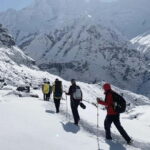
Expect long stretches on a trail that can feel steady rather than technical, but at altitude it still takes effort. A guide helps here with pace control and small choices—like when to pause, how to breathe, and how to keep energy for the next day.
Day 3: Early push to Mardi Himal Base Camp (the big viewpoint day)
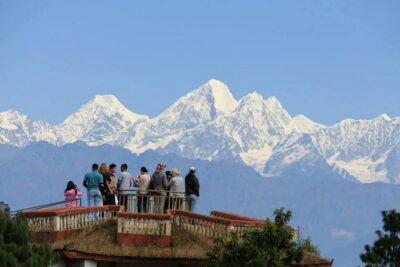
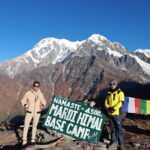
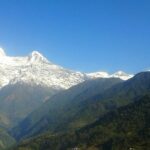
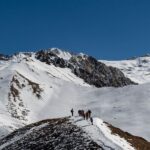
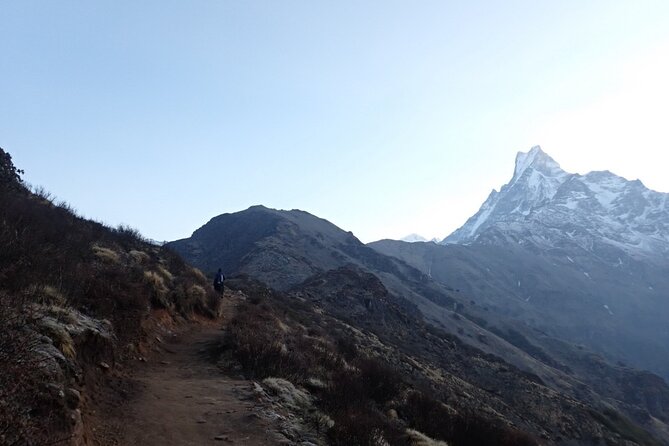
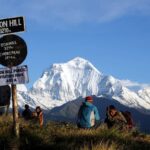
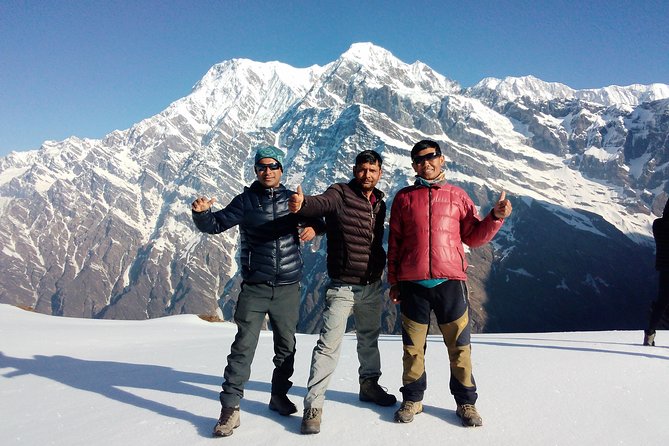
On the third day, you start early for the hike to Mardi Himal Base Camp. This is the day built around the payoff: big, close-up mountain views—especially toward Fishtail—plus the sight lines that open toward the long Annapurna range.
The plan has you going from High Camp to base camp, then spending time there before returning to High Camp for the overnight stay. Total hiking time is listed around 7 hours.
This is also the day where you’ll want to manage your motivation. Base camp feels like a finish line, but the return matters too. If you sprint up, the descent back to High Camp can feel heavier than expected. A good guide keeps you from burning your match too early.
One thing I’d pay attention to: photography and weather. Past experiences credit guides like Resham for pointing out details and taking photos (including fun moments like pictures with a yak). Even if you’re not chasing photos, having someone help time viewpoints can make the whole day feel smoother.
Day 4: Descend back to Shiding and ride to Pokhara (Phewa Tal area)
The final day is mostly descent, which can be surprisingly tiring. You start around 7am and go from High Camp down to Low Camp, then continue toward Shiding. Total hiking time is listed around 6 hours, and from Shiding it’s about a 2-hour drive back to Pokhara.
A trek like this earns the right to be simple on the last day: your legs have work to do, but your brain is less stressed because you know the route is going downhill. Descending also means you’ll notice vegetation and air feel changing as you drop elevation.
When you reach Pokhara, you’ll likely feel that switch from mountain time to city time fast—so plan a relaxed end to your day.
The guide and team: what you’re really buying with a private trek
You’re paying for more than directions. You’re buying someone to manage pacing, explain what you’re seeing, and keep the route decisions consistent.
In past experiences connected to Peak to Peak Tours and Treks, people credited the operation and its team members—including Milan (with his team), Resham (with stories and humor), and team members Madhu and Ravi—for making the trek feel organized from start to finish.
That kind of service matters on a trek where:
- you’re at altitude for multiple days,
- guesthouses can be crowded or limited,
- and a single wrong turn wastes time and energy.
Private also means you’re not sharing the day with a moving line of strangers. Your guide can adapt to your pace rather than forcing everyone into one rhythm.
Price and value: what $273.14 covers (and what it doesn’t)
The price is listed at $273.14 per person for the 4-day trek. For that amount, you get real essentials:
- Guesthouse accommodation during the trek
- English-speaking trekking guide
- Hotel pickup and drop-off within the Lakeside area of Pokhara
- TIMS + Annapurna Conservation Area permit
- Transfers from Pokhara to Kande by private car
- Return transport: Sidhing to Pokhara by sharing jeep
- Private trip (your group)
What’s not included:
- All meals and drinks (you purchase them at tea houses)
- Rescue costs in an emergency
- Gratitude
So the value equation is clear: you’re not paying extra for food, but you are paying for the hard-to-organize parts—permits, guiding, and overnight logistics. If you already know how much you’ll spend on meals, the rest is straightforward.
Also note the mention of group discounts. Since the trek is private for your group, the discount likely matters if you’re traveling with friends and want the per-person cost to stay low. If price matters, it’s worth asking.
What the inclusions mean in real life on the trail
Some inclusions sound boring until you’re tired and halfway up a mountain.
Permits included: This matters because paperwork is one less thing you need to track while you’re in Pokhara. You also avoid the common headache of forgetting a document right before you start.
Guesthouse accommodation included: That reduces the risk of “we’re still deciding where we sleep.” On a four-day window, staying on schedule is huge for both comfort and altitude management.
Private guide: Even if you’re a confident hiker, a guide helps with pace and timing, and helps you make the day feel safer. In places where paths fork or conditions change, you want someone who doesn’t have to think twice.
Altitude and fitness: who this trek fits best
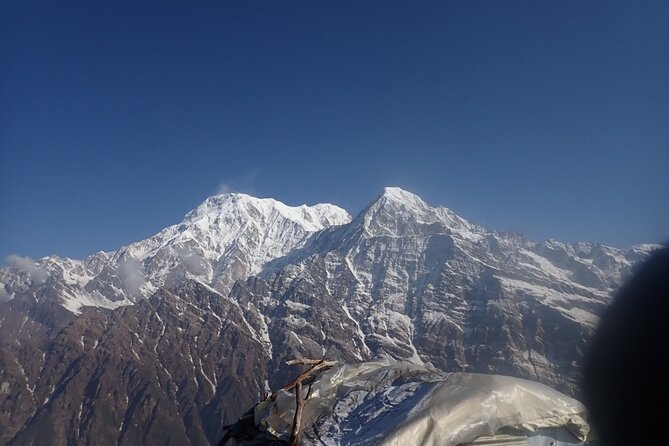
This trek climbs to 4,500m (14,763 ft) at base camp, with overnight stops around 3,000m and 3,800m. That’s not a walk in the park.
The trek is described as best suited to fit, active travelers with hiking experience and with a moderate physical fitness level. If you’ve done day hikes with elevation and can handle 6–7 hour walking days, you’ll likely do well.
The smart move is to arrive in Pokhara already feeling ready. Sleep, hydrate, and don’t go too hard on day one. If you’re sensitive to altitude, talk with your guide during the trek about pace and rest stops.
Transportation and timing: start time and your Pokhara plan
Pickup is within the Lakeside area of Pokhara, and the start time is listed as 8:15am (pickup around 8:15–8:30am). The route starts by driving to Kande, then hiking onward.
That means your hotel matters. If you stay outside Lakeside, you may have a mismatch with the pickup area. Choose a location where getting to the pickup point is easy.
You’ll return to Pokhara from Shiding by jeep, with around a 2-hour drive.
Weather reality (and why that matters for base camp)
The trek requires good weather, and if poor weather cancels the experience, you’ll be offered a different date or a full refund. That’s normal for Himalayan trekking, but it’s also important for planning your overall trip.
If your Pokhara itinerary is tight, keep flexibility. If you can, give yourself a buffer day so a weather shift doesn’t derail your whole plan.
Should you book this Mardi Himal trek?
Book it if you want:
- a clear four-day plan,
- a private guide to reduce route stress,
- permits and guesthouses handled,
- and a trek that still feels authentic with tea-house life.
I’d think twice if you:
- hate cold weather and long hiking days,
- aren’t comfortable with the altitude and multi-day walking,
- or you’re staying outside the Lakeside area and don’t want to deal with pickup complications.
If you’re an active traveler who wants big mountain views without a navigation headache, this is a practical, value-focused way to do Mardi Himal from Pokhara.
FAQ
What does the trek include?
It includes guesthouse accommodation, an English-speaking trekking guide, hotel pickup and drop-off within Lakeside, TIMS and the Annapurna Conservation Area permit, and the main transfers (Pokhara to Kande by private car, and Sidhing to Pokhara by sharing jeep). It’s a private trip for your group.
Are meals included during the trek?
No. All meals and drinks are not included, but they are available for purchase along the way at tea houses/guesthouse stops.
What is the highest point on this trek?
The trek reaches Mardi Himal Base Camp at about 4,500 meters (14,763 feet).
Where do the pickups and drop-offs happen in Pokhara?
Pickup and drop-off are offered within the Lakeside area of Pokhara.
Is this a private trek or shared group trekking?
It’s private, meaning only your group will participate.
What fitness level do I need?
The trek is described as best for travelers with moderate physical fitness and hiking experience, plus it’s suited to active travelers.
What permits are provided?
You’ll have TIMS and an Annapurna Conservation Area permit included.
What happens if bad weather cancels the trek?
The experience requires good weather. If it’s canceled due to poor weather, you’ll be offered a different date or a full refund.