REVIEW · POKHARA
4-Day Private Trekking Experience to Poon Hill and Ghandruk
Book on Viator →Operated by North Nepal Treks · Bookable on Viator
Sunrise over 8,000m peaks happens here. This short private trek from Pokhara mixes mountain viewpoints above 8,000m with forest walks and village time in Ghandruk, so you get big scenery without giving up real cultural stops. You’ll chase the Poon Hill glow on snow-covered giants and also spend time in Ghandruk with paddy fields and mountain backdrops.
I like how the route gives you more than one kind of payoff. Rhododendron forest walks and colorful blooms make the day-to-day trekking feel alive, then teahouse nights in Ghorepani set you up for major views. I also like the balance of scenery and people, especially the Gurung village culture in Ghandruk, plus the old museum with traditional tools and weapons.
One thing to plan around: this experience is weather-dependent. If clouds roll in, sunrise and peak visibility can drop fast, which is why the best results come from flexible dates and a solid mindset for changing mountain conditions.
In This Review
- Quick Hits: What You’ll Notice Fast
- Why This Poon Hill and Ghandruk Combo Works in Four Days
- Day 1: Sarangkot Drive and Your Trek Start in the Pokhara Hills
- Day 2 in Ghorepani: Rhododendron Forests, Teahouse Nights, and Big-Mountain Views
- Day 3: Poon Hill Sunrise Magic, Then Tadapani for a Second Shot
- Day 4: Ghandruk Gurung Village Life, Slate Roof Houses, and the Old Museum
- Guide-Handled Permits and Private Transport That Keep You Calm
- Meals, Teahouses, and What Comfort Really Means on This Trek
- Price and Value: Is $350 Fair for a Private Four-Day Trek?
- Weather, Pace, and How to Get the Best Views
- Who This Trek Fits Best (and Who Might Want Something Different)
- Should You Book This Trek with North Nepal Treks?
- FAQ
- Where does the trek start and where does it end?
- Is transportation included?
- How long is the trek?
- What is the price per person?
- Is it a private group?
- Are permits included?
- What meals are included?
- What’s not included?
- Are any entrance fees included?
- Is a mobile ticket provided?
- What if weather is bad?
Quick Hits: What You’ll Notice Fast
- Two sunrise-style viewpoints: Poon Hill for the main golden-hour moment, plus a second look from Tadapani the next day.
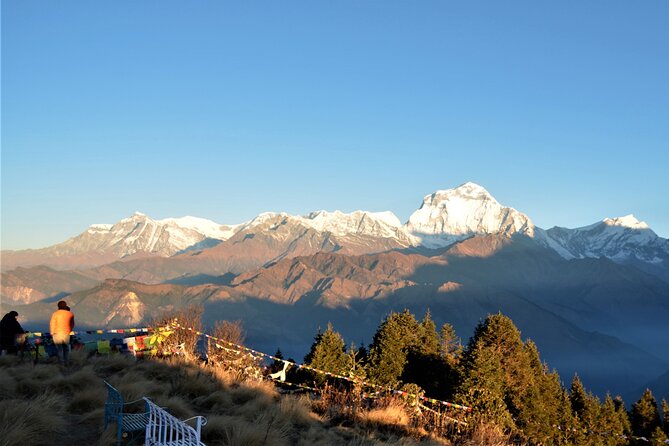
- 8000m-scale views: Dhaulagiri (8,167m) and Annapurna (8,091m) are part of the mountain-picture you’ll be aiming for.
- Rhododendron forests on the trekking days: the trail seasonally turns into a flower-and-bird kind of walk.
- Private trek feel: it’s only your group, with private transportation handled for you.
- Ghandruk is more than a photo stop: Gurung village life, local food, and a museum with traditional artifacts.
- Permits and documents handled: ACAP/TIMS and related paperwork are included, so you’re not piecing it together yourself.
Why This Poon Hill and Ghandruk Combo Works in Four Days
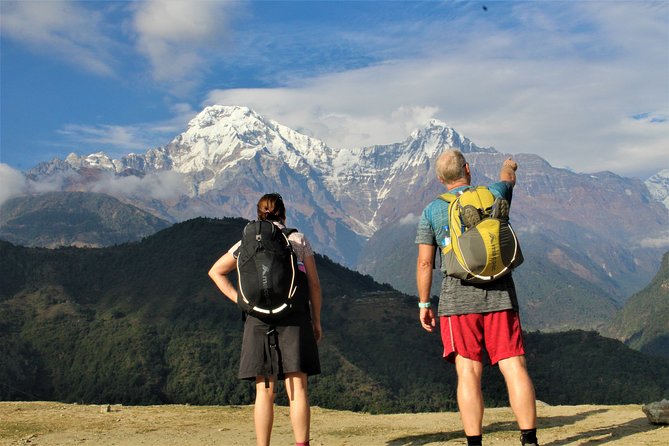
If you want a taste of the Annapurna region without committing to a longer expedition, this route is smart. You get mountain drama early, then swap in forest scenery, then finish with village culture that feels grounded rather than rushed. The pacing is short enough that you can focus on the views and the trail experience, not just checking boxes.
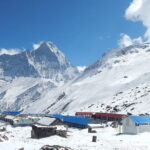
The other reason this trek works is variety. Day after day, the scenery changes: forested paths, teahouse evenings with wide mountain sightlines, a sunrise viewpoint, then agricultural village settings around Ghandruk with Annapurna and Machhapuchhre in the background.
It also helps that the trek is structured around flexible viewpoint timing. Poon Hill is the headline sunrise stop, and Tadapani gives you a practical second chance if weather doesn’t cooperate perfectly the first morning.
You can also read our reviews of more tours and experiences in Pokhara.
Day 1: Sarangkot Drive and Your Trek Start in the Pokhara Hills
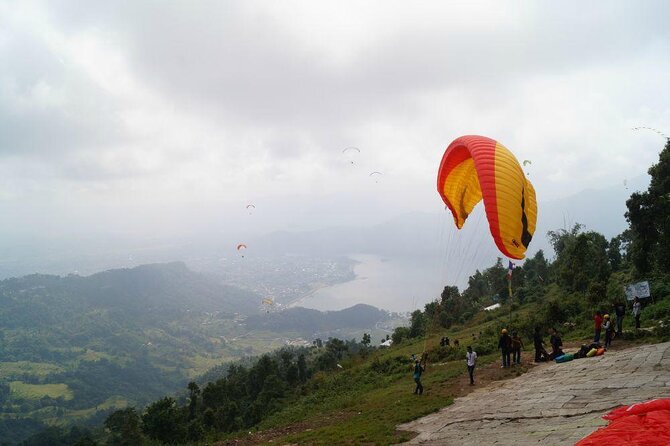
Your first day starts with a scenic drive through Sarangkot village. From there, you look out toward Phewa Lake, the Pokhara valley, and the mountain range in the distance. This is a nice way to ease into the trip instead of jumping straight into hiking.
Then you transition to the trek starting point. That shift matters more than it sounds. After the drive, you’re already in the right mental zone—camera ready, thinking about morning light, and not feeling like the whole day is one long arrival-and-adjustment blur.
Practical tip: build time into your day for photos and a quick snack before the trek begins. The payoff of Sarangkot is that you’re not only seeing mountains—you’re seeing how the whole Pokhara region sits around them.
Day 2 in Ghorepani: Rhododendron Forests, Teahouse Nights, and Big-Mountain Views
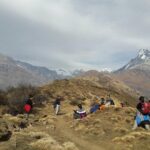
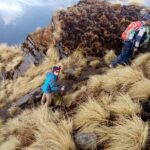
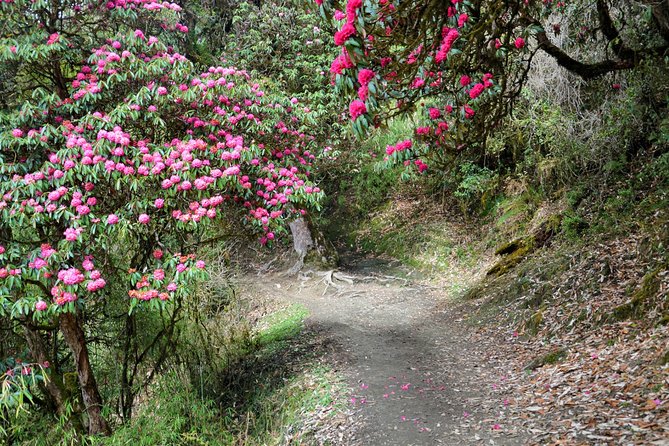
Day two is where the trekking starts to feel like trekking. Expect dense rhododendron forest scenery, flower colors, and open fields along the way. This is the day you’ll notice birds and the seasonal feel of the trailsides, so it’s not just about reaching viewpoints.
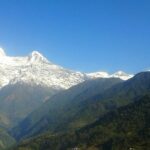
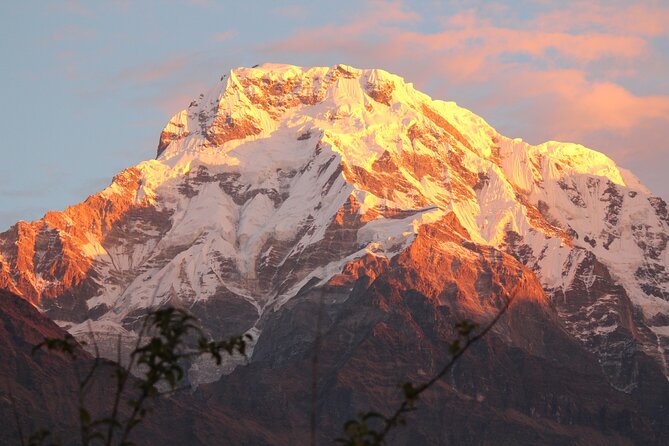
Ghorepani is your overnight stop, and it’s set up around comfort. You spend the night in teahouses, and one of the best parts is the view angle from your room. The listed mountain sights are the kind of lineup that makes people blink twice: Dhaulagiri I (8,167m), Annapurna I (8,091m), Annapurna South (7,219m), Machhapuchhre (6,997m), Hiunchuli (6,441m), and more.
Why I like this day: it blends movement with downtime. Forest walking gives you rhythm, then teahouses bring you warmth, food, and time to watch clouds move across the peaks.
Possible drawback: teahouses mean shared spaces and simple comforts. You’ll get a cozy base, but it’s still mountain lodging—so don’t expect the smoothness of a city hotel.
Day 3: Poon Hill Sunrise Magic, Then Tadapani for a Second Shot
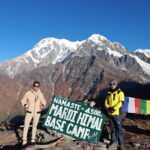
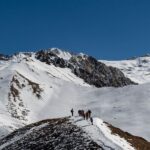
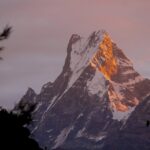
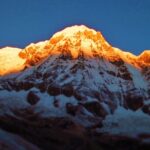
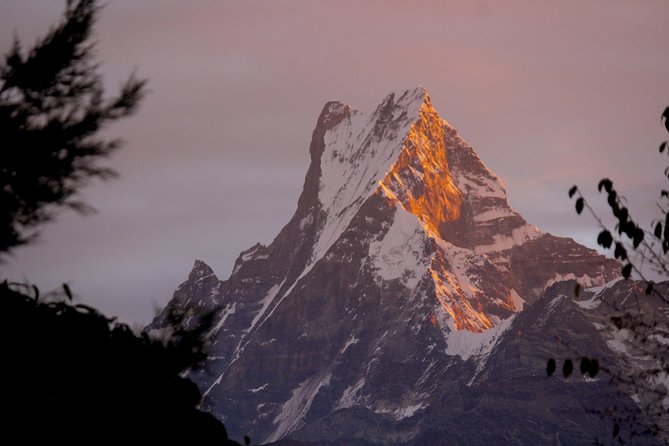
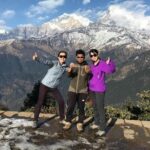
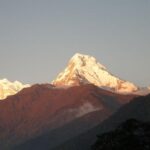
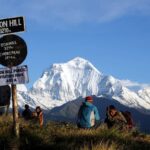
Morning on day three focuses on Poon Hill. The idea is simple and effective: you’re there for sunrise when the light turns snow-covered peaks into something almost gold. From the viewpoint area, you can look toward Dhaulagiri, Annapurna South, Fishtail, and Singa Chuli.
What I’d tell you to do on this morning: treat it like a mission, not a casual stroll. The value of Poon Hill comes from timing and patience. You’ll likely spend a couple hours around the viewpoint area, watching the color shift as the sun rises.
Then you move onward to Tadapani, which is your next stop and also your backup plan for views. Tadapani offers great angles toward Annapurna South and Machhapuchhre, and it can save your trip if the first morning didn’t deliver the clarity you hoped for.
This second-chance design is underrated. Mountain weather changes quickly, and having Tadapani in the itinerary gives you more than one chance at the kind of visibility that makes pictures look like they belong on postcards.
Day 4: Ghandruk Gurung Village Life, Slate Roof Houses, and the Old Museum
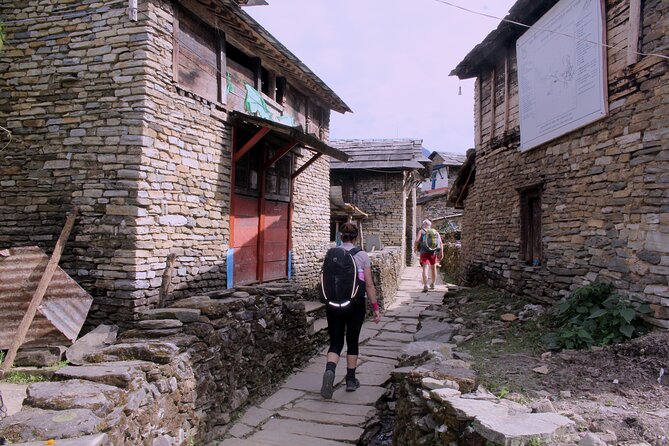
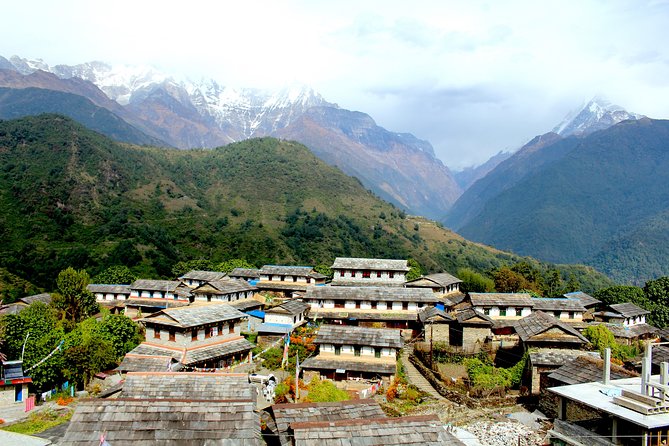
Day four is about slowing down. You reach Ghandruk and spend time learning the Gurung lifestyle and customs. This is where the trek stops being only about scenery and turns into a real cultural visit: local foods, village routines, and traditional architecture with slate roofed houses set beside paddy fields.
The views from here are also strong. You get mountain backdrops that include Annapurna and Machhapuchhre, which means your final day feels like a blend of village and panorama rather than a straight downhill finish.
You also visit the Old Gurung Museum. It’s a shorter stop (about 30 minutes), but it’s the kind of place where you see traditional Gurung equipment, tools, and weapons. Even if you’re not a museum person, this adds context to what you’ve been seeing in the village.
Why this ending works: it gives meaning to the trek. After walking through forests and chasing sunrise light, you’re not just tired and relieved—you’re informed. You leave with a better sense of who lives in these mountain valleys and how daily life fits around the peaks.
Guide-Handled Permits and Private Transport That Keep You Calm
This is a private trekking experience, so you’re not sharing the route with random groups. Only your party participates, and private transportation is included, which matters on a short trek. In four days, wasted time is more noticeable, so having transport organized helps you stay focused.
On top of that, the tour includes all legal documents such as ACAP and TIMS permits. That removes a common hassle point in Nepal trekking. Instead of figuring out paperwork on your own schedule, you’re covered—especially helpful if you’re arriving in Pokhara and trying to start fast.
The mountain guide is also included. The best part of a strong guide here isn’t just navigation. It’s pacing you can trust, help with safety and decision-making, and the ability to keep your day moving even when conditions change.
From the guide stories connected to this operator, names like Gopal Tamang, Raj, Mahendra, Niraz, and Jeewan show up with consistent themes: caring support, patience on the trail, and attention to details like good food, good photo opportunities, and a calm tone when weather turns. You’re paying for more than direction—you’re paying for reduced stress.
Meals, Teahouses, and What Comfort Really Means on This Trek
Meals are included for multiple days: breakfast is listed for three mornings, with lunch and dinner included across the trek (lunch four times, dinner three times). Practically, this takes the guesswork out of your daily planning.
Your overnight stops are teahouses, which means you eat where you sleep. You’ll want to be okay with simple mountain lodging and basic amenities, but the setup is designed for comfort during a short, active trek. One of the reasons Ghorepani works well is that the teahouse experience lines up with the mountain-view payoff.
There’s also a clear note on what’s not included: personal expenses like laundry, boiled water, bottle water, and bar bills. That’s normal, but it’s worth planning for so the trip cost stays predictable.
Tip: if you’re sensitive to cold early mornings, consider how you’ll handle hot drinks and warm meals before sunrise. The trek is timed for views, so you’ll benefit from using your downtime wisely.
Price and Value: Is $350 Fair for a Private Four-Day Trek?
At $350 per person, you’re not just paying for footsteps. You’re paying for a package that includes private transportation, permits and legal documents (ACAP/TIMS), a professional mountain guide, and a full set of meals. For many people, that’s the real value: you don’t have to build the trip piece by piece.
A private trek also changes the math. In group treks, costs can look cheaper, but your pace and timing get diluted. Here, private transport plus a private group feel means you spend more of your energy on the trail and less on logistics.
Where this price becomes especially fair is the combination of:
- Sunrise viewpoint time at Poon Hill and a second viewpoint day from Tadapani
- A cultural village day in Ghandruk with an included museum visit
- Multiple meals included across four days
- All the permit paperwork handled in advance
The only reason you might hesitate is if you have tight flexibility issues around weather. Since you’re paying for sunrise-grade views, bad visibility days can feel like lost moments. If your schedule can bend, you’re likely to feel good about the value.
Weather, Pace, and How to Get the Best Views
This trek clearly revolves around sunrise and wide peak visibility. The experience itself states that good weather is required for the best results, so it’s not a “rain or shine” certainty. That means you should plan to be flexible with expectations.
Day three is your biggest visibility gamble because Poon Hill sunrise is the main golden-hour moment. Day four and Tadapani help balance this, giving you additional angles and chances for clear conditions.
If you’re trekking during wetter conditions, the mountain can come with more than rain. One guide story connected to this trek mentions few leeches during a rainy stretch. You don’t need panic, but you should be prepared with basic protection and the right mindset if conditions are damp.
Pace-wise, this is described as suitable for most travelers, and you’ll have a guide to keep things manageable. Still, you’re trekking in Nepal’s hill and mountain terrain, so you should come ready to walk consistently for several hours each day.
Who This Trek Fits Best (and Who Might Want Something Different)
This trek is a strong fit if you want:
- A short Annapurna-area trek with major mountain views
- A sunrise-focused itinerary without needing a long hike
- Forest walking that isn’t all steep climbing
- A finish that includes Gurung village culture and a museum stop
It’s also a good choice if you prefer private guidance and transport, because it reduces your mental load. The meeting point in Pokhara and returning to the same area at the end make the trip feel tidy.
Who might want to consider another option: if you’re extremely weather-sensitive and cannot shift your dates at all, sunrise visibility can be unpredictable. In those cases, you can still enjoy the villages and trails, but you’re taking on more risk that the sky won’t cooperate.
Should You Book This Trek with North Nepal Treks?
If you want a four-day experience where sunrise views are the headline and culture is a real part of the story, this is an easy yes. The route gives you multiple viewing opportunities, includes permits and guide support, and finishes in Ghandruk with both village life and a hands-on museum stop.
Book it especially if you value a smooth private setup: pickup, private transportation, private group time, and meals included. That’s the kind of structure that helps you enjoy the trek instead of managing it.
If you’re on the fence, decide based on two things: your willingness to plan around weather and your interest in both mountains and people. This trek is at its best when you’re excited for sunrise light and curious enough to learn about Gurung life in Ghandruk.
FAQ
Where does the trek start and where does it end?
The trek starts at North Nepal Travel & Trek Pvt.Ltd, 13th Street, Street No. 13, पोखरा 33700, Nepal. It ends back at the same meeting point.
Is transportation included?
Yes. Private transportation is included, including pickup offered.
How long is the trek?
It runs for about 4 days.
What is the price per person?
The price is $350.00 per person.
Is it a private group?
Yes. This is a private tour/activity, so only your group participates.
Are permits included?
Yes. All legal documents such as ACAP/TIMS permits and related permits are included.
What meals are included?
Breakfast is included for 3 days, lunch for 4 days, and dinner for 3 days.
What’s not included?
Not included are personal expenses such as laundry, boiled water, bottle water, and bar bills.
Are any entrance fees included?
Museum admission is included for the Old Gurung Museum. Other admission items listed for viewpoint stops are marked as free.
Is a mobile ticket provided?
Yes. A mobile ticket is included.
What if weather is bad?
The experience requires good weather for the best results. If it’s canceled due to poor weather, you’ll be offered a different date or a full refund. Free cancellation is available up to 24 hours in advance for a full refund.