REVIEW · GHANDRUK
Pkr/Kathmandu: 5-Day Annapurna Base Camp & Hot spring Trek
Book on GetYourGuide →Operated by Travel Guides · Bookable on GetYourGuide
One sentence can change your mood fast. This 5-day Annapurna Base Camp trek gets you to Annapurna Base Camp quickly, with a real mix of forests, villages, and big mountain moments. I love how the route feels active every day, not just a slog to altitude, and I especially like the finish at Jhinu Danda hot springs to loosen your legs. The trade-off is that it’s moderate to challenging and the altitude comes up fast, so you need a smart pace and a cold-weather mindset.
What makes this trek work for many people is the structure: you sleep in simple mountain guest houses, you eat at tea houses along the way, and you’re not left guessing. You’ll have a guide and, on some options, a porter too, which makes the trek feel more focused on walking and taking in the views rather than logistics. The other consideration is that weather can shift quickly—cold, rain, and even snow can show up—so bring warm layers and expect the trail to feel tougher than the photos.
In This Review
- Key points I’d plan around
- A 5-Day Annapurna Base Camp Trek That Hits the High Notes
- Getting On the Trail: Kathmandu or Pokhara to Simrung
- Forests, Waterfalls, and Deurali’s Steady Climb
- Machhapuchhre Base Camp Valley: Where the Trek Feels Different
- The Sunrise Back-Track: Deurali, Himalaya, and Dobhan
- Jhinu Danda Hot Springs and the Last Descent to Pokhara
- Guides, Porter Teams, and the Safety-First Feel
- What You’ll Actually Sleep and Eat Like
- Price and Value: Why This 5-Day Format Can Make Sense
- Packing Advice for a Cold, Fast Climb
- Who Should Go—and Who Should Skip This ABC Plan
- Should You Book the 5-Day Annapurna Base Camp & Hot Springs Trek?
- FAQ
- How long is the Annapurna Base Camp trek?
- Do I start from Kathmandu or Pokhara?
- What is the highest altitude on this route?
- Is the hot spring at Jhinu Danda included?
- What accommodations are included during the trek?
- What languages are available for the guide?
- Is travel insurance included?
- Is a guide included?
Key points I’d plan around
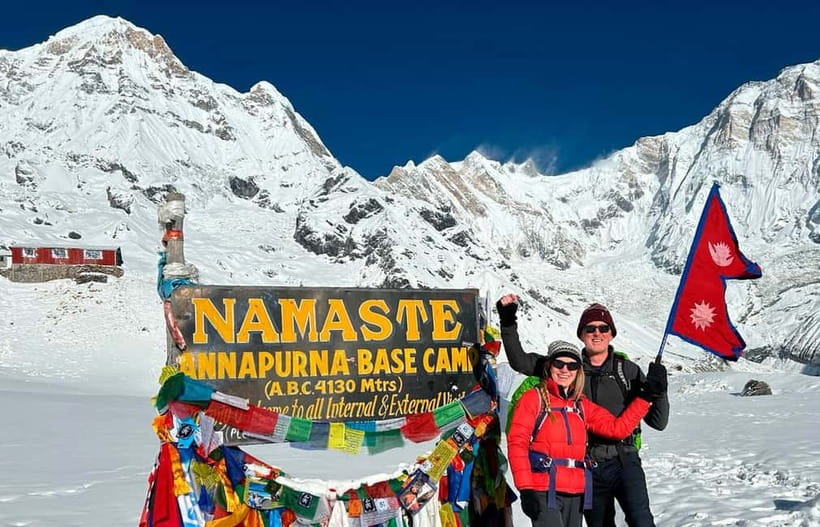
- Fast access to ABC (4130 m) in just 5 days, so you get big payoff without a long trip.
- Machhapuchhre Base Camp sunrise is timed for an early morning view moment.
- Tea houses and guest houses keep things practical: you sleep warm and eat on the trail.
- Natural hot springs at Jhinu Danda are an optional way to recover on day 5.
- Guides and porters matter, and the best matches prioritize safety, pacing, and calm problem-solving.
A 5-Day Annapurna Base Camp Trek That Hits the High Notes
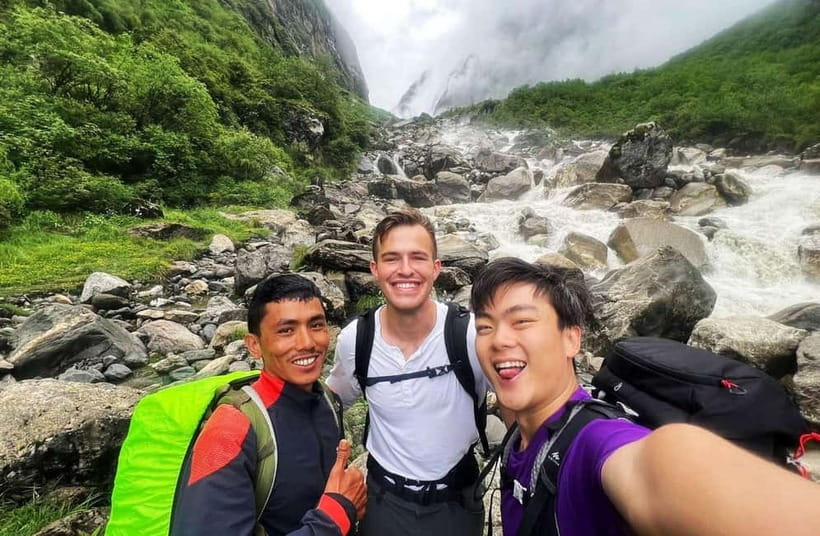
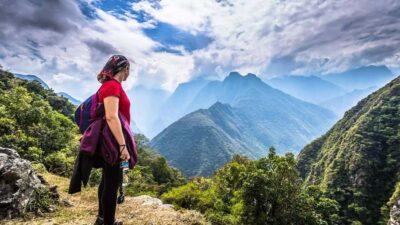
This is the Annapurna Base Camp trek for people who want the main goal without sacrificing the scenery. In five days you reach the Annapurna Sanctuary area, where the dramatic walls and peaks feel closer than you expect. The altitude is the headline—ABC sits around 4130 m—but what you remember day-to-day is how varied the walk feels: river crossings, forest sections, waterfall views, and small villages stitched together by tea-house hospitality.
I like the rhythm here because it’s built around guest houses and food stops. You’re not constantly rushing to make the next tiny milestone. And because the route loops through places like Deurali and the Machhapuchhre Base Camp area, you get a sense of the Annapurna range instead of only arriving at the final point.
Do note: the trek climbs quickly for a five-day format. If you’re worried about altitude, or you’ve never hiked in cold mountain conditions, you’ll want to take acclimatization seriously and listen to your guide’s pacing.
You can also read our reviews of more tours and experiences in Ghandruk.
Getting On the Trail: Kathmandu or Pokhara to Simrung
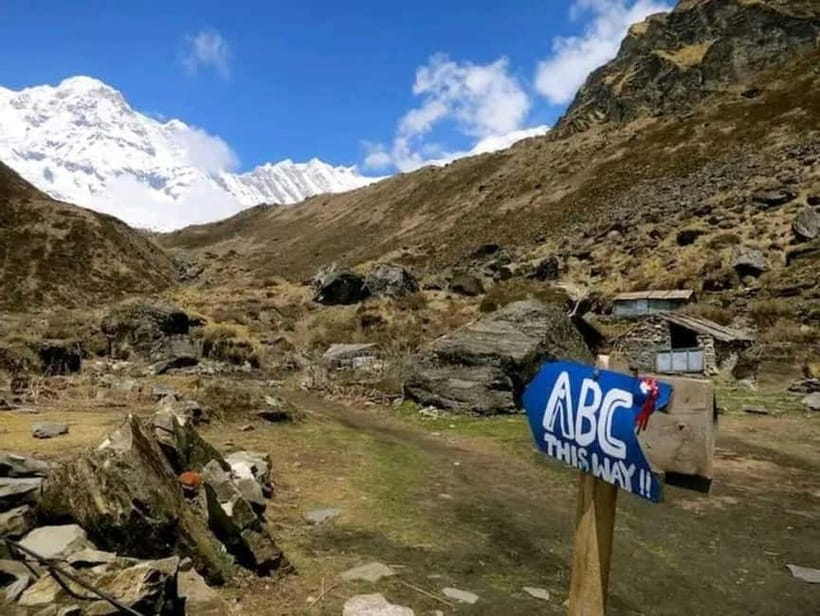
You start from Kathmandu or Pokhara, and the plan depends on which base city you choose. If you begin in Kathmandu, there’s a short flight to Pokhara (about 30 minutes). Either way, the trekking journey begins with ground transfer: you drive from Pokhara to Simrung via Nayapul, roughly 2–3 hours, then start hiking from Simrung.
Day 1 is typically your “settle in” day—four to five hours of trekking from Simrung to Sinuwa. You climb gradually enough to get your lungs working without feeling like you’re sprinting uphill on day one. Sinuwa is also where you’ll sleep in a mountain guest house (around 2340 m max on day one), which sets expectations: simple rooms, mountain-style comfort, and an early bedtime so you can wake up for the higher days.
One practical upside of starting this way: you’re not immediately dealing with the hardest elevation on the first morning. But you still need hiking shoes that actually grip. Early mud, rocky steps, and cold stones can make day one feel more intense than you’d think.
Forests, Waterfalls, and Deurali’s Steady Climb
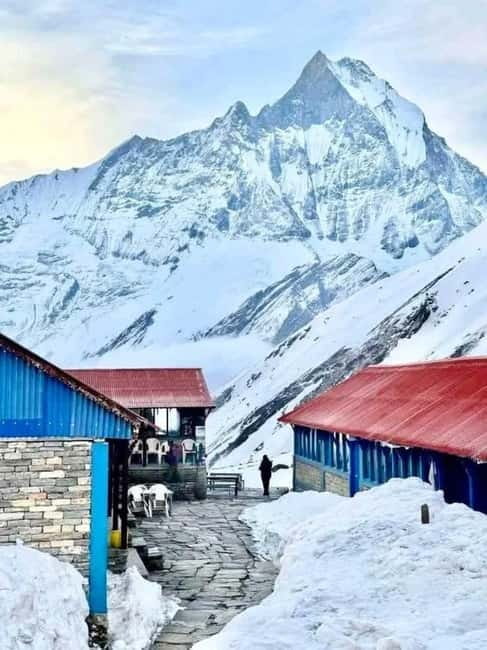
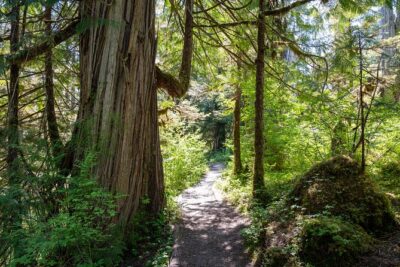
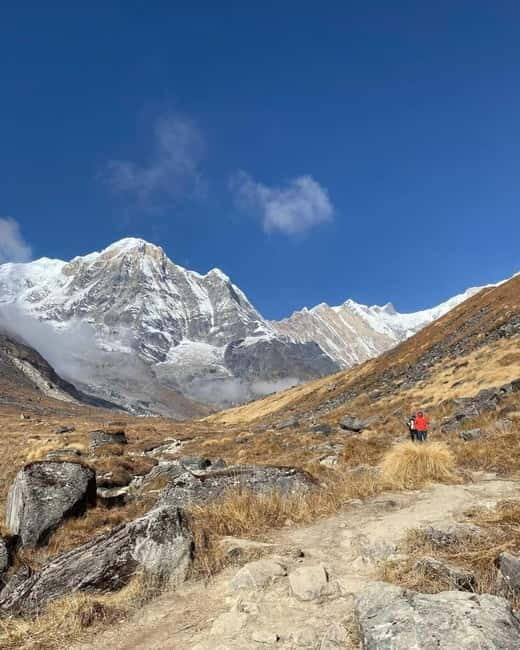
Day 2 takes you from Sinuwa to Deurali, around 5–6 hours trekking. The route runs via Himalaya, a small settlement with tea houses, and the day’s character is all about moving through dense forest and waterfalls. This is a great day for photos, but it’s also a great day for learning your pace. When it’s wet, the trail can be slick. When it’s cold, your hands get slow. You’ll feel the altitude more by how your breathing changes than by dramatic symptoms.
Deurali is your night stop (about 3230 m max). The guest house vibe here matters. You want a place where you can warm up, eat, and let your body settle before the big ascent day. This is also where a good guide earns their keep: they keep you from going too fast just because you feel good early.
The drawback on day 2 is the same one across much of the Annapurna trek. Conditions can swing. Even if the morning looks clear, you might hit fog, mist, or rain later. Bring a rain layer you’ll actually use, not a “maybe someday” jacket.
Machhapuchhre Base Camp Valley: Where the Trek Feels Different
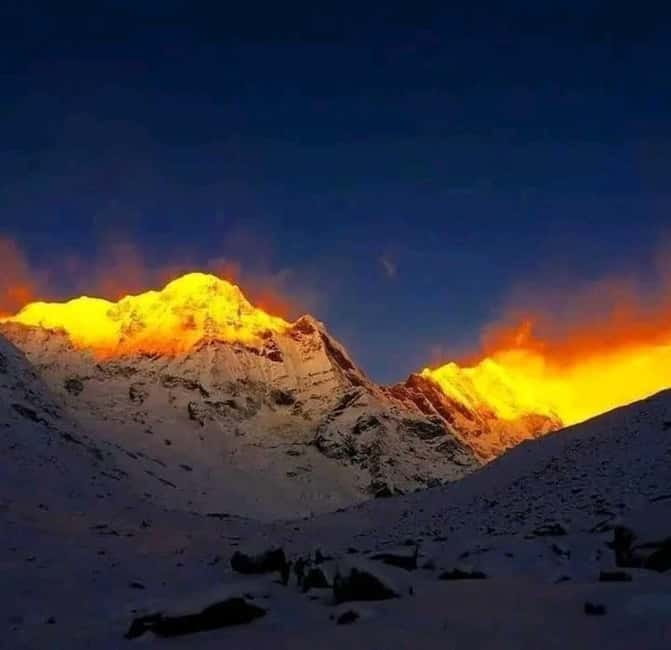
Day 3 is the big one: Deurali up to Annapurna Base Camp in 5–6 hours, passing through Machhapuchhre Base Camp (often called MBC). This section is known for feeling unlike the earlier walk. The trail funnels you toward wider, more dramatic views, and the MBC valley experience can feel like the mountains are organizing themselves into something you can finally understand.
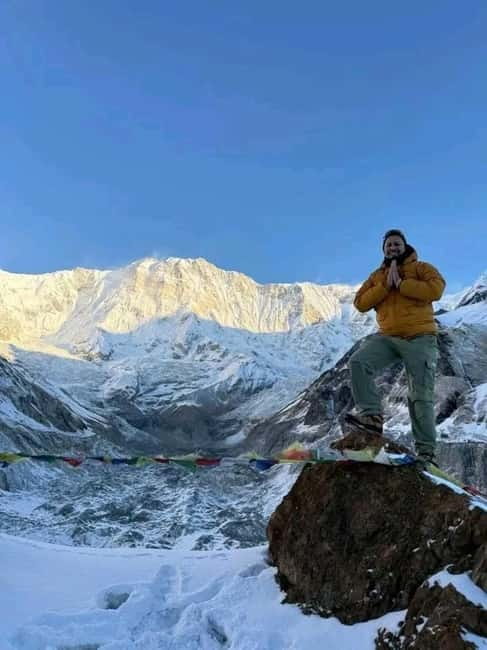
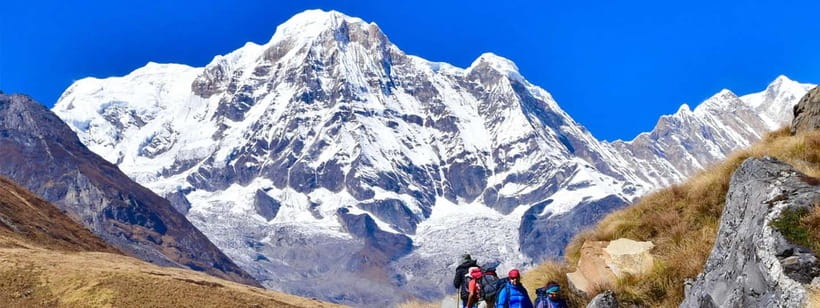
You’ll reach Annapurna Base Camp around 4130 m, and that’s where the reward turns real. This is the day for seeing the Annapurna I region in full scale—plus views of peaks like Machapuchare and Hiunchuli from the ABC area. The plan includes a night at tea houses at ABC, so you’re sleeping at very high elevation with a big difference in temperature from the lower valleys.
There’s also a sunrise component built into this itinerary’s structure. The Machhapuchhre Base Camp area is specifically highlighted for a sunrise moment, which means you’ll likely start early to catch the light. If you’ve never done mountain sunrise before, it’s worth treating it like a performance: warm layers, hat, gloves, and water so you don’t feel chilled and annoyed at the same time.
One caution: day 3 is where people get tempted to push hard for the view. Don’t. The mountains don’t care that you really want a good photo. A controlled pace keeps you safer and usually makes the view feel even better once you arrive.
The Sunrise Back-Track: Deurali, Himalaya, and Dobhan
Day 4 brings you down and back toward lower elevations, trekking about 6–7 hours from Annapurna Base Camp to Bamboo or Sinuwa. Your route goes via Deurali, Himalaya, and Dobhan. The focus shifts from “reach the summit of this trek” to “recover your energy” while still keeping a strong rhythm.
This day includes another sunrise viewing moment before you head down. So you’re basically trading a later sleep for a brighter view. If you’re the type who always wants one more photo, this day can feel like a gift. If you struggle with early mornings, set your expectations now and plan on feeling tired but accomplished.
You’ll end the day in Bamboo or Sinuwa (with a minimum altitude around 2340 m on the itinerary’s return profile). It’s a classic mountain pattern: descent reduces altitude stress, but you still need leg strength. The trail down can beat up your knees and thighs, especially if your shoes don’t have good cushioning and if you walk too fast to “make up time.”
A practical tip: on steep downhills, shorten your stride. It sounds basic. It also saves your body from doing the wrong kind of work.
Jhinu Danda Hot Springs and the Last Descent to Pokhara
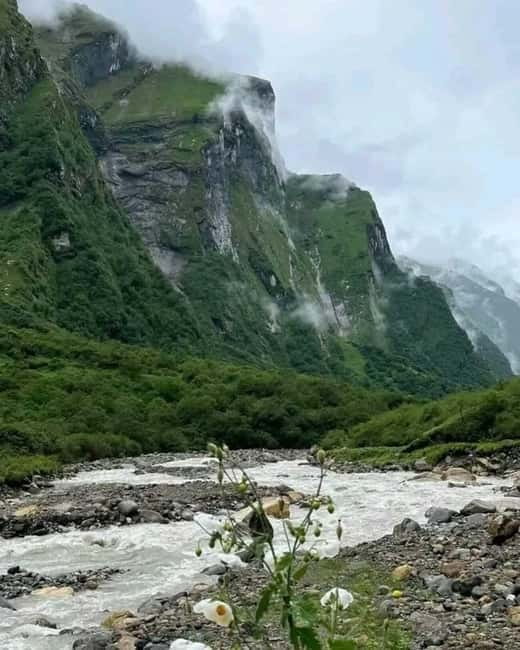
Day 5 is your finish line, and it’s the day that adds joy back into the trek. You hike from Bamboo/Sinuwa to Simrung via Jhinu Danda for the hot springs, about 3–4 hours, then drive back to Pokhara for around 2–3 hours. You’ll drop to a minimum altitude around 830 m, and you’re expected to be back at Pokhara by about 17:00.
The hot springs at Jhinu Danda are optional, but they’re also a rare chance to turn your recovery into a real activity. After days of cold and altitude, soaking your legs in natural warm water can make you feel human again. It’s also a welcome reset before you switch from trekking life to hotel life.
That optional part matters, too. If you’re already exhausted, you might choose to shorten or skip. But if you’re feeling okay, this is the easiest day to justify taking it slow for comfort.
One more practical note: the day includes both hiking and a drive. Keep your energy up with water and snacks, especially because hot springs can make you feel like staying longer than your schedule allows.
Guides, Porter Teams, and the Safety-First Feel
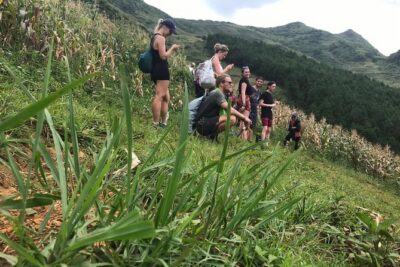
This trek is built around people. You travel with a private group and you have a guide with English, French, Japanese, or Chinese, plus a porter option depending on which package you choose. In mountain trekking, the difference between a good trip and a hard trip is often the humans who manage pace, meals, and problem-solving.
I really like how the trekking model here treats safety as a daily habit. A strong guide keeps an eye on breathing rate, hydration, and whether you’re moving too quickly. You’ll see that reflected in how guides like Raj are described as making a last-minute plan work, and how guides like Sagar and Shiva are praised for pacing, organization, and keeping trekkers comfortable.
Porters also change the math. People like Naron and Azis are highlighted for going above and beyond, including helping make the hard parts feel manageable. And if something goes wrong with equipment, you want someone who handles it calmly. One example from a past trek: when trekking poles didn’t arrive as expected, Anarayan (called Nareen) reportedly fashioned bamboo poles on the spot. That’s the kind of practical problem-solving that keeps a trip from turning stressful.
Private guiding also helps with respect and comfort. If you’re trekking as a mixed group, having a guide who sets a supportive tone can matter more than you think—especially on cold, long days.
What You’ll Actually Sleep and Eat Like
Accommodation is 4-night mountain guest house lodging, plus tea houses at the high point area. That means the basics are covered: a bed for the night, a place to warm up, and meals along the trek when you choose the all-inclusive option.
If you select the budget/from Kathmandu setup, some meals may be add-on. So before you go, decide whether you want the “one price” convenience or the “pick and pay” flexibility. On this trek, meal planning matters because fuel helps you walk better at altitude. Missing meals or arriving tired can add stress fast.
Equipment support is another value point. The trek includes borrowing essential gear like sleeping bags, duffle bags, and trekking poles. This is huge if you’re traveling light. Still, don’t assume the gear will be perfect on arrival. If you don’t see the poles you expected, raise it quickly with your guide and get sorted before the cold sets in.
Price and Value: Why This 5-Day Format Can Make Sense
At $60 per person, the big question is what that price covers beyond the romantic idea of reaching Annapurna Base Camp. This package includes the essentials that usually cost real money on trekking routes: permits, a guide, guest house nights, and transfers between Pokhara and the trekking start via shared jeep. It also includes first aid and access to borrowed trekking gear.
What’s not automatically included is meals for every configuration, hot/cold/alcoholic drinks, travel insurance, and porter service for some budget options. So the value depends on which add-ons you choose.
Here’s the practical way to think about it:
- If you want a smoother trip and less decision-making, choose the option where meals and a porter are included.
- If you’re comfortable managing your own meals or moving without a porter, the base price can feel like a good deal.
- In both cases, you should still budget for your insurance. Altitude hiking is exactly the kind of activity that makes travel insurance useful.
For this route, the real “value” isn’t only the price. It’s time. Getting ABC in five days is a strong match if you don’t want to spend a week or more on the trail. You trade comfort and gradual acclimatization for schedule. If you can handle that trade, you’re in the right place.
Packing Advice for a Cold, Fast Climb
Your list is pretty straightforward, but don’t treat it like a suggestion. Bring warm clothing, a camera, sunscreen, and water. Hiking shoes matter more than you’d think because trails can get slippery and rocky. If you’re planning to use borrowed gear, still bring your own layers because a rented jacket might not fit how you like.
Also plan for weather swings. March to May and September to November are the best seasons to aim for, but even in good seasons, cold can bite at higher altitude. The trek is moderate to challenging and it requires a good level of fitness. Acclimatization is important, and if you’ve ever had altitude symptoms before, take that history seriously.
Not allowed items include alcohol and drugs, which is also a safety reality at altitude.
Who Should Go—and Who Should Skip This ABC Plan
This trek fits people who:
- have a decent fitness base and can hike several hours a day
- can handle cold mornings and early starts for sunrise
- want a structured ABC route with guide support and guest house lodging
It’s not suitable for people with mobility impairments, heart problems, respiratory issues, altitude sickness history, or low fitness. Altitude isn’t a detail here. It’s the main factor.
If you’re healthy but cautious, you’ll still want to move with patience. This is one of those treks where you earn the views by not forcing your body to keep up with your excitement.
Should You Book the 5-Day Annapurna Base Camp & Hot Springs Trek?
I think you should book it if you want the classic Annapurna Base Camp experience on a tight schedule and you’re okay with a moderate-to-challenging climb that includes early mornings and real cold. The combination of ABC at 4130 m, Machhapuchhre sunrise energy, Gurung village life through the route, and the recovery option of Jhinu Danda hot springs makes this feel like a complete package, not just a “reach the point” trip.
I’d hesitate if you’re sensitive to altitude, not used to hiking in cold mountain conditions, or you expect a leisurely walk. This is active. It’s short. It asks you to listen to your guide and protect your pace.
If you book, do one simple thing: confirm your meals plan, confirm what gear you’ll actually receive, and dress as if it will be colder than you hope.
FAQ
How long is the Annapurna Base Camp trek?
The trek runs for 5 days.
Do I start from Kathmandu or Pokhara?
You can start from Kathmandu or Pokhara. Travelers from Kathmandu can take a flight to Pokhara as part of the plan.
What is the highest altitude on this route?
The highest point is around 4130 m at Annapurna Base Camp.
Is the hot spring at Jhinu Danda included?
Jhinu Danda hot springs are listed as optional, and you hike to the area on day five.
What accommodations are included during the trek?
You get 4-night mountain guest house accommodation, plus tea-house lodging at the high point area.
What languages are available for the guide?
The guide can be English, French, Japanese, or Chinese.
Is travel insurance included?
No. Travel insurance is not included.
Is a guide included?
Yes, a trekking guide is included. Porter service may depend on the package option you choose.