REVIEW · GHANDRUK
Pokhara: 3 days Trek to Poon hill
Book on GetYourGuide →Operated by Anjil Manjil Travels and Tours · Bookable on GetYourGuide
Sunrise over the Annapurnas is a real rush. This 3-day, guide-led Poon Hill trek turns Pokhara’s lakeside comfort into real mountain time, with sleeps in Ulleri and Ghorepani and a pre-dawn climb for that famous viewpoint.
I love how the route mixes forest sections, hillside villages, and farmland without feeling like you’re stuck in one kind of scenery all day. I also like the way a good guide helps you move at a pace that feels doable, which makes the higher altitude parts feel less stressful.
One drawback to keep in mind: the package covers trekking essentials, but meals aren’t included, and the cold mornings at 3,000m+ are not a joke. This trek also isn’t a fit for everyone, including children under 10 and people with back or heart problems.
In This Review
- Key highlights worth your attention
- From lakeside Pokhara to Ulleri: a gentle start with altitude in mind
- Ulleri to Ghorepani: forests, rhododendron country, and steady climbing
- Poon Hill at dawn: the big views, the short hike, the cold payoff
- Lodge life in Ulleri and Ghorepani: comfort that matters on a trekking schedule
- Price and value: what you’re paying for at $287 per person
- Packing and weather: how to stay comfortable without carrying a suitcase
- Who should book this trek, and who should skip it
- Should you book this 3-day Poon Hill trek from Pokhara?
- FAQ
- What are the main stops on this 3-day Poon Hill trek?
- How long is the trek each day?
- What’s included in the price?
- Are meals included?
- What languages is the guide available in?
- How do I get to the trek start from Pokhara?
- Who should not take this trek?
Key highlights worth your attention
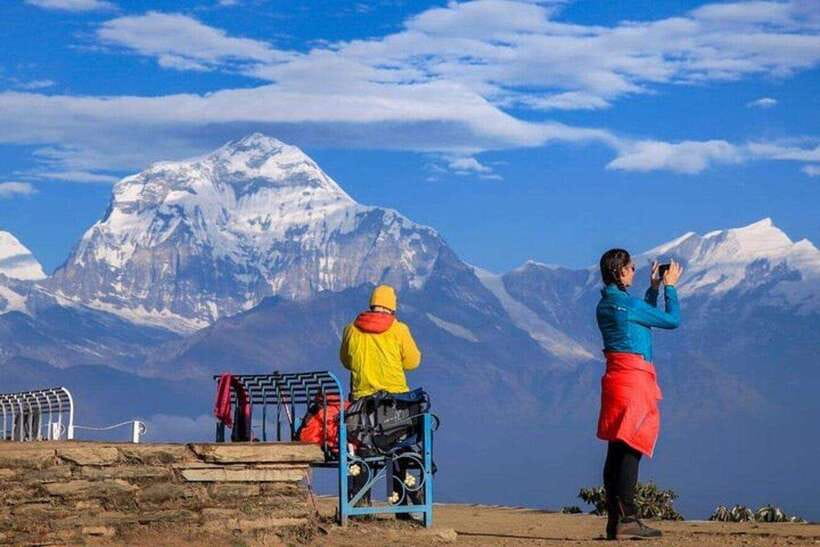
- Poon Hill sunrise views toward Annapurna, Dhaulagiri, Nilgiri, Himchuli, and Machhapuchchhre
- Two nights in mountain lodges in Ulleri and Ghorepani, with practical comforts for cold trekking days
- A guide handling the route so you can focus on breathing, walking, and getting good views
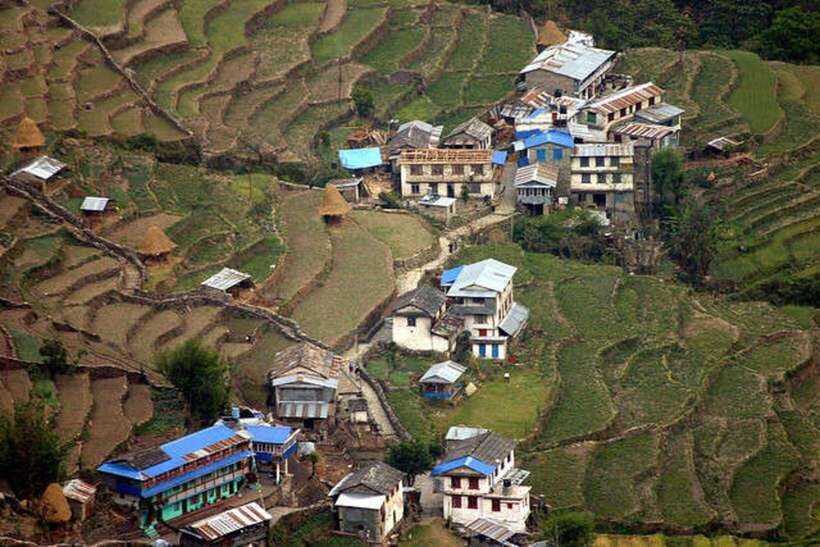
- Forest-to-village trekking through oak and rhododendron areas plus farmland and mountain settlements
- Day 3 dawn hike from Ghorepani so you’re ready when the sky starts to lighten
From lakeside Pokhara to Ulleri: a gentle start with altitude in mind
The trek begins with transport from Pokhara to Nayapul, then you start walking along the Modi Khola. This first stretch is long enough to matter (about 5–6 hours), but it’s a smart way to warm up your legs before you earn your sunrise bragging rights. You pass through places like Birethanti, and the trail keeps drifting through small village life as the valley narrows and the hills rise.
Ulleri sits at 1,940 m, and reaching it is a big psychological win. Day 1 helps you get a feel for the rhythm of mountain trekking: steady steps, short breath breaks, and plenty of time to enjoy small moments like the sound of the river and the way the path threads between homes and fields. It’s not just movement. It’s orientation.
Also, you’ll be working with a private group and an English/Hindi/Nepali-speaking guide. That matters more than it sounds, because when your guide can explain what’s next and help you pace the day, you waste less time guessing and more time enjoying.
Practical tip: keep your pack light from the start. On Day 1 you’re building strength for later climbs to higher settlements, and every extra item you carry turns into extra work.
You can also read our reviews of more tours and experiences in Ghandruk.
Ulleri to Ghorepani: forests, rhododendron country, and steady climbing
Day 2 runs about 4–5 hours and climbs from Ulleri toward Ghorepani (2,870 m). You’ll go through Banthali (2,250 m) and pass through Nangathanti (2,460 m), with a trail section that goes through oak and rhododendron forest. This is one of the best “variety days” on the trek because the walking changes character as the vegetation and terrain shift.
Forest trekking has a hidden benefit: it often feels cooler and more sheltered when weather turns. Even when the light is flat, the tree cover can make the route feel calmer and less exposed. When the sun does hit, the contrast can be dramatic.
You’ll also feel the altitude more on this day than on Day 1. The climb to Ghorepani includes a final uphill push after Nangathanti. Nothing about it is instant or painless, but it’s the kind of climb you can handle if you pace. A good guide matters here. In particular, many people love working with guides who keep you motivated without pushing too hard too fast, and who can read your pace—someone like Gobinda has been praised for doing exactly that.
When you arrive at Ghorepani, you’re not just reaching a lodge. You’re setting yourself up for the best part of the trip: the dawn hike on Day 3. You’ll sleep in Ghorepani, and that night can be cold, so plan your warmth like it’s part of the trek.
Poon Hill at dawn: the big views, the short hike, the cold payoff

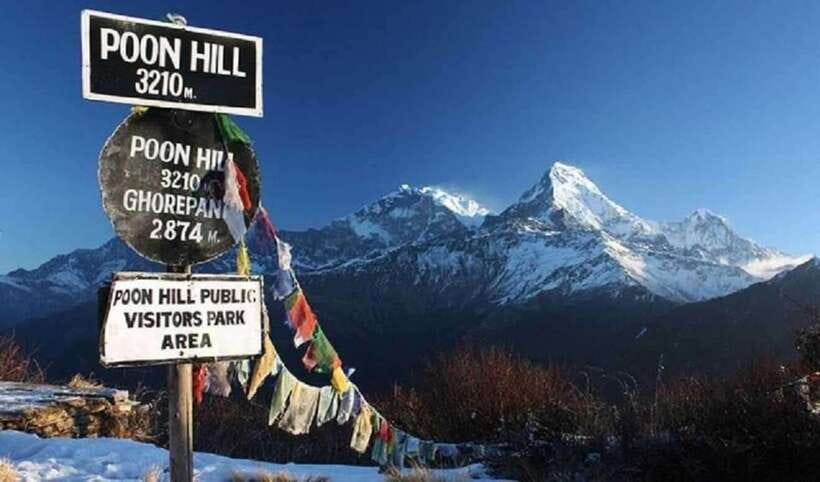
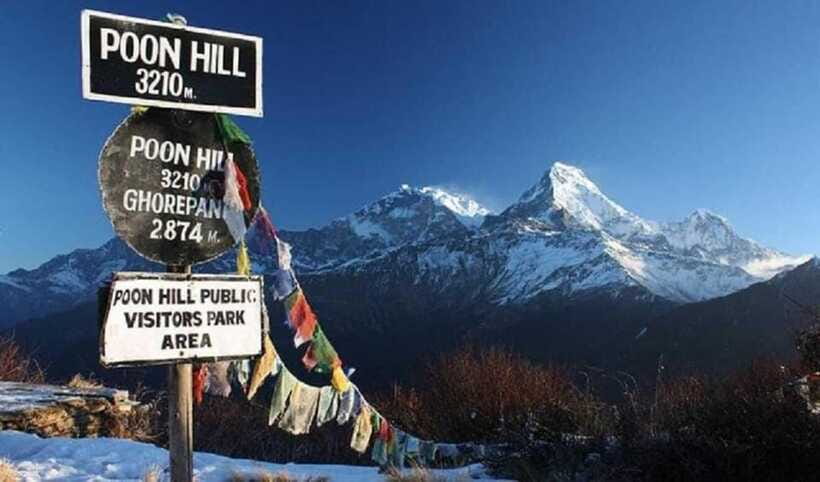
Day 3 starts early. You’ll begin the hike toward Poon Hill (3,210 m) at daybreak, and the uphill segment is about an hour. It’s short, but it’s not a casual stroll. Higher altitude mornings have a way of making every step feel slightly louder.
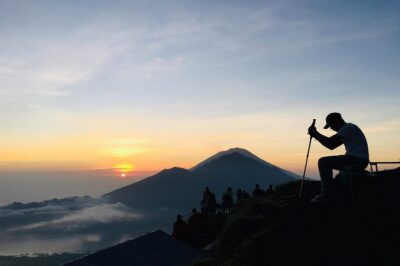
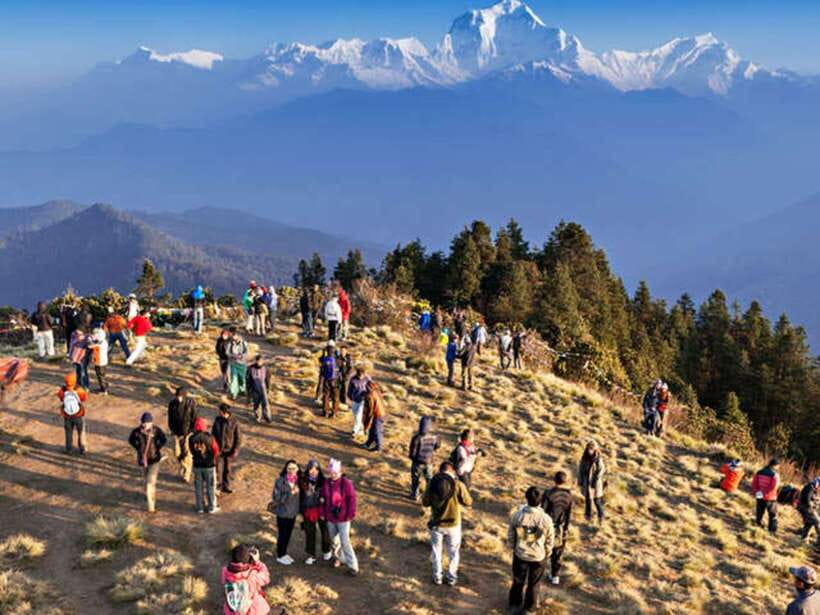
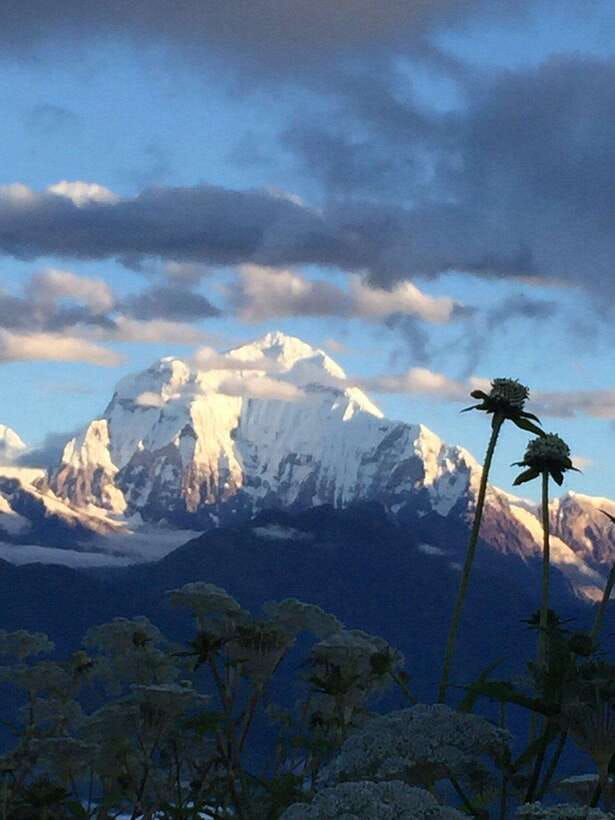
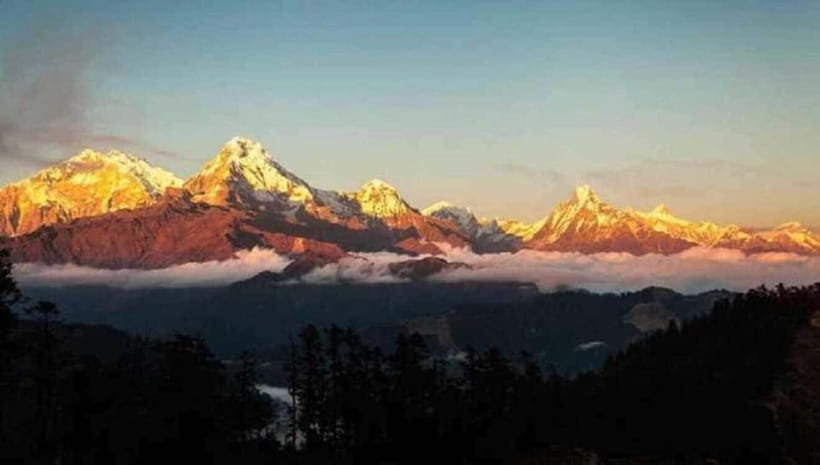
Then the viewpoint earns its fame. From Poon Hill, you can see sunrise over the Himalayas with views toward Annapurna, Dhaulagiri, Nilgiri, Himchuli, and Machhapuchchhre. The reason this works so well on a short trek is that you’re not chasing a far-off summit. You’re chasing light, and light is what changes everything—mountain colors, cloud edges, and distance clarity.
Two things I think you’ll appreciate:
- The sunrise is a payoff moment that makes the earlier days feel like they had a purpose.
- Even if the sky is moody, the mountains still show shape and depth, and your guide can help you time your viewing for when visibility is best.
After the sunrise, you head back for breakfast and then return toward Nayapool, followed by the drive back to Pokhara. That sequence is important: it turns the hardest hours into a clean story arc—climb, reward, regroup.
One thing to remember: sunrise time plus altitude means cold air. If you run cold, bring layers you can actually move in, not just a single heavy coat.
Lodge life in Ulleri and Ghorepani: comfort that matters on a trekking schedule
You’ll spend two nights in lodges—one in Ulleri and one in Ghorepani. Lodges on this route are simple, but they’re designed for hikers who need warmth, a place to dry out gear, and a bed that gets the job done.
Some trekkers have appreciated practical comforts like a warm shower and a cozy spot by the fire. That can sound like luxury until you’ve been walking in cold air and you realize how much better you feel once your body gets warmed back up. Cold feet also become a less annoying problem when your lodge routine includes real warmth and a chance to change into dry clothes.
Ask your guide what’s possible for warmth at your lodge stop. Some guides, including Gobinda, have helped ensure extra blankets are available when nights get chilly. Even if you’re generally fine in cold weather, having that option can turn a rough night into a normal one.
Also, plan how you’ll handle meals. Meals are not listed as included, so you’ll likely pay at the lodge or along the way. Build a basic food budget into your trip. And keep snack planning realistic: bring simple items you can eat without thinking too hard when you’re hungry.
Price and value: what you’re paying for at $287 per person
At $287 per person, this trek is priced like a short, organized Himalayan experience: permits and fees, a guide, two nights of accommodation, and transport to and from Pokhara are included. That’s the big value chunk—because logistics and route knowledge can eat time (and energy) when you’re trying to do this independently.
What you should budget separately:
- Meals (not included)
- Personal expenses
- Travel insurance (not included)
So the real question isn’t just the sticker price. It’s whether the included structure saves you from headaches. For most people, it does. You don’t have to figure out permissions, navigate trail choices day by day, or coordinate transport without wasting your first and last day in transit stress.
If you’re someone who likes independent travel and already has trekking experience, you might find cheaper options. But if you want a smooth 3-day plan with a guide pacing you and helping with the big sunrise moment, this cost often feels fair for what you get.

Packing and weather: how to stay comfortable without carrying a suitcase
Weather around Poon Hill can change fast. Even when days look pleasant, mornings and nights can turn cold quickly at trekking elevations. So pack for temperature swings, not just daytime.
Bring:
- Warm clothing (layers beat one bulky item)
- Hat
- Camera (sunrise views are a main event)
- Hiking shoes
- Sunscreen (yes, even up high)
- Snacks
- Water
Keep your pack light. The trek may be only 3 days, but you’ll feel every extra item on the climb. Carry only what you genuinely need, and trust the guide and lodge stops to take care of the rest.
Also, plan your hydration. At higher altitude, your body can feel like it’s working harder. Small sips regularly usually beat trying to catch up with water late.
One more note: smoking isn’t allowed on the trek. If you smoke, plan a different routine so you’re not dealing with restrictions while you’re supposed to be enjoying the mountains.
Who should book this trek, and who should skip it
This is a good fit if you:
- Want a short trek with a clear highlight (Poon Hill sunrise)
- Have a decent fitness level and can handle uphill days
- Prefer a guide to handle route flow and pacing
- Like simple lodge-based travel rather than camping
It’s not suitable for:
- Children under 10
- Pregnant women
- People with back problems
- People with heart problems
If you’re unsure whether your body is ready, the trekking elevations matter. Ulleri starts at 1,940 m, Ghorepani goes to 2,870 m, and Poon Hill is 3,210 m. That means you should feel comfortable with walking uphill for hours and being out in cold early mornings.
Finally, if you hate waking up before sunrise, this trek will still work for you—because the hike is short—but you have to accept that the early start is part of the deal.
Should you book this 3-day Poon Hill trek from Pokhara?
I’d book it if you want a satisfying Himalayan experience without committing to a long, multi-week trek. It’s well matched to short trips: two lodge nights, guided pacing, and a sunrise viewpoint that’s actually achievable on a 3-day schedule.
I’d skip it if:
- You can’t manage cold mornings or sustained uphill walking
- You need meals included in the price
- You have health concerns related to back or heart conditions
If you do book, do one smart thing right away: pack for warmth and bring snacks. Sunrise at Poon Hill is the headline, but your comfort on the way there is what makes the whole story feel good.
FAQ
What are the main stops on this 3-day Poon Hill trek?
You’ll trek from Nayapul to Ulleri on Day 1, then continue from Ulleri to Ghorepani on Day 2. On Day 3 you hike to Poon Hill for sunrise, then trek back toward Nayapool before returning to Pokhara by vehicle.
How long is the trek each day?
Day 1 is about 5–6 hours, Day 2 is about 4–5 hours, and Day 3 includes a short 1-hour hike to Poon Hill at dawn, followed by the return trek and drive back.
What’s included in the price?
The package includes permits and all fees, a guide, 3-day guided trek, accommodation for 2 nights, transportation to and from Pokhara, and sunrise view at Poon Hill.
Are meals included?
Meals are not included. You can eat along the route at stops/lodges, but plan to pay for your own meals.
What languages is the guide available in?
The live tour guide is available in English, Hindi, and Nepali.
How do I get to the trek start from Pokhara?
There’s pickup from lakeside Pokhara. You wait at the hotel lobby for about 10 minutes, then you travel by vehicle to Nayapul for the start.
Who should not take this trek?
It’s not suitable for children under 10, pregnant women, people with back problems, or people with heart problems.