REVIEW · HANOI
Sapa trekking – Unique Route – 2D1N
Book on Viator →Operated by Compass Travel Vietnam · Bookable on Viator
Sapa feels real on this trail. This 2-day hike-and-village route takes you from rice terraces to riverside footpaths, with a Dao homestay night and meals handled for you. I especially liked the Y Linh Ho to Lao Chai to Ta Van progression, where the scenery changes as your feet keep moving.
I also love the human side of this trip. You’ll be traveling with a small group (max 10), and from what I saw in guest feedback, the team behind the scenes—like Huong and Julia—really focuses on keeping you comfortable and organized from the start. One possible drawback: you need to be ready for early mornings and real walking days, with a combined trek of about 10 km.
In This Review
- Key things that make this Sa Pa trek worth your time
- Why this route feels more local than town-only Sa Pa
- Getting from Hanoi to Sa Pa: the 6:30am bus reality check
- Day 1: Y Linh Ho to Lao Chai to Ta Van (6 km, 3.5 hours)
- What you’ll likely notice on this segment
- A practical drawback to consider
- Your Dao homestay night: comfort where it counts
- What to expect from a homestay-style night
- Day 2: bamboo forest and Giang Ta Chai (4 km, 2 hours)
- Why I like this day’s design
- A gentle warning
- Back to Hanoi: shower time, lunch, and the return bus
- Price and value: what $116.93 covers (and what it doesn’t)
- Who gets the best value?
- Who this Sa Pa trek suits best
- Should you book this 2D1N Unique Route trek?
- FAQ
- What is the start time for the trip in Hanoi?
- Where do you go after meeting in Hanoi?
- How much trekking is involved across the two days?
- What villages are included in the trekking route?
- What accommodation do you get during the trip?
- What meals are included?
- Is the tour group small?
- Do I need to bring an insurance policy?
- How soon do I get confirmation after booking?
- Quick booking checklist (so it goes smoothly)
Key things that make this Sa Pa trek worth your time
- Village-to-village trekking through Y Linh Ho, Lao Chai, Ta Van, and Giang Ta Chai
- Rice terraces + Muong Hoa Stream on Day 1, so your views earn every kilometer
- A homestay-style night with local life, while still getting practical support
- Small group size (max 10), which helps the pace stay sensible
- Return to Hanoi the same day on Day 2, so you don’t stretch your schedule
- Strong coordinator support noted by guests, including Huong and Julia
Why this route feels more local than town-only Sa Pa
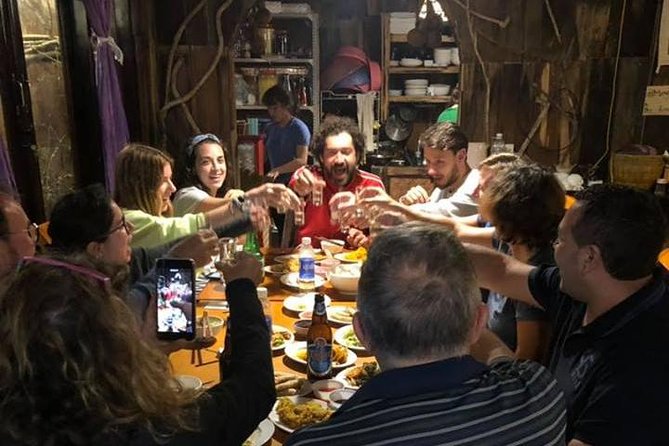
Sa Pa can be loud and touristy fast. This trek is designed to push you away from the sightseeing-only loop and toward the smaller paths where farming communities live their day. You’re not just looking at the mountains; you’re walking through the same kind of working landscape people depend on.
I like the structure here because it’s not random. Day 1 flows from Y Linh Ho into Lao Chai and on to Ta Van, which gives you a good sense of how villages relate to each other in the valleys. Day 2 continues the story at a different scale, heading toward Giang Ta Chai and the Red Dao community.
One more thing I appreciate: you’re given enough support to enjoy the experience, not just survive it. Meals are included (dinner and breakfast, plus lunch on both days), and you’re not left figuring out transit plus food plus lodging on your own. That kind of setup matters when you’re spending most of your energy on trekking.
You can also read our reviews of more tours and experiences in Hanoi.

Getting from Hanoi to Sa Pa: the 6:30am bus reality check
The tour starts in Hanoi at 6:30am, meeting at 204 Đ. Trần Nhật Duật, Phố cổ Hà Nội (Hoàn Kiếm). Then you take the bus to Sa Pa.
Here’s what that means for your day: you’ll want to treat this as an early start trip, not a lie-in weekend. The upside is you maximize your time in the hills, and you arrive in Sa Pa in time to eat and start trekking the afternoon of Day 1.
Also note the timing: you leave Hanoi at 6:30 and arrive in Sa Pa around 13:00. That’s a long travel block, but it avoids the stress of late connections or hunting for a cab while you’re already tired. If you’re the type who hates rushing, this is still early, but at least it’s clearly planned.
Day 1: Y Linh Ho to Lao Chai to Ta Van (6 km, 3.5 hours)
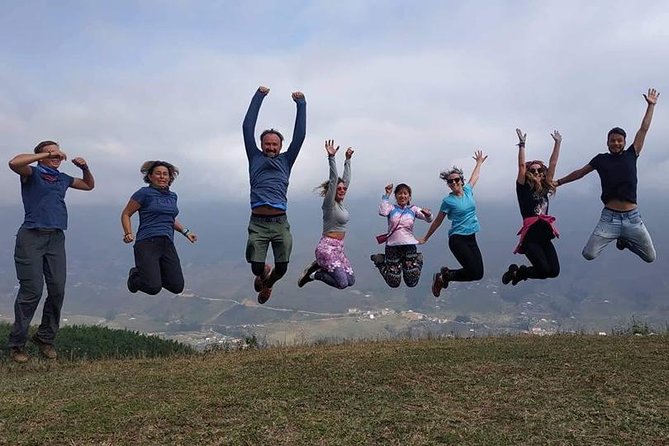
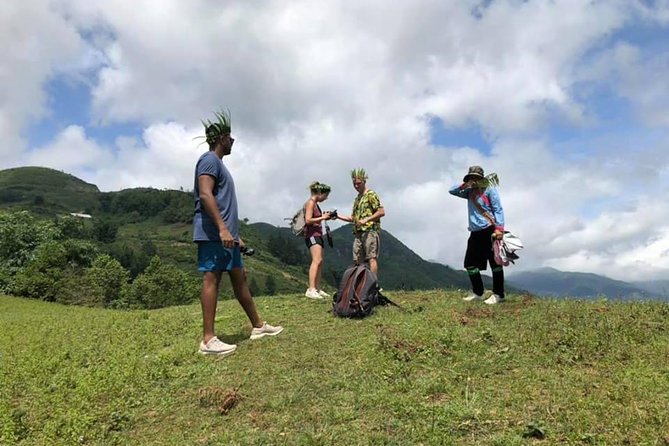
Day 1 has a classic Sa Pa feel: terrace views, a stream, and ethnic villages that don’t turn into an amusement park.
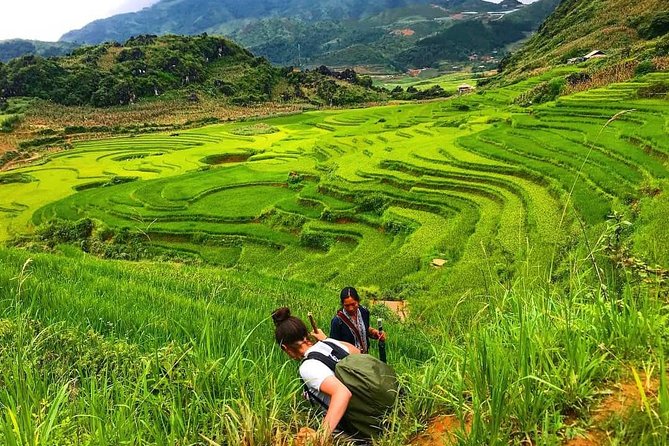
After lunch in Sa Pa (around 13:00), you begin trekking at 14:15. The route starts at Y Linh Ho, then you move through rice terraces and along the Muong Hoa Stream, eventually reaching Lao Chai and Ta Van—home of the Day ethnic people.
What you’ll likely notice on this segment
- The pace is built for enjoyment: 6 km total and about 3.5 hours of trekking time.
- The route follows a landscape rhythm: terraces climb, then the stream and valleys guide you forward.
- You get village connections, not just scenery: Lao Chai and Ta Van aren’t random stops, they’re part of the story.
A practical drawback to consider
Day 1 is your first hiking day, after a bus journey. That’s not a deal-breaker, but it does mean you’ll want to start the walk feeling steady—hydrated, comfortable shoes, and layers you can adjust as you move.



Your Dao homestay night: comfort where it counts

By 17:45, you’ll stay at a Dao homestay. This is the moment when the trip shifts from “tour” to “living.”
The key idea here is not luxury. It’s local life with enough support that you don’t feel stranded. And the feedback I saw backed that up—guests praised coordinators like Huong and her associates for arranging things so they felt comfortable throughout.
One more helpful detail: in some arrangements, you may be offered a bungalow option connected to a newer ecolodge. The operator noted that one such bungalow was brand new and opened only weeks before, so cleanliness and clarity weren’t an afterthought.
What to expect from a homestay-style night
- You’ll be sleeping close to the rhythms of the village.
- You’ll have a real cultural setting, not just a scheduled photo stop.
- Dinner is included, which saves you from figuring out food after trekking.
If you’re worried about the practical side, don’t be shy about asking what your specific accommodation includes. The trip is set up with support, and the team is already used to handling these details.
Day 2: bamboo forest and Giang Ta Chai (4 km, 2 hours)
Day 2 starts with breakfast at 8:00, then you begin trekking at 8:45. This is your medium hike segment: 4 km for about 2 hours, moving through rice paddies and a bamboo forest to Giang Ta Chai village.
Giang Ta Chai is home of the Red Dao people. This matters because you’re seeing variety across communities, not repeating the same village pattern twice.
At 11:00, you trek through the Giang Ta Chai Bridge to the main road, where the bus brings you back to Sapa Town.
Why I like this day’s design
- It’s short enough that you still have energy for the rest of the day.
- It changes the scenery: bamboo forest and paddies feel different from Day 1’s terrace-and-stream walk.
- You finish with a natural transition back to town, instead of hiking until the last minute.
A gentle warning
Day 2 is physically easier than Day 1, but it still takes focus. If you’re prone to blisters, take care of your feet from the start—Day 1 is when issues can begin.
Back to Hanoi: shower time, lunch, and the return bus
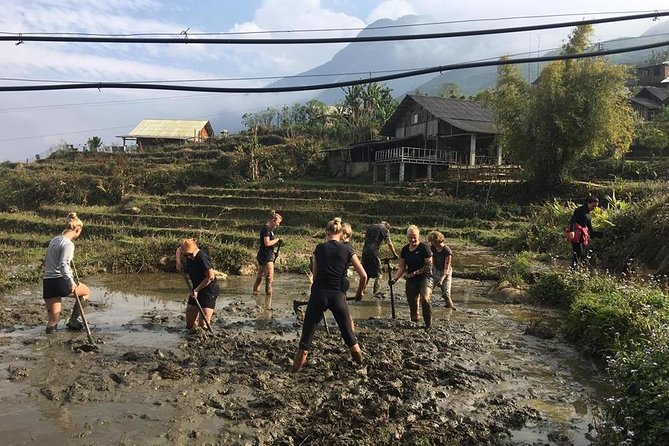
Once you reach Sapa Town, you get downtime with purpose. From 12:00 to 13:00, you can shower at the hotel, have lunch, and enjoy some leisure time. Then at 13:30, you meet at the hotel and ride the bus back to Hanoi.
You arrive around 20:30 at the bus station in Hanoi, and the tour ends back around the start area you used earlier.
This return plan is honestly one of the best parts of a 2D1N trek. You get a real wash and food after trekking, instead of jumping straight back into the next schedule. And you’re not stuck overnight again in transit—you’re back the same evening.
Price and value: what $116.93 covers (and what it doesn’t)

At $116.93 per person, you’re paying for more than a walking route. Based on what’s included, you’re also getting:
- Round-trip bus between Hanoi and Sapa (starting 6:30am from the Old Quarter area)
- All the key meals: dinner, breakfast, and lunch (listed as included for both days)
- Homestay accommodation for the night in the Dao area
- A structured trek schedule on set routes (with distances and timings)
What’s not included is also clear: insurance, personal expenses, and drinks. That’s normal, but it’s good to remember. If you drink a lot of bottled water or snacks while trekking, budget for it separately.
Who gets the best value?
You’ll feel the price is fair if you want everything handled: transport timing, food, and lodging basics, plus a route designed to connect villages. If you already plan to organize everything independently, you might find cheaper DIY options—but then you take on the coordination burden.
Who this Sa Pa trek suits best
This trip fits best if you:
- Like real walking more than bus-window sightseeing
- Want to see rice terraces, streams, and bamboo forest in one short program
- Enjoy meeting village life through a homestay experience
- Prefer a small group (max 10), where the trek pace and support feel manageable
It also works well for first-time Sa Pa visitors who don’t want to drown in choices. The route is clearly laid out, and the trip is structured so you’re not constantly figuring out what’s next.
If you dislike hiking days that involve a few hours on your feet, you may find this heavy. The overall distances—about 6 km on Day 1 plus 4 km on Day 2—aren’t extreme, but they add up, especially after travel.
Should you book this 2D1N Unique Route trek?
I’d book it if you want a Sa Pa visit that feels grounded: villages, farming landscapes, and a real homestay night, with meals and transport organized so you can focus on the trail. The combination of specific village segments (Y Linh Ho, Lao Chai, Ta Van, Giang Ta Chai) and the small group limit gives it a more personal feel than many rushed day tours.
I’d skip it (or at least rethink it) if you’re chasing a super easy stroll, or if you can’t handle an early 6:30am Hanoi start plus trekking on both days. This is a trek. It’s not just a scenic drive.
If you book, I’d also keep one practical mindset: bring gear for foot comfort and expect a packed schedule with two active trekking blocks. Do that, and you’ll get a Sa Pa experience that actually connects you to the North West’s working landscapes.
FAQ
What is the start time for the trip in Hanoi?
The tour starts at 6:30am, with the meeting point at 204 Đ. Trần Nhật Duật, Phố cổ Hà Nội (Hoàn Kiếm), Hà Nội.
Where do you go after meeting in Hanoi?
You travel by bus from Hanoi to Sapa. Arrival in Sapa Town is around 13:00 on Day 1.
How much trekking is involved across the two days?
Day 1 trekking is about 6 km (around 3.5 hours). Day 2 trekking is about 4 km (around 2 hours).
What villages are included in the trekking route?
The route includes Y Linh Ho, Lao Chai, Ta Van on Day 1, and Giang Ta Chai (Red Dao) on Day 2.
What accommodation do you get during the trip?
On Day 1, you stay at a Dao homestay. On Day 2, you have time to shower at the hotel in Sapa Town.
What meals are included?
The tour includes dinner, breakfast, and lunch (listed as included for both days).
Is the tour group small?
Yes. The maximum group size is 10 travelers.
Do I need to bring an insurance policy?
Insurance is not included, so you should arrange it separately if needed.
How soon do I get confirmation after booking?
Confirmation is received within 48 hours of booking, subject to availability.
Quick booking checklist (so it goes smoothly)
- Bring comfortable shoes for 6 km + 4 km of trekking
- Plan for a long bus day on Day 1 and a full return ride on Day 2
- Budget for drinks and personal expenses since those aren’t included