REVIEW · KATHMANDU
Everest Base Camp Standard Trek
Book on Viator →Operated by Shepherd Holidays · Bookable on Viator
This trek starts with a flight that feels like a movie. From Kathmandu to Lukla, you get high-Himalayan scenery up close, then you walk a classic Everest route through Sherpa towns, monasteries, and high-altitude villages. I especially like the inclusion of real acclimatization time at Namche Bazaar and Dingboche, so the trip is more than just nonstop hiking.
The second thing I like: the support system on the ground. You’ll travel with a government-authorized guide and porters, plus meals, guest-house lodging in the mountains, and a solid Kathmandu hotel base (3-star or above) with breakfast. A possible drawback is that this whole plan depends on weather and flight timing around Lukla, and the itinerary also demands a moderate fitness level.
In This Review
- Key highlights of Everest Base Camp Standard Trek
- Everest Base Camp, Lukla flight, and Kathmandu wrap-up: what this 12-day route feels like
- Price and what’s included in your trekking budget (and what costs extra)
- Getting to Lukla: the Kathmandu-to-airport day and how to plan for it
- Days 1-2: Lukla to Cheplung to Phakding, where the altitude creeps in
- Namche Bazaar rest day: acclimatization that doesn’t waste your vacation
- Tengboche monastery and the rhododendron climb: spiritual sights with real mountain views
- Dingboche acclimatization: fields, hills, and the day hike option
- Lobuche and Gorak Shep: the route narrows, the air gets thinner
- Kala Patthar: the early morning payoff day
- Return route through the Dudh Koshi gorge: getting your legs back while views keep coming
- Your guides, gear, and meals: the standard trek support that makes altitude manageable
- Best season fit and who should book this Everest Base Camp trek
- Should you book this Everest Base Camp Standard Trek with Shepherd Holidays?
- FAQ
- How long is the Everest Base Camp Standard Trek?
- What does the $2,000 per person price cover?
- What’s not included in the trip cost?
- Is there a hotel in Kathmandu before or after the trek?
- Do you need moderate fitness for this trek?
- Are the mountain accommodations guest houses?
- What trekking permits or cards are included?
- Is equipment provided for cold weather?
- Is this trip private or group-based?
Key highlights of Everest Base Camp Standard Trek
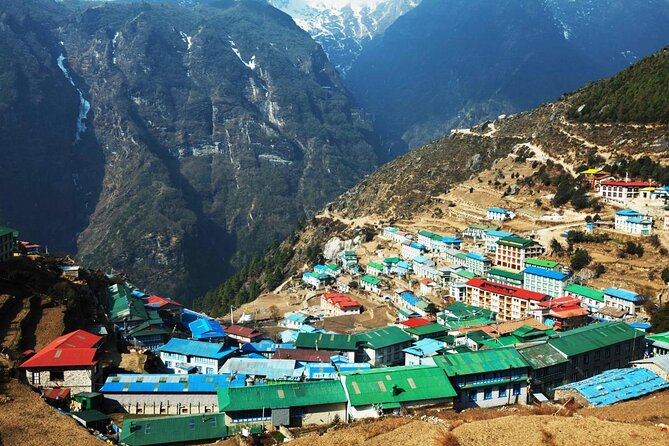
- Kathmandu to Lukla by air: a 30-minute flight through some of the Himalaya’s most dramatic scenery
- Altitude built in, not guessed: rest/acclimatization days in Namche Bazaar and Dingboche
- Tengboche monastery visit: a chance to see the region’s largest monastery and big mountain views
- Kala Patthar payoff: a pre-dawn push for wide, 360-degree-style views of Everest-area peaks
- Everest Base Camp day with local guidance: your Sherpa lead helps when the route can get confusing
- Guide and team quality signals: multiple experiences mention guide Bhim as funny, knowledgeable, and helpful
Everest Base Camp, Lukla flight, and Kathmandu wrap-up: what this 12-day route feels like
This is a classic Everest Base Camp trek done in a “standard” way, meaning it’s organized and supported, not rough-and-hopeful. The biggest emotional hook is the combo: you fly into Lukla, then spend nearly two weeks walking through the Khumbu region before finishing back in Kathmandu with sightseeing and a farewell dinner.
What I like is the pacing. You’re not just moving uphill every single day. There are dedicated “catch your breath” days at Namche Bazaar and Dingboche, plus the scenery keeps changing—pine forests, rhododendrons, stone-walled fields, and the rocky high-country toward Gorak Shep and Everest Base Camp.
One more practical detail: the trip is paired with a Kathmandu hotel stay (3-star or above) and airport transfers. That matters because the first and last days can otherwise feel chaotic, especially when international arrival times don’t line up neatly with local schedules.
You can also read our reviews of more tours and experiences in Kathmandu.
Price and what’s included in your trekking budget (and what costs extra)
At $2,000 per person for roughly 12 days, the value comes from what you’re not worrying about. Your package covers domestic logistics (including flights to and from Lukla and transportation to/from Tribhuvan Airport), mountain lodging in guest houses, and a full board setup during the trek with hygienic meals (breakfast, lunch, and dinner).
It also includes the people-power: a government-authorized guide and porters, with insurance, food, accommodation, and wages for the trekking team. On top of that, you get equipment support such as a sleeping bag and warm layers, plus a first aid kit, maps, and the required trekking documentation like the TIMS card. The Sagarmatha National Park entry fee is included too.
What’s not included is also clear, and you should plan for it:
- International airfare and meals in Kathmandu beyond breakfast
- Shower and electronic charging fees in some mountain guest houses
- Alcohol, chocolates, tea/coffee, and similar extras
- Tips for guide and porter
- Any extra costs tied to weather problems, cancellations, illness, or other unexpected events
So, yes, you should compare this price to other Everest Base Camp options. But don’t just compare the headline number. This one looks priced to cover the “hard parts” (flights, permits, guiding, meals, and equipment), which is where most people’s trip budgets quietly blow up.
Getting to Lukla: the Kathmandu-to-airport day and how to plan for it
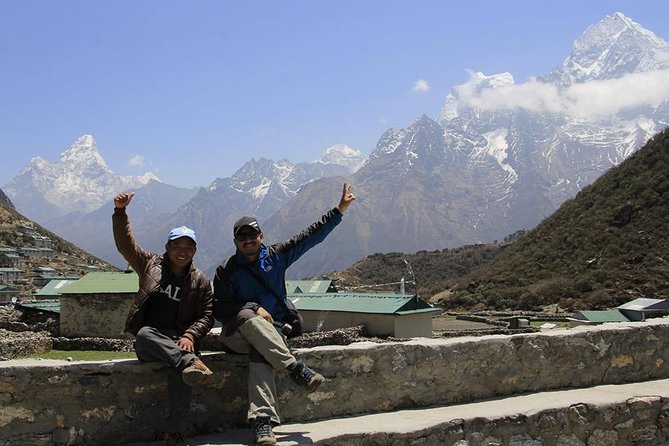
The trek starts with a 30-minute flight from Kathmandu to Lukla at about 9,186 feet. The program describes this as one of the most beautiful air routes in the world, and you’ll land in a hillside gateway surrounded by big peaks.
Why this matters for your trip: the first day sets the tone for altitude and effort. Even though the flight is short, you’ll start the trekking process right after meeting the crew and sorting out gear together. There’s no long “buffer” to get used to things.
Also, be realistic about weather. The experience requires good weather, and flight schedules in this region can change. Your package states you’ll be offered a different date or a full refund if the experience is canceled due to poor weather. That’s a key safety net, but it still means you need to keep your Kathmandu plans flexible.
Finally, the tour includes transportation to and from Tribhuvan Airport and pickup is offered. That’s a comfort win if you’re not spending time figuring out local transfers on your own.
Days 1-2: Lukla to Cheplung to Phakding, where the altitude creeps in
Day 1 is all about transition plus a gentle first push. After meeting your trekking crew in Lukla, you start with a gradual descent to Cheplung village, where you can catch a glimpse of Mt. Khumbila (listed at 18,900 ft). Then you keep descending until you reach Phakding for the night.
This first section is not about speed. It’s about rhythm. You’ll be walking in the Khumbu gateway area where the terrain starts to feel “serious,” even if you’re not yet deep into the big climbs.
Day 2 builds the classic early Everest pattern. You walk through pine forest, follow the valley north up, cross the Dudh Koshi River, pass through Chumoa, and enter Everest National Park via Monjo. There’s a suspension bridge crossing, then you move alongside the Dudh Koshi and Bhote Koshi rivers.
The day’s big physical moment is the ascent into Namche Bazaar, the prime Sherpa hub. If weather permits, you can see Everest and Lhotse from the approach. That view is never guaranteed, so if it’s clear, don’t spend the whole day chasing photos—save energy for the arrival.
Namche Bazaar rest day: acclimatization that doesn’t waste your vacation
Namche Bazaar is where many Everest treks either feel smart or feel rushed. Here, you get a real rest and relaxation day.
You’ll spend a full day in Namche Bazaar with government offices, ATMs, internet cafes, shops, and restaurants—so yes, you get a normal-ish town break at high altitude. You can also day hike to Khumjung village at around 12,401 feet if the weather allows.
Why I rate this kind of stop highly: acclimatization isn’t just a “technical requirement.” It’s also how you keep your body from feeling like it’s constantly rebelling. Taking a day in Namche helps you arrive at Tengboche and the next elevation band with more control over your pace.
This is also where the social part of trekking starts to grow. You’re not locked into the same pace every moment. You can choose to rest, explore, or walk a bit without it turning into a forced march.
Tengboche monastery and the rhododendron climb: spiritual sights with real mountain views
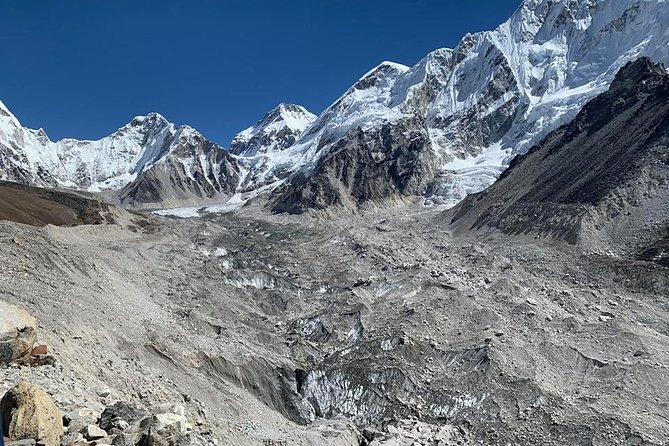
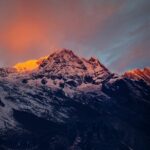
Day 4 brings you to Tengboche with a mix of descent and ascent. You go down toward the Dudh-Koshi River, then climb again through rhododendron forests. The program highlights views of peaks like Everest, Lhotse, Nuptse, Ama Dablam, Thamserku, Kongde, and more.
Then you visit Tengboche monastery, described as the largest monastery in the region. You also get views of Everest and Ama Dablam from there.
This is a good day for balance: you get a major mountain view moment, but it’s not just climbing for climbing’s sake. Monastery visits can also help you slow down mentally. You’re surrounded by people taking care of routines up high, which gives the trek a grounded feeling.
There’s another Tengboche day early on (Day 5 starts again from that area). Day 5 focuses on descending through birch, conifers, and rhododendrons, then walking to the Imja Valley and the Lobuche River before continuing up to Dingboche.
Dingboche acclimatization: fields, hills, and the day hike option
Dingboche is where you’ll feel the “high life” of the Khumbu. The village sits among stone-walled fields where barley, buckwheat, and potatoes are protected from cold winds and grazing animals.
You also get a full acclimatization day at Dingboche. The program suggests day hikes to Nagarjun Hill or Chukkhung Valley for views of Makalu, Lhotse, Chalotse, Tawache, and Ama Dablam.
This is one of the most useful days in the whole plan. You’re not just resting in place. You’re moving in a controlled way, which is how many people feel best at altitude.
Practical consideration: even on “rest” days, you’re at elevation. Your comfort level will depend on how you pace yourself and how your body reacts. The good news is that you’re not forced to treat this day like an extra summit push.
Lobuche and Gorak Shep: the route narrows, the air gets thinner
Day 7 transitions toward Lobuche. You climb gradually to Duglha at the end of the terminal moraine of the Khumbu, then take a steep trail to Chupki Lhara, marked by memorial stones with prayer flags for Scott Fischer and Babu Chiri Sherpa.
After that, you face dramatic high-peak scenery—Khumbutse, Lingtren, Pumori, Mahalangur Himal—and then the trail eases as you follow the valley to Lobuche.
Day 8 is the move into the iconic Everest Base Camp approach. You walk toward Gorak Shep, passing the once-vast Gorak Shep Lake area and the memorials related to Indian army mountaineers. Then the program warns that the path can be misleading, so it’s important to follow your lead Sherpa diligently.
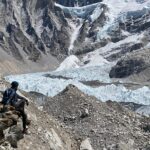
This is where trekking becomes less forgiving. The day is described as strenuous due to thin air. You move across rocky dunes, moraine, and streams before reaching Everest Base Camp, where mountaineer tents stand out against gray surroundings.
When you’re done at Base Camp, you return to Gorak Shep for the night. Don’t underestimate the mental lift of this. Some days you’re chasing views; this one is about arriving at the goal and then coming back down enough to sleep.
Kala Patthar: the early morning payoff day
Day 9 is about an early departure in pre-dawn darkness and cold temperatures (listed roughly -10 to -14 C). You’ll push through those low temps knowing you’re walking toward a big reward.
The program mentions familiar peaks—Lingtren, Khumbutse, and Changtse—towering east as Everest begins to reveal itself. But the main show is Kala Patthar, where you’re promised wide panoramic views (described as 360-degree-style) of Mt. Everest and surrounding peaks.
This is not a casual day. You’ll want to dress for cold and expect wind. Even if you’re fit, this is more about altitude and temperature than just leg strength.
After Kala Patthar, you return to Lobuche for the night.
Return route through the Dudh Koshi gorge: getting your legs back while views keep coming
Day 10 brings you down through a forested, more varied lower-elevation trekking rhythm. You pass rhododendrons and juniper trees, cross suspension bridges over the Dudh Koshi River, and descend through the Dudh Koshi gorge through pine forests. There’s a chance of wildlife you might spot—colorful pheasants and mountain goats are specifically mentioned.
You continue to Sansa, with views of Ama Dablam, Thamserku, and Nuptse. Then you keep working through winding trails and forests before reaching Namche Bazaar again.
Day 11 is all about a steep descent back toward Lukla. The description emphasizes walking cautiously because of rocky terrain. After crossing suspension bridges over fast-flowing rivers, the trail becomes more level and natural.
Then you arrive in Lukla, stretch out, and process what you just finished.
Day 12 is the final act: an early morning flight to Kathmandu. Once you land, you can rest, shop for souvenirs, and explore more of Kathmandu if you want. There’s also a farewell dinner in the evening.
Your guides, gear, and meals: the standard trek support that makes altitude manageable
This trek is built around staff and logistics, which matters because Everest Base Camp isn’t just a scenic walk. It’s a long stretch of altitude, cold, and limited comfort.
On the ground you’ll have a government-authorized guide and porters. Insurance, food, accommodation, and wages for them are included, and meals for you are listed as hygienic with breakfast, lunch, and dinner during the trek.
You also get practical gear support. The included equipment list specifically calls out a sleeping bag and warm layers, plus a first aid kit. That reduces the hassle of bringing everything from home and helps you avoid the classic mistake of under-packaging cold-weather layers.
Kathmandu comfort is also part of the equation. You get a 3-star or above hotel with breakfast included, plus transportation to/from Tribhuvan Airport.
The human factor shows up in the feedback too. Multiple experiences spotlight guide Bhim as funny, knowledgeable, and genuinely helpful—keeping the group feeling good throughout the walk. Other team members named in feedback include Bandhu, Ramesh, and Umesh, noted as nice and helpful and experienced.
Best season fit and who should book this Everest Base Camp trek
This particular program is described in a way that fits travelers with moderate physical fitness. The plan includes steep ascents and descents, and even rest days are at altitude. If you train a bit before you go, you’ll enjoy the trek more. If you’re starting from very low fitness, you’ll likely feel it hard in the middle days.
The itinerary also depends on weather. The trip requires good weather, and flights can be affected. The program’s own safety language suggests you should treat the schedule as flexible, even if you’ve planned every other part of your trip tightly.
Who this suits best:
- First-timers to Everest-area trekking who want structure and support
- Travelers who like the idea of acclimatization days, not just a summit-style grind
- People who want the iconic Base Camp and Kala Patthar experience with guided navigation
Should you book this Everest Base Camp Standard Trek with Shepherd Holidays?
I’d consider booking if you want an Everest Base Camp trek that’s organized enough to reduce stress—especially with Lukla flights, park fees, meals, and equipment handled for you. This is the kind of package that makes sense when you’d rather spend your energy on breathing, walking, and enjoying the views than chasing logistics.
I’d pause if your trip dates are non-negotiable or you’re fragile with cold and early mornings. Day 9 alone is described as brutally cold (down to around -10 to -14 C) and you’ll be up before sunrise, which isn’t everyone’s idea of fun.
If you want a classic route, realistic acclimatization, and strong guide support—this one is worth a close look.
FAQ
How long is the Everest Base Camp Standard Trek?
It’s listed as 12 days (approx.).
What does the $2,000 per person price cover?
The package includes transportation to and from Tribhuvan Airport, flights to and from Lukla, hotel in Kathmandu (3-star or above with breakfast), mountain guest-house accommodation, a government-authorized guide and porters, TIMS card, Sagarmatha National Park entry fee, maps, meals during the trek, and included equipment such as a sleeping bag and warm layers.
What’s not included in the trip cost?
International airfare, meals in Kathmandu besides breakfast, shower and electronic charging fees in some guest houses, alcoholic drinks and certain extras, tips for guide and porter, and costs from unexpected events like weather problems or illness are not included.
Is there a hotel in Kathmandu before or after the trek?
Yes. You get a 3-star or above hotel in Kathmandu with breakfast included.
Do you need moderate fitness for this trek?
Yes. The program notes that travelers should have moderate physical fitness.
Are the mountain accommodations guest houses?
Yes. It includes local guest house accommodation in the mountains.
What trekking permits or cards are included?
The package includes the TIMS card and the Sagarmatha National Park entry fee.
Is equipment provided for cold weather?
Yes. The included equipment list mentions sleeping bag and warm layers, plus a first aid kit.
Is this trip private or group-based?
It’s described as a private tour/activity, meaning only your group participates.