REVIEW · POKHARA
Pokhara: 5-Day Trek to Annapurna Base Camp and Hot Springs
Book on GetYourGuide →Operated by Welcome Nepal Treks P.Ltd · Bookable on GetYourGuide
Five days sounds short until you start climbing. This Pokhara trek takes you from the Modi Khola river corridor up to Annapurna Base Camp and finishes with a soak in Jhinu hot springs. I like that it mixes big-Himalaya moments with real trekking days in between.
You do need one reality check: the descent can be tough on your knees. If your route includes the exit toward Bamboo, expect a steep drop since it sits about 1,600 m lower than Annapurna Base Camp.
In This Review
- Key takeaways (what makes this trek special)
- Getting to the Trail: Pokhara, Nayapul, and That First Jeep Ride
- Day 1: Modi Khola River Walking and Your First Tea Lodge Night
- Day 2: Up to Chhomrong and Through Dense Forest
- Day 3: Deurali and That Lunch-Stop Feeling of Scale
- Day 4 Ascent to Annapurna Base Camp: Machhapuchhare Base Camp and Ablation Valley
- The Descent and Jhinu Hot Springs: Knee Care to Warm Water
- Guides and Team: What This Trip Gets Right (and Why You Feel Safe)
- Price and Value: Why $206 Can Still Feel Like a Real Deal
- What’s Included on the Trail—and What You Still Need to Plan
- Your gear and body will do the heavy lifting
- What’s not allowed
- Pace, Altitude, and Who Should Skip This Trek
- Practical Small Stuff That Makes a Big Difference
- Drinks and water
- Photos and battery
- Expect a guided experience in English
- Should You Book This 5-Day Annapurna Base Camp and Jhinu Hot Springs Trek?
- FAQ
- What’s included in hotel pickup and transport?
- Does the trek include permits?
- What kind of accommodation and meals should I expect?
- Is a porter included?
- What should I bring, and what’s not allowed?
- Is this trek suitable for everyone?
Key takeaways (what makes this trek special)
- Annapurna Base Camp night: You reach the classic high point, then settle in at a lodge instead of rushing through.
- Jhinu hot springs reset: A practical reward after trekking days—warm water beats sore muscles.
- Village-to-mountain trekking: Paths pass through places like Jhinu Danda and Chhomrong, not just altitude scenery.
- Safety-minded, English-speaking guiding: Guides like Tanka (pacing + safety focus) are examples of how this trip is run.
- Permits handled for you: Conservation entry and TIMS paperwork are part of the package.
Getting to the Trail: Pokhara, Nayapul, and That First Jeep Ride
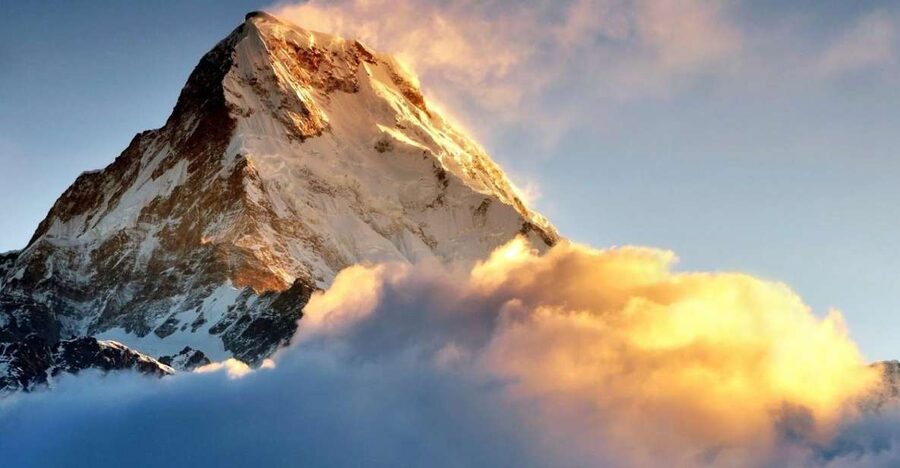
Most people think Nepal starts when they see the mountains. On this trek, Nepal starts with a hotel pickup in Lakeside Pokhara (or the airport) and a ride toward the trail’s access point.
From there, you typically transition to the trek around Nayapul, then you’ll hike along the Modi Khola River, passing small settlements and working trekking villages into your day. The jeep part matters more than you’d expect. It saves energy for the first climb and helps you avoid losing daylight to road time.
The other “good” thing is pacing setup. You get kitted out with necessary equipment, plus a check of your permits before the walking begins. That means you’re not scrambling for paperwork or delays on day one, which is a big deal when you’re trying to time altitude safely.
You can also read our reviews of more tours and experiences in Pokhara.
Day 1: Modi Khola River Walking and Your First Tea Lodge Night
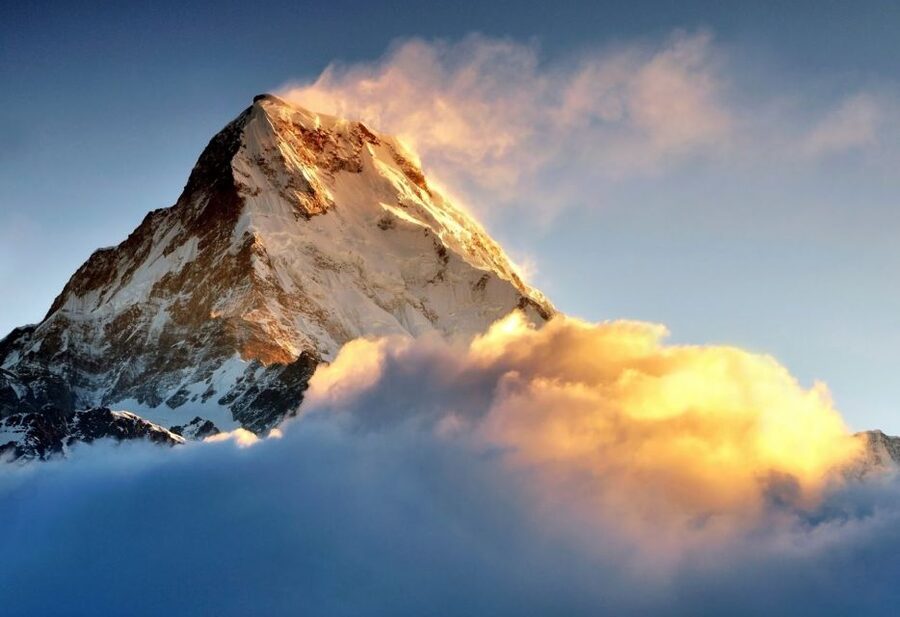
Day one is about getting your legs working and letting the trek ease you in. You start from the Pokhara side and move toward the trailhead, then begin hiking along Modi Khola, where the trail threads through small villages.
You’ll also cross the river at least once on the way, reaching the Jhinu Danda area before settling for the night in a tea lodge. Tea lodges are simple: you’ll have a warm meal, a bed, and a view if you’re lucky with where your lodge sits that day.
What I like here is the balance. Your first day isn’t a sprint, but you still feel like you’re traveling deeper into the Annapurna region. It’s the kind of start that helps you figure out your rhythm—breathing, pace, and how often you want to stop for photos.
Day 2: Up to Chhomrong and Through Dense Forest
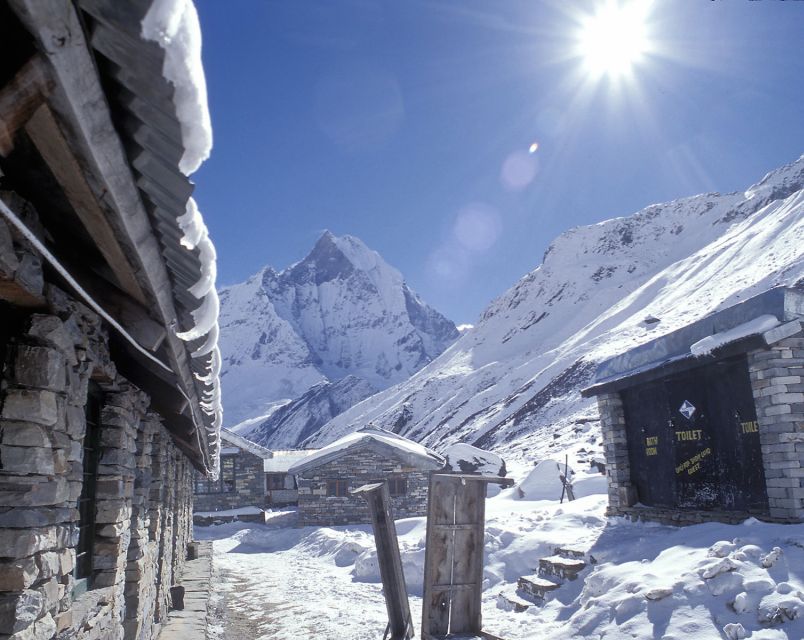
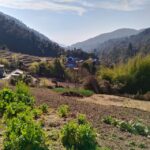
This is the day that begins to feel like a real trek. You go uphill to Chhomrong, one of the largest villages on the route, and then continue through a dense forest area to reach your next lodge.
Chhomrong is important for two reasons. First, it gives you a sense of scale—bigger settlement, lots of trekking traffic, and a feeling that the route has momentum. Second, it’s a turning point: after this, you keep climbing toward higher, colder terrain.
The forest walking can be a blessing. Trees mean fewer direct sun hours and a trail that feels less exposed. But it’s still work. Expect steady effort rather than dramatic climbs every five minutes.
One practical tip: forest days can fool you into thinking you’re not gaining altitude. You still are. Keep your pace controlled and don’t treat this as a day to “make up time.”
Day 3: Deurali and That Lunch-Stop Feeling of Scale
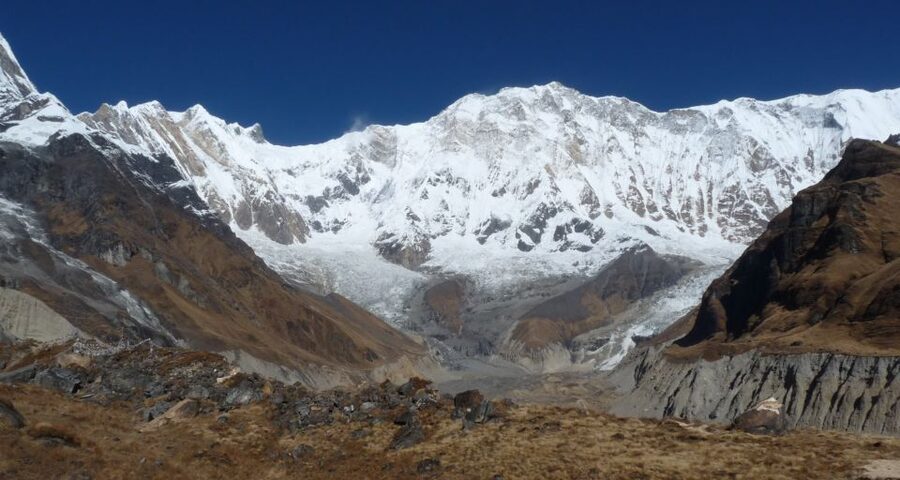
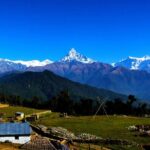
From here, the trail keeps lifting you up toward Deurali (a key stop before Annapurna Base Camp). You’ll hike long enough to feel the day’s effort, then take a break with views of the Himalayas.
This is a good day for learning how your body handles altitude. You’ll probably notice that your breathing changes before your legs really give out. That’s normal. Your goal is to walk steadily, not heroically.
If you’re traveling with a guide who pays attention—as guides like Tanka are known for doing—you’ll feel the difference. He’s described as adjusting the trek to your performance level and focusing on safety. That kind of hands-on pacing is what turns Annapurna from stressful into manageable.
Day 4 Ascent to Annapurna Base Camp: Machhapuchhare Base Camp and Ablation Valley
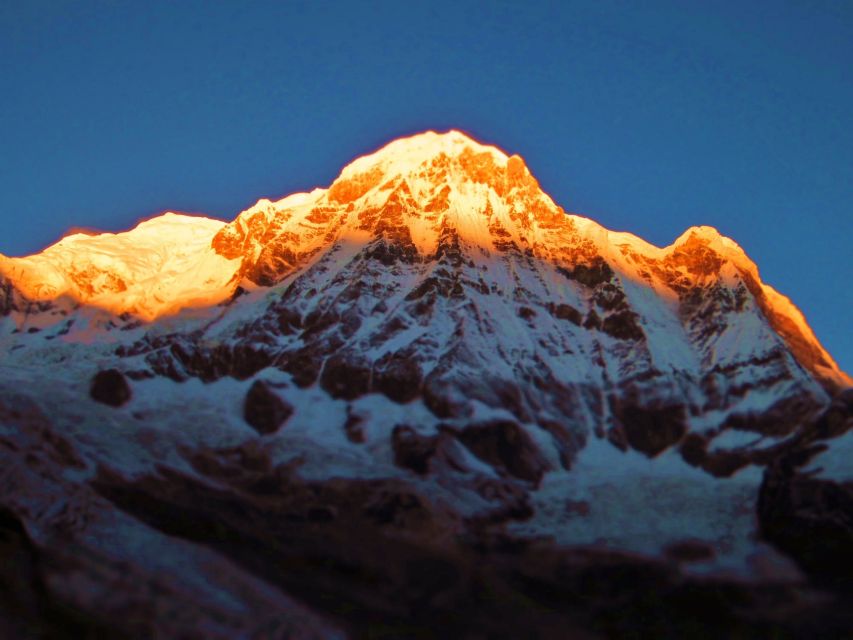
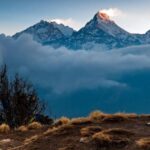
This is the big day. The route pushes through classic high-trek terrain, including the Machhapuchhare Base Camp area and Ablation Valley on the way toward Annapurna Base Camp.
What makes Ablation Valley stand out (besides the glacier setting) is the physical “shape” of the walk. You move through a hollow corridor between the glacier and the mountain. It’s the kind of place where you slow down, because your brain is busy processing size.
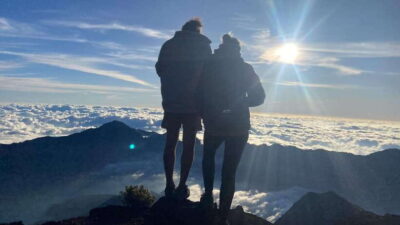
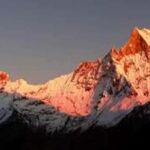
Then you climb to Annapurna Base Camp, where you spend the night. Night at Base Camp matters. You’re not just taking a photo and leaving. You get the rhythm of cold air, a slower pace, and time to watch weather changes.
Also, you’ll likely hear your guide talk about what you’re seeing. If you’re paired with someone like Tanka, expect explanations about animals, nature, and culture along the route. Those bits aren’t fluff. When someone tells you what you’re looking at, you remember the day differently.
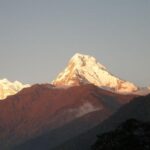
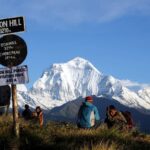
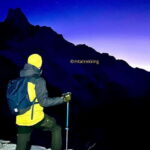
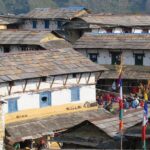
The Descent and Jhinu Hot Springs: Knee Care to Warm Water
After Base Camp, your 5-day plan turns toward descent and a hot-spring finish. You’ll walk down through lower terrain, including Chhomrong again as you head toward Jhinu.
Here’s the key trekking truth: descending is not “rest.” It’s often harder on your knees than the climb because your legs act like brakes for hours. The trek description includes a warning about the exit path toward Bamboo, which sits around 1,600 m lower than Annapurna Base Camp. If your route uses that sanctuary exit, treat it like a leg-day.
On the way down, you’ll reach Jhinu, and that’s where the payoff lands: Jhinu Dada hot springs. After cold air and long steps, soaking in hot water is not just relaxing—it’s practical recovery. You’ll feel it most the next morning.
Then the trek ends with a short morning walk passing farmland around the river, before you return to Nayapul and get dropped back in Pokhara by jeep.
Guides and Team: What This Trip Gets Right (and Why You Feel Safe)
The quality of a trek often comes down to who’s walking with you. This trip includes a professional trekking guide and (depending on your option) a porter.
The guide piece matters in real, day-to-day ways:
- Pace adjustments: A guide can keep you from rushing when your body needs a slower rhythm. One guide named Tanka is described as tailoring the trek daily to the group’s fitness and also keeping an eye on health.
- Safety focus: On Himalayan trails, safety is not a slogan. You want someone watching conditions and guiding route decisions.
- Context: Guides like Tanka are also described as answering questions about animals, nature, and culture. That turns long hours into something you understand, not just something you endure.
Porters also matter. One porter named Chhabi is described as calm and kind, with real respect for the physical load he carried. When your porter has steady energy and good attitude, you feel it in your own mood.
You’ll also want to know that an extra porter may cost extra if needed. If you hate the idea of extra spending, decide early whether you truly need a porter for your comfort.
Price and Value: Why $206 Can Still Feel Like a Real Deal
This trek is listed at $206 per person for a 5-day guided itinerary with lodge nights and included permits. For many people, that price feels like it should be too good to be true. The catch is to compare what’s actually included.
Here’s what you do get:
- Pickup and drop-off by car/jeep (Pokhara Lakeside or airport area)
- Sharing jeep between Pokhara and Jhinu (the road-access segment)
- Tourist standard lodge accommodation
- TIMS permit and conservation entry permits handled via the team
- Professional English-speaking guide
- Guide support costs (salary, accommodation, meals for the guide)
- VAT and taxes covered
Here’s what’s not included:
- Drinks (hot/cold/alcoholic)
- Meals only if you choose the budget option (meals are included if you pick all-inclusive)
- Travel insurance
So is $206 good value? It’s best viewed as paying for logistics + paperwork + human expertise, not as paying for luxury. If you want a guided route to Annapurna Base Camp that handles the admin and keeps you moving with a team, it makes sense.
What I’d tell you to budget separately:
- Insurance (recommended)
- Personal purchases: phone charging, snacks, laundry, battery recharges, and water-related costs
- Optional porter upgrades if you choose to carry less
What’s Included on the Trail—and What You Still Need to Plan
On the walking days, your lodge is typically the main constant: you hike, you eat, you sleep, you reset. The details that matter are the “comfort variables” you control.
Your gear and body will do the heavy lifting
The trek info is clear about what to bring:
- Passport or ID card
- Comfortable shoes (and/or hiking shoes)
- Sunglasses and sun hat
- Sunscreen
- Insect repellent
- Change of clothes
- Toiletries
- A daypack
If you only pack what looks good in photos, you’ll regret it. The best trekking “upgrade” is footwear you trust and layers you can adjust as temperatures swing.
What’s not allowed
- Pets
- Weapons or sharp objects
Simple rule, but it’s good to know before you show up with an accidental problem.
Pace, Altitude, and Who Should Skip This Trek
Annapurna Base Camp is a serious altitude trek, even on a short schedule. Your comfort depends on pacing and how you handle tiredness.
This trip is not suitable for:
- Pregnant women
- People with heart problems
That’s not small talk. If you’re in either category, you should look for a different Nepal plan.
If you’re generally healthy but new to altitude, treat the trek like training:
- Walk slower than you think you need
- Take breaks when offered
- Don’t ignore symptoms
- Let your guide set the rhythm
And if you want a little “street smarts” from guide descriptions: when your leader is safety-minded and attentive, you feel it. You’re not guessing on the trail—you’re being guided.
Practical Small Stuff That Makes a Big Difference
A few details can make your trek smoother without adding cost.
Drinks and water
Since drinks aren’t included, you’ll likely buy beverages along the way. Also plan for personal expenses connected to water and hot showers (the info flags these as personal costs). Bring funds for what you’ll need day to day.
Photos and battery
Phone battery drains fast at altitude and in cold. If recharging batteries is important to you, plan it in advance so it doesn’t eat your afternoon.
Expect a guided experience in English
You’ll have a live tour guide in English, which is valuable for two reasons. First, you’ll get clearer instructions. Second, you can ask questions about what you’re seeing rather than translating in your head.
Should You Book This 5-Day Annapurna Base Camp and Jhinu Hot Springs Trek?
If you want a classic Annapurna Base Camp trek without turning it into an endurance test of weeks, this 5-day format can work well. You’ll get the big goal, plus the very practical recovery finish at Jhinu Dada hot springs. The inclusion of guides, permits, and lodge nights is also a strong value structure for people who want their logistics handled.
Book it if:
- You want a guided route with English support
- You like the idea of lodge-based nights and steady progress
- You’re excited about the hot springs as a reward, not a side note
Skip or rethink it if:
- You’re unable to do a trek with significant altitude and long hiking days
- You fall under the stated non-suitable categories (pregnancy, heart issues)
- You’re not comfortable planning for knee stress on descent
If you do book, pick footwear you trust, pack sunscreen and layers, and make sure you have travel and rescue insurance before you go.
FAQ
What’s included in hotel pickup and transport?
The package includes pickup and drop-off from any hotel in Lakeside Pokhara or the airport by car, plus a sharing jeep for the road segments between Pokhara and Jhinu (and back).
Does the trek include permits?
Yes. The team handles the required conservation entry permits and the TIMS permit as part of the trekking paperwork.
What kind of accommodation and meals should I expect?
You’ll stay in private accommodation on tourist standard lodge. Meals are included only if you choose the all-inclusive option; with the budget option, meals are not included.
Is a porter included?
A porter is included only if you select the all-inclusive option. If you need a porter beyond that, there’s an extra charge.
What should I bring, and what’s not allowed?
Bring an ID/passport, comfortable shoes, sunglasses, sun hat, change of clothes, sunscreen, insect repellent, toiletries, and a daypack. Pets and weapons or sharp objects are not allowed.
Is this trek suitable for everyone?
No. It’s not suitable for pregnant women or people with heart problems.