REVIEW · MARRAKECH
Berber villages trek Day trip
Book on Viator →Operated by Great Travel Morocco · Bookable on Viator
High Atlas villages beat the city rush. This private day outing from Marrakech strings together Berber village time and big High Atlas scenery, with a local guide who helps you connect beyond a photo stop. You also get the option to tweak what you do along the way, including a Berber home visit and an optional camel ride.
I love that it’s built around people, not just driving. With pickup and a chauffeur plus local guides, you spend your time walking and talking, not figuring out logistics.
One consideration: it’s a full 8–9 hour day with a moderate walking level, and the itinerary depends on good weather.
In This Review
- Key highlights at a glance
- The real appeal: village walks plus a guide who handles the human side
- Marrakech pickup and a smooth start (no early chaos)
- Stop 1: Lalla Takerkoust Lake for a calm reset
- Stop 2: Plateau du Kik walks through cereal crops and High Atlas views
- Asni area: market day energy plus charming village paths
- First Asni segment: village hills and a market stop
- What you’ll enjoy most
- Second Asni-related segment: set your expectation for valley quiet
- Sidi Farés Valley: a quieter stop 70km south with a “not mass-tourism” feel
- Ourika Valley: the longer highlight with river atmosphere
- Why the Ourika timing feels smart
- How to enjoy it
- Berber home visit and optional camel ride: what these add to the day
- Lunch: included or not? Here’s how to handle it
- Price and value: why $110.51 can feel fair
- Who should book this Berber villages trek day trip
- Quick packing tips for a full Atlas day
- Should you book it?
- FAQ
- How long is the Berber villages trek day trip?
- Do I get pickup from my Marrakech hotel or riad?
- Is this tour private or shared?
- What does the tour include?
- Is lunch included?
- Is there an optional camel ride?
- Where does the tour start and end?
- Is the Asni market included, and when does it run?
- What fitness level do I need?
- What’s the cancellation policy?
Key highlights at a glance
- Private pickup from Marrakech in an air-conditioned vehicle, then straight into the countryside
- Local-guide connection with stops that go through real Berber villages
- Ourika Valley river time with cooler air near the High Atlas
- Sidi Farés Valley for a quieter feel away from mass tourism
- Optional extras like a short camel ride, plus a Berber home visit
The real appeal: village walks plus a guide who handles the human side
This tour works because it treats the day like a conversation, not a checklist. You’re in a vehicle with a chauffeur, sure, but the heart of the experience is the walking segments where local villages sit right next to the paths. That’s where the day turns from sightseeing into culture.
I especially like the “local logistics” approach. A local guide helps with timing, route flow, and the little moments that make you feel welcome instead of rushed. You’ll see why people return for the same driver/guide style—names that pop up in feedback include Mariem, Esmail, Mustafa, Ismaël, Abdul, Mohammed, Tiqat, and Abdel.
The day also has a good mix of quick pauses and longer breaks. You get a calm lake stop, short village-and-plateau sections, then a proper chunk in Ourika Valley where you slow down and enjoy the river setting.
You can also read our reviews of more tours and experiences in Marrakech.

Marrakech pickup and a smooth start (no early chaos)
Your day starts with pickup from your place in Marrakech—hotels, riads, or apartments—about a 15-minute transfer from the pickup point. That matters because it keeps the morning from feeling like a scavenger hunt.
The tour runs roughly 8 to 9 hours, so the rhythm is “morning out, countryside middle, valley time and return.” The exact pace can vary with chosen departure time and weather, but the structure is consistent: you’re guided to specific places, then you move on together.
You should plan for a full-day commitment. Even if some stops are shorter (like 10–20 minutes), the total time adds up.
Stop 1: Lalla Takerkoust Lake for a calm reset
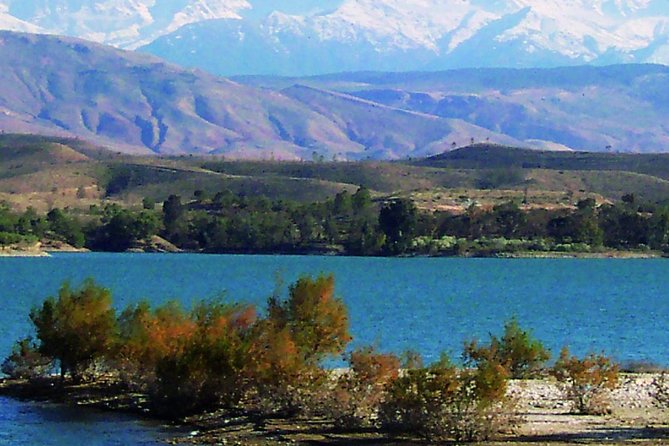
First stop is Lalla Takerkoust. This is your breather. The lake area gives you a quieter feel after Marrakech, and it’s positioned as a simple “clear your head” kind of stop.
It’s also low-stress: the listing notes admission is free, and the stop is about 10 minutes. Think of it as a photo-and-walk moment, not a long excursion. You’ll likely appreciate it more than you expect because the next parts involve walking through fields and village paths.
Practical tip: wear shoes you’re comfortable standing in. Even short stops can mean uneven ground depending on how you access viewpoints.
Stop 2: Plateau du Kik walks through cereal crops and High Atlas views
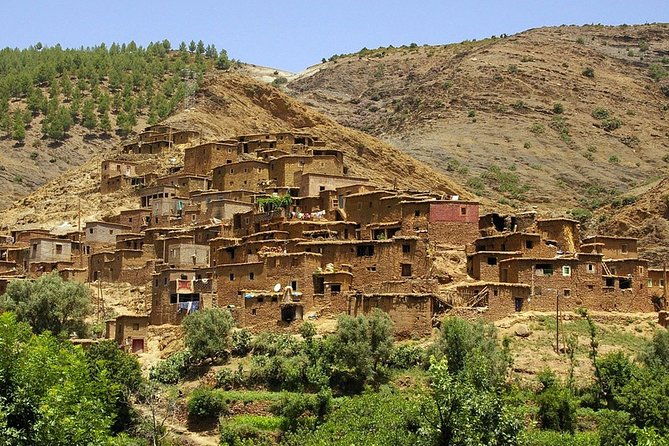
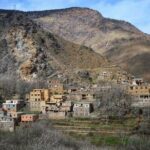
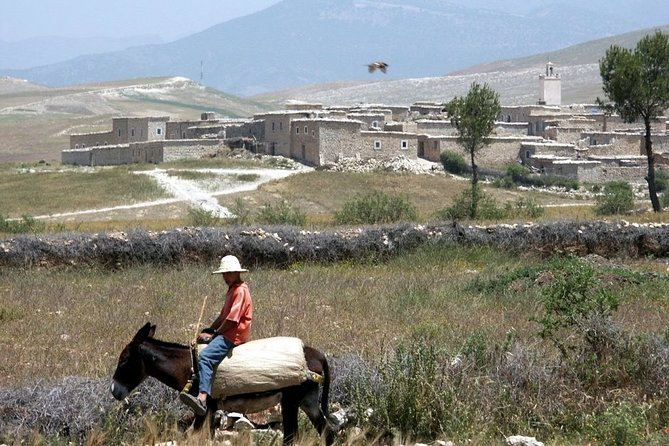
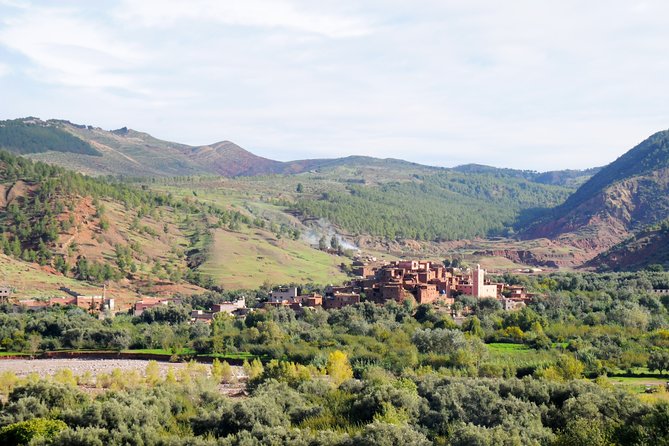
Next up is Plateau du Kik. The itinerary describes the track advancing among cereal crops, with crossings through Berber villages. That “walk-in-between” feel is a big part of why this day trip earns strong ratings.
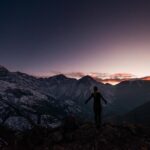
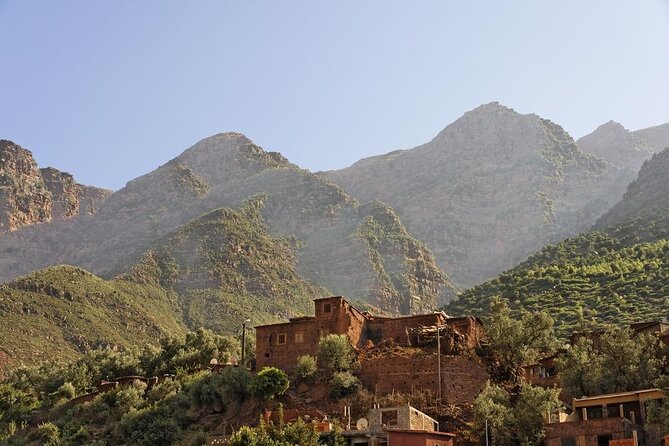
There’s also the scenery payoff: the plateau sits under the High Atlas, with peaks over 4,000 meters. Even if you’re not trekking high altitude, you’ll feel like you’re inside the Atlas story—big mountain walls framing the route.
The stop is listed at about 15 minutes, which keeps it realistic for a day trip. It’s enough time to get that countryside transition and stretch your legs, without turning the whole day into one long slog.
Drawback to consider: the walking segments are part of the experience, so if you’re hoping for mostly driving and minimal foot time, this isn’t that kind of tour.
Asni area: market day energy plus charming village paths
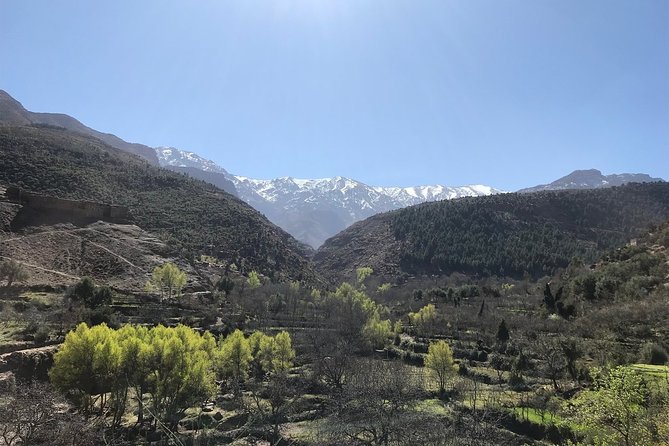
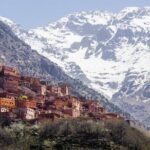
Asni shows up in the itinerary more than once, which makes sense because this area brings a mix of village scenery and community life.
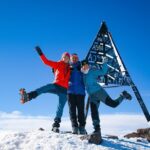
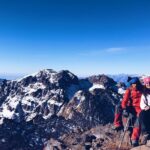
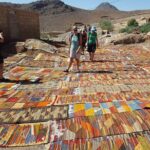
First Asni segment: village hills and a market stop
One Asni stop includes time for the Asni market, which operates on Saturdays. If you’re traveling on a Saturday, you can expect a lively mix of what locals actually buy and sell—everything from produce and animals to second-hand jewelry and even practical items like plumbing-related goods.
The listing notes 30 minutes here. Again, it’s not designed to replace a full market exploration day, but it’s a good hit of local rhythm during a countryside outing.
What you’ll enjoy most
I like this style of stop because markets can be overwhelming in bigger cities. Here, the market connects to the walking route through villages, so it feels less like a “tour stop” and more like a slice of everyday commerce.
Second Asni-related segment: set your expectation for valley quiet
After the market time, you’re pointed toward a valley approach that feels more “pause and look around” than “shop and browse.” That’s a nice balance.
Sidi Farés Valley: a quieter stop 70km south with a “not mass-tourism” feel
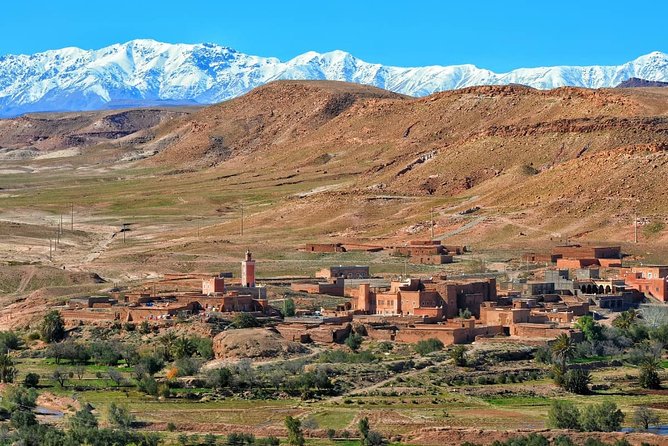
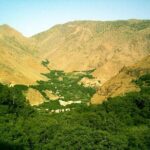
Sidi Farés Valley is described as a beautiful virgin valley with contrasting visuals, and it’s noted as being not known by mass tourism. The listing places it about 70 km south of Marrakech.
The stop time listed is about 20 minutes, which makes it a great “reset your eyes” break between the busier segments. You get to slow down enough to appreciate how the villages sit against the broader Atlas setting.
A small caution: since it’s meant to be quieter and less commercial, don’t expect it to feel like a named tourist attraction with lots of infrastructure. If you like places that feel real and a bit rough around the edges, you’ll probably love it.
Ourika Valley: the longer highlight with river atmosphere
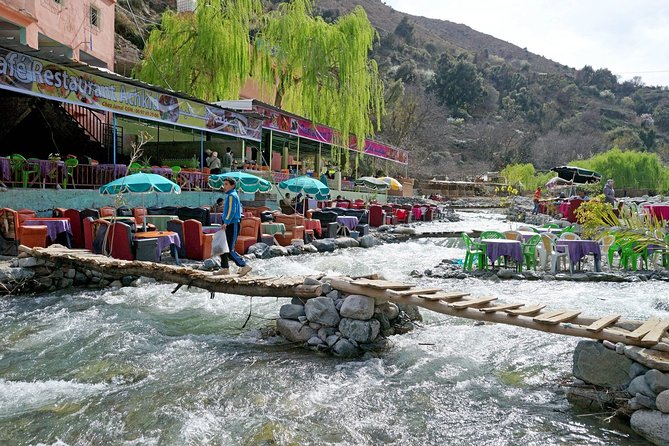
The final major stop is Ourika Valley, which is one of the most popular excursions from Marrakech for a reason. You follow the Ourika River, and the route frames the High Atlas in a way that feels different from Marrakech’s flatter city vibe.
This is where you’ll likely spend the most time. The listing gives 2 hours here, and it notes admission included.
Why the Ourika timing feels smart
Temperatures tend to be cooler in the shade near snowcapped High Atlas peaks. That’s a big practical advantage if you’re visiting during warmer months and want a break from Marrakech heat.
It also gets seasonal attention: the itinerary mentions almond and cherry orchards blooming from February to April, with wildflowers adding extra color. Even if you’re not in bloom season, the river + valley combo is still a solid payoff for a day trip.
How to enjoy it
Go into this part with a “slow pace” mindset. Two hours is enough time to step away from the group rhythm, take in the water setting, and enjoy the valley without feeling like you’re constantly moving.
Berber home visit and optional camel ride: what these add to the day
The experience overview says a Berber home visit is included, along with an optional camel ride. The itinerary itself focuses on stops and valley time, so the exact timing of those elements may depend on how the day flows.
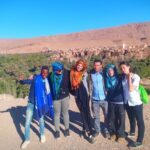
Still, the value is clear: a home visit and community interaction change the tone of the tour. It’s one thing to walk through villages; it’s another to meet people in a more personal setting. That also explains why guides like Abdul and Mohammed get praised for being friendly and flexible.
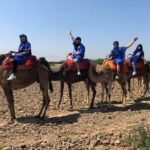
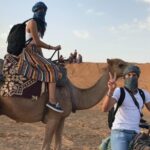
About the camel ride: one piece of feedback notes a short ride—around 20 minutes on the way back. Since it’s optional, you can skip if you’d rather keep the day strictly human-and-foot time.
Practical note: if you’re choosing the camel ride, wear comfortable clothing you can move in, and plan for the fact that animal rides can add a small extra layer of discomfort for some people.
Lunch: included or not? Here’s how to handle it
The tour description says a local lunch is included. But the provided “Not Included” section lists Lunch as not included.
So here’s the practical move: assume lunch might be on you unless your booking confirmation explicitly says otherwise. If you want to avoid stress, bring a little buffer cash and snacks, or confirm whether lunch is paid upfront.
This matters because the day is long. Two things are true at once: you’ll probably get hungry, and you don’t want to lose time searching for food mid-day.
Price and value: why $110.51 can feel fair
At $110.51 per person, this isn’t a budget-only transfer. But it often lands as good value for the kind of day you’re getting.
Here’s what you’re paying for in real terms:
- Private transportation plus an air-conditioned vehicle and chauffeur
- Local guides for the walking segments and village interaction
- Time in multiple areas (lake, plateau, villages/market region, valley)
If you tried to assemble this yourself, the hardest part wouldn’t be the driving—it would be the human navigation: finding the right places, timing village walks, and getting context while you’re there.
One more thing: the tour includes group discounts (helpful if you’re traveling with friends or family). It also uses a mobile ticket, which usually means less paper fuss.
Who should book this Berber villages trek day trip
This fits best if you want:
- Cultural village time with guided interaction, not just a scenic drive
- A day that mixes short walks with valley time
- A comfortable ride with a chauffeur so you can focus on the experience
If your ideal day is purely sightseeing from a car window, you’ll likely find the walking parts too active. On the other hand, if you’re okay with moderate physical fitness and you like places that feel off the main tourist track, this is a strong match.
It also makes sense for couples and solo travelers who want structure but don’t want to sit through a rigid schedule.
Quick packing tips for a full Atlas day
Even without knowing every detail of the ground, you can prepare smart:
- Wear closed-toe shoes with decent grip for paths and village routes
- Bring a light layer for cooler valley air
- Carry water and a small snack in case lunch timing doesn’t go how you expect
- Use sun protection; even in valleys, Marrakech sun can feel strong
These aren’t “optional extras.” They’re how you turn the day from okay into comfortable.
Should you book it?
Yes, if you like the idea of a guided village walk day that includes real interaction (home visit) and a proper valley stop. The Ourika portion alone is worth it for the river time, and the Sidi Farés stop adds a quieter feel that breaks up the city-to-countryside commute.
Skip it if you want a mostly seated day, or if you’re not comfortable with moderate walking. Also, do one small homework step: confirm the lunch situation in your booking message so you’re not surprised midday.
If you’re trying to see beyond Marrakech’s walls without spending days in transit, this is a well-structured way to do it.
FAQ
How long is the Berber villages trek day trip?
The duration is listed as about 8 to 9 hours.
Do I get pickup from my Marrakech hotel or riad?
Yes. The tour offers pickup from your place in Marrakech (hotels, riads, or apartments), and pickup takes about 15 minutes to reach the first stop area.
Is this tour private or shared?
It’s private, meaning only your group participates.
What does the tour include?
Included items are private transportation in an air-conditioned vehicle, a chauffeur, and local guides.
Is lunch included?
The overview mentions a local lunch, but the details provided also list Lunch as not included. Check your booking confirmation to be sure.
Is there an optional camel ride?
Yes. The tour description says there is an optional camel ride.
Where does the tour start and end?
It starts at J2F5+8QF, Rue Moulay Ismail, Marrakech 40000, Morocco and ends back at the same meeting point.
Is the Asni market included, and when does it run?
The itinerary includes Asni market time, and it operates on Saturdays.
What fitness level do I need?
The tour asks for moderate physical fitness.
What’s the cancellation policy?
You can cancel for a full refund up to 24 hours before the experience’s start time. The experience also depends on good weather, and if it’s canceled for poor weather you’ll be offered another date or a full refund.