REVIEW · MARRAKECH
2-Day Zagora Tour from Marrakech Including the Atlas Mountains, Camel Trek and Desert Camp
Book on Viator →Operated by Ando Travel SARL · Bookable on Viator
This trip is a long drive with big payoffs. I especially love the High Atlas crossing and the way it drops you into Morocco’s real rhythms, not just postcards. I also like the combination of Aït Ben Haddou and an actual camel-and-camp night in Zagora.
The main consideration is time: you’ll spend a lot of the trip on the road, so if you want minimal driving and maximum walking, this may feel like a grind.
In This Review
- Quick hits before you go
- Marrakech to Zagora: the driving part you should plan for
- Tizi-n-Tichka and Atlas Mountain stops: the views you can’t rush
- Aït Ben Haddou (UNESCO) and the Ouarzazate kasbah feel
- Zagora arrival and the camel trek: what sunset actually feels like
- Berber desert camp night: dinner, stargazing, and comfort tradeoffs
- Day 2: early desert mornings and the return across the High Atlas
- Price and value: what $111.66 really buys you
- What this tour feels like day-to-day (so you can decide fast)
- Who should book this Zagora trip, and who should skip it
- Should you book this 2-day Zagora tour from Marrakech?
- FAQ
- What time does the tour start?
- Where does the tour end?
- How long is the trip?
- What does the price include?
- What is not included in the tour price?
- What are the main sights you visit?
- Do you ride camels during both days?
- Is sunrise included?
- How much driving should I expect?
- What happens if weather is poor?
Quick hits before you go
- Tizi-n-Tichka pass gets you big mountain views and Berber villages along the way
- Aït Ben Haddou UNESCO time (with optional paid guiding if you want more detail)
- Ouarzazate stops for a break and a chance to see local kasbah vibes
- Camel trek in Zagora for sunset and dunes, not a quick photo stop
- Private-tent Berber camp night with dinner, star time, and camp entertainment
Marrakech to Zagora: the driving part you should plan for
This tour is basically built on two things: a full day of getting out of Marrakech and into mountain-to-desert Morocco, and a second day that swings back the same way. The schedule is long because the distances are long, and it’s not shy about that. You should expect around 8 hours of driving each day, even with stops along the route.
That sounds heavy until you think about what you’re actually seeing from the van window. The scenery changes constantly: city energy to Atlas road life to village clusters to desert edges. Plus, the minivan is air-conditioned, which matters on a day when temperatures can jump around.
If you’re the type who likes to sleep on transport, bring an eye mask and a layer. If you’re the type who likes movement, you’ll want to take advantage of every stop to stretch your legs and reset.
You can also read our reviews of more tours and experiences in Marrakech.
Tizi-n-Tichka and Atlas Mountain stops: the views you can’t rush
Your first morning starts early, with pickup at 7:00am from your hotel (selected hotels). Then the ride climbs toward the High Atlas using the Tizi-n-Tichka pass route, guided along the way.
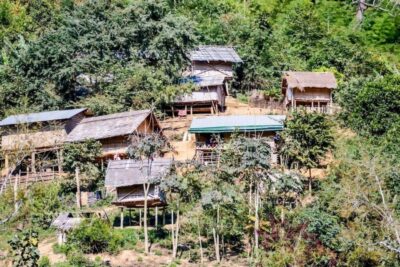
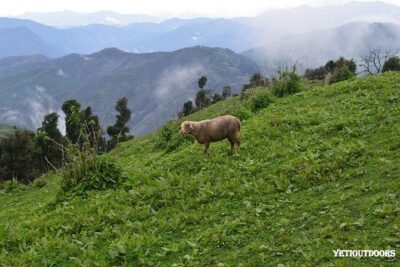
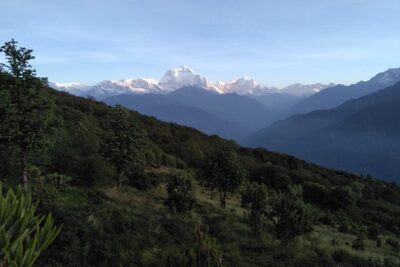
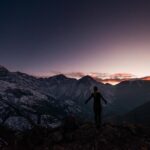
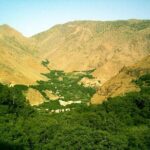
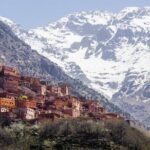
This is one of the best parts of the experience because the pass area isn’t just a road. It’s a string of small, lived-in moments: shepherds moving flocks, compact settlements clinging to slopes, and panoramic viewpoints where you can finally see how Morocco’s terrain layers out.
There’s also a practical truth here: those early stops are where your photos and your first sense of scale come from. The trip won’t slow down for you later.
Aït Ben Haddou (UNESCO) and the Ouarzazate kasbah feel
After the Atlas climbing comes the historical hit: Kasbah Aït Ben Haddou, a UNESCO World Heritage site and famous film setting. You get time to wander on your own, and you can also hire a local guide if you want the deeper context (that’s an extra cost).
What makes this stop worth your attention is that it’s not a museum build. It’s a real site shaped by centuries of trade and architecture logic. Even if you only walk a portion of it, you’ll understand why it’s been used for productions again and again.
Then you roll on to Ouarzazate, where there’s a short rest stop and time to reset before continuing. If you’re curious about how people organized daily life in this region, the stop at Taourirte Kasbah adds that connection. People from the Atlas, Drâa, and Dadès valleys have been trading and socializing here for centuries, so you’re not just watching old walls; you’re seeing a place that used to be a meeting point.
One small drawback to watch: some groups feel the Aït Ben Haddou guiding can be “suggested” rather than optional. If you’re trying to keep costs controlled, plan to start with self-exploration and only add a guide if you truly want it.
Zagora arrival and the camel trek: what sunset actually feels like
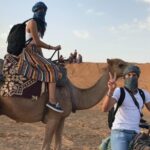
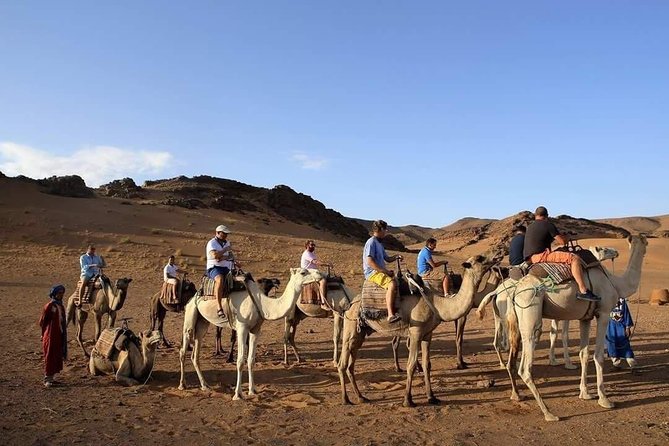
Once you reach Zagora, the trip shifts from architecture and mountain roads to something quieter and wider. Your camel portion is designed as a real experience, not a 10-minute ride for bragging rights.
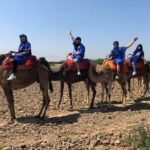
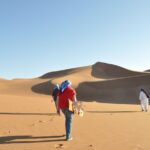
On this tour you ride your camel in Zagora, and the timing is set around the classic desert mood: sunset and later sunrise options (on day 2). Many departures also provide time for a small trek up the dunes, so you get a bit of walking too.
Two important reality checks:
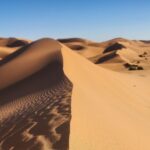
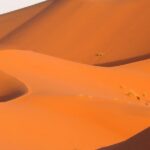
- The Zagora area isn’t always the all-soft, postcard sea of sand people expect. You can see a mix of rocky ground, palm areas, and dunes that come and go.
- How close your camp is to the dune action can vary. Some setups are right in the sand, others feel more like you’re on the edge of it. That affects how much you’ll want to explore after dark or early in the morning.
If your priority is maximum dune time, it’s smart to ask the company what the camp setup is like relative to the dunes. If your priority is the camel ride, sunset, and stargazing, you’re very likely to be happy.
Berber desert camp night: dinner, stargazing, and comfort tradeoffs
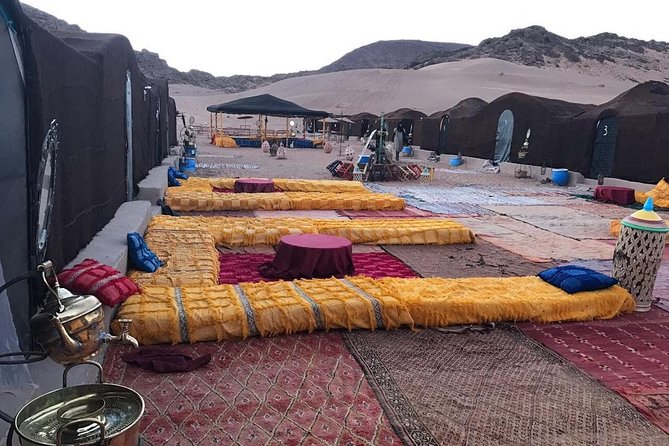
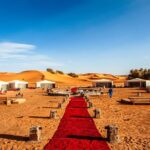
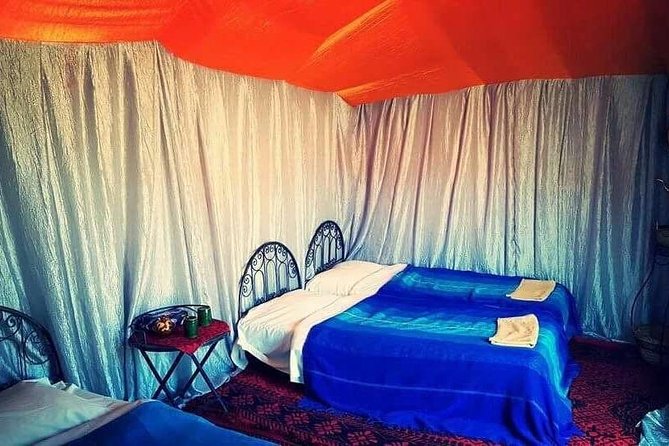
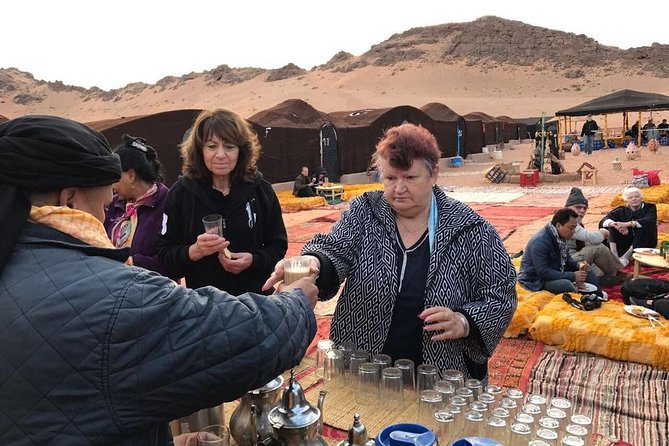
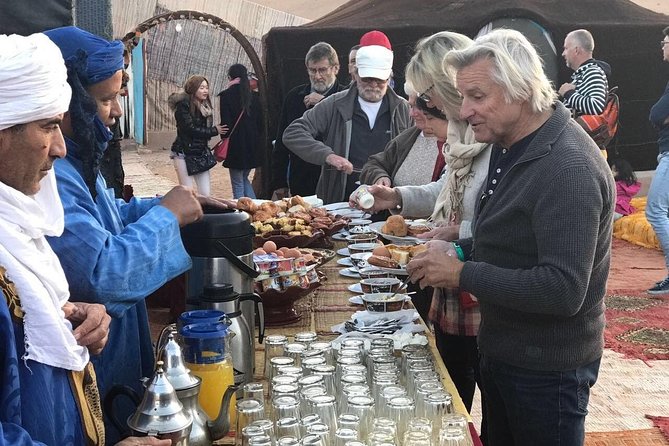
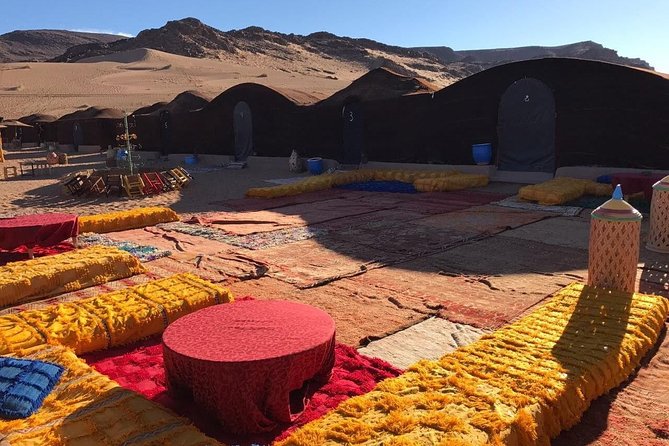
Overnight is in a private tent at a Berber camp in the Zagora Desert, with dinner included and breakfast included for the next morning.
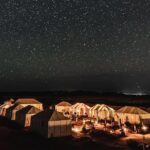
This is the heart of why people do this trip. Dinner at camp is typically fixed, and it’s often tagine-style and served as part of the whole rhythm of the camp evening. Then there’s usually entertainment around the camp, and the stars are the main event.
Stargazing can be incredible because you’re far from city lights, and the sky tends to feel huge. Some nights include music and dancing as part of the evening show.
Comfort varies by camp setup. Even on good nights, remember: a tent is still a tent. In warm months, tents can feel hot. In cooler seasons, you’ll likely want extra layers because it can be cold at night. If you want the best shot at better sleep, pack warm socks and something more protective than a thin top.
Also consider this: some groups loved their camp setup a lot, including details like windows or convenient showers, while others felt the camp location wasn’t as “inside the dunes” as they hoped. Your best move is to set expectations correctly: this is a desert camp experience, not a hotel resort.

Day 2: early desert mornings and the return across the High Atlas
Day 2 starts with a Zagora market stroll and an optional desert sunrise moment, depending on timing. After breakfast at camp, you get back on your camel for the morning ride and then meet your driver for the long drive back.
On the road you’ll stop for refreshment in Agdz (lunch and any extras are on your own), and you’ll have another chance to revisit Ouarzazate for lunch and possible time at Taourirte Kasbah if it didn’t happen the day before.
The rest of the day is the final crossing back over the High Atlas Mountains and arrival back in Marrakech in the evening. Many people land back late enough that you’ll want to plan a low-key night after. Long driving tends to take more out of you than you expect, even with breaks.
Price and value: what $111.66 really buys you
At about $111.66 per person for a 2-day Zagora trip, you’re paying for a full transportation package plus the desert essentials. What’s included typically matters most here:
Included:
- Transport by air-conditioned minivan
- Hotel pickup and drop-off (selected hotels)
- Camel trekking in the Zagora desert
- Overnight accommodation in a private tent at a Berber camp
- Breakfast and dinner
Not included:
- Lunch
- Local guides
- Drinks (so plan for water and other purchases)
When I think about value, I weigh the camel time and camp night against the rest of Morocco you also get: Atlas pass views, Aït Ben Haddou UNESCO, and Ouarzazate kasbah time. You’re not just paying for sand; you’re paying for the whole “mountain-to-desert” corridor plus guided transport between key locations.
That said, budget for the stuff that often becomes the real cost:
- lunch on your own
- drinks and bottled water
- optional local guiding time at Aït Ben Haddou
- snacks you might want between scheduled stops
Also be strategic with shopping stops. Some stops can turn into “buy whatever they point at” moments. If you’re not shopping, don’t let that slow your energy. Bring a snack from Marrakech if you can, and keep a little cash for personal meals and water.
What this tour feels like day-to-day (so you can decide fast)
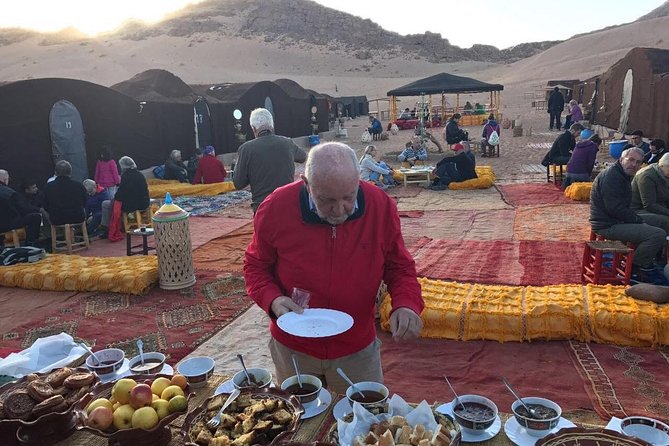
If you like your desert days to be active, you’ll probably enjoy it. The camel ride gives you movement, the dunes give you horizon time, and camp night gives you the emotional payoff: dinner, music, and that stretched-out sky.
If you prefer slow, deep cultural conversations and lots of unstructured exploration, this tour may feel a bit tight. The rhythm is controlled, and you’ll spend significant time in vehicles between stops. English ability can also vary by guide and driver, so if language matters to your enjoyment, it’s worth going in with patience.
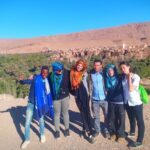
If you’re traveling with friends, this works well too because you can turn the long road into the kind of “remember this later” time that doesn’t feel wasted.
Who should book this Zagora trip, and who should skip it
This is a great fit if:
- you want a 2-day desert sampler from Marrakech that includes UNESCO + camels + camp
- you’re okay with long driving in exchange for a big change of scenery
- you want that classic sunset and sunrise-style desert experience
- you like the idea of Berber camp evenings with dinner and music
You might want to skip it if:
- you hate being in a vehicle for most of the day
- your idea of desert is only giant sand seas, with zero rocky/palm edges
- you’re very sensitive about camp location and sleep comfort
One more practical tip: pick your clothing with desert nights in mind. Also keep Morocco’s conservative dress expectations in your head. Shoulders and knees covered is a smart baseline and helps you feel comfortable in villages and historic sites.
Should you book this 2-day Zagora tour from Marrakech?
I’d book it if you want the full “Atlas to Zagora” arc in a tight timeframe and you’re comfortable paying for convenience: transport, key stops, camel trek, and a camp night all rolled together.
I would think twice before booking if your dream trip is mostly walking, not riding. This one is about moving through Morocco by van, with the camel and camp portions as your anchors.
If you go, do two things that boost your odds of loving it: bring snacks and water for the day’s gaps, and set expectations that the desert camp experience is authentic and basic, not hotel-level.
FAQ
What time does the tour start?
The tour starts with pickup at 7:00am.
Where does the tour end?
It ends back at the meeting point in Marrakech.
How long is the trip?
It runs for about 2 days.
What does the price include?
The tour includes transport by air-conditioned minivan, hotel pickup and drop-off (selected hotels), camel trekking, overnight accommodation in a private tent at a Berber camp, and breakfast and dinner.
What is not included in the tour price?
Lunch, drinks, and local guides are not included.
What are the main sights you visit?
You’ll pass through the High Atlas Mountains via the Tizi-n-Tichka pass, visit Kasbah Aït Ben Haddou (UNESCO), stop in Ouarzazate, and spend time in the Zagora Desert area.
Do you ride camels during both days?
You ride camels in Zagora, including a return morning ride on day 2 after breakfast.
Is sunrise included?
Sunrise is optional on day 2 as part of the early morning program at Zagora.
How much driving should I expect?
Because of the distances, the tour notes that about 8 hours of driving each day should be expected.
What happens if weather is poor?
This experience requires good weather. If it’s canceled due to poor weather, you’ll be offered a different date or a full refund.