REVIEW · MARRAKECH
3 Days Desert Tour From Marrakech To Merzouga Dunes & Camel Trek
Book on Viator →Operated by Marrakech Discovery · Bookable on Viator
Road, camel, and dunes in three days. This private tour strings together big Morocco sights—from the High Atlas switchbacks to Merzouga’s Erg Chebbi—without making you plan a thing yourself, starting with pickup and a mobile ticket. You’ll see Tizi n Tichka viewpoints, Ait Ben Haddou, and a real night in the desert.
I especially like two things. First, the driving is calm and confident, and the best version of this trip often comes with a very personable driver like Mokhtar, known for good care and helpful advice on stops. Second, the Sahara portion isn’t just a photo stop: you get a camel trek at sunset plus a Berber dinner, music, and an overnight in a tent.
The main downside to keep in mind is time: you’re on the road a lot each day. If you hate long driving stretches, this tour will feel more like an overland journey than a slow, lazy countryside escape.
In This Review
- Key highlights you shouldn’t miss
- Marrakech to Merzouga: what this 3-day route actually feels like
- High Atlas on Day 1: Tizi n Tichka to Ait Ben Haddou
- Ouarzazate stop: kasbah atmosphere and film-studio country
- Dades Valley by evening: palms, villages, and winding roads
- Day 2 from Dades to Todra Gorge: canyon scale in half an hour
- Merzouga arrival: the gateway feeling before you leave the vehicle
- The sunset camel trek and desert camp night (the heart of it)
- Day 3 sunrise and the return over the High Atlas
- Price and value: what you’re paying for at $798.70 per person
- Who this private desert tour fits best
- Should you book this Marrakech to Merzouga 3-day tour?
- FAQ
- FAQ
- What time does the tour start?
- How long is the tour?
- Is pickup offered?
- Is this a private tour?
- Do you use a mobile ticket?
- Where does the tour begin and end?
- What are the main stops along the way?
- Is the camel trek included?
- Are meals included?
- Is admission included for Ait Ben Haddou?
- What is the cancellation policy?
Key highlights you shouldn’t miss
- Tizi n Tichka pass views: fast photo stops on the climb through the High Atlas
- UNESCO Ait Ben Haddou guided visit: mud-brick ksar architecture and film-fame context
- Todra Gorge time: a quick walk among towering canyon walls
- Erg Chebbi camel trek: leaving the vehicle for the dunes at sunset
- Desert camp night: Berber dinner, music, and an overnight tent stay
- Valley of Roses stop: a change of pace on the way back through the Ouarzazate region
Marrakech to Merzouga: what this 3-day route actually feels like
This tour is built around a simple idea: trade a few hours of planning for a packed sequence of Morocco’s most scenic and story-rich places. You start in Marrakech, ride out through the High Atlas and film-country scenery, then switch gears and go full Sahara with camels and a camp night.
What I like is that the “big moments” are spread out. You don’t just reach Merzouga and disappear into dunes—you also get cultural stops in fortified villages and kasbah country before you ever see the sand. And because it’s private (only your group), the driver can pace the day around your comfort level and timing.
You can also read our reviews of more tours and experiences in Marrakech.
High Atlas on Day 1: Tizi n Tichka to Ait Ben Haddou
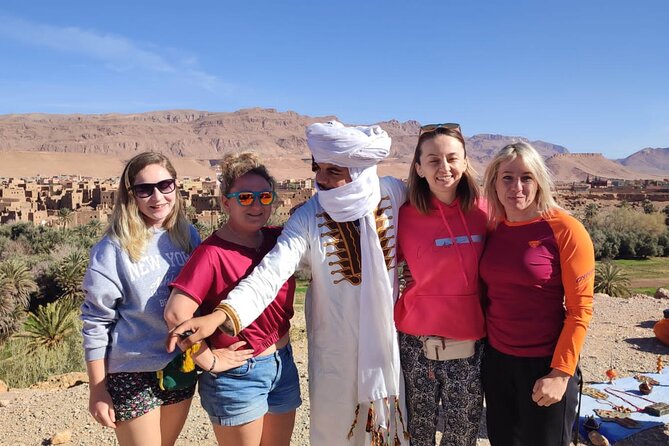
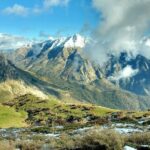
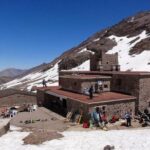
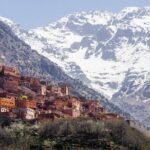
Day 1 is the climb out of Marrakech and the intro to Morocco’s mountain scale. The first stop is Tizi n Tichka, a high pass in the High Atlas where the road hugs cliffs and switchbacks. You’ll get short, useful breaks for photos and panoramic overlooks, which matters because the scenery is the point here. Even a 15-minute stop is enough to take in altitude, clouds, and the winding road below.
Then you move into the UNESCO-listed world of Ait Ben Haddou, a fortified ksar made of mud brick. This is one of those places where the details reward you even if you’re not the type who reads every plaque. Expect a guided visit that explains why it’s famous and how the architecture works—especially the way the village is designed as a stronghold rather than a modern neighborhood.
A key practical note: Ait Ben Haddou’s admission ticket is not included, while other listed entries on the route are marked free. If you want to avoid surprise costs, budget for that site ticket before you arrive.
Ouarzazate stop: kasbah atmosphere and film-studio country
After Ait Ben Haddou, the day continues to Ouarzazate, often called the Door of the Desert. The itinerary keeps it light at this point—think a brief stop (about 15 minutes) so you can stretch, orient, and see what the region feels like in person.
From here, you’ll have an option to visit Taourirt Kasbah. This stop is valuable even if you’re not a movie buff, because kasbahs tell you how families and power centers organized space in the pre-modern era. The rooms, decorations, and fort-like design help you understand why filmmakers keep coming back to this part of Morocco.
Dades Valley by evening: palms, villages, and winding roads
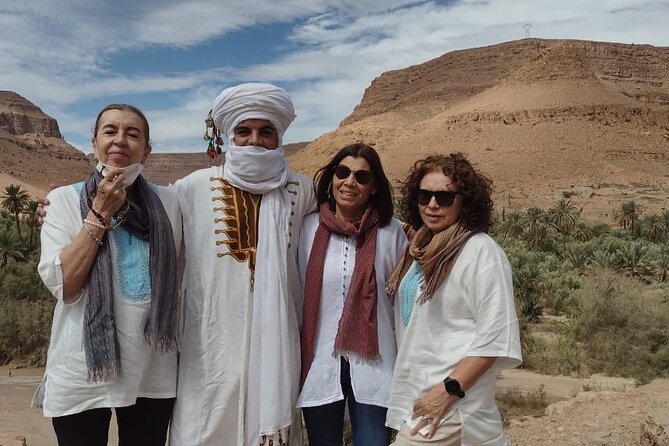
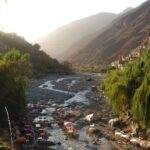
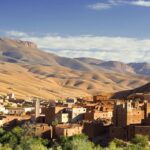
By the time you reach Boumalne Dades, the experience becomes more grounded. You’ll travel along the Road of a Thousand Kasbahs, with chances to see palm groves and traditional villages as the valley opens up.
You arrive in the evening, check in, and then eat dinner. The tour includes a traditional Moroccan dinner that helps you transition from day-driving mode into local-food mode without needing extra planning. If you’re tired, it’s a good kind of tired—more about finishing the journey than rushing through another checklist.
One small timing reality: the driving on Day 1 is long enough that you’ll likely appreciate a comfortable room and a no-stress dinner. This is the kind of tour where your evening rest matters for the next morning.
Day 2 from Dades to Todra Gorge: canyon scale in half an hour
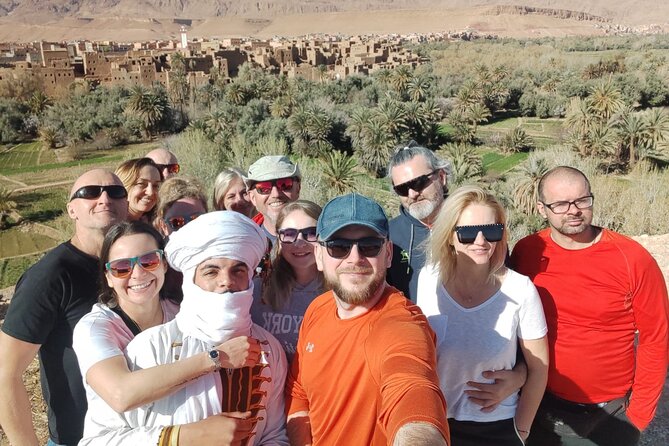
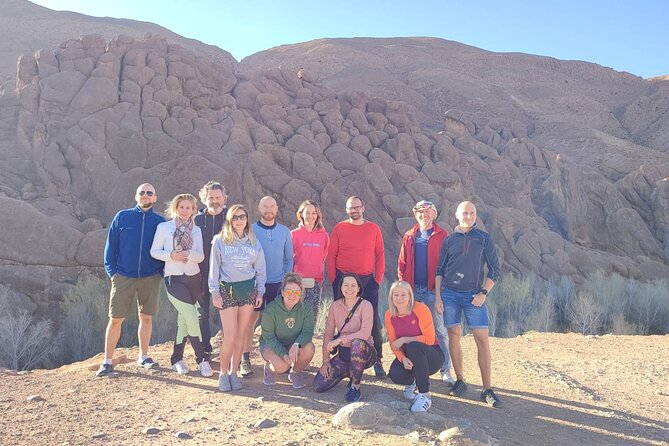
Day 2 starts with breakfast in the Dades Valley, then it’s straight toward Todra Gorge. The gorge is famous for its towering vertical canyon walls, and you don’t need hours to feel its scale. The itinerary gives you about 30 minutes to explore and take a short walk so you can actually see depth and texture, not just stare from the roadside.
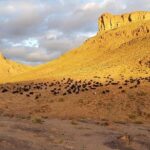
After Todra, the route continues through the broader landscape toward Erfoud and Tinejdad. This part of the day is less about a single “wow spot” and more about traveling across the kinds of areas that shape the desert region—plus it’s where the fossil/geology angle comes up in the plan. You get to watch Morocco shift from mountain valleys toward the edge of sand country.

Merzouga arrival: the gateway feeling before you leave the vehicle
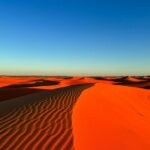
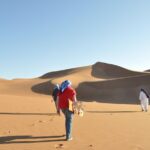
When you finally reach Merzouga, you’re in the doorway zone for Erg Chebbi dunes. The itinerary has you leave the vehicle behind for the camel trek, which is the turning point of the trip. About an hour of camel time is planned, long enough to feel like you’re part of the desert rhythm instead of doing a quick photo ride.
What to expect in practical terms: the camel trek isn’t just transportation. It’s your moving “threshold” into the dunes. You’ll arrive at a desert camp in time for sunset, when the sand changes color and shadows stretch across the dunes.
If you don’t have much experience on camels, just keep your balance, wear comfortable footwear, and don’t be shy about asking the guide how to settle in. The guide and camp setup are doing a lot of the work for you.
The sunset camel trek and desert camp night (the heart of it)
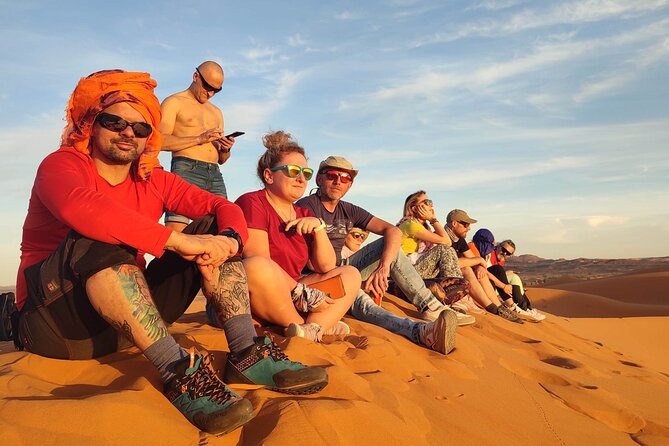
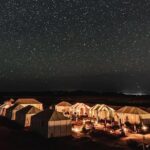
This is the part of the tour that people remember. You reach the camp for sunset viewing, then spend the evening at the desert camp with a Berber dinner, music, and storytelling time under the stars (the plan leaves room for that once you’re there).
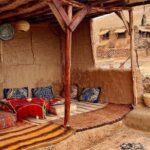
Sleeping in a tent in the desert is the main “real experience” component, because it removes you from city routines and puts you in a different pace of night and silence. The itinerary lists an overnight tent stay and roughly 7 hours for the camp evening and night block, so you’re not rushed into leaving early.
Also, note the emphasis in the trip style: it’s not only about seeing dunes; it’s about the welcome. In the notes from people who’ve taken this, the camp meal and the friendly, homey feel were major wins—and the driver was often described as making the whole day feel smooth.
If you care about comfort, pack layers. Even if the day feels warm, desert nights can turn chilly, and tents don’t regulate temperature like a hotel room would.
Day 3 sunrise and the return over the High Atlas
Day 3 begins early for sunrise over the Merzouga dunes. If you’ve never seen desert sunrise, it’s a good moment to actually be up before you think about breakfast. The itinerary includes about an hour to catch that morning light, then breakfast before you start heading back.
After leaving the desert, you head toward Vallee des Roses. This is a short stop, about 10 minutes, but the idea is simple: you get a break from sand and fortresses and see the rose-growing region that supports perfume, oils, and skin products. Even if it’s just a quick pass-through, it helps you understand why perfume country matters here.
Then it’s back to Ouarzazate and then into the High Atlas for the return drive toward Marrakech. The plan includes another chance to explore the region and possibly visit Taourirt Kasbah again, plus scenic stops for photos on the mountain roads. You finish in Marrakech with the tour concluding and you heading back to your accommodation.
The return day is when you’ll feel the total time you spent on the road. But you’ll also know you’ve hit the main “why” of the trip—mountains, kasbah towns, dunes, and a proper desert night.
Price and value: what you’re paying for at $798.70 per person
At $798.70 per person for a roughly 3-day private experience, the value mostly comes from three things you can’t easily recreate cheaply without organizing everything yourself:
- Long-distance private transport from Marrakech to the desert and back, including multiple stops.
- The camel trek plus desert camp night, which is usually the most logistically annoying part to DIY.
- Guided time at Ait Ben Haddou, which is a real “learn something” advantage compared to a quick drive-by.
The other side of the value equation is that some admissions are not included. Ait Ben Haddou’s admission ticket is explicitly marked not included, while other listed entries are free. That means the total cost can vary a bit depending on what you pay on-site, but the tour does most of the coordination for you.
If you’re traveling with a small group, private tours often feel more economical than they look on paper, because you’re not paying “two or three extra day trips” separately. And you’re paying for a driver who knows how to keep the day moving without making it feel chaotic.
Who this private desert tour fits best
This is a strong fit if you want a classic Morocco circuit in three days and you’d rather spend your energy watching the scenery than booking tickets and mapping routes. It’s also a good match if you enjoy a mix of history stops and nature scale.
It’s especially suitable if you like the idea of being able to ask your driver questions in real time. People who took the trip highlighted how helpful and pleasant the driver experience felt, with Mokhtar specifically praised for care and guidance during visits.
If you’re the type who needs very flexible timing, keep one reality in mind: this is a scheduled overland itinerary. You’ll get stops, but you won’t have days of open-ended wandering. Still, it’s “most travelers can participate,” so long as you’re comfortable with driving days.
Should you book this Marrakech to Merzouga 3-day tour?
Book it if you want a well-structured introduction to Morocco’s mountain-to-desert journey, with the Sahara experience as more than a quick stop. The best part is the combination: Ait Ben Haddou and kasbah culture early, then Erg Chebbi dunes with camels, dinner, music, and a desert tent night.
Consider skipping or switching tours if you strongly dislike long car days. Also, if you don’t like the idea of sleeping in a tent, you might want a more hotel-focused desert option instead.
FAQ
FAQ
What time does the tour start?
The start time is listed as 8:00 am.
How long is the tour?
It’s listed as 3 days (approx.).
Is pickup offered?
Yes, pickup is offered.
Is this a private tour?
Yes. Only your group participates.
Do you use a mobile ticket?
Yes. The tour includes a mobile ticket.
Where does the tour begin and end?
It begins in Marrakech and ends back in Marrakech.
What are the main stops along the way?
You pass through Tizi n Tichka, Ait Ben Haddou, Ouarzazate, Boumalne Dades, Todra Gorge, Merzouga (Erg Chebbi dunes), and Vallee des Roses on the return route.
Is the camel trek included?
Yes. You leave the vehicle in Merzouga and do a camel trek across the dunes, with sunset timing planned.
Are meals included?
Yes. The plan includes a traditional Moroccan dinner on Day 1 and a Berber dinner at the desert camp on Day 2.
Is admission included for Ait Ben Haddou?
No. Admission for Ait Ben Haddou is marked as not included, while other listed admissions are marked free.
What is the cancellation policy?
Free cancellation is available up to 24 hours in advance for a full refund. If you cancel less than 24 hours before the start time, you don’t get a refund.