REVIEW · KATHMANDU
Everest Base Camp Trek
Book on Viator →Operated by Sublime Trails Pvt. Ltd · Bookable on Viator
Everest Base Camp is the kind of plan you remember. This guided trek strings together Kathmandu comfort with high-altitude walking on an organized route toward the Everest region.
I especially liked how the trip handles the big logistics, like getting you from the airport into your Kathmandu hotel, then flying you to Lukla.
What really makes the experience click is the all-in support during the mountains days: lodge accommodation plus breakfast, lunch, and dinner each trekking day, with a guide and porter backing you up. I also like that the trekking team includes mountaineering guides such as Prakash and Ajit, who are praised for clear daily guidance and route awareness.
One thing to consider: the package is not a blank-check deal for extra costs—tipping, personal expenses, and travel insurance/evacuation coverage are on you. If you don’t budget for cold-weather add-ons and emergencies, you’ll feel it fast.
In This Review
- Key things I’d bet on before you go
- Kathmandu Setup: Airport Pickup, Thamel Time, and a Real Trek Briefing
- Flying to Lukla: The Dudh Koshi Day That Changes Everything
- The Main Trek Phase: 11 Days of High-Altitude Trails With Daily Structure
- Meals, Lodges, Porters, and the Guide’s First Aid Kit
- Price and Value: What $1,750 Buys (and What It Doesn’t)
- Group Size, Pace, and How to Pick the Right Fit
- Booking Thoughts: When This Everest Base Camp Trek Makes Sense
- FAQ
- What does the tour include for the trekking days?
- Are flights included?
- What’s included in Kathmandu before the trek?
- What is not included in the price?
- How large is the group?
- Do I need a moderate fitness level?
- Is there a cancellation option for a full refund?
Key things I’d bet on before you go
- Round-trip flights Kathmandu–Lukla so you’re not trying to DIY the hardest part of the journey
- All meals during the trek plus lodge stays, which keeps your daily rhythm simple
- Mountaineering guide support (and porter assistance) for route planning and day-to-day help
- Kathmandu pre-trek setup with airport pickup, a 3-star hotel, and a briefing
- Small group size (max 16) for a more manageable pace and easier coordination
Kathmandu Setup: Airport Pickup, Thamel Time, and a Real Trek Briefing
Your journey starts with a simple, helpful rhythm: someone picks you up after arrival and drives you to a 3-star hotel in Kathmandu for two nights. You’ll rest, grab breakfast, and then get a short briefing focused on how the Everest Base Camp trek will run.
I like this part because it removes the usual first-day chaos. In a city where you’ll feel jet-lagged and a little overwhelmed, having a team handle the transfer and get you into a predictable routine matters.
You also get downtime. After the briefing, you can shop or explore the Thamel area at your own speed. This is the practical window for odds and ends—things like gear adjustments or last-minute supplies—without feeling like you’re being rushed.
What to watch for here: your Kathmandu time includes only breakfast. Any other meals in the city are not included, so plan for that in your budget. Also, if your travel dates force extra hotel nights before/after the scheduled trek window, those extra nights cost extra.
You can also read our reviews of more tours and experiences in Kathmandu.
Flying to Lukla: The Dudh Koshi Day That Changes Everything
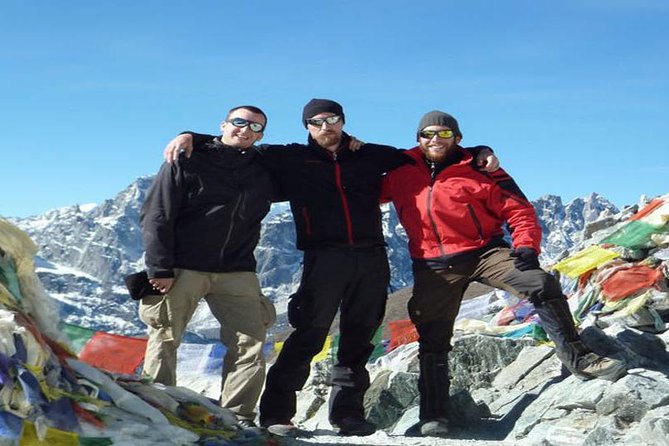
After your Lukla flight, you’ll get another trekking briefing. Then the trek actually begins from Lukla.
One detail I find especially grounding is how the first walking day is described: you follow along the Dudh Koshi river for about 3 hours before reaching Phakding for your first night in the mountain area. That’s a clear, concrete start—more “walk into the real world” than “mysterious day one.”
Why this matters for you: when you’re headed into high altitude trekking, the day-one structure helps. Even if you’re nervous (you will be, at least a little), you know what comes next: move along the river, reach Phakding, rest, repeat.
Possible drawback: flights into/out of Lukla can be sensitive to weather patterns. The package includes the flights, but the reality of mountain air travel means delays and schedule changes can happen in the region. The itinerary is built around the trek flow, so if your travel dates are tight, give yourself breathing room.
The Main Trek Phase: 11 Days of High-Altitude Trails With Daily Structure
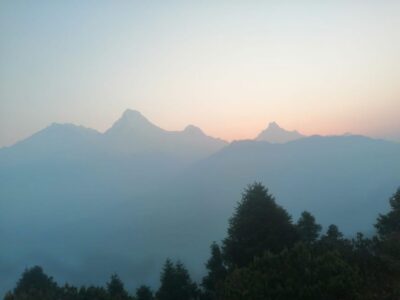
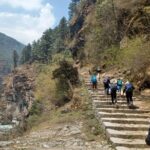
Here’s the heart of the value: this is a guided two-week plan built around 11 action-packed trekking days. You’ll walk high-altitude trails between high passes and villages. You’re not doing this alone, and you’re not improvising your food, bed, or day plan.
The tour includes lodge accommodation during the trekking portion and breakfast, lunch, and dinner each day while you’re in the Himalaya. That’s more than convenience. When food and lodging are handled, you can focus on pacing, staying steady, and enjoying the route.
You’ll also have porter support and an experienced guide. The guide isn’t just a map holder; this package is described with mountaineering guidance. From the way the team is praised for route instructions and daily expectations, you can expect day-by-day planning so you know what to anticipate—where you’ll be walking, how the day is broken up, and how to handle your time on the trail.
What you’ll likely feel most: the rhythm. Each day becomes a sequence: wake up, eat, walk with a plan, reach the lodge, settle in, and repeat. That rhythm is part of why this kind of trek can feel meaningful instead of exhausting.
A consideration: you need moderate physical fitness. The trek is not listed as extreme for advanced climbers, but it is still high-altitude walking with passes. If you’re unsure, choose conservative training and talk to your doctor if you have health concerns.
Meals, Lodges, Porters, and the Guide’s First Aid Kit
In the mountains, details stop being “extras” and start being essentials. This package includes meals during trekking—three meals a day—and lodge accommodation so you’re not tracking down food options or making lodging decisions after you’re tired.
You also get porter help. That matters because it changes how you experience the day. You can put more energy into your walking and less into managing a heavy load, especially when you’re trying to stay steady on long trail days.
There’s also a Sublime First Aid kit carried by the guide. That doesn’t make the trek risk-free, but it does tell me this company expects the realities of trekking—minor injuries, fatigue issues, and the kinds of trail problems that pop up when you’re far from hospitals.
What’s not included (and why you should care): during the trip, you’ll have to pay for bottle or boiled water and other personal items you choose to buy. Also, alcohol and nonalcoholic drinks are not included. If you like frequent hot drinks or bottled water for comfort, budget for it.
Price and Value: What $1,750 Buys (and What It Doesn’t)
At $1,750 per person, the big question is value. For this package, I’d judge it based on what’s bundled into the trekking puzzle.
Included pieces that add up fast:
- Kathmandu airport pickup and transfer, plus 2 nights in a 3-star hotel
- Round-trip flights between Kathmandu and Lukla
- Lodge accommodation during the trekking portion
- Meals (breakfast, lunch, dinner) during the trek
- Guide and porter support
- Necessary paperwork handled with Nepal government/tax departments (as described)
- A guide carrying a first aid kit
What’s not included:
- Any meals beyond breakfast in Kathmandu
- Travel insurance and rescue/evacuation coverage (strongly recommended)
- Extra Kathmandu nights outside the schedule
- International airfare
- Personal spending (phone, internet, laundry, hot shower, cold drinks, extra porters, and similar costs)
- Your Nepal entry visa fee
- Tipping for the crews
So the price feels most fair if you want a low-headache trek: transport, accommodations, and food organized; professional support in the mountains; and you focus on being a steady walker.
If you’re on a shoestring: the exclusions can add up, especially with drink purchases, internet use, and any surprises with added night(s). If you can stay disciplined on personal spending, you’ll likely feel good about the overall value.
Group Size, Pace, and How to Pick the Right Fit
This trip has a maximum of 16 travelers. That’s small enough to feel coordinated, but not so tiny that things become inflexible.
This kind of group size usually helps in the real world:
- your guide can manage questions and pacing
- logistics run cleaner when arrival times and meal schedules are predictable
- you’re less likely to get stuck in a huge moving crowd
Who I think should book it:
- You want the Everest Base Camp route without building the system yourself
- You prefer structured days with meals and lodging handled
- You like having a capable guide team working on route planning and safety support
- You want porters to reduce the load you carry
Who might reconsider:
- You want a fully private trek (this is group-based)
- You want all personal costs covered (they aren’t)
- You’re not comfortable with high-altitude trekking logistics and physical demands, even at a moderate fitness level
Booking Thoughts: When This Everest Base Camp Trek Makes Sense
If your goal is Everest Base Camp with strong logistics and daily support, this package fits well. I like how it starts with Kathmandu comfort, handles the toughest transport leg with flights to Lukla, and then keeps the mountains portion predictable with lodge stays, meals, guide leadership, and porter help.
My main “don’t trip over this” advice is budget discipline: plan for the things not included—insurance/evacuation coverage, Nepal visa, tipping, and personal purchases. If you do that, the rest feels like a well-run trekking system.
So should you book? If you want an organized Everest trek you can trust to run day-to-day, yes—this is the kind of setup that turns a bucket-list idea into an actual trip you finish with energy left.
FAQ
What does the tour include for the trekking days?
The trek includes lodge accommodation and breakfast, lunch, and dinner each day during the trekking in the Himalaya, plus a guide and porter support.
Are flights included?
Yes. The package includes round-trip flights between Kathmandu and Lukla.
What’s included in Kathmandu before the trek?
You get airport pick up and transfer, plus 2 nights in a 3-star hotel, breakfast at the hotel, and a short briefing for the Everest Base Camp trek.
What is not included in the price?
Not included are meals other than breakfast in Kathmandu, rescue and travel insurance and related emergency costs, international airfare, personal expenses (phone/internet/laundry/cold drinks/hot shower and similar), alcohol and nonalcoholic drinks, the Nepal entry visa fee, and tipping for the crews.
How large is the group?
The maximum group size is 16 travelers.
Do I need a moderate fitness level?
Yes. The tour specifies moderate physical fitness is needed.
Is there a cancellation option for a full refund?
Yes. You can cancel up to 24 hours in advance for a full refund. If you cancel less than 24 hours before the start time, the amount paid is not refunded.