REVIEW · KATHMANDU
Everest Base Camp – Cho La Pass – Gokyo Trek
Book on Viator →Operated by The Great Adventure Treks & Expedition - Private Day Tours · Bookable on Viator
If you want the Everest region without feeling trapped in a rush, this itinerary is built for that. You follow the classic Everest Base Camp route, then detour over Cho La Pass and continue into Gokyo Lakes for a second round of high-altitude scenery that many people find even more memorable than Base Camp.
I especially like the way this is set up as a private trek, so your pace matters. I also like the mix of classic stops (Namche Bazaar, Tengboche, Everest Base Camp) with quieter hiking that leads you toward the Gokyo valley.
The big consideration is simple: this is a strenuous high-altitude trek. It’s for travelers with moderate fitness who can handle long days and the reality of altitude, even with strong guidance.
In This Review
- Quick hits before you commit
- Entering the Everest region through a private-style circuit
- Cho La Pass and Gokyo Lakes: the detour that changes your photos
- Kathmandu start: you’re paying for less stress than you’d think
- The Namche Bazaar and Tengboche part: acclimatize and connect
- Toward Dingboche and Lobuche: the “big mountain” feeling starts stacking up
- Everest Base Camp: the classic finish that still earns its reputation
- Cross Cho La Pass like it’s the whole point (because it is)
- Gokyo Lakes: when the scenery shifts from peaks to water and sky
- Guides and porters: the real safety net is how the team handles problems
- Price and value: what $1,394.88 actually covers
- Season choice: Mani Rimdu is a real timing perk
- Who should choose this trek, and who might want a simpler option
- Should you book the Everest Base Camp – Cho La Pass – Gokyo Trek?
- FAQ
- What time does the trek start?
- How long is the Everest Base Camp–Cho La Pass–Gokyo trek?
- What is the price per person?
- Is this a private trek or shared with other groups?
- Are lunch and dinner included?
- Do I need moderate fitness for this trek?
- Does the route include Cho La Pass and Gokyo Lakes?
- Can I visit the Tengboche Monastery, and what’s special in autumn?
- Is weather important for the trek?
Quick hits before you commit
- Private pacing: you’re not trying to keep up with the crowd all day.
- Cho La Pass at about 17,782 ft / 5,420 m: a real summit-style challenge.
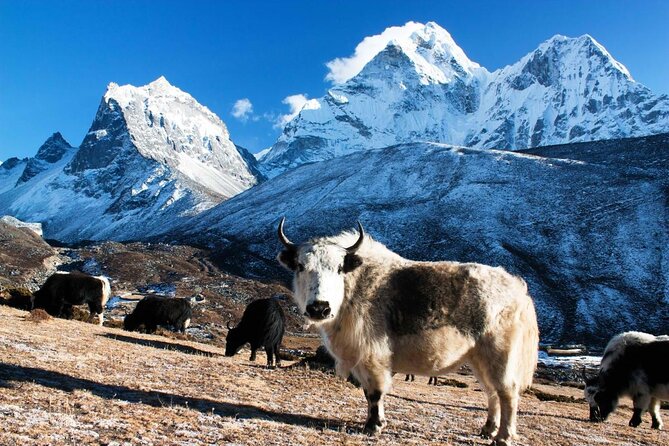
- Gokyo Lakes views: turquoise high-altitude scenery plus strong Everest-area sightlines.
- Tengboche Monastery and Mani Rimdu in autumn: a cultural stop that can add real meaning to the trek.
- Experienced support culture: guides and team members who focus on taking care of both the plan and the people.
Entering the Everest region through a private-style circuit
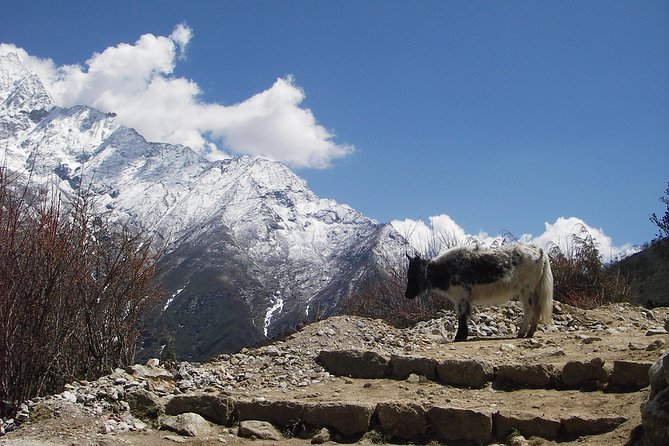
This trek takes the headline idea of Everest Base Camp and adds a detour that changes the whole feel of the journey. Instead of marching toward one dramatic destination and turning around, you finish with Gokyo—an area known for wide views and lake panoramas at altitude.
Because it’s private, you’ll usually spend less time feeling boxed in. In high mountains, that matters. Slower hikers don’t have to “perform.” Faster hikers don’t feel like they’re dragging everyone into a pace that makes altitude harder than it needs to be.
And it’s not just about pacing. A private setup also helps when the trek comes with real-life variables: weather windows, fatigue levels, and timing around viewpoints. You still cross the same big hurdles—just with more control over how you meet them.
You can also read our reviews of more tours and experiences in Kathmandu.
Cho La Pass and Gokyo Lakes: the detour that changes your photos
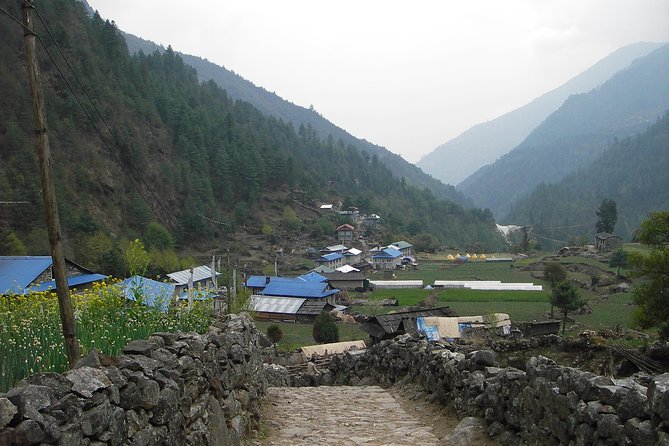
Cho La Pass is the pivot point of this route. It sits around 17,782 ft / 5,420 m, and crossing it is the kind of day that gets your heart rate up before you even reach the pass views. Expect it to feel more like a major mountain task than a scenic stroll.
Then you land in the Gokyo valley and get the payoff. The supplied tour overview highlights that the views of Everest from the Gokyo Lakes can be arguably better than what you see from Base Camp. That’s not a small promise. Here, the appeal is the combination of altitude + vantage points + water-and-ice contrast that you just don’t get from the Base Camp area alone.
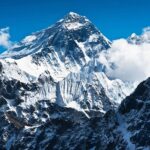
One more angle: this route’s positioning gives you a shot at “closest views” of multiple major peaks. The overview calls out views connected to Cho Oyu (8,201m), Makalu (8,463m), Lhotse (8,516m), and Everest (8,850m) during the journey. You won’t see all of them at once, but the geometry of the circuit can make you feel surrounded—mountains showing up from different angles each day.
Kathmandu start: you’re paying for less stress than you’d think
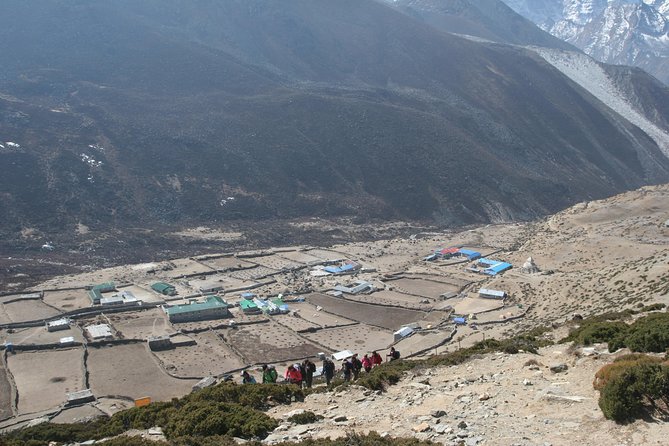
Most of your trek success comes from what happens before you ever step onto the trail. This program starts in Kathmandu, with pickup offered and a mobile ticket listed as part of the experience package. The meeting start time is 9:15 am, so you’re not waiting around all day hoping someone remembers you exist.
The reviews add a practical layer: there’s mention of a manager named Mani who helped travelers arrange logistics and even source some rental equipment in Kathmandu. There’s also direct mention of booking stays like Hotel Everest Nepal for people who were using the trek as the core of a longer plan.
From a value perspective, that’s the point: you’re paying for fewer moving parts. On a trek this big, small errors turn into big delays. When someone’s already thinking about transportation, timing, and gear needs, you spend less time troubleshooting and more time preparing your body.
The Namche Bazaar and Tengboche part: acclimatize and connect
Even if Everest is your goal, the middle section is where you build rhythm. This route specifically includes Namche Bazaar and Tengboche, two stops that do more than fill a map.
Namche Bazaar is a key acclimatization stop in the Everest region. You go there so your body can adjust while you still move forward. It also helps you get your bearings: you learn how it feels to hike at altitude, and you start recognizing the patterns—how effort changes, how breathing changes, and how rest days (or slow days) can save you later.
Tengboche adds a cultural anchor. The overview says you can visit the Tengboche Monastery, and that during autumn you might even be part of the celebration of Mani Rimdu there. That’s a real bonus if you’re flexible with timing. It turns the trek from pure altitude grind into a human story: prayers, chants, and local life set against the mountains you’re chasing.
Also, the overview notes you can interact with locals in these areas. That’s one of the best reasons to take this trek seriously instead of treating it like a checklist.
Toward Dingboche and Lobuche: the “big mountain” feeling starts stacking up
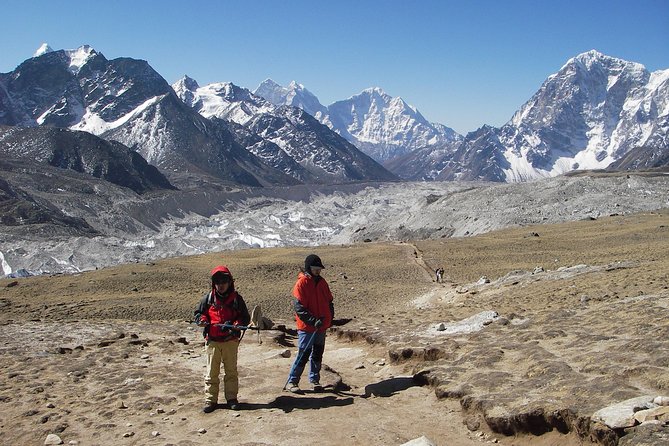
As you move along the EBC side of the route, the itinerary includes places like Lobuche, Dingboche, and Gorak Shep on the way to Base Camp. These names matter because they’re where the Everest trek starts to feel less like a hike and more like a high-altitude system.
What I like about this part of the route is that it gives you time to calibrate. You’re not just walking until you reach the final ticket item. You build endurance, you learn what pace feels good for you, and you get used to the slower thinking that comes with altitude.
You also get a steady increase in mountain visibility. The overview points out “towering mountains” from villages like Lobuche, Dingboche, and Gorak Shep. This is one of those trek moments where it feels like the views get louder each day.
And the practical payoff is motivation. On hard days, you can look back at what you’ve already climbed and see how much ground the route covers before the final push.
Everest Base Camp: the classic finish that still earns its reputation
Everest Base Camp remains a bucket-list target for a reason. It’s where the story of Everest becomes physical: the scale, the gear, the mountain walls, the sense of why this region draws people from everywhere.
This route reaches Base Camp along the standard path and then continues onward with the Cho La Pass and Gokyo component. So Base Camp isn’t treated as the whole thing. It’s treated like a major milestone.
For your expectations, think of Base Camp as both an emotional marker and a logistics checkpoint. You’re likely going to be tired. You might also feel “done” in your head even while your body knows you still have more work ahead. That’s normal. The benefit of having the rest of the circuit planned is that you can come out of Base Camp with focus instead of uncertainty.
Cross Cho La Pass like it’s the whole point (because it is)
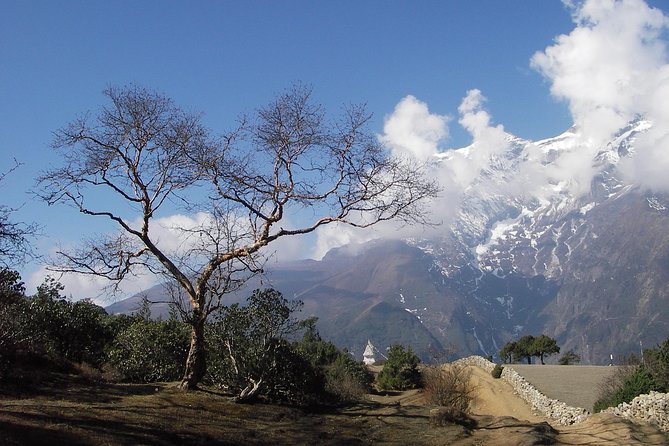
If you want a single day that defines this trek, it’s the Cho La Pass crossing. The overview lists it as 17,782 feet / 5,420 meters, which tells you to respect the day’s physical demands.
Here’s the practical mindset I’d recommend: treat the pass day as an endurance challenge, not a photo challenge. You can take photos from stops along the way, sure. But your priority is steady movement, careful breathing, and pacing that keeps altitude from turning the hike into a panic game.
The value of doing Cho La Pass on this specific circuit is that it transitions you from the Everest Base Camp world into a different scenic system. Instead of doubling back, the pass becomes your bridge to Gokyo—an area with different views and a fresh sense of place.
Gokyo Lakes: when the scenery shifts from peaks to water and sky
After Cho La Pass, you shift into the Gokyo valley. This is where many people feel the route earns its second half.
The overview calls Gokyo Lakes “turquoise high-altitude lakes,” and positions the views of Everest from there as arguably stronger than from Base Camp. Even if you don’t chase that comparison, the general idea is the same: you’re getting a different type of panorama.
Water at altitude changes how the mountains look. The reflections and color tones can make the peaks feel sharper. The lakes also give you frequent “pause points,” places where you can stop, breathe, and reset while still feeling like you’re progressing through the circuit.
If your body has been holding up, this is the part where motivation often returns. You’ve already proven you can do Everest-area altitude. Now you’re rewarded with a unique endpoint scenery-wise.
Guides and porters: the real safety net is how the team handles problems
On paper, the route is the main product. In real life, the team is what makes the trek feel manageable.
The reviews highlight a pattern: guides who are attentive not only to the trail, but to your mental state and your pace. One review thanks Binod for making the dream come true and describes him as responsible and experienced. Another credits Surey and Sudam for caring support and experience. There’s also a strong note about Ram Timalsina, described as senior and considerate with 21 years guiding experience in the Everest area (Nepal and Tibet side).
What I take from these comments is this: you want a guide who tracks more than routes. You want someone who pays attention to how you’re coping, and who can adjust when weather or fatigue changes the day.
You’ll also see references to Mani stepping in when needed—like assisting with cash issues mid-trek in one account. That’s not a guarantee of the same outcome for you, but it does suggest a team culture built around fast problem-solving.
Price and value: what $1,394.88 actually covers
The price listed is $1,394.88 per person, for an itinerary listed at 19 days (approx.) in Nepal, starting from Kathmandu. Included features mention private transportation, plus pickup offered and a mobile ticket.
At the same time, lunch and dinner are not included. So you need to budget for at least some meals along the way.
This is where value thinking helps. A long, high-altitude trek is expensive mostly because it demands staffing, planning, and time. When you choose a private setup, part of the price is paying for coordination and flexibility—less waiting, fewer mismatched paces, and a plan that can respond to real conditions.
Also, the reviews give you hints about added strength in the service layer: gear rental sourcing, hotel support, and experienced guidance. If you’re the kind of traveler who hates uncertainty, you’ll likely feel this price is more justified than you’d expect.
Season choice: Mani Rimdu is a real timing perk
The overview mentions Mani Rimdu in autumn at the Tengboche Monastery. That’s one of the few clearly stated “season-based” bonuses in the tour description, so if that matters to you, treat it like a scheduling priority.
Also, this trek is described as requiring good weather. High altitude + pass crossings don’t behave nicely when conditions are rough. In practical terms, plan for the idea that weather can shape what the team does day to day.
Who should choose this trek, and who might want a simpler option
This trek is described as a challenging high-altitude journey and best suited to fit travelers. The additional info says travelers should have moderate physical fitness level, and the itinerary is built around a private trek so you can go at your own pace.
So I’d point it toward:
- You if you want Everest Base Camp, but you also want an extra layer of adventure in the form of Cho La Pass.
- You if you like quieter stretches more than constant crowds.
- You if you want culture in the Everest region at Namche Bazaar and Tengboche, including a possible Mani Rimdu experience in autumn.
I’d think twice if:
- You want an easy trip or you’re not ready for a serious altitude challenge.
- You’re looking for a route with no pass crossing. The Cho La Pass day is a defining feature, not a side quest.
Should you book the Everest Base Camp – Cho La Pass – Gokyo Trek?
If your heart says Everest Base Camp but your brain wants a route with more payoff, this is a strong choice. The best reasons to book are the combination: classic EBC milestone plus a serious pass crossing plus the Gokyo Lakes finish where views can feel different and special.
I’d book it if you:
- Can commit to the physical demands of a high-altitude trek.
- Want a private experience where pacing stays human.
- Care about culture at Tengboche and might time your trip for Mani Rimdu in autumn.
Before you decide, do two quick checks: confirm what your meal plan will look like since lunch and dinner aren’t included, and be honest about whether you’re truly ready for the altitude and the Cho La Pass day. If yes, you’re in the right place for one of the most satisfying Everest-area itineraries.
FAQ
What time does the trek start?
The meeting start time is 9:15 am.
How long is the Everest Base Camp–Cho La Pass–Gokyo trek?
It runs for 19 days (approx.).
What is the price per person?
The listed price is $1,394.88 per person.
Is this a private trek or shared with other groups?
It’s a private tour/activity, so only your group participates.
Are lunch and dinner included?
No. Lunch and dinner are not included.
Do I need moderate fitness for this trek?
Yes. The additional info says travelers should have a moderate physical fitness level, and it’s described as strenuous and high-altitude.
Does the route include Cho La Pass and Gokyo Lakes?
Yes. The itinerary includes a detour over Cho La Pass and continues toward the Gokyo Lakes.
Can I visit the Tengboche Monastery, and what’s special in autumn?
You can visit the Tengboche Monastery. In autumn, the overview says you may take part in the Mani Rimdu festival there.
Is weather important for the trek?
Yes. The experience requires good weather, and if it’s canceled due to poor weather, you’ll be offered a different date or a full refund.