REVIEW · KATHMANDU
Nar Phu Valley Trek – 12 Days
Book on Viator →Operated by Breeze Adventure Pvt Ltd · Bookable on Viator
Nar Phu Valley is the Himalayan detour most people miss. You hike into Manang’s remote Nar and Phu area—an old-world mix of villages, glaciers, canyons, and big peak views. I love that this trek keeps the focus on off-the-beaten-path culture and real village life. I also like that the itinerary is built around a real high pass moment, Kang La Pass (5,320m), not just a scenic walk.
The main drawback? You’re dealing with real altitude and cold nights. Even with acclimatization built in, you’ll want moderate fitness and good follow-through on slow hiking and pacing.
In This Review
- Quick Hits You’ll Care About
- Why Nar Phu Feels Different Than Most Nepal Treks
- Price and What You Get for the $1,600
- Getting From Kathmandu to Dharapani (And Why Day 2 Matters)
- The Trek’s Backbone: From Koto to Meta to Phu
- Rest Day in Phu: Using Altitude Wisely on Day 6
- From Phu to Nar Phedi (Satek Gumba): The Monastery Night Factor
- Kang La Pass Day: Ngawal, the Long Approach, and the Big Payoff
- After the Pass: Drives Back Down to Besishar and Kathmandu
- Who This Trek Fits Best (And Who Should Think Twice)
- Guides, Porters, and Small-Group Energy With Breeze Adventure
- Gear, Meals, and Comfort: The Stuff That Makes You Last Longer
- Timing and Weather: When to Plan Around Good Conditions
- Should You Book the Nar Phu Valley Trek?
- FAQ
- How long is the Nar Phu Valley Trek?
- Where does this trek start and end?
- What is the highest point on the trek?
- What level of fitness do I need?
- What’s included for meals during the trek?
- Does the price include a guide and porters?
- Is gear provided for the trek?
- What about hotel nights in Kathmandu?
Quick Hits You’ll Care About
- Two real villages (Nar and Phu) with a rare cultural feel in Nepal’s Manang region
- Kang La Pass (5,320m) with peak panoramas tied directly to the hardest day
- A monastery night at Nar Phedi (Satek Gumba) with monks—simple, calm, and memorable
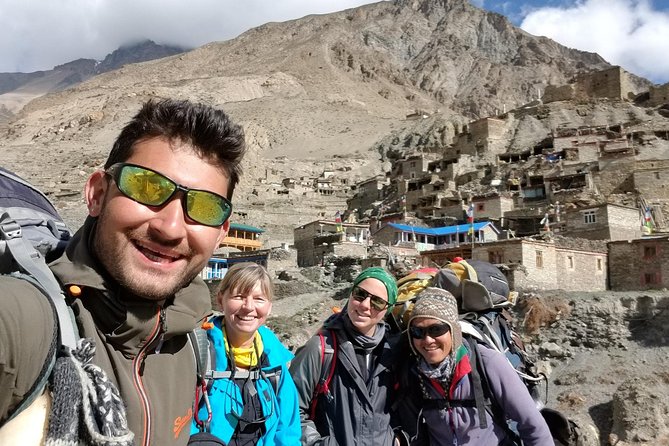
- Small group size (max 10) which usually makes the trek feel more human
- Gear supplied like a sleeping bag and crampons, plus a first aid kit and trail map
- One long drive day early on (Kathmandu to Dharapani takes about 9–10 hours)
Why Nar Phu Feels Different Than Most Nepal Treks
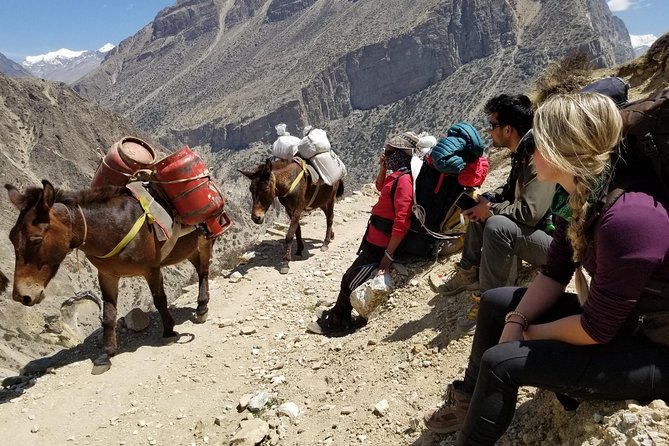
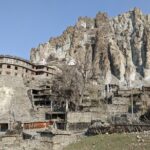
Nar Phu is the sort of trek that makes you feel like you’re getting “the other Nepal.” Instead of the same handful of popular routes, you step into two connected communities—Nar and Phu—that still feel time-worn in the best way. The valley’s isolation is part of the point: you spend days watching the terrain change, but you also slow down enough to see how people live.
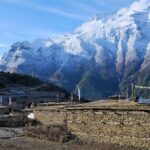
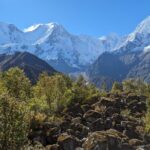
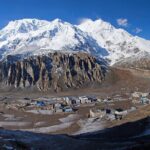
And the scenery isn’t shy, either. You start picking up wide views early, with Manaslu (8,163m) appearing soon after the trek starts. As you gain elevation, you get a high-altitude world: glaciers, canyons, river valleys, and rock formations that feel sculpted rather than planted.
For me, the best part is the mix. You’re not just hiking for photos. You’re hiking for the cultural rhythm of the villages plus the payoff of big mountains that show up again and again.
You can also read our reviews of more tours and experiences in Kathmandu.
Price and What You Get for the $1,600
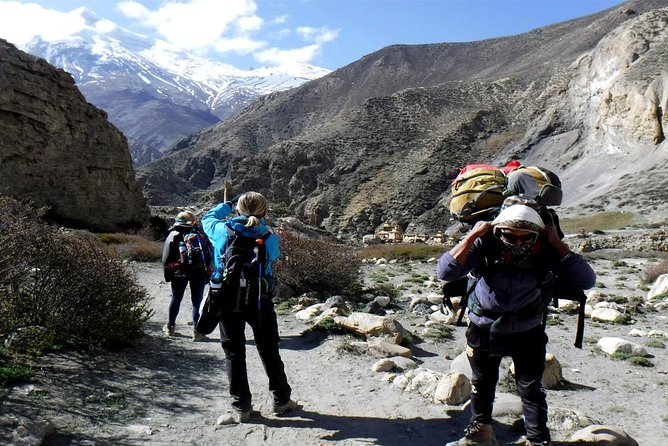
At $1,600 per person, this trek sits in the “serious but not insane” category for Nepal. Where it becomes good value is in what’s included and how it reduces hassle.
Here’s what you’re covering:
- Transport to and from Tribhuvan Airport, plus road transport for the trek days
- Three nights in Kathmandu (2–3 star hotel), breakfast included
- Licensed guide and porters
- Mountain guest house accommodation during the trek
- Hygienic meals (breakfast, lunch, dinner) while you’re trekking
- Trek equipment such as a sleeping bag and crampons
- Insurance, first aid kit, map, and the service/tax charges
- A post-trek celebration dinner in Kathmandu
What that means for you in plain terms: you don’t have to build the trek logistics yourself. No scrambling for meals on the days you’re tired, no searching for basic gear, and no guesswork about who’s in charge of the route and pace.
The two costs you should plan for:
- International airfare
- Tips for your guide and porter (not included)
If you’re comparing options, I’d look at this as paying for fewer moving parts. That’s often worth it on a 12-day trek with altitude and a high pass.
Getting From Kathmandu to Dharapani (And Why Day 2 Matters)
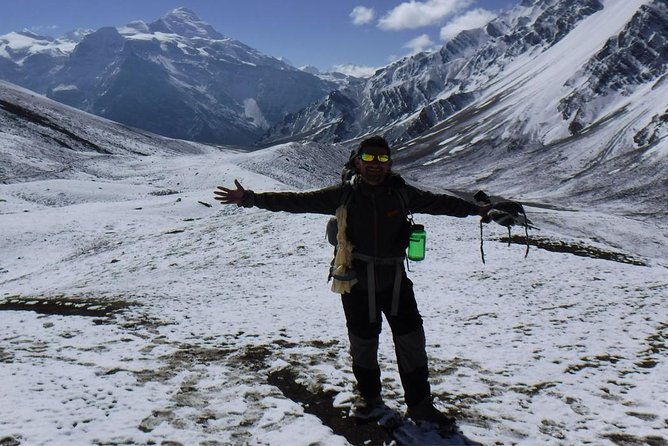
Day 1 is straightforward: arrival in Kathmandu and getting your bearings.
Day 2 is where the trek really starts to feel real. You drive from Kathmandu to Dharapani (1,860m), and it’s a long ride—about 9–10 hours. This is one of those details people gloss over, but it matters. Long road days can make your legs feel stiff before the first proper hike.
Practical takeaway: if you land the day before and you can, keep the evening easy. Hydrate. Get a good sleep. You’ll want your body to be fresh for Day 3.
The Trek’s Backbone: From Koto to Meta to Phu
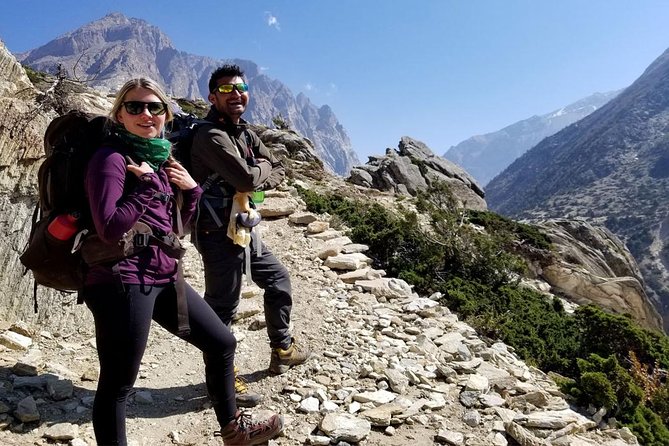
Day 3: Dharapani to Koto (2,600m), about 5–6 hours. You’ll hike through a lively sub-tropical forest at the start—an easy way to get warm, not just altitude-stressed. This is also where you’ll start noticing how the valley begins to “tighten” around you.
Day 4: Koto to Meta (3,560m), 7–8 hours. This is a longer day, and you’ll likely feel the elevation more. Expect a steady uphill effort with a changing feel in the air and views.
Day 5: Meta to Phu (4,080m), 7–8 hours. By now, you’re not just walking in mountain scenery—you’re in it. Phu is a key destination, because from here the cultural element becomes more central than the climb.
You should treat these days as a gradual staircase into the higher Nar Phu zone. The payoff is you arrive at Phu already feeling acclimated enough to enjoy it, not just survive it.
Rest Day in Phu: Using Altitude Wisely on Day 6
Day 6 is a rest and acclimatization day. You can explore with a hike option to Phu View Point or Himlung Base camp.
This is smart. High passes don’t care about your enthusiasm. A rest day like this helps your body adjust and gives you time to absorb what makes the area special—mountain views plus village atmosphere—without adding extra pressure.
My advice: use this day to keep your pace gentle. If you feel good, choose the hike option that matches your comfort. If you don’t, you’ll still gain a lot just by staying active and moving slowly.
From Phu to Nar Phedi (Satek Gumba): The Monastery Night Factor
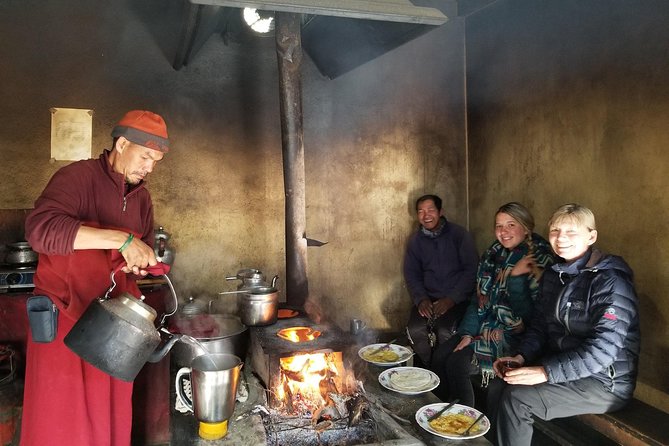
Day 7: Phu to Nar Phedi (Satek Gumba) (3,440m), about 6–7 hours. This leg shifts you toward the Nar side of the valley and sets up one of the most distinctive experiences: a night stay at Nar Phedi Monastery with monks.
Day 8: Nar Phedi to Nar Village (4,120m), about 3 hours. That’s a short day by trekking standards, and it’s a gift. You get time to settle into Nar village life and not feel rushed.
Why this matters: monastery nights on treks often become the highlight because they slow the whole experience down. You’ll likely find the environment quieter, the rhythm simpler, and your day-to-day pace more thoughtful. It’s the kind of stop that makes the trek feel human-sized, not just “another high point.”
Kang La Pass Day: Ngawal, the Long Approach, and the Big Payoff
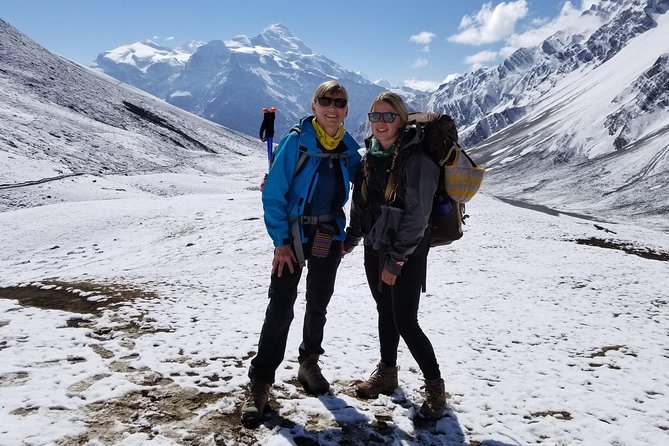
Day 9 is the day most people remember. It’s Nar to Ngawal (3,660m) via Kang-La Pass (5,320m), about 7–8 hours.
This is a high point story in two parts:
- The climb to the pass itself
- The descent and the feeling of coming back down into a new stretch of valley
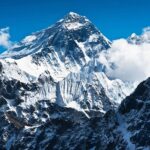
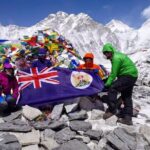
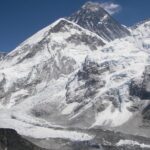
You should plan to move slowly on the pass day. At 5,320m, the air is thinner and your breathing becomes the main task. The reward is the panoramic view of multiple Himalayan peaks, including Annapurna II (7,937m), Annapurna III (7,555m), Annapurna IV (7,525m), Gangapurna (7,455m).
If you’re the kind of trekker who likes checklists, this day has the best view payoff. If you’re the kind of trekker who hates suffering, you’ll still want to do it carefully—because the day’s effort is what earns those views.
After the Pass: Drives Back Down to Besishar and Kathmandu
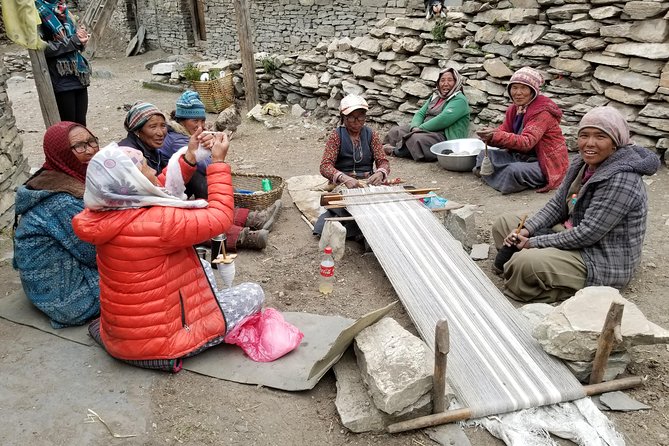
Day 10: You drive from Ngawal (around 3,540–3,660m) to Besishar (750m), about 5–6 hours. This is your big elevation drop. Expect your body to feel the relief, even if your legs are tired.
Day 11: Besishar to Kathmandu takes about 5 hours. You’re back in more comfortable altitude and closer to normal life.
Day 12: departure from Nepal.
What I like about this structure is that it doesn’t leave you hanging. You get a real recovery path: trek day to pass, then down by vehicle to let your system reset before the flight day.
Who This Trek Fits Best (And Who Should Think Twice)
This trek calls for moderate physical fitness. That’s a useful clue: you don’t need to be an ultra-trail athlete, but you do need to be comfortable hiking for 7–8 hours on several days and handling altitude.
This is also a good match if you care about:
- Culture in small communities, not only mountain scenery
- Staying with local guest houses and experiencing village life
- A smaller-group experience (max 10)
You might want to think twice if:
- High altitude feels like a gamble for your body
- You don’t handle long driving days well (Day 2 is a marathon)
On the flip side, the trek is often chosen by people traveling with family or combining cultural focus with serious hiking. One group route-selection story in the mix was explicitly about wanting minimal people and a cultural experience, which matches the Nar Phu vibe.
Guides, Porters, and Small-Group Energy With Breeze Adventure
This experience is run by Breeze Adventure Pvt Ltd. What stands out from the consistent 5-star feedback is how smoothly the team handles the details—and keeps the trek feeling organized without turning it into a factory tour.
Guide leadership matters on pass days and on acclimatization days, and this group has a named guide who shows up in feedback: Kishwor Adhikari. Multiple accounts highlight that he was attentive and helpful, and that the team supported the group while staying professional.
Add the small group size—up to 10 travelers—and you usually get a better pace match, easier communication, and less crowding in the villages.
If you want a trek where someone is genuinely on top of the day-to-day plan, this format tends to deliver.
Gear, Meals, and Comfort: The Stuff That Makes You Last Longer
The trekking package includes key items that reduce stress:
- Sleeping bag
- Crampons
- First aid kit
- Map of the Nar Phu Valley trek
- Meals during the trek (breakfast, lunch, dinner)
You also get accommodation each night in mountain guest houses. In these remote valleys, comfort comes more from good timing, warm layers, and decent food than from luxury.
Here’s the practical reality: you’re walking high. Your “comfort” strategy should be layers, pacing, and sleep. Since your sleeping bag is part of the package, you’ll likely spend less time worrying about cold nights.
In Kathmandu, breakfast is included with your hotel stay; other meals and drinks in the city aren’t.
Timing and Weather: When to Plan Around Good Conditions
This trek requires good weather. If conditions are poor, it can be rescheduled or refunded.
Season clues from real-world feedback:
- One group hiking in October reported weather was perfect.
- Another trek in early September noted the chance of more rain.
So if you’re choosing dates, take the weather requirement seriously. If you can be flexible with your travel window, you’ll likely enjoy this more.
Should You Book the Nar Phu Valley Trek?
If you want a Nepal trek that mixes culture, quiet villages, and a serious high-pass view payoff, I think this is a strong choice.
Book it if:
- You like off-the-beaten-path trekking and don’t want crowds
- You want the Kang La Pass highlight with big peak panoramas
- You’re excited by a night stay at Nar Phedi Monastery with monks
- You appreciate a package that includes meals, guide/porters, and key gear
Skip or rethink if:
- Long vehicle days wear you out before you even start hiking
- Altitude is a concern and you know you’ll struggle to pace carefully
- You want a more flexible, do-it-yourself style trek (this one is structured)
Given the small group size, strong guide/team feedback (including Kishwor Adhikari), and the fact that so much is included, this trek feels like good value for people who want less hassle and more substance.
FAQ
How long is the Nar Phu Valley Trek?
It runs for about 12 days, with day-by-day hiking and travel between Kathmandu and the trail area.
Where does this trek start and end?
It starts at Breeze Adventure Pvt. Ltd in Thamel, Kathmandu (meeting point). It ends back at the same meeting point in Kathmandu.
What is the highest point on the trek?
The highest point is Kang La Pass (5,320m).
What level of fitness do I need?
The tour is listed as suitable for travelers with moderate physical fitness.
What’s included for meals during the trek?
During the trek, breakfast, lunch, and dinner are included. Breakfast is also included at the Kathmandu hotel (other Kathmandu meals are not included).
Does the price include a guide and porters?
Yes. The trek includes a government-authorized experienced guide and porters.
Is gear provided for the trek?
Yes. The package includes equipment such as a sleeping bag and crampons (along with a first aid kit and a trekking map).
What about hotel nights in Kathmandu?
You get three nights in a 2–3 star hotel in Kathmandu, with breakfast included. There is also a post-trek celebration dinner in Kathmandu.