REVIEW · POKHARA
10 Days Annapurna Base Camp Trek From Pokhara
Book on Viator →Operated by Couch Adventure Nepal (CAN) · Bookable on Viator
A good trek starts with a plan. This Annapurna Base Camp itinerary is practical and well paced for rural mountain life—village paths, Gurung culture, and plenty of suspension-bridge moments along the way. I especially like how the route balances big views with culture time, and how the days are set up to make altitude feel more manageable. One thing to keep in mind: on the day you’re aiming for ABC, weather and your health can decide whether you stay at base camp or descend to Machchhapchchhre Base Camp (3700 m).
I also like the comfort-and-safety mix here: you get a local English-speaking guide, a first aid kit with the guide, guesthouse stays (tourist standard), and even trekking poles. Plus, pickup/drop-off and round-trip private transfer from Pokhara means you’re not wasting your energy on logistics before the first step. Since meals and drinks are not included, you’ll want to budget for daily food along the trail.
In This Review
- Why This Route Works So Well For Annapurna Base Camp
- What You’ll Love Most On This Trek (And Why)
- Key Facts That Matter Before You Pack
- Day 1: Ulleri Start, Village Steps After The Drive
- Day 2: Ghorepani Through Rhododendron Forests
- Day 3: Poon Hill Sunrise, Then Tadapani
- Day 4: Chhomrong, The Big-View Village Day
- Day 5: Bamboo to Dovan, Forest And River-Valley Walking
- Day 6: Toward Deurali, The Altitude Build
- Day 7: ABC Day With A Sensible Backup Plan
- Day 8: Back Down Toward Bamboo
- Day 9: Jhinu Danda Hot Springs Day
- Day 10: Back To Nayapul, Then Pokhara Drop-Off
- Guides, Safety, And The Small Details That People Actually Notice
- Price And Value: What $493.58 Really Buys You
- Who This Trek Is Best For
- Should You Book This Annapurna Base Camp Trek From Pokhara?
- FAQ
- What’s included in the tour from Pokhara?
- Are meals and drinks included?
- Do I need trekking poles?
- What happens on the day you reach Annapurna Base Camp?
- Is this a private group experience?
- How do you handle fitness level expectations?
Why This Route Works So Well For Annapurna Base Camp
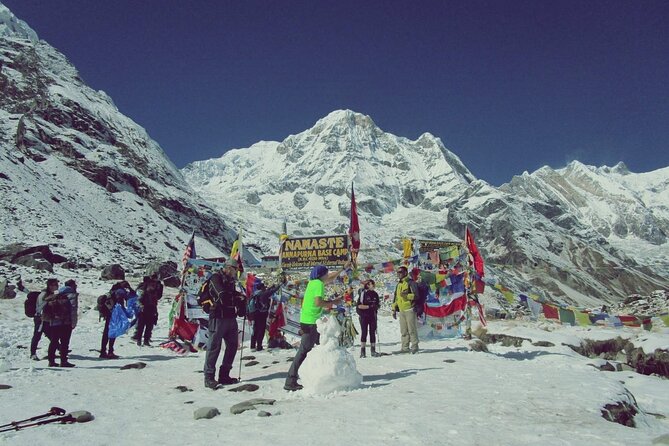
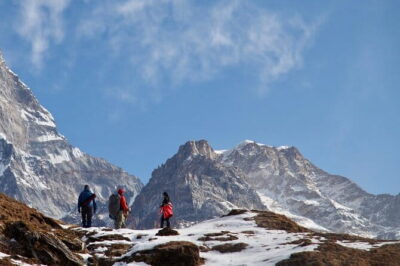
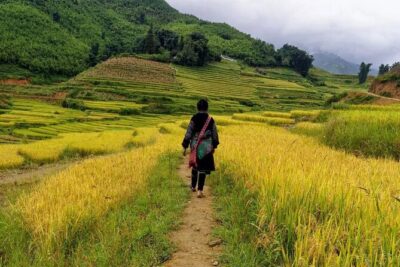
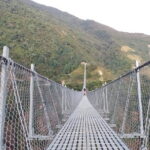
This trek is built to show you more than just one destination. You start in the lower Annapurna foothills and gradually climb through rhododendron forests, thick river valleys, and classic Gurung settlements. Along the way you’ll cross suspension bridges, walk past natural forest stretches, and spend time in places where everyday life still revolves around the mountains.
What makes it especially satisfying is how the highlights hit at the right moments. Poon Hill comes early enough to earn that sunrise payoff. Chhomrong and the bamboo/Deurali zone come in when you’ll want both scenery and a sense of rhythm. Then comes the real test—ABC—handled with a sensible backup plan if the day doesn’t cooperate.
What You’ll Love Most On This Trek (And Why)
I’ll be blunt: the Annapurna area can feel big and confusing. This trip stays focused. You’ll move through the same broad region most people dream about, but you’re doing it with a guide and a schedule that reduces guesswork.
The other standout for me is the human side. The itinerary is not just numbers on a map. It’s built around village walking—Gurung village atmosphere, local culture stops, and the kind of trail where you see people going about their day, not just hikers passing through.
You can also read our reviews of more tours and experiences in Pokhara.
Key Facts That Matter Before You Pack
Private trip with hotel pickup/drop-off in Pokhara
You’re not mixing with random strangers. Your group goes together, and you’re handled from Pokhara start to finish.
TIMS + trekking permit included
You won’t be scrambling last-minute paperwork while you’re tired and altitude-curious.
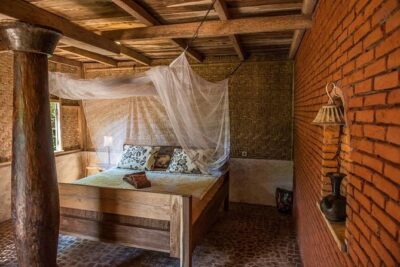
Guesthouse stays (tourist standard)
Expect simple comfort—enough to recover and sleep—without pretending this is a luxury lodge trip.
Poon Hill sunrise and classic ridgeline viewpoints
The early hike is worth it for the view moment, and the stop is listed as included.
Altitude-flexibility at ABC day
If the conditions are not right, the plan can switch to a nearby base camp at 3700 m.
Trekking poles included
Small item, big help on uneven stone, muddy steps, and steep descents.
Day 1: Ulleri Start, Village Steps After The Drive
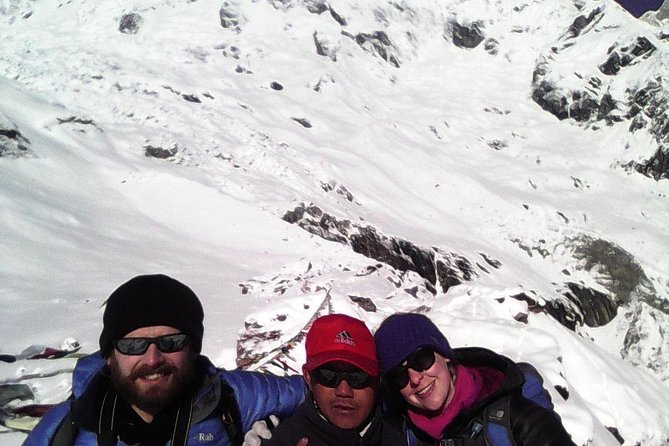
Your first day is all about transition. You drive from Pokhara to Nayapul (about 1.5 hours), then switch gears into a 5-hour trek to Ulleri. This matters because you’re not going from city air to high-altitude effort instantly. You ease into trail walking and let your legs wake up.
Ulleri is one of those early Annapurna villages where you feel the “real Himalaya” shift quickly. The air changes, paths get rockier, and you start noticing how the settlements are arranged around the landscape. If you’re the type who likes getting acclimated through effort rather than lectures, this first-day climb is a good fit.
What could be a drawback? Day 1 is longer than some soft-start itineraries. If you’re coming in from an exhausting travel day, plan to sleep well in Pokhara and keep your pace conservative.
Day 2: Ghorepani Through Rhododendron Forests
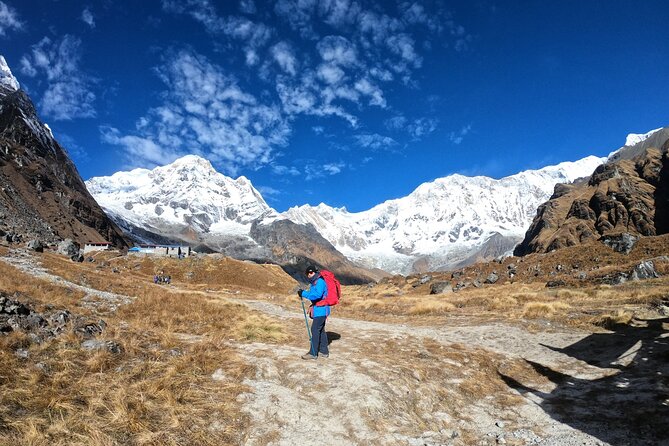
Day 2 is 6 hours to Ghorepani via rhododendron forests. This is one of those parts of Annapurna that feels like it belongs in a postcard—trees arching over the trail and a gradual buildup toward big viewpoints.
The practical value: rhododendron-season trails often have more shade and a more forgiving feel than fully exposed ridgelines. You get walking variety plus the sense that you’re moving through ecosystems, not just “up and up.”
Also, Ghorepani is a strategic stop. It sets you up for the next day’s early sunrise mission to Poon Hill—without requiring you to start too high too quickly.
Day 3: Poon Hill Sunrise, Then Tadapani
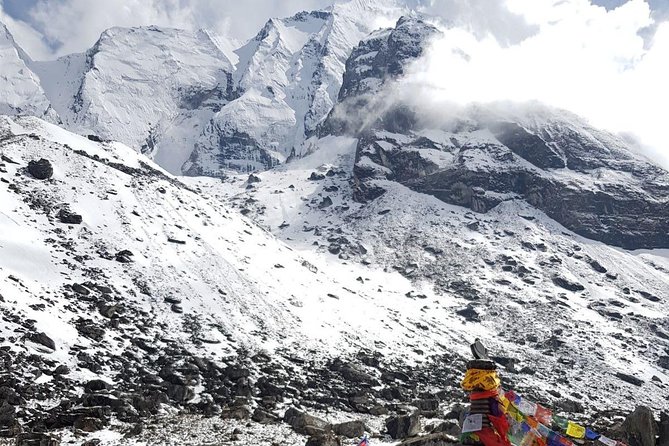
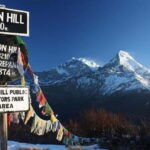
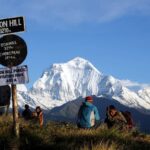
This is your early morning payoff. You hike to Poon Hill to see sunrise over Mt. Annapurna, then continue onward to Tadapani for a 7-hour day.
Why this works: sunrise hikes create a simple goal. You’re not wandering or waiting around hoping for a view. You know exactly what the morning is for. The itinerary also lists the Poon Hill component as included, so you aren’t hunting down extra entry costs for this key moment.
After sunrise, you switch into trekking mode. Tadapani is a classic stop that keeps the trail interesting—more village atmosphere, more path variety, and a clear sense that you’re progressing toward the higher base camp zone.
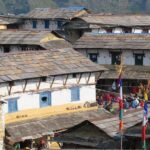
Day 4: Chhomrong, The Big-View Village Day
Day 4 is another 6 hours, this time to Chhomrong. Chhomrong is widely loved because it often delivers a strong mix of village life and mountain presence. You feel like you’re getting closer to the heart of the Annapurnas, without the day-to-day fatigue jumping too fast.
What I like about this kind of stop: villages like Chhomrong give you “human scale” to match the big scenery. You rest, eat, and watch daily life while you’re surrounded by the kind of terrain that makes you understand why the Himalaya shapes culture so deeply.
A consideration: this is still a trekking day where weather can make conditions slippery. Pack for footing and don’t rush the descent parts.
Day 5: Bamboo to Dovan, Forest And River-Valley Walking
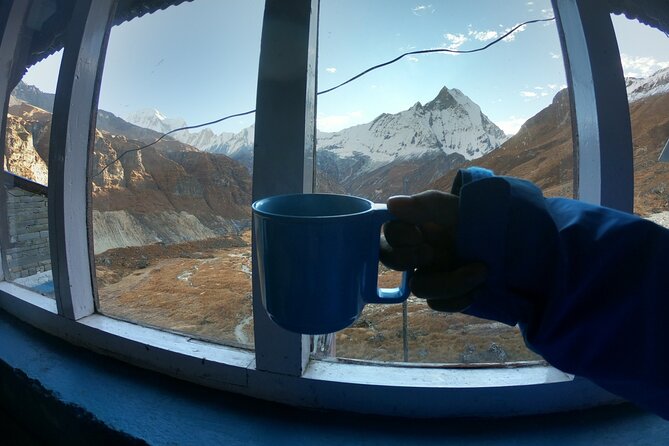
Day 5 takes you from Bamboo to Dovan (about 6 hours). This stretch leans into the quieter feeling of the trek: forest passages, river-valley paths, and the long steady rhythm that makes Annapurna Base Camp special for people who like walking as much as they like photo moments.
In a trekking itinerary, Bamboo-to-Dovan days are important because they help you keep a steady effort rather than a peak-and-crash pattern. It also keeps your route grounded in natural surroundings—exactly what you want as the trek gets serious.
One drawback to watch for: this kind of forest walking can mean damp ground. Bring footwear and socks that handle wet trail days, and keep your layers simple so you can adjust fast.
Day 6: Toward Deurali, The Altitude Build
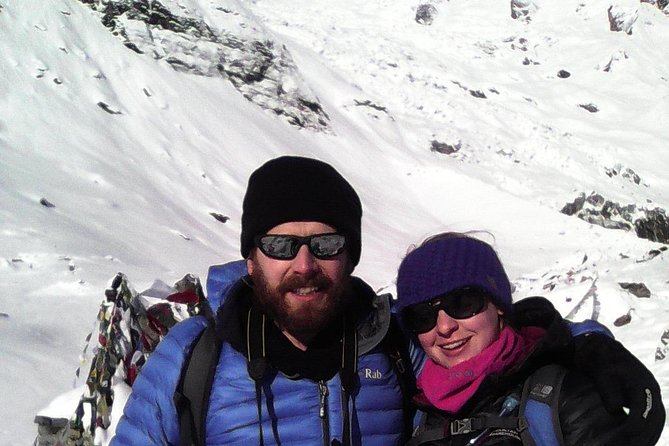
Today is 5 hours to Deurali for overnight. This is where the trek starts to feel more like “mountain trekking” than “scenery stroll.” The air can be cooler, the trail can feel steeper, and you may notice that rest stops matter more.
I like that the itinerary keeps today relatively shorter than some previous days. You’re still moving forward, but you’re also giving your body a chance to adapt. In altitude treks, that balance can make the difference between feeling motivated and feeling drained.
No matter what your fitness level is, plan to treat Day 6 as a recovery day in disguise. Eat well, hydrate, and don’t chase speed.
Day 7: ABC Day With A Sensible Backup Plan
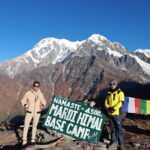
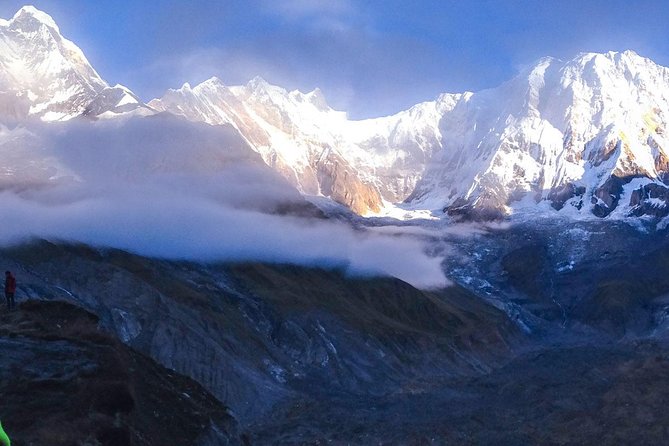
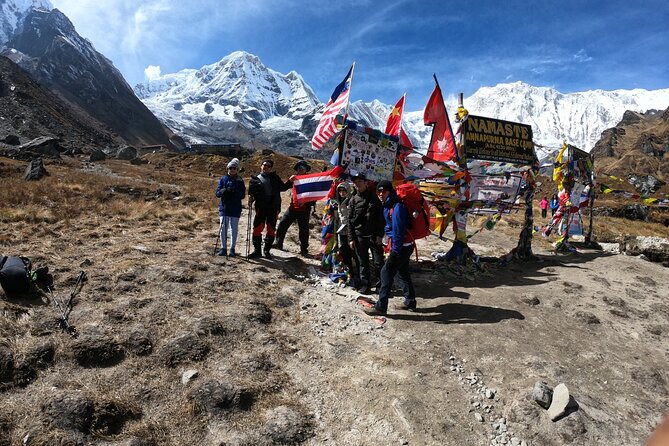
Day 7 is the big one: reach Annapurna Base Camp (destination) in about 5 hours, then spend the night at ABC if conditions are right and you’re feeling good. If not, you descend to Machchhapchchhre Base Camp (3700 m) for overnight.
That backup plan is not a small detail—it’s one of the most practical parts of the whole trek. Weather at ABC can turn quickly. Sometimes it’s visibility. Sometimes it’s the way you personally feel at altitude. Having a plan that still keeps you safe and still puts you in the base camp world is the kind of planning I want in a trek I’m relying on.
You’ll also feel the emotional shift when you reach the base camp zone. It’s the moment where the whole route makes sense. Every bridge crossing, every rhododendron walk, every Gurung village step all becomes one connected memory.
Day 8: Back Down Toward Bamboo
Day 8 is 6 hours trekking down to Bamboo. Don’t underestimate the mental side of the return. After you hit ABC, your body wants rest. But the descent day still keeps you moving through familiar terrain, so you’re not starting over from scratch tomorrow.
Descent days are also where you’ll appreciate guide-led pacing. Your legs may feel good at first, and then your knees start negotiating. Slow, steady steps and proper use of poles can save you.
This is also your chance to enjoy the trail again, this time without the pressure of “we must reach the next high point.”
Day 9: Jhinu Danda Hot Springs Day
Day 9 is a 5-hour trek to Jhinu Danda. Then comes one of the most relaxing parts of any Annapurna trek: a natural hot spring bath.
This isn’t just a nice perk. After days of uphill effort and downhill pounding, a hot spring moment can make your legs feel like they belong to you again. It’s also a great morale booster. When you’re tired, having a clear reward like hot springs is a game-changer.
A practical note: hot springs are still outdoors. You’ll want to bring a small towel and be ready for cool air once you get out of the water.
Day 10: Back To Nayapul, Then Pokhara Drop-Off
Your final day is 7 hours total—trek to Nayapul, then drive back to Pokhara (about 1.5 hours). When you arrive, you’ll be dropped back to your hotel. Trip end.
This day feels long, but it’s a normal final stretch: you’re finishing strong, closing the loop, and heading back into comfortable beds. If you can, plan a gentle evening in Pokhara—hydration, a simple meal, and an early night.
Guides, Safety, And The Small Details That People Actually Notice
One reason the reviews for this trek sound similar is that the guides tend to deliver on the basics travelers care about: comfort, safety, and organization. Names like Krishna Adhikari, Biru, Sunil, Milán, Shambhu, and Ravi show up in past experiences, and the consistent theme is that the guide keeps things moving and explains the region in a way that makes the trek feel more grounded.
You’ll also have an emergency first aid kit with the guide, and you’ll get trekking poles included. Those are not glamorous features, but they matter when you’re tired, when footing is tricky, or when your body is still adjusting at higher elevations.
On accommodations, the itinerary specifies guest house (tourist standard). And in at least one real trip experience shared, the lodge setup was described as having strong facilities and even advanced technology for a standard guesthouse environment. Translation: you shouldn’t expect a five-star resort, but you can expect a place designed to host trekkers.
Price And Value: What $493.58 Really Buys You
At $493.58 per person for roughly 10 days, the biggest value is what’s included that you usually end up paying for separately on trekking trips:
- trekking permit and TIMS
- guide (English-speaking local guide)
- guesthouse lodging (tourist standard)
- trekking pole
- hotel pickup/drop-off in Pokhara
- round-trip private transfer
- private trip setup
The main cost that isn’t included is meals and drinks. That means your total daily budget will depend on how you eat and drink along the trail. If you’re used to budgeting carefully, you can keep this manageable. If you like big breakfasts, frequent snacks, and lots of hot drinks, the trail bills can add up.
Here’s the practical way to think about it: you’re paying for a system. Someone handles permits, transport timing, and day-by-day trekking coordination. When you remove those stress points, you can spend your energy on the walk and the view.
Who This Trek Is Best For
This route fits best if you:
- have moderate physical fitness
- want a classic Annapurna Base Camp experience without turning it into a complicated DIY puzzle
- care about village culture as much as mountain photos
- like guided pacing, especially around altitude decisions
It’s also a good match for families or mixed groups in the sense that the trekking is structured and predictable. That said, you still need to be comfortable walking daily for hours, and you should be realistic about weather and altitude.
Should You Book This Annapurna Base Camp Trek From Pokhara?
If you want an ABC trip that feels organized, culturally connected, and not overly stressful, I’d say yes—especially because the plan includes permits, guide support, guesthouses, transport, and even a key altitude-day backup option. The inclusion of trekking poles and first aid support is a quiet win.
Before you book, I’d think hard about two things. First, are you ready to pay for meals and drinks on your own during the trek? Second, do you accept that ABC day can change based on weather and how you feel at altitude? If you’re okay with that flexibility—and you prepare for it—you’ll likely love this trek for exactly what it is: a focused, rewarding walk through the Annapurna region.
FAQ
What’s included in the tour from Pokhara?
Hotel pickup and drop-off in Pokhara, trekking permit and TIMS, an English-speaking local trekking guide, guesthouse accommodation (tourist standard), round-trip private transfer, a private trip setup, an emergency first aid kit with the guide, and trekking poles.
Are meals and drinks included?
No. All meals and drinks are not included, and they’re available for purchase along the way.
Do I need trekking poles?
Trekking poles are included in the tour.
What happens on the day you reach Annapurna Base Camp?
You reach Annapurna Base Camp and plan to spend the night there if weather is good and your health allows it. If not, the plan is to descend to Machchhapuchchchhre Base Camp (3700 meters) for overnight.
Is this a private group experience?
Yes. It’s private, and only your group will participate.
How do you handle fitness level expectations?
The trek is designed for people with moderate physical fitness. You should plan for daily trekking for multiple hours and be ready for altitude considerations.