REVIEW · POKHARA
4 Day Poon Hill Trek from Pokhara
Book on GetYourGuide →Operated by Peak to Peak Treks · Bookable on GetYourGuide
Poon Hill rewards you fast for the effort. This 2–4 day trek in Nepal’s Annapurna region pairs big mountain views with real village life, from Nayapul and Birethanti through Tikhedhunga, Ghorepani, and Ghandruk. I especially like the way the plan blends timed viewpoints with local guesthouse stays, so you’re not just walking through scenery—you’re moving through communities.
One thing to take seriously: you’ll climb thousands of steps, especially for the early morning push to Poon Hill. It’s doable, but if you’re not used to steep stair sections, plan to pace yourself and accept that your legs will feel it the next day.
In This Review
- Key highlights to expect on this trek
- Why Poon Hill fits a short trek from Pokhara
- Getting to the trail: Pokhara to Nayapul and the first walking day
- Day 2 to Ghorepani: Ulleri stairs, forest walking, and mountain panoramas
- Poon Hill at 3,210m: sunrise timing and how to make it worth the climb
- Tadapani to Ghandruk: descent through forests and a cultural afternoon
- Guide and permits: how a good setup improves your trek day-by-day
- Price and what $272 gets you (and what it doesn’t)
- What to bring for a step-heavy morning and forest days
- Who should book this Poon Hill trek, and who should skip it
- Should you book Peak to Peak Treks for Poon Hill?
- FAQ
- How long is the Poon Hill trek with this package?
- What’s included in the price?
- Are meals included?
- Do I need permits for the trek?
- What languages are the guides?
- What are the main elevations on the route?
- Is pickup from Pokhara included?
- Is this trek suitable for everyone?
Key highlights to expect on this trek

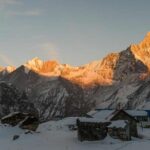
- Sunrise target at Poon Hill (3,210m): an early hike built around seeing the Annapurna and Dhaulagiri ranges in the morning light
- Step-heavy ascents: steep stone stairs toward Ulleri, plus thousands of steps overall
- Forest variety: rhododendron and oak forest walking on multiple days, changing the feel of the trail
- Village rhythm: overnight stays in Tikhedhunga, Ghorepani, and Tadapani, then a cultural afternoon in Ghandruk
- Guide support and permits included: English or Hindi guidance, plus TIMS and trekking permits handled for you
Why Poon Hill fits a short trek from Pokhara

If you want Himalaya views without committing to a long expedition, Poon Hill is one of the best bets. This trek sits in Nepal’s Western Region, in the Annapurna area, and it’s famous because it stays relatively short while still delivering that classic “wow” moment: sunrise over major ranges.
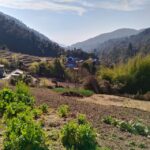
You’ll also get a more human version of trekking than the big-name long routes. The trail passes through villages and forests rather than feeling like pure wilderness. Over a few days, you’ll see how people live along the routes—guesthouse nights, village mornings, and a final descent into a Gurung community.
The other practical win: this trek is designed as a tight package with hotel pickup/drop off and round-trip transfers by private car. That matters on short adventures, because travel time can quietly steal your best hours.
You can also read our reviews of more tours and experiences in Pokhara.
Getting to the trail: Pokhara to Nayapul and the first walking day

Day 1 starts with an early drive from Pokhara to Nayapul, roughly 1.5 to 2 hours. Doing this by private car helps you start the trek sooner without bouncing around all morning.
Once you begin walking from Nayapul, you pass through Birethanti, described as a large and active village. It’s a helpful warm-up day: you’re not sprinting uphill right away. Instead, you follow the Bhurungdi River corridor as you gradually shift from road-side life into trail life.
You’ll then climb toward Tikhedhunga, reaching around 1,540m. The plan has you stay overnight in Tikhedhunga, which sets you up for the next day’s bigger ascent.
Why this start works: it gives your body time to adjust to trekking on day one. The tradeoff is you’ll still be on your feet all day, so keep expectations realistic and treat day one as a “walk in, settle down, then sleep early” day.
Day 2 to Ghorepani: Ulleri stairs, forest walking, and mountain panoramas
Day 2 is where the trek leans into its step reputation. You start at Tikhedhunga and head toward Ghorepani (2,750m). The highlight—and the hard part—is the steep stone staircase to Ulleri village.
That staircase is exactly why guides warn you about the steps. It’s not just one incline. It’s a long, persistent climb section that tests your legs and your patience. The good news: once you’re past the heavy stair grind, the trail smooths out into steady walking through forests.
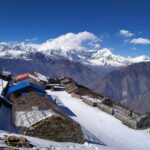
As you continue, you’ll move through rhododendron and oak forests. This is where the trek feels different from a straight climb: the air, the shade, and the slower rhythm make it easier to keep a steady pace. Ghorepani is reached after all that, and you’ll finish the day in a village that offers panoramic mountain views—perfect for soaking in the scenery before night settles in.
Overnight in Ghorepani is also strategic. It’s the staging point for the big early morning hike to Poon Hill.
Poon Hill at 3,210m: sunrise timing and how to make it worth the climb
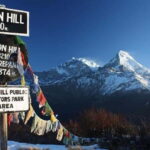
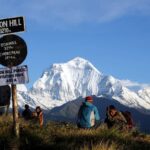
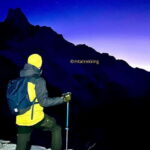
Day 3 is built around sunrise. You’ll start with an early morning hike up to Poon Hill (3,210m), then come back down to Ghorepani for breakfast before continuing onward.
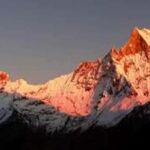
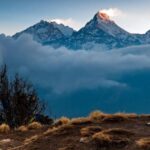
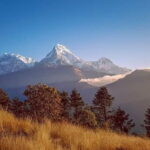
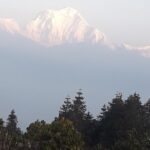
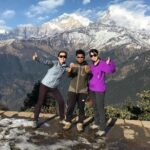
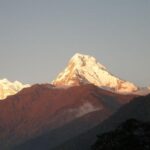
The view focus here is clear: you’re aiming for a sunrise over the Annapurna and Dhaulagiri ranges. That’s the whole point of the early start. And yes, that hike is step-heavy. If you’re thinking this is a casual stroll, you’ll be disappointed. If you’re happy to work for a payoff, you’ll be pleased.
What you should do to make this part feel easier:
- Keep your effort steady rather than pushing hard early.
- Expect it to feel colder at the start than later on the hike.
- Give yourself a buffer. For sunrise treks, being rushed never feels good.
After the sunrise hike, you return to Ghorepani for breakfast—then the trek shifts toward Tadapani (2,630m). You’ll walk through rhododendron forests and enjoy mountain views along the way, then sleep in Tadapani. This transition day is the bridge between the “top-of-the-trek” excitement and the calmer descent toward Ghandruk.
Tadapani to Ghandruk: descent through forests and a cultural afternoon

Day 4 moves you into the finale: a trek from Tadapani down to Ghandruk (1,940m), followed by a drive back to Pokhara in the afternoon.
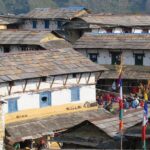
The trail descent runs through forests, which helps the day feel less exposed. You’ll reach Ghandruk, described as a charming Gurung village, and the plan includes time to explore the area and experience local culture.
This is the part I think many short trekters underappreciate. After days of stairs and early starts, it’s nice to arrive somewhere where the atmosphere is more relaxed. Ghandruk gives you a chance to slow down, look around, and connect the trek to the people who actually live there.
Then you get the reward of logistics done right: a drive back to Pokhara in the afternoon. It keeps the trek from stretching too long and lets you recover while you’re still in “trip mode,” not “survival mode.”
Guide and permits: how a good setup improves your trek day-by-day
This experience comes with an English-speaking trekking guide, and the live guidance can also be in Hindi. That matters more than it sounds. On a trail like this, you benefit from someone who can explain the route rhythm, the next turn, and what the day’s schedule is aiming to achieve.
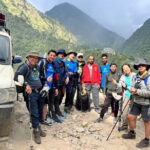
One of the strongest clues about service quality is how guides are described as attentive and organized. A guide named Nir stood out as wonderful and helped keep everything running smoothly. That’s the kind of support you feel when the day starts early and you’re heading somewhere specific, like Poon Hill for sunrise.
You also get permits handled for you, including Trekking Permits and a TIMS card. For many people, permits are the least fun part of planning. Having them included removes that stress and reduces the chances of scrambling last minute.
Your accommodation is also handled as guesthouse stays during the trek. Guesthouses are the norm on this route, but having them included makes the daily plan more predictable.
Price and what $272 gets you (and what it doesn’t)
At about $272 per person, this trek price sits in the “good value if it includes the right pieces” category—mostly because key stuff is included, not added on later.
What’s included:
- Hotel pickup and drop off
- Round-trip private car transfers
- English-speaking trekking guide
- All trekking permit and TIMS card
- Guesthouse accommodation
- Private trip
What’s not included:
- Meals (available to purchase), roughly 3500 Rs per person per day
- Gratitude (optional)
So is it worth it? For many trekkers, the big value is the bundled transport + permits + guide. If you tried to assemble those separately, you’d spend time coordinating and you’d still need the same permits and reliable trail support.
Also note the meals cost. Since meals aren’t included, you should budget for food during the walking days. 3500 Rs per day is an estimate provided here, so treat it as your working number while you’re traveling.
If your priority is a smooth, low-friction trek where you focus on walking and views, this price structure makes sense. If you’re trying to control every cost and you’re comfortable doing more independent planning, you might find cheaper options elsewhere—but you’d be giving up some of that convenience.
What to bring for a step-heavy morning and forest days
The trek has clear packing guidance. Bring:
- Passport or ID card
- Comfortable shoes
- Comfortable clothes
- Passport-sized photo
A couple of practical reminders:
- You’re climbing thousands of steps on the Poon Hill portion, plus steep staircase sections earlier in the trek. Comfortable footwear isn’t optional; it’s the difference between enjoying the day and counting down the minutes.
- The plan also says no luggage or large bags and no drones. Keep your pack light and ready for carrying day-to-day.
And yes, think about the early start. Even without specific temperature details, sunrise hiking usually means cooler air at the beginning. Dress in layers you can handle during the climb.
Who should book this Poon Hill trek, and who should skip it

This trek is a strong fit if you:
- Want a shorter Annapurna trek with classic viewpoints
- Like villages as much as mountains
- Can handle early mornings and lots of stairs
- Prefer guided help with permits and route planning
It’s not suitable for pregnant women or wheelchair users. And if stairs are a deal-breaker for you, you should think twice, because the route includes steep stone stair sections and a large number of steps overall.
If you’re generally fit and you’re willing to slow your pace, the trek becomes a rewarding “earn the view” hike rather than a battle.
Should you book Peak to Peak Treks for Poon Hill?
I’d book this if you want a well-organized Poon Hill experience with English/Hindi guide support, permits taken care of, and private car transfers that save time. The service points that matter—attentive guidance and smooth organization, including a guide like Nir—are exactly what you want on a trek with early sunrise timing.
Skip it if you don’t handle stair climbs well or you need accessibility options beyond what’s described here.
If you’re deciding between DIY planning and a guided package, this one is built to reduce decision fatigue. You’ll spend more energy on the walking and the views—and less time worrying about the logistics.
FAQ
How long is the Poon Hill trek with this package?
It’s offered as a 2–4 day experience. The itinerary provided follows a 4-day rhythm from Pokhara to the trek route and back.
What’s included in the price?
The package includes hotel pickup and drop off, an English-speaking trekking guide, trekking permits and a TIMS card, round-trip transfers by private car, guesthouse accommodation, and a private trip.
Are meals included?
No. Meals are not included and you can purchase them during the trek. The estimate given is about 3500 Rs per person per day.
Do I need permits for the trek?
Yes, but you’re covered here because trekking permits and a TIMS card are included in the package.
What languages are the guides?
The live tour guide is available in English and Hindi.
What are the main elevations on the route?
Key points listed are Tikhedhunga (1,540m), Ghorepani (2,750m), Poon Hill (3,210m), Tadapani (2,630m), and Ghandruk (1,940m).
Is pickup from Pokhara included?
Yes. Pickup is included, and if your location is far or not listed, pickup can be arranged with an added genuine cost.
Is this trek suitable for everyone?
It’s not suitable for pregnant women or wheelchair users. Also, be prepared for thousands of steps, especially for reaching Poon Hill.