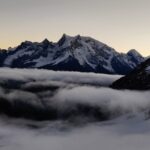
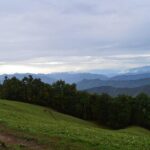
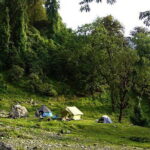
A snow trek that still feels doable. The Kedarkantha route is built around overnight camps, pine forests, and a summit day with a jaw-dropping 360-degree view. I like that it starts with road breaks and river scenery before you ever step on snow, and I also like the practical safety touchpoints like an oximeter and portable oxygen cylinder in the team first-aid kit. One thing to consider: even if it’s marketed as beginner-friendly, the cold and altitude are real, and the summit push can feel tough.
You’re not just buying a trek—you’re buying a whole operation: transport from Dehradun, guide + cook + support staff, tent setup, sleeping bags, meals, and mule support for camping gear. The guides named in recent feedback—people like Aarya, Arjun, Sonu, Rocky, Kamesh Bhardwaj, and Megha—show up in the way trekkers describe the trip: steady pacing, constant checking, and motivation when the temperature bites. If you’re the type who wants zero discomfort, plan for snow, freezing camps, and a schedule that runs on daylight.
In This Review
- Key Things That Make This Trek Worth Your Time
- Kedarkantha: Beginner-Friendly in Marketing, Real in Cold
- Dehradun to Sankri: Road Scenery That Gets You in the Mood
- Day 1 in Sankri: Your First Mountain Night
- Juda Ka Talab: Pine Forest Climb and That First Freezing Camp
- Kedarkantha Base Camp: Meadow Views and a Slightly Tricky Cold Truth
- Summit Day to 360-Degree Views: The Trishul Marker and the Big Drop
- Camping Setup That Actually Helps: Tents, Sleeping Bags, and Toilets
- Food and Pace: Why Guides Matter More Than Perfect Weather
- Price vs Value: What $120 Really Buys You
- Who This Trek Suits Best (and Who Might Want Another Option)
- Practical Reality Check: Weather Dependency and Your Mental Prep
- Should You Book Kedarkantha with Himalaya Shelter?
- FAQ
- What’s the meeting point for the 5 Days Kedarkantha Trek?
- How long is the Kedarkantha trek?
- Is transport included in the price?
- What’s included for camping and sleeping?
- What meals are included?
- Do you get safety support for altitude and emergencies?
- What’s not included and should I plan for?
Key Things That Make This Trek Worth Your Time
- Kedarkantha summit views: a big panoramic day with a stone marker and Trishul at the top
- Two standout camp zones: Juda Ka Talab for winter-freezing nights and a base camp that’s colder than the summit
- Real logistics included: tents, sleeping bags, common tents, toilet tents, meals, and common camp setup
- Support for first-timers: guides who actively help people reach the top, not just walk along
- Gear coverage: crampons are included, and mule support carries camping equipment (not your personal bag)
Kedarkantha: Beginner-Friendly in Marketing, Real in Cold
Kedarkantha is often described as approachable for new hikers, but I’d call it beginner-friendly in structure, not in comfort. The altitude climbs over several days, and the summit day depends on weather and your ability to keep moving in cold air. If you’re mentally prepared for snow and effort, it’s a great first winter trek.
What makes the hike feel fair is the step-up pacing: you go from a valley base in Sankri into pine forest climbs toward Juda Ka Talab, then up to base camp, then finally a summit day that’s shorter in distance but still demanding. The big reward is that you don’t just reach a peak—you get a full backcountry experience with camps and time in the forest.
Also, the trek is set up for small-group dynamics. You can customize as a group (minimum of 6 people), and the overall cap is 25 travelers, which tends to keep things organized without feeling like a crowd.
You can also read our reviews of more tours and experiences in Rishikesh.
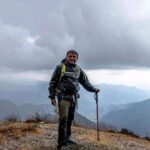
Dehradun to Sankri: Road Scenery That Gets You in the Mood
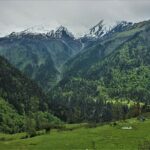
Most adventure treks start cold and grumpy. This one starts with a drive that helps you settle into the region. Day 1 is a long but scenic ride from Dehradun to Sankri, passing through Mussoorie and stopping near Kempty Falls for a break.
You also get time along the Yamuna River, and the route continues into the lush forest zone near the Tons River, which is a well-known rafting and kayaking area. This matters because the trek doesn’t throw you straight into a summit effort. You arrive in the evening at Sankri (about 1,920m), giving your body a chance to adapt before sleep #1 in the hills.
The value here is that transport support is included only for the start and end legs. During the trek, you’re on foot, and that’s when the included guide + support team really matters.
Day 1 in Sankri: Your First Mountain Night
Sankri is where the vibe shifts from road travel to mountain travel. It’s also the moment you start thinking about layers, cold air, and why people bring warm water, not just warm thoughts.
You stay overnight in a guesthouse for 1 night on a triple-sharing basis. This is a smart setup for first-timers because it’s not an alpine tent on your first night, and you can treat it like a warm-up (even though it’s still chilly).
If you’re trying to judge the trip based on comfort, this night is a good baseline. From here, things become more outdoorsy and colder.
Juda Ka Talab: Pine Forest Climb and That First Freezing Camp
The trek on Day 2 heads early from Sankri toward Juda Ka Talab, a 4 km trek that typically takes about 2–3 hours. You start through villages, including a crossing of areas like Saud, and you pass daily life that’s not staged for tourism. Then the trail transitions into pine and maple forest, where the density of trees limits sun and keeps the air cooler.
This is the day where your effort feels more like a climb than a stroll. The route climbs sharply until you reach a ridge, and once you’re on that ridge, the trail eases and widens. That rhythm—harder climb, then brief relief—helps you adjust pace for the next days.
Then comes the part winter trekkers remember: camp at Juda Ka Talab at about 2,774m. The site freezes in winter, and snowfall can happen during the winter months. That’s not just weather trivia. It affects how quickly your hands lose dexterity, how you sleep, and how you keep moving the next morning.
Kedarkantha Base Camp: Meadow Views and a Slightly Tricky Cold Truth
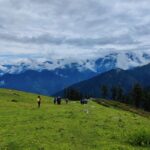
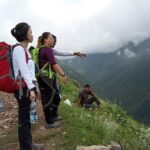
Day 3 moves deeper into the pine forests and pushes you toward a meadow dotted with shepherd huts. You climb another chunk of altitude to reach Kedarkantha base camp (around 3,429m), with a 3 km trail segment that usually takes 2–3 hours.
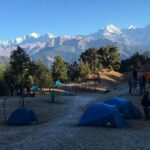
This is one of the most visually rewarding parts of the trek. The route from Juda Ka Talab to base camp is described as mesmerizing and photographer-friendly, with broad views opening up and pine forest texture underfoot. Even if you’re not a photographer, it’s the kind of stretch where you’ll keep stopping just to take it in.
Here’s the cold reality that surprised people: base camp can be colder than the summit because it has less insulation. So don’t treat reaching base camp as proof that the hard part is over. It’s actually a checkpoint—your body is still climbing into harsher cold conditions.
Camp at base camp gives you time to rest before the summit push, which is exactly what you want for a winter trek.
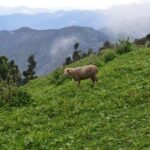
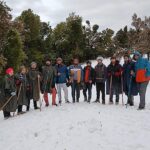
Summit Day to 360-Degree Views: The Trishul Marker and the Big Drop
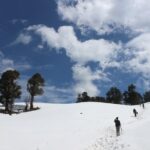
The summit day is shorter in distance than some treks, but it’s not short on meaning. After moving from base camp toward Kedarkantha, you hit the top at roughly the 3,429m zone and find a stone arrangement marked by a Trishul pointing to the sky.
This is the payoff day. From the summit you can look out over a wide spread of Uttarakhand peaks, with visibility toward the Chainseheel Pass and Kailash ranges of Himachal. You can also see down toward the Har Ki Dun valley. It’s the kind of view that makes you feel like winter is doing the talking.
Also, you’re not staying on the summit. You descend back toward Juda Ka Talab, and that’s where the second overnight happens (the trek includes camping there again). That return matters because winter treks aren’t just about reaching the top. They’re about moving safely in cold conditions on the way down.
Camping Setup That Actually Helps: Tents, Sleeping Bags, and Toilets
One reason this trek earns strong feedback is the camp setup. You get kitchen tents and common tents, plus toilet tents with portable toilet seats. That sounds simple, but in cold weather, basic sanitation comfort changes the whole mood of the trek.
Sleeping gear is included: sleeping bags and mattresses, along with common tents and camping furniture like stools and tables. In addition, you get crampons, which are a big deal for traction when snow and ice make footing slippery.
Food setup is also part of the camp system. The team includes a cook and support staff, and you’ll receive meals throughout the trek. In cold weather, this is not a luxury. A warm meal plus a steady schedule is what keeps your legs working.
And then there’s the safety gear: the first-aid kit includes an oximeter and a portable oxygen cylinder. That doesn’t mean altitude issues are likely, but it does mean the team is prepared to respond if someone struggles.
Food and Pace: Why Guides Matter More Than Perfect Weather
Winter treks depend on weather, but guides depend on people. What stands out in feedback is how actively the team pushes and supports trekkers who are struggling.
You’ll see names tied to that kind of help: Aarya and Arjun described as caring and very supportive, Sonu noted for pushing trekkers to the summit, and Rocky highlighted for friendliness and attention. Others like Kamesh Bhardwaj and Megha also show up in descriptions of professionalism and politeness.
It’s not just encouragement either. One specific practical detail mentioned in feedback: warm water even around -10°C conditions. That’s huge because hydration and warmth directly affect how your hands, feet, and brain work.
Pace also matters. The trek structure is spread across days with meaningful walking segments, but your guide can still adjust the rhythm. If you’ve never done snow trekking before, this kind of pacing guidance turns anxiety into manageable effort.
Price vs Value: What $120 Really Buys You
At $120 per person, this trek is positioned as a budget-to-midrange adventure, but the value comes from what’s included rather than the headline price.
Included costs that matter on a cold trek:
- Transport Dehradun → Sankri and back to Dehradun
- A professional guide, cook, and support staff
- Camping equipment: tents, sleeping bags, mattresses, plus toilet tents
- Trekking safety kit: first-aid, oximeter, and portable oxygen cylinder
- Gear like crampons
- Meals: breakfast (4), lunch (3), dinner (4)
Also, mule support is included for carrying the camping equipment listed above. You’re not hauling heavy gear uphill. That directly affects how much energy you can spend on the trail and how safely you can move.
A note on what’s not included: personal expenses, adventure insurance, and any costs from weather/medical situations aren’t covered. Also, forest entry and trekking fees are included for Indian nationals. If you’re not Indian, the data doesn’t clearly state how those fees work for you—so it’s worth confirming before you book.
Who This Trek Suits Best (and Who Might Want Another Option)
This trek fits best if you want a structured winter intro to the Himalayas with real camp logistics handled for you. The trekking level is geared to people with moderate physical fitness, and it’s a great option for first-time snow trekkers who want safety gear and supportive guides.
It also suits groups because you can customize as a group with a minimum of 6 people, and the max group size keeps it from turning chaotic. If you travel solo, you can still join a group run, since the trek supports small-group dynamics.
Consider skipping it (or choosing a different schedule) if you:
- get stressed by cold nights and freezing camp setups
- have medical concerns but haven’t planned around winter altitude and exertion
- want fully private accommodation on every night (you’ll have triple-sharing for the first night and twin-sharing alpine tents for three nights)
Practical Reality Check: Weather Dependency and Your Mental Prep
The trek requires good weather. That’s not vague marketing language—it’s a winter-mountain truth. Your plan depends on conditions, and the experience can be offered on a different date or refunded if canceled due to poor weather.
Your mental prep should include the fact that you’re sleeping and walking in winter conditions, including nights where Juda Ka Talab freezes. Also, base camp can feel colder than the summit. That flips the way many people expect cold to work, so take comfort planning seriously.
Pack decisions matter, even when gear like sleeping bags and crampons are included. Bring layers and keep your winter routine consistent from day one, not only on summit morning.
Should You Book Kedarkantha with Himalaya Shelter?
If you want a winter trek that’s run like an operation—transport, camps, toilets, sleeping gear, traction gear, and a safety kit included—this is a strong choice. The most convincing reason is the human side: guide support is repeatedly linked to people reaching the summit, not just trudging along.
I’d book if you:
- want a first major snow trek and prefer a guided setup
- value warm meals, working toilets, and camp comfort in the cold
- are okay paying attention to weather and taking the cold seriously
I’d pause if you:
- need guaranteed comfort in sub-zero nights
- are relying on the trek to include every fee or insurance detail (adventure insurance is not included, and trekking/forest fees are specifically stated for Indian nationals)
- dislike any chance of schedule changes due to weather
FAQ
What’s the meeting point for the 5 Days Kedarkantha Trek?
The start meeting point is Prince Chowk, Dehradun, Uttarakhand 248001, India. The activity ends back at the same meeting point.
How long is the Kedarkantha trek?
It runs for about 5 days.
Is transport included in the price?
Yes. Transport support from Dehradun to Sankri is included on Day 1, and return transport back to Dehradun is included on the last day. No other transport during the trek is included.
What’s included for camping and sleeping?
You’ll get kitchen tents, common tents, toilet tents with portable toilet seats, sleeping bags, mattresses, camping stools, tables, and crampons. There’s also a guesthouse stay for 1 night on Day 1 (triple-sharing) and alpine tent stay for 3 nights (twin-sharing).
What meals are included?
Breakfast is included 4 times, lunch 3 times, and dinner 4 times.
Do you get safety support for altitude and emergencies?
Yes. The first-aid kit includes an oximeter and a portable oxygen cylinder.
What’s not included and should I plan for?
Not included are personal expenses, adventure insurance, any costs from unforeseen incidents like bad weather or medical issues, and accommodation on the last day (hotels are listed as ranging from ₹1600 to ₹3000 per room). Mule support for personal luggage is listed as INR 500 per bag/day, and a lunch box for packed meals is not included.