REVIEW · RISHIKESH
Har Ki dun Trek by Himalaya Shelter
Book on Viator →Operated by Himalaya Shelter · Bookable on Viator
Cold mornings, big mountain payoffs. This 7-day guided Har Ki Dun trek turns the scary parts of planning into a simple routine: you meet in Dehradun, ride to Sankri, hike through Osla and Kalkatidhar, then spend your effort where it counts—on the trail toward Har ki Dun and Marinda Tal.
I especially like two things. First, meals are handled from day 1 dinner through day 7 breakfast, so you’re not burning time or energy figuring food out at altitude. Second, you don’t have to guess at cold-weather camping—camping gear is rented, and the team sets things up so temperatures around -10°C can feel manageable (you still need proper layers, but you’re not starting from zero).
One real consideration: the itinerary includes two long 8-hour drives (day 1 and day 7) around an early 6:30am start. If you’re not a fan of long rides, or you’re on the edge of moderate fitness, plan for that upfront—because the hikes reach up to about 3,794 m.
In This Review
- Key highlights that make this trek work
- Har Ki Dun trek basics: Dehradun meeting at 6:30am, then straight to Sankri
- Day-by-day trail plan: Sankri to Osla, Kalkatidhar, Har ki Dun, and Marinda Tal
- Day 1: Dehradun to Sankri (about 8 hours by road)
- Day 2: Sankri to Osla (2,700 m): 1-hour drive + 5–6 hour trek
- Day 3: Osla to Kalkatidhar (3,300 m): about 3 hours
- Day 4: Kalkatidhar to Har ki Dun (3,510 m) and Marinda Tal (3,794 m), then back to Kalkatidhar
- Day 5: Kalkatidhar to Osla (about 3 hours)
- Day 6: Osla to Sankri: 4–5 hour trek + 1 hour drive
- Day 7: Sankri to Dehradun (about 8 hours by road)
- Guide-led safety on remote trails: the human factor you’re buying
- One more thing: mule/transport help
- Meals and camping gear: why included services matter more than you think
- A small caution on waste
- Price and logistics: what the $231 covers and what you still handle
- Fitness, altitude, and cold realities: what you should be ready for
- Cold-weather comfort
- Weather adjustments happen
- Who should book Har Ki Dun with Himalaya Shelter?
- Should you book this Har Ki Dun trek? My decision guide
- FAQ
- Where is the meeting point and what time does the trek start?
- What’s included in the trek price?
- Are camping gear and sleeping gear provided?
- What are the key altitude points on the itinerary?
- How long are the driving and trekking days?
- Is there free cancellation?
Key highlights that make this trek work
- Small-group cap of 11 means you get real attention on the trail
- Meals included end-to-end (day 1 dinner to day 7 breakfast)
- Camping gear rental takes the stress out of cold-weather setup
- A full Har ki Dun day plus Marinda Tal gives you extra altitude options
- Transport support from Dehradun handles the complicated bits off the trail
- Multiple experienced guides show up in the experience, like Surendra, Sonu, and Rocky Bhai
Har Ki Dun trek basics: Dehradun meeting at 6:30am, then straight to Sankri
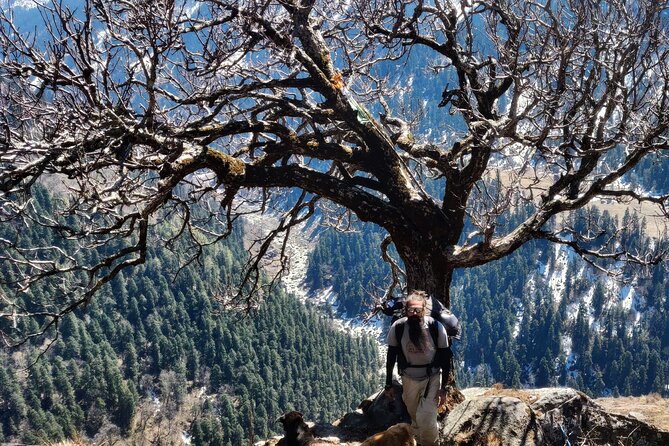
You start the trip early. The meeting point is an egg and maggi stall near Saharanpur Rd, Lakkhi Bagh, Dehradun (248001). Pickup is set for 6:30am, and you’ll have a mobile ticket, which keeps things straightforward once you’re there.
From Dehradun, the plan is a long drive to Sankri (about 8 hours on day 1). This matters more than it sounds. Har ki Dun trekking is not the kind where you can casually shuffle out the door at a civilized hour. You’re trading a day of comfort for a week of real mountain hiking—and the schedule gives you the best odds of starting your trekking with daylight.
Group size is kept small. The cap is 11 travelers, so you’re not fighting for attention or getting lost in a crowd. You’ll also notice the organization’s focus on practical help: transport support, meals, camp equipment, and forest entry charges are handled as part of the package.
Who this suits best: people who want a guided, well-run trek without turning the trip into a logistics project. If you like knowing the next step is taken care of, this format is your friend.
You can also read our reviews of more tours and experiences in Rishikesh.
Day-by-day trail plan: Sankri to Osla, Kalkatidhar, Har ki Dun, and Marinda Tal
Here’s the rhythm of the trip, laid out so you can feel what each day is really asking of you.
Day 1: Dehradun to Sankri (about 8 hours by road)
You’ll spend the day mostly on the move. The upside is that Sankri becomes your launch pad: you’re not wasting trekking days on long transfers later. After the drive, you’ll settle into camp support, and meals start from day 1 dinner.
What to expect: a big travel day. Think of it as the price of entry.
Day 2: Sankri to Osla (2,700 m): 1-hour drive + 5–6 hour trek
This is your first true walking day. Osla sits at 2,700 m, and the hike time (5–6 hours) gives your body a chance to adjust while still moving through the scenery you came for.
Why the pacing is good: you ease into altitude rather than jumping straight into the highest sections on day 2.
Day 3: Osla to Kalkatidhar (3,300 m): about 3 hours
At 3,300 m, you’re climbing again, but the walking time is shorter. That’s a key detail if you’re trying to keep energy for the later big day.
Practical takeaway: a shorter day here helps you feel less wrecked before Har ki Dun and Marinda Tal.
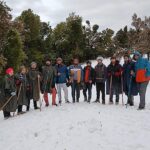
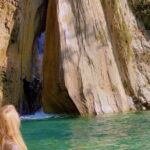
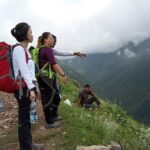
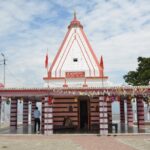
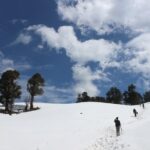
Day 4: Kalkatidhar to Har ki Dun (3,510 m) and Marinda Tal (3,794 m), then back to Kalkatidhar
This is the headline day. You’re moving from 3,300 m up to 3,510 m for Har ki Dun, then further to Marinda Tal at 3,794 m, and then returning to Kalkatidhar. It’s also structured so the day isn’t just one long grind forward—you go up, you see the payoff, then you work your way back.
From a planning standpoint, I like this because it gives you two altitude “moments” in one day: Har ki Dun as the main destination and Marinda Tal as the extra reward.
Day 5: Kalkatidhar to Osla (about 3 hours)
This is the recovery move. Dropping back to Osla helps your legs and gives you a chance to reset without losing the trail connection.
Why it matters: going down after a big altitude day helps you come home more functional.
Day 6: Osla to Sankri: 4–5 hour trek + 1 hour drive
This is a longer trek back toward the road. Sankri is where you’ll regroup before your final drive.
What you’ll feel: day 6 tends to feel like the final stretch. It’s not the hardest day on paper, but it’s the day your body remembers it’s been hiking.
Day 7: Sankri to Dehradun (about 8 hours by road)
You finish with the long drive back. Your activity ends back at the meeting point.
Small reality check: after 6 days of effort, a road day can feel long. Pack comfort for the ride.
Guide-led safety on remote trails: the human factor you’re buying
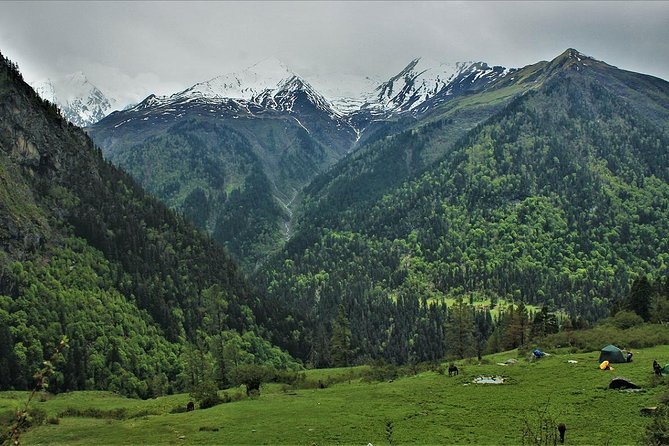
This trek is built around one idea: you shouldn’t have to figure out remote trekking logistics alone. A guide handles navigation and timing, and that matters a lot when trails are less predictable and the altitude can slow you down.
In the field, you’ll see that support isn’t generic. Guides named in the experience include Surendra, Sonu, and Rocky Bhai. A chef named Sanju is also mentioned, plus team members like Megha bhaiya. That’s a signal that the operation pays attention to both trail guidance and camp execution.
Safety isn’t just about staying on course. It also shows up in weather readiness. The team is described as responsive to conditions—making arrangements based on what’s happening rather than running the same script no matter what.
One more thing: mule/transport help
You might also have additional help for carrying items during parts of the trek (one experience highlights mule support). When pack weight matters, any support system can turn a “hard day” into a “doable day.”
My practical advice: even with a guide, keep your pace honest. If you’re starting breathless, slow down early. Altitude punishes ego.
Meals and camping gear: why included services matter more than you think
The package includes all meals from day 1 dinner to day 7 breakfast. That’s huge for value and energy. You’re saving time, reducing decision fatigue, and avoiding the stress of searching for food in places where options can be limited.
Food is described as tasty and varied, though there is also an honest note that on some days it can be just OK. That’s normal in mountain trekking where menu choices depend on supply and weather. The key is that meals are consistent and planned, not random.
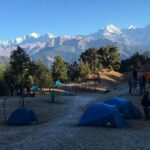
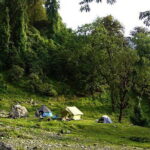
Now the camping side: you get rental camping equipment, including sleeping bags and tents that have been set up for serious cold (again, around -10°C is mentioned as manageable with the provided gear). You don’t need to bring a whole kit of your own. And you can focus on the most important item: staying warm and dry.
A small caution on waste
One experience calls out a concern about plastic waste. That’s not something you should ignore. If you’re going, take your role seriously:
- Keep small trash sealed until you’re sure where it can go
- Minimize single-use items
- If you see careless disposal, politely follow up with the team about a better approach
You’ll enjoy the trek more if you’re walking with respect for the place you’re passing through.
Price and logistics: what the $231 covers and what you still handle
At $231 per person, this trek is priced like a true package rather than a basic guide fee. What you get includes:
- Transport support to and from Dehradun (pickup day 1, drop day 7)
- Guide and cook fees
- All meals from day 1 dinner through day 7 breakfast
- Camping equipment rental
- Forest entry charges
- Insurance for Indian citizens only
- Mobile ticket
What’s not included:
- Getting to Dehradun on your own
- Personal expenses (tips, medicines, phone usage, and similar items)
- Accommodation in Dehradun
When you compare trekking costs across options, the hidden variable is always the same: how much support you’re buying off-trail. Here, the big moving parts—transport, meals, gear, and charges—are already wrapped into the price. That usually means fewer surprises once you’re in India.
Also: there’s a free cancellation window (up to 24 hours prior). That gives you flexibility if weather or schedules shift.
Fitness, altitude, and cold realities: what you should be ready for
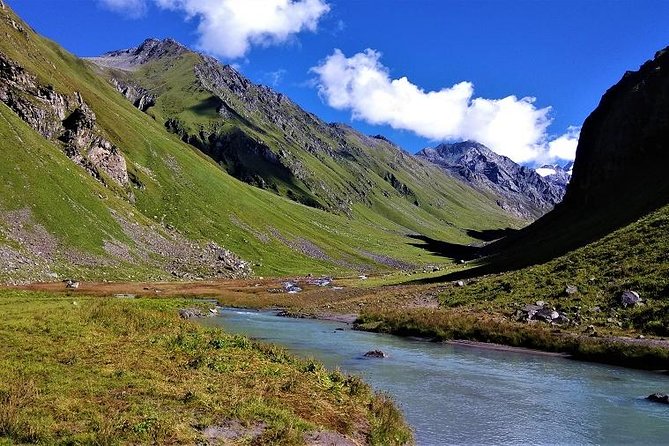
This trek is tagged for moderate physical fitness. That doesn’t mean it’s easy. It means the plan is structured to be doable if you walk steadily and don’t blast yourself on the first ascent.
Altitude checkpoints in the itinerary help you gauge effort:
- Osla: 2,700 m
- Kalkatidhar: 3,300 m
- Har ki Dun: 3,510 m
- Marinda Tal: 3,794 m
Those numbers matter because thin air slows your breathing. If you’re the type who wants to sprint uphill, you’ll suffer. Instead, use a steady pace, short breaks, and keep your breathing calm.
Cold-weather comfort
Gear is rented, but you still need to come prepared with a sensible layering system (warm hat, gloves, base layers). One note from the experience says that even around -10°C can be manageable with the provided setup, which is encouraging—yet it doesn’t remove the need for good personal clothing.
Weather adjustments happen
The team is described as responsive to conditions, so you might see changes that protect safety and comfort. The goal is to keep you moving, not just checking boxes.
Who should book Har Ki Dun with Himalaya Shelter?
This is a strong match if you:
- Want a guided trek in Uttarakhand without handling logistics
- Like small-group hiking (max 11)
- Appreciate meals included and camp gear handled for you
- Are okay with early starts and long road days
- Are a first-time trekker or returning trekkers who want a smooth plan
You might rethink the choice if:
- You’re easily wiped out by 8-hour drive days
- You prefer fully independent travel and don’t want a structured schedule
- You’re extremely sensitive to altitude and haven’t handled similar elevations before
Should you book this Har Ki Dun trek? My decision guide
Book it if you value reliability. This trip does the basics well: small group, real guide presence, planned meals, rented camp gear, and transport from Dehradun. The day-by-day structure climbs gradually, then gives you a big day (Har ki Dun plus Marinda Tal), and then steps you back toward the road.
Skip it or shop alternatives if your schedule can’t handle early starts and long drives, or if you’re searching for a DIY experience where you control everything. This is not that kind of trek.
If you want mountains with fewer headaches, Har ki Dun with Himalaya Shelter is a practical, high-value option.
FAQ
Where is the meeting point and what time does the trek start?
You meet near an egg and maggi stall on Saharanpur Rd, Lakkhi Bagh, Dehradun, Uttarakhand 248001. The start time is 6:30am.
What’s included in the trek price?
Included services cover transport support between Dehradun and the trail, a guide and cook, all meals from day 1 dinner to day 7 breakfast, rental camping equipment, forest entry charges, and insurance for Indian citizens only.
Are camping gear and sleeping gear provided?
Yes. Camping equipment is rented as part of the trek.
What are the key altitude points on the itinerary?
Osla is at about 2,700 m, Kalkatidhar around 3,300 m, Har ki Dun around 3,510 m, and Marinda Tal around 3,794 m.
How long are the driving and trekking days?
Day 1 and day 7 include about an 8-hour drive each. Trekking spans multiple days, with day 2 at roughly 5–6 hours, day 3 about 3 hours, and day 6 about 4–5 hours plus a 1-hour drive.
Is there free cancellation?
Yes. Free cancellation is available if you cancel at least 24 hours in advance of the experience start time for a full refund. If you cancel within 24 hours, you don’t receive a refund.