REVIEW · RISHIKESH
Chopta Trek
Book on Viator →Operated by Mapping The Himalayas · Bookable on Viator
Chasing a Himalayan sunrise only takes four days. This private trek is built for you if you want big mountain views without committing to a long multi-night route, with two homestay nights plus one night at a campsite.
What I like most is the way the itinerary mixes special places with real pacing: Deoria Tal Lake at 2438m feels like a quiet breather, then you ramp up for the early trek to Chandrashilla Peak for sunrise and the Tungnath area. The second standout is the human side: the homestays are warm, and the guiding quality shows up in the reviews, including one guest singling out guide Ankush as fun and helpful.
One consideration: days start early. You’ll likely be up around 4am for the peak push, and sunrise depends on visibility, so cold mornings and weather can affect what you see.
In This Review
- Key things I’d zero in on before you book
- Chopta Trek: a shortcut to Himalayan views, done right
- Getting from Rishikesh to the trail: why the long drive is part of the experience
- Day 1 Devprayag and Sari Village: where the trip starts with meaning
- Day 2 Deoria Tal Lake and Chopta Valley: the walk that slows your heartbeat
- Day 3 Tungnath Temple and Chandrashilla Sunrise: the early wake-up that pays off
- Where you sleep and eat: homestay comfort plus one true camping night
- Guide quality, permits, and included forest fees: the behind-the-scenes stuff that keeps the trip smooth
- Price and value: what $201 buys you (and what it doesn’t)
- Who should book this Chopta Trek (and who should think twice)
- Should you book Chopta Trek? My take
- FAQ
- How long is the Chopta Trek?
- Where does the trek start and end?
- Is transportation included?
- Are meals included in the tour price?
- What trekking highlights are included?
- What fitness level do I need?
- Is insurance included?
Key things I’d zero in on before you book
- A private tour means you’re not stuck with a random crowd pace.
- Deoria Tal Lake (2438m) includes a guided forest walk to a calm alpine setting.
- Chandrashilla Peak sunrise includes a hike up to Tungnath/temple area with a big early start.
- Homestays + campground gives you both comfort and that proper camping feel.
- Meals are included (breakfasts, lunches, dinners), which simplifies your budget.
- Permits/forest entry and sleeping bags are included, so you’re not hunting for paperwork or gear last minute.
Chopta Trek: a shortcut to Himalayan views, done right
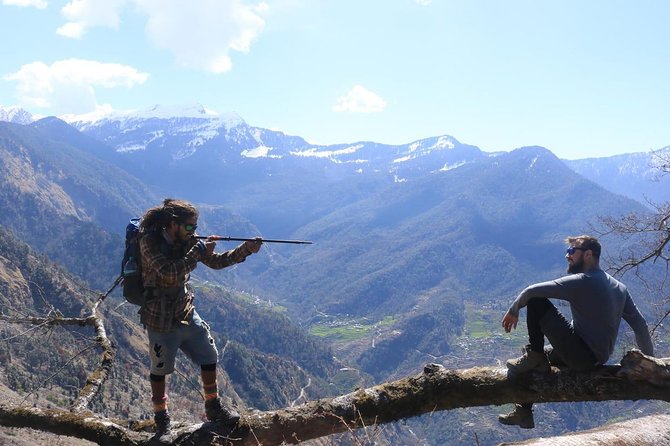
The Chopta Trek is a smart way to experience the Himalayan foothills when time is tight. You’re not doing an ultra-long trek where every day feels the same. Instead, you get a sequence of places that each change the mood: river-country at the start, forest and lake in the middle, then a sunrise goal that turns the whole trip into one clear mission.
This is also the kind of itinerary where a good guide actually matters. You’re hiking in mountain terrain where timing and small logistics make the difference between a smooth morning and a stressful scramble.
And yes, the scenery is the main event. But the real value for you is how the trek is structured to deliver that scenery without asking you to be a full-time endurance athlete.
You can also read our reviews of more tours and experiences in Rishikesh.
Getting from Rishikesh to the trail: why the long drive is part of the experience
You meet in Rishikesh, and the trip includes round-trip transportation. That matters because most of the stress on a trekking trip comes from getting to the trailhead and then back again. Here, you’re not coordinating rides, figuring out which turn is which, or bargaining your way through mountain logistics.
Day 4 includes the drive back to Rishikesh, and it’s a long one—about 6 to 7 hours. That’s not a complaint; it’s just something to plan around. If you like a relaxed end to your adventure, plan your arrival day so you’re not rushing to something the same evening.
You also get pickup offered, and the tour is private, so the schedule should feel more flexible than a fixed group bus situation.
Day 1 Devprayag and Sari Village: where the trip starts with meaning
Day 1 begins on the way to Chopta with a stop at Devprayag. This is where two glacier-fed rivers, the Alaknanda and Bhagirati, come together to form the Ganges. The point of this stop isn’t just sightseeing. It’s a reminder that you’re entering a living river system shaped by glaciers, valleys, and seasons.
Devprayag is easy to take in—about 30 minutes—and admission is free. It’s the kind of stop that helps you transition mentally from city life to mountain life without draining your energy.
Then you continue onward toward the Chamoli District, specifically Sari Village. The vibe here is “slow and agricultural,” not touristy. The village sits around 2011m, and life is tied to farming, including peach and apple orchards and rhododendron trees. You’ll also get a sense of how the local community lives in this altitude belt—small and steady, with agriculture doing the heavy lifting.
This day is about arriving and adjusting, not conquering. You’re getting local context early, which makes the later hikes feel more connected instead of feeling like a checklist of viewpoints.
Potential drawback for Day 1: after a long travel day, you might feel like you want an early night. That can happen on any trek, but the itinerary structure here should help you settle into your first overnight plans.
Day 2 Deoria Tal Lake and Chopta Valley: the walk that slows your heartbeat
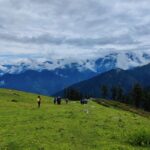
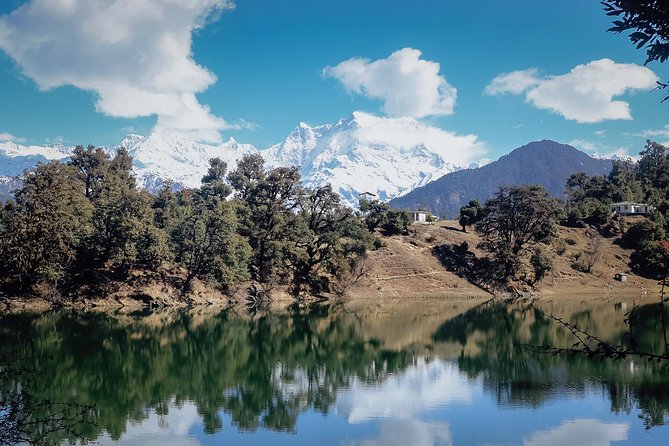
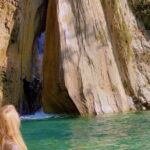
Day 2 is where the trek turns scenic in a calmer way. After breakfast, you start with a forest walk, and you reach Deoria Tal Lake at 2438m. The lake sits with lush greenery around it, and you’re watching for mountain views in the backdrop.
The time at the lake is about 1 hour, and the itinerary notes the admission is included here. That’s a nice detail because it reduces the mental load. You just walk, look, and take in the setting.
What’s good about this day for you: it’s not all steep climbing. It’s more about steady hiking through forest, then stopping at a place designed to let your eyes rest. For many people, this is the day that makes them think, okay, this is why I’m doing this.
On the way back, you pass Rohini Bugyal, described as a serene meadow hidden inside the Chopta Valley forest. It’s another about 1 hour moment to shift from lake quiet to meadow openness.
If you tend to get “hike-blind” where every day feels similar, the contrast here helps. Forest to lake to meadow gives you three different textures of nature without needing three different planning days.
One consideration: forest walks can still be tiring, especially if you’re carrying layers for changing weather. Wear hiking shoes you trust, and keep an eye on how your feet feel early in the day. You’ll thank yourself later.
Day 3 Tungnath Temple and Chandrashilla Sunrise: the early wake-up that pays off
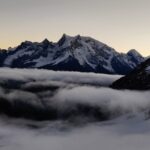
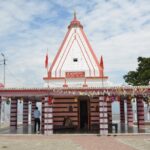
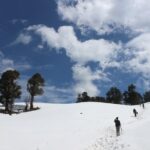
If you sign up for this trek for one reason, it’s probably sunrise. Day 3 starts around 4am with chai, then you begin the hike up toward Chandrashilla Peak for sunrise. From there, you also connect with the Tungnath area—one of the big spiritual and trekking magnets in the region.
The plan is about 5 hours for this section. That includes the early climb and the sunrise window. And the itinerary is honest about what you might see: if visibility is good, you may be able to see Nanda Devi, noted as India’s second highest peak.
This is the part that most strongly matches what people rave about: sunrise over the big peaks. One review specifically called the sunrise over the Himalayan ranges a unique experience, and another emphasized that the trek is technically manageable even for beginners as long as you pack warm clothing.
Here’s your practical takeaway. Pack for cold and wind. Even if you’re okay with the hike effort, dawn at altitude can get sharp fast. The review advice lines up with what you’ll likely feel when you’re standing still waiting for the sun to crest.
Also, don’t underestimate the discipline of early mornings. The reward is high, but you have to show up for it. If you hate waking up before your brain has switched on, this might be the toughest part of the trip—yet it’s also often the part people remember most.
Where you sleep and eat: homestay comfort plus one true camping night
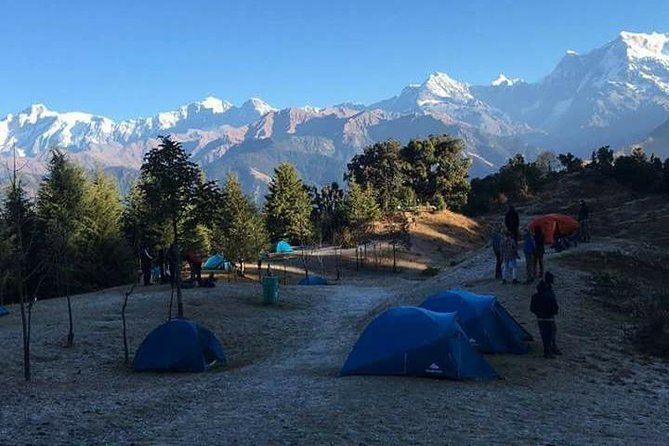
This trip uses two nights at a family homestay and one night at a campground. That mix is a big part of why the itinerary works: you get local hospitality and then you get the more traditional trekking feel of camping.
Meals are included, with breakfast provided four times, lunch four times, and dinner three times. That matters for you more than you might think. Mountain treks can turn into a random snack search if meals aren’t handled. Here, you’re covered, so you can focus on your hiking and your rest.
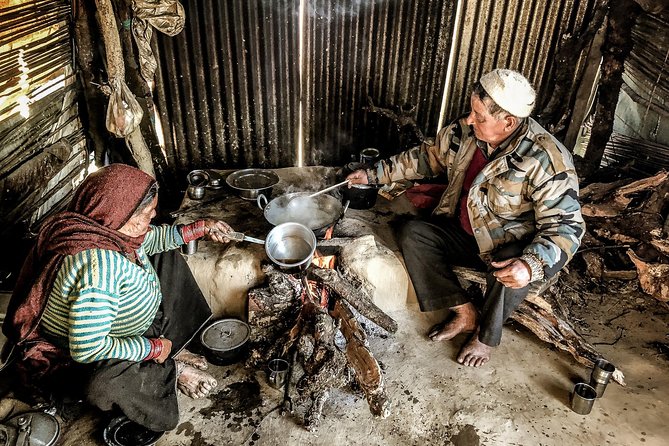
The homestays are specifically praised for being warm and friendly. That lines up with the idea that this trek isn’t only about “get view, leave.” It’s about meeting people who live in these places year-round.
Camping is included too: the tour provides camping and sleeping bags. You’re not scrambling to find gear in a hurry, which is a common stress point for travelers.
Potential drawback: the campground night can be more basic than the homestays. If you’re the kind of traveler who needs guaranteed quiet and a super-soft bed, that one night is where you may feel the difference. Still, sleeping bags are provided, and the setup is part of the tour design.
Guide quality, permits, and included forest fees: the behind-the-scenes stuff that keeps the trip smooth
You’ll trek with a professional guide, and the tour is private. That combination tends to produce better pacing and better decision-making on the trail.
It’s also not just a guide with a whistle. The tour includes forest entry fees and permissions, plus transportation, plus key gear like sleeping bags. In trekking terms, that means fewer friction points:
- You don’t have to worry about whether entry paperwork is covered.
- You don’t have to guess if your gear list is missing something important.
- You can keep your energy on hiking instead of admin.
One review specifically mentioned that the guide, Ankush, was fun and knowledgeable, which matters because a good guide can turn a tough uphill moment into a manageable one. They can also help with timing, especially on the sunrise day when the hike is about being at the right place at the right moment.
Price and value: what $201 buys you (and what it doesn’t)
At $201 for about four days, this trek can feel like good value if you compare it to the real cost of doing it independently: transportation, guide time, forest permissions, meals, and at least some camping equipment.
Here’s what’s included in the price:
- Round-trip transportation from Rishikesh
- Private tour
- All meals (breakfast/lunch/dinner counts described above)
- Forest entry fees and permissions
- Sleeping bags and camping
- Coverage for trail-related admissions noted in the itinerary (like Deoria Tal Lake and Tungnath area)
What isn’t included:
- Additional food and drinks beyond the meal plan
- Souvenirs
- Insurance (not provided)
For budget planning, that means you should bring money for personal snacks, drinks, and small purchases. Also, consider travel insurance seriously, especially because trekking comes with a bit more risk than day sightseeing.
My quick value verdict: if you want a guided experience with meals handled and transportation taken care of, this price is competitive. If you already have your own gear, know local transport, and want to DIY everything, you might spend less—but you’d also be trading away a lot of convenience.
Who should book this Chopta Trek (and who should think twice)
This trek suits you best if you want:
- A moderate fitness level challenge
- A short Himalayan experience that still feels meaningful
- A mix of local homestay hospitality and a real trekking night out
- Sunrise as a priority, not a bonus
The itinerary style also fits travelers who like structure. The days aren’t random. They’re organized around key places like Devprayag, Deoria Tal Lake, and the Chandrashilla sunrise push.
Think twice if:
- You strongly dislike early starts. Day 3 begins around 4am.
- You need guaranteed weather-dependent views. Sunrise quality depends on visibility, and the itinerary only promises clear sights if conditions cooperate.
If you’re a beginner but comfortable walking uphill for hours, the reviews suggest the trek is achievable with the right clothing and expectations. If you’re brand new to hiking, take it slow, protect your feet, and listen to your guide.
Should you book Chopta Trek? My take
If you want a guided Himalayan foothills trek with real comfort built in—meals taken care of, sleeping bags included, and a private guide for personal pacing—this is a strong choice.
I’d book it if sunrise is on your must-do list and you’re okay with a very early morning. I’d hesitate only if you hate cold dawn logistics or you’re expecting the sunrise views to be guaranteed no matter the sky.
In short: this is a compact trek with a big payoff, and the details (guide quality, homestays, meals, and included permissions) are what make it feel easy to actually do.
FAQ
How long is the Chopta Trek?
It runs for about 4 days.
Where does the trek start and end?
It starts in Rishikesh, Uttarakhand, India, and ends back at the same meeting point.
Is transportation included?
Yes. Round-trip transportation from Rishikesh is included, and pickup is offered.
Are meals included in the tour price?
Yes. The tour includes breakfast four times, lunch four times, and dinner three times.
What trekking highlights are included?
You’ll hike to Deoria Tal Lake, and you’ll also do an early morning hike for sunrise at Chandrashilla Peak with the Tungnath Temple area as part of the day.
What fitness level do I need?
The tour is listed for travelers with moderate physical fitness.
Is insurance included?
No. Any type of insurance is not included.