REVIEW · KATHMANDU
Annapurna base camp trek 5 Days
Book on Viator →Operated by Alpine Ramble Treks · Bookable on Viator
Five days on foot, one giant payoff.
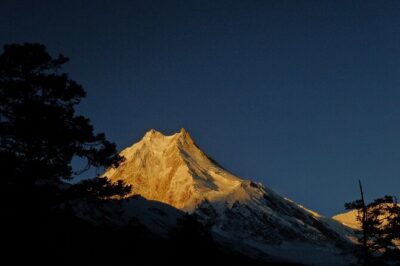
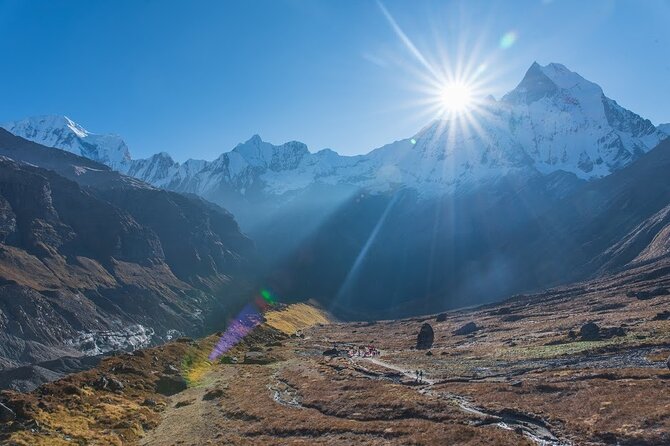
This organized Annapurna Base Camp trek is interesting because it pairs smooth logistics with the kind of mountain scenery you remember for years, including Machhapuchare (Fish Tail). You’ll head from Kathmandu to Pokhara first, then move through forested trails toward Base Camp without having to figure out permits, route planning, or daily details.
I like that the package wraps in the big practical items: airport pick-up and drop-off, the tourist bus to Pokhara, trekking permits, and the core on-trek services like your guide and tea-house lodging. I also like that you get down jacket and sleeping bag gear included, which makes it easier to pack smart instead of hauling cold-weather stuff.
One drawback to keep in mind: water treatment. Even though the trip’s concept includes help with purified water, I’d treat water tablets as something you should confirm in advance, since there have been cases where a guide forgot them and the situation got uncomfortable.
In This Review
- Quick hits before you go
- Day 1 in Pokhara Lakeside: easy start, good reset
- Getting to the trail: Birethati and Siwai by jeep
- Upper Sinuwa and sunrise: the day you’ll remember
- Annapurna Base Camp Day: 10th-tallest energy, shorter days
- Turning point on the way back: sun over Machhapuchare and Annapurna
- Day 6 down via Chomrong to Jhinu hot spring area
- Price and logistics: where the $699 value comes from
- Tea-house trekking basics: comfort without overthinking
- Guide support (and the water check you should do)
- Fitness and weather: making the short trek feel right
- Should you book this Annapurna Base Camp trek?
- FAQ
- How long is the trek?
- Where does the trip start and end?
- Is airport pick-up and drop-off included?
- What transport is included between cities?
- What are the main inclusions for trekking days?
- Does the price include gear like sleeping bags?
- What’s not included in the price?
- What group size should I expect?
- What time does the day start?
- What is the cancellation policy if weather is bad?
Quick hits before you go
- Small group size (max 12) helps keep the trek feeling human, not like a moving line.
- Airport transfers plus tourist bus to Pokhara remove a lot of first-day stress.
- Tea-house lodging and meals on the trek means you’re not hunting food options each day.
- Gear included (down jacket and sleeping bag) can be a real value add if you travel light.
- Base Camp + Machhapuchare views are the main event and they’re built into the short itinerary.
- Water tablets are a checklist item for a smooth, no-drama trek.
Day 1 in Pokhara Lakeside: easy start, good reset
Pokhara is where you “land” before the trekking work begins. Day 1 is built around an early scenic drive from Kathmandu to Pokhara on the Prithvi highway using a tourist bus. It’s long enough to feel like travel, but not so technical that you’ll be stressed out when you finally reach the lakeside.
Once you’re there, you’ll spend time around Pokhara Lakeside—basically a gentle orientation day. I like this approach because it helps you adjust to Nepal’s pace without wasting energy on early climbs. You also get a night in a proper hotel setup before you start trekking at altitude.
Practical note: this day can set the tone for the whole trip. If you arrive tired or sleep badly, the next day’s jeep ride and walking legs can feel harder. Aim for a simple evening—hydration, early sleep, and a calm plan for the next morning.
You can also read our reviews of more tours and experiences in Kathmandu.
Getting to the trail: Birethati and Siwai by jeep
Day 2 is the “transfer day that matters,” because it positions you for the trek without forcing you to start with a full day of uphill effort. After breakfast in Pokhara, you’ll drive to Siwai by local jeep (about a 2-hour ride). Before reaching Siwai, the route includes a stop at Birethati, described as an entering point.
This is where the value of organized ground transport shows. You’re spending time walking the trek—not negotiating buses, finding jeeps, or figuring out which road gets you to the trail access points. You also get a guide and the group structure from the start, which helps if you’re new to tea-house trekking.
A quick consideration: jeep rides in mountain areas can be bumpy. If you’re sensitive to motion or have a touchy stomach, take that into account and move slowly with hydration during the ride. The good news is that Day 2’s plan is designed to land you closer to where the trekking actually starts.
Upper Sinuwa and sunrise: the day you’ll remember
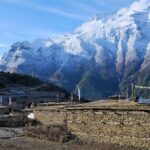
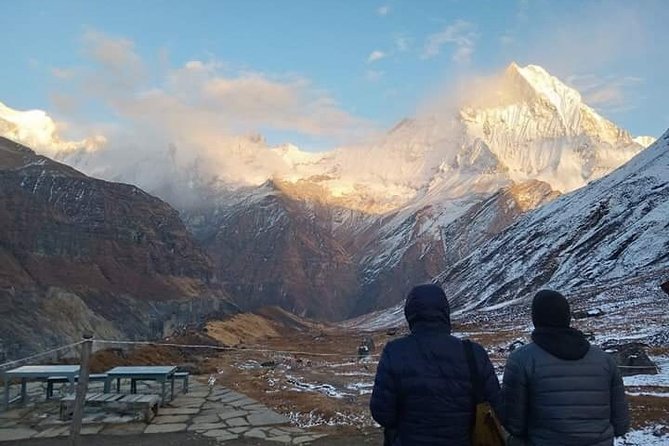
Day 3 moves you into the rhythm of the Annapurna Base Camp route. You’ll have morning tea and a sunrise experience from your lodge area at Upper Sinuwa, with views described over the White Mountain. Depending on weather, sunrise is the kind of moment that makes people love this trek—sharp light, quiet air, and mountain shapes that look different every minute.
What I like about this pacing is the balance: you get a “morning view payoff,” then you’re back to trekking through the forested trail pattern typical of this area. The highlight here isn’t only the scenery—it’s also how the trek uses short days and early visual rewards to keep morale up when altitude starts asking for more effort.
Expect that Day 3 can feel like a warm-up for what comes next. You’re learning how your body responds to walking uphill, how quickly you get winded, and how tea-house routines work at higher elevations. If you’re steady on your pace, you’ll feel stronger by Day 4.
Annapurna Base Camp Day: 10th-tallest energy, shorter days
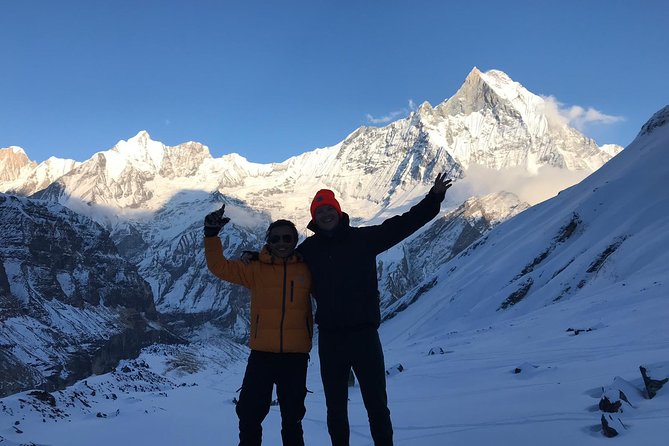
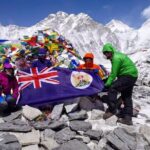
Day 4 is the big day: the hike to Annapurna Base Camp on foot. The trek is described as reaching a classic short-route destination in the Annapurna Range, and Base Camp is framed as the excitement point of the journey.
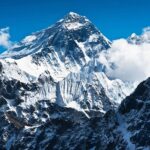
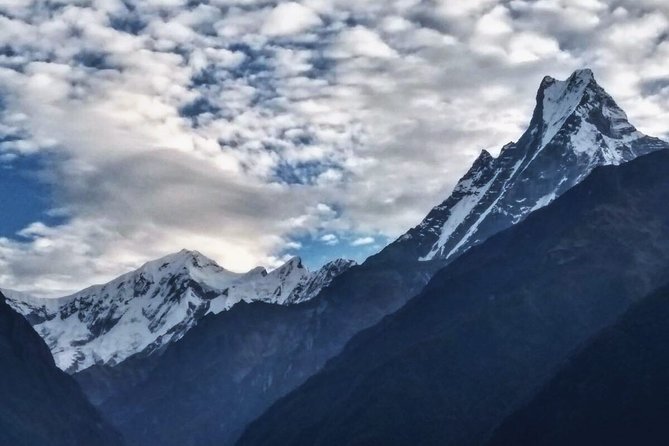
This day matters because it’s not just “another summit goal.” Base Camp is where your route becomes a mountain viewing experience. The iconic Machhapuchare (Fish Tail) is part of the story, and the trek’s design aims to bring you into sightlines across the high Himalaya region—so you arrive with a sense of having earned the views.
A reality check I’d keep in mind: Base Camp days can feel demanding even if the route is called short. You’re still walking at altitude, often on uneven paths, and tea-house trekking means you’re carrying a small daypack rather than traveling by vehicle the whole time.
If you want your day to feel smooth, pace matters more than speed. You’ll enjoy the day more if you keep it steady and stop when you need air, not when your legs are already angry.
Turning point on the way back: sun over Machhapuchare and Annapurna
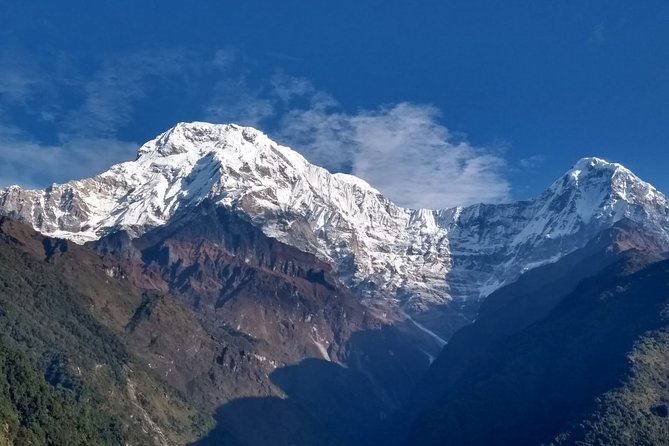
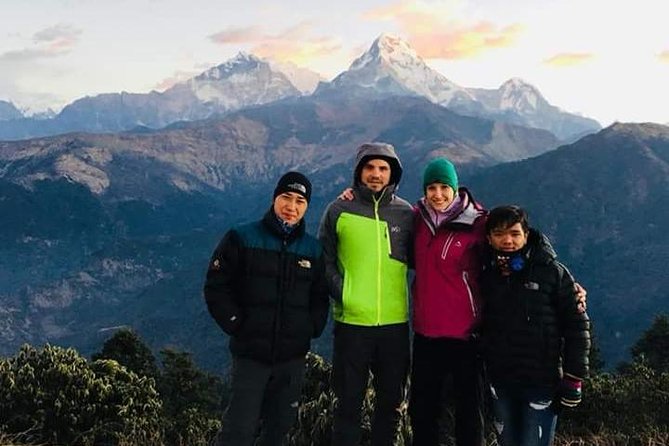
Day 5 is an interesting mix of rest and view-chasing. After breakfast at your lodge in the Upper Sinuwa area, you’ll walk up a bit to explore and experience the sunrise over the vertical mountains of Machhapuchare and Annapurna towering above you.
This is a smart use of the itinerary. Instead of treating the return as a blur of descending only, you get one last meaningful morning moment. It also helps you mentally shift from “getting to Base Camp” to “getting back safely,” which makes the trek feel less like a grind.
Then you’ll follow the same general trail back directionally toward the return route. This is the part of the trek where your legs might be fine but your energy can dip—so keep hydration and snacks consistent.
Day 6 down via Chomrong to Jhinu hot spring area
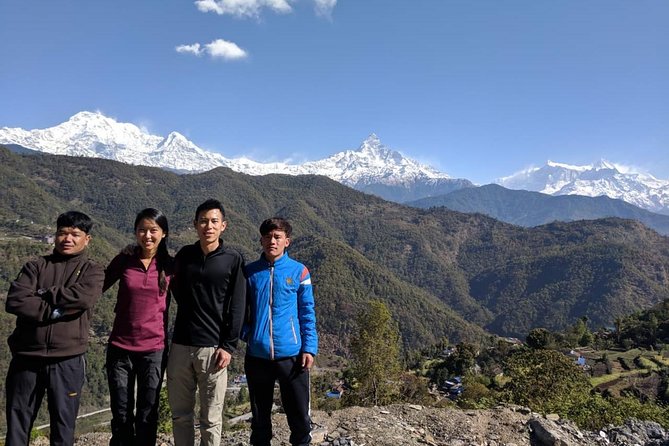
Day 6 is your return day, and it includes a key stretch: after breakfast, you follow the same trail until Chomrong. From Chomrong, the route descends very steeply to Jhinu hot spring, then continues down to Siwai by trekking and local jeep back.
I like that the itinerary includes Jhinu hot spring as a named reward point. It’s not just sightseeing—it’s a chance to do something practical with sore legs: soaking is often the relief people want after days of walking.
One consideration: steep descents use different muscles than climbs. Even fit trekkers often feel knee fatigue here. Go slow on the down parts, take shorter steps, and don’t try to “make up time” by rushing. The scenic enjoyment comes from moving safely, not from speed.
Once you’re back to Siwai, you’ll take a local jeep for the connection back, ending the trek experience in Pokhara.
Price and logistics: where the $699 value comes from
At $699 per person, this trek is priced as a package, not just a guided hike. In practical terms, the value comes from what you don’t have to manage yourself: airport pick and drop off, the tourist bus and ground transportation, permits, guide support, and tea-house accommodation on the trek.
The included meal plan is a big part of the “no surprises” feeling. You get 5 breakfasts, 5 lunches, and 5 dinners included, plus a farewell dinner. You also get a certificate of achievements and an included hiking t-shirt.
Then there’s the gear angle. The package lists down jacket and sleeping bags included. That can be a meaningful value item if you don’t already own cold-weather trekking gear, or if you don’t want to pay baggage fees and carry extra weight.
What’s not included is also important to budget: arrival visa fees, tips for guide and staff, travel insurance, and food in Kathmandu and Pokhara (outside the trek days). Extra accommodation behind schedule can also add cost if your timing changes.
One more point: this trek is described as maximum 12 travelers and is booked around 48 days in advance on average. That tells me you should plan ahead if you have narrow dates.
Tea-house trekking basics: comfort without overthinking
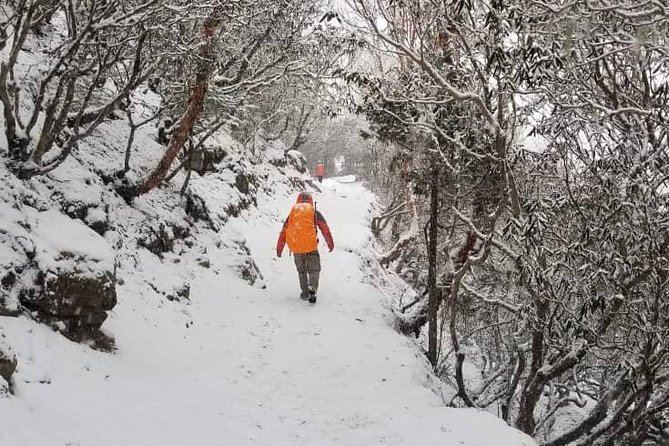
This is tea-house trekking, which means you’ll sleep in simple lodges rather than camping. That usually comes with a comfort trade-off: fewer luxuries, more authenticity, and a stronger connection to how local guesthouses operate.
You can expect the routine to be consistent: breakfast before the next hike, lunch along the trail, dinner at your lodge, and time to relax while you look out at the mountains when the weather allows. The trek is also described as including permits and meals on the trekking portion, so you’re not constantly juggling logistics while you’re moving.
The package includes insurance as well, but travel insurance for you is explicitly not listed as included. So if you want medical coverage, you’ll still need your own travel policy.
If you’re someone who gets cold easily, take advantage of the included down jacket and sleeping bag. Nights in the higher elevations can be chilly, and having proper insulation makes the whole trek feel easier.
Guide support (and the water check you should do)
An English-speaking guide is part of the core promise, and the concept is that your guide takes care of arrangements so you can concentrate on the trek and views. That matters because good guiding is mostly invisible: route decisions, permit handling, timing, and helping your day run smoothly.
However, I’d be cautious about one specific detail: water treatment. There are indications that guides haven’t always had enough water purification tablets available, and that the issue created an awkward moment instead of being solved quietly. Even if you get treatment support, don’t assume it will be flawless.
Here’s what I recommend you do:
- Ask your guide (or operator) before departure what they provide for water purification.
- Confirm whether purification tablets are included and how many you’ll receive.
- Bring a small backup method yourself if you can (just to keep the day uncomplicated).
Also watch for how prepared the guide seems regarding the daily plan. If something feels unclear on the first day, speak up early. On a short trek, you don’t have time to waste.
Fitness and weather: making the short trek feel right
The trek is described as suitable for moderate physical fitness. That usually means you can do it if you’re active and used to walking, but you should still expect hiking days with uphill segments and some steep descents.
Weather plays a role too. The experience is described as requiring good weather, and if it’s canceled due to poor weather, you’ll be offered a different date or a full refund.
In real life, this kind of trek can change based on fog, rain, or cloud cover. When the weather is good, the sunrise and high-mountain views can be spectacular. When it’s bad, you may get less mountain visibility, but the hike and tea-house rhythm still happen.
Pack with layers. Even when the days are comfortable, mornings and nights can feel colder. With the included down jacket and sleeping bag, you’re already partway covered.
Should you book this Annapurna Base Camp trek?
I’d book this tour if you want a short, organized Annapurna Base Camp experience with meals, permits, transport, and key gear handled for you—especially if you don’t want to coordinate permits and tea-house logistics on your own.
I’d hesitate if you hate last-minute surprises or you’re very sensitive to water and comfort logistics. The water-treatment issue is the one thing I’d treat as a checklist item, not a hopeful detail.
Best fit: couples, solo hikers, and small groups who want the classic Annapurna views (including Machhapuchare and Base Camp) with a guide and a straightforward rhythm.
FAQ
How long is the trek?
The experience is listed as 6 days approximately, with an Annapurna Base Camp trek lasting 5 days within that schedule.
Where does the trip start and end?
It starts in Kathmandu and then follows the route to Pokhara, ending in Pokhara.
Is airport pick-up and drop-off included?
Yes. Airport pick and drop off are included.
What transport is included between cities?
Airport transfers and the tourist bus to Pokhara are included, plus all ground transportation during the trek.
What are the main inclusions for trekking days?
Tea-house accommodation, meals (breakfast, lunch, dinner on trek days), a local English-speaking guide, and trekking permits are included on the trekking portion.
Does the price include gear like sleeping bags?
Yes. The package lists down jacket and sleeping bags as included.
What’s not included in the price?
Not included items are extra accommodation behind the schedules, food in Kathmandu and Pokhara, arrival visa fees, tips for guide and staff, and travel insurance.
What group size should I expect?
The tour has a maximum of 12 travelers.
What time does the day start?
The meeting point start time is 6:45 am.
What is the cancellation policy if weather is bad?
You can cancel for a full refund up to 24 hours before the experience’s start time. If it’s canceled due to poor weather, you’ll be offered a different date or a full refund.