REVIEW · POKHARA
2 Days Sikles Trek from Pokhara
Book on Viator →Operated by CAN Travels · Bookable on Viator
Two days in the Gurung hills works fast. The Sikles Trek from Pokhara is a short, satisfying hike where you trade city noise for terraced farms, forest trails, and big Himalayan panoramas. I love the overnight in a Gurung village feel, and I also love that you get a legit shot at sunrise light over the Annapurna range. One thing to plan for: you’re spending a solid chunk of time in the 3.5 to 4 hour drive each way, and food and drinks are not included.
This is a moderate trek, aimed at people who want nature and culture without committing to a long multi-day grind. You’ll hike roughly 4–5 hours on Day 1, then return the next day, so start the mornings with energy and don’t treat it like a casual stroll—bring a bit of stamina and good shoes.
In This Review
- Key things to know before you go
- Sikles Trek in 2 days: what you’ll actually experience
- Pokhara to Tangting: the longish drive that sets the trip up
- Day 1 hike to Sikles: terraced fields, forests, and a steady climb
- Arriving in Sikles: village time with real Gurung culture
- Day 2 sunrise and the return to Tangting: short, early, and worth it
- Price and value: what $200 buys you in this short trek
- Group size and the guide effect: why a private plan matters
- Moderate fitness: how to judge if this trek fits you
- What to pack for the Sikles Trek from Pokhara
- Who should book this 2-day Sikles Trek
- Should you book the 2 Days Sikles Trek from Pokhara?
- FAQ
- How long is the 2 Days Sikles Trek from Pokhara?
- Where does the trek start and how do you get there?
- What kind of fitness level do I need?
- Is an English-speaking guide included?
- Is accommodation included?
- Are meals and drinks included in the price?
- What is the cancellation policy?
Key things to know before you go
- Government-licensed English speaking guide keeps you on track and explains the mountains and local culture
- Overnight guest house in Sikles means you’re sleeping in the village, not just passing through
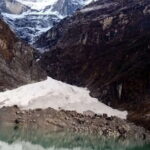
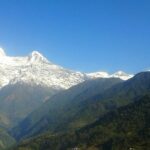
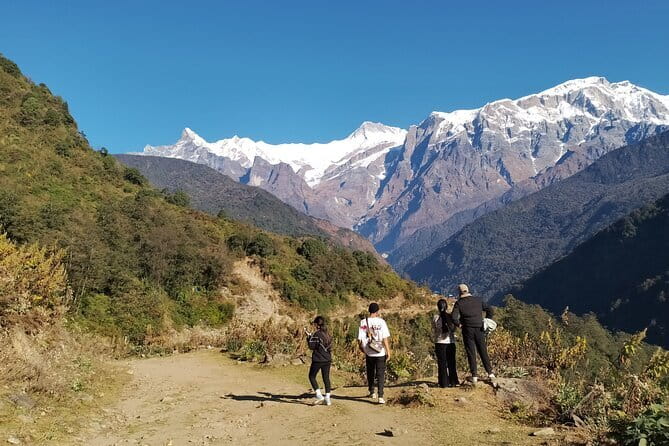
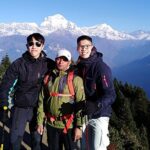
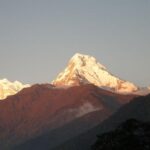
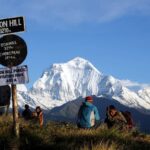
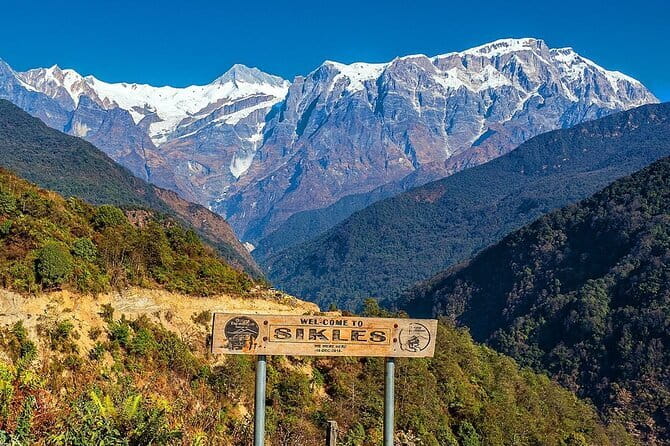
- Annapurna II and Lamjung Himal viewpoints are a main payoff, especially with early morning timing
- Terraced fields + forest ascent give you variety in a short trek window
- Pokhara to Tangting by shared jeep or bus keeps the experience organized and cost-controlled
- Food and drinks sold on-site so budget a little extra beyond the tour price
Sikles Trek in 2 days: what you’ll actually experience
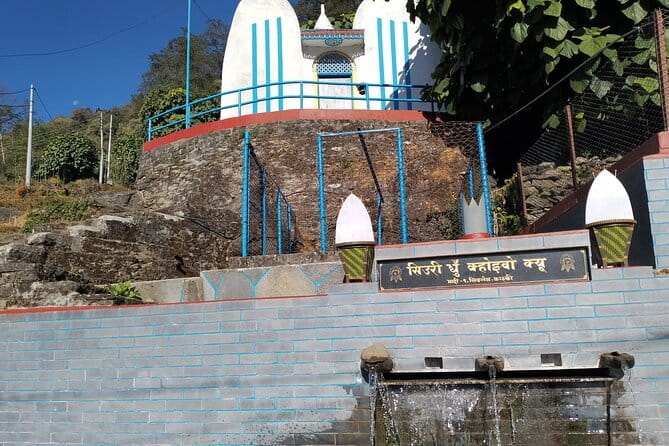
This trek is built for time-efficient mountain travel. In about two days, you’ll go from Pokhara to Tangting, hike up into Sikles, spend an afternoon soaking up Gurung village life, then start early the next day for sunrise views before hiking back down.
The best way to think about Sikles is as a culture-and-views combo. You’re not chasing a dramatic, high-altitude route. Instead, you get a comfortable altitude range and village atmosphere, plus sightlines toward Annapurna II and Lamjung Himal. The payoff feels big for the time you give it.
Because it’s short, the schedule is active. You’ll likely be moving for several hours each day, with the added reality of driving from Pokhara and back. If you love the idea of being outdoors but you also like having a plan, this one fits.
You can also read our reviews of more tours and experiences in Pokhara.
Pokhara to Tangting: the longish drive that sets the trip up
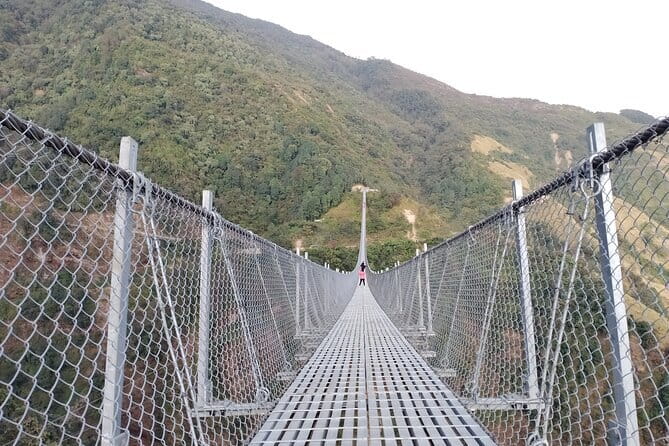
Your guide picks you up from your hotel in Pokhara, then you drive to Tangting (about 3.5 hours). This matters more than it sounds. The drive is part of why this trek can stay compact: you’re not spending half the trip on logistics.
Once you arrive in Tangting, you start climbing. That means the drive is basically your warm-up time—use it to get comfortable, sort your layers, and be ready to walk when the trail starts.
In the evening or afternoon after trekking, you’ll repeat the travel rhythm in reverse on Day 2. The drive back is about 3–4 hours, getting you back to Pokhara by late afternoon or early evening. Plan for a tired-but-happy finish.
Day 1 hike to Sikles: terraced fields, forests, and a steady climb
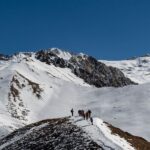
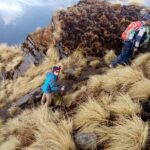
Day 1 begins with a trek that typically takes 4–5 hours. You’ll ascend through terraced fields and forests, and that mix is one of the practical reasons this route works. You’re not stuck in one kind of terrain the whole time.
Expect the trail to feel like a workout, not a flat walk. Even though the trek is moderate, you’ll be gaining elevation as you move from Tangting toward Sikles.
When you arrive, Sikles sits at about 1,981 meters. That altitude is high enough to feel like Nepal’s hills, but it’s also part of why the trek stays approachable for many people with moderate fitness.
Arriving in Sikles: village time with real Gurung culture
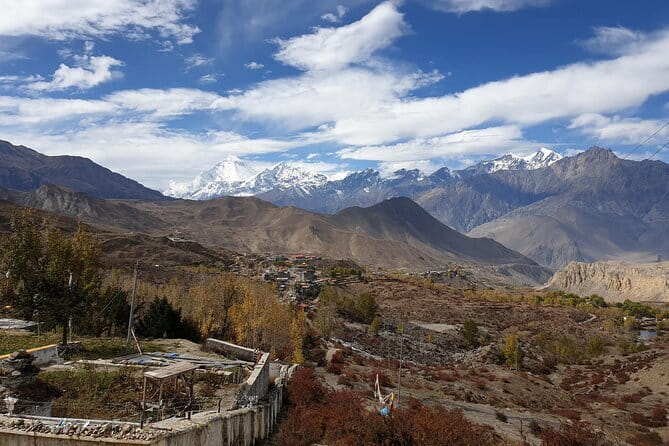
The afternoon in Sikles is where the trip turns from hiking into experience.
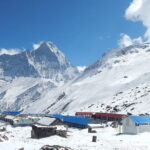
Sikles is one of the largest Gurung villages in Nepal, and you get time to explore rather than rush through. You can visit the local museum, then walk around traditional Gurung houses and interact with locals to learn about daily life and customs.
This is the kind of cultural stop that adds context to what you’re seeing. When you learn how people live in the hills, the terraced fields and the forest paths feel less like a photo backdrop and more like part of a working way of life. You also get the chance to ask questions directly, which is the easiest way to understand what matters locally.
In the reviews tied to this trek, the guide’s approach really comes through. If you’re with guide Krishna, you should expect a mix of mountain explanations and culture talk, and also a sense of humor that keeps the walk from feeling too formal.
Day 2 sunrise and the return to Tangting: short, early, and worth it
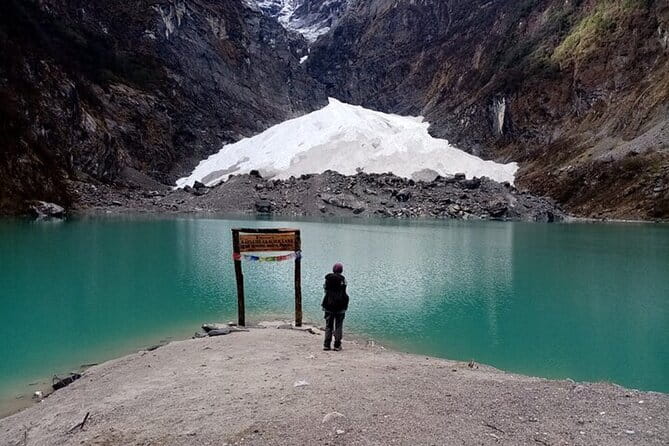
Day 2 starts with a sunrise view. You’ll wake up early to catch the first light over the Himalayas. Sunrise in the mountains is never just pretty; it changes the whole feel of the ridgelines. If you’re the type who likes photography, this is where you’ll get your best chance for clean, dramatic mountain lighting.
After breakfast, you trek back to Tangting. Then you drive back to Pokhara, usually by late afternoon or early evening.
The return hike is shorter on your memory because it’s a repeat path vibe, but it still takes effort. Your legs will do more of the work since Day 1 climbing already warmed your calves. Keep your pace steady, and you’ll finish the trip feeling like you earned the views.
Price and value: what $200 buys you in this short trek

At $200 per person, this trek is priced for a guided, well-managed two-day experience rather than a DIY hike. What you’re paying for is the structure that makes a short Annapurna-region trek actually work:
Included:
- Hotel pickup and drop-off
- Government-licensed English speaking trekking guide
- Trekking permit and official documents
- Accommodation in a guest house
- Pokhara to Tangting to Pokhara transfer by shared shearing bus or jeep
- Private tour (only your group participates)
Not included:
- Food and drinks (available on purchase)
- Gratuities (optional)
In plain terms, you’re not just buying a trail. You’re buying guide time, paperwork, and the overnight stay in Sikles. For many people, those are the biggest friction points that turn a two-day plan into a headache.
The one cost consideration is food. Since meals and drinks aren’t included, you’ll want a bit of cash set aside for Day 1 evening, and for breakfast/lunch on the way. Also remember that in rural village settings, food is there, but it may not match the selection you’re used to at home. Think simple, filling options.
Group size and the guide effect: why a private plan matters
This is a private tour/activity, meaning only your group is participating. That changes the vibe. You’re not competing for attention, and you can ask questions when something sparks your curiosity—like why certain paths are used, or what locals think about the mountains.
The guide is more than a person who leads the trail. A licensed English speaking guide helps with:
- pace adjustments when the climb feels harder than expected
- interpretation of what you’re seeing (mountain names, village culture, and local context)
- staying on schedule so you still have time for Sikles afternoon exploring and the sunrise window on Day 2
And based on comments connected to this trek, Krishna stands out for being professional and funny, while also explaining mountains and Nepal in a way that makes the short trek feel more meaningful.
Moderate fitness: how to judge if this trek fits you
The trek is described for people with moderate physical fitness. That’s accurate in the sense that you’re not facing extreme altitude challenges, but you are facing a real two-day effort.
Here’s a practical way to judge it:
- If you can comfortably walk for 4–5 hours with some uphill climbing, you’ll likely do fine on Day 1.
- If you’re okay with waking early for sunrise and walking again the next morning, Day 2 will feel manageable.
- If long descents or uneven trails frustrate you, wear shoes with good grip and take it slow.
Also, remember that even on a moderate trek, weather can change how you feel. Bring layers and be ready for cool early mornings.
What to pack for the Sikles Trek from Pokhara
The trek is short, so you don’t need a giant kit, but you do need the basics you’ll actually use on trail days and early morning.
I recommend you pack around these needs:
- comfortable, grippy hiking shoes for uphill and uneven paths
- a light rain layer or plan for wet weather, since you’ll be walking through forests
- warm layer for the early sunrise morning
- water bottle and a small snack for the hike (food is available for purchase, but you won’t want to gamble on timing)
- sun protection (hat and sunscreen), especially for terrace-field stretches
- a day bag that’s easy to carry during the 4–5 hour climb
Since the village has a guest house setup, you’ll likely have a place to rest and settle. Still, keep your trek-day items minimal and practical.
Who should book this 2-day Sikles Trek
This is a great fit if you:
- want Annapurna-region views without committing to a long trek
- enjoy village culture, especially Gurung traditions and daily life
- like guided hiking with explanations (and a guide who can keep things upbeat, like Krishna)
- are working with limited time and want a clear, organized plan
You might think twice if you:
- hate spending long blocks in a vehicle (the 3.5–4 hour drives bookend the hikes)
- expect the price to cover all meals (food and drinks are on purchase)
- want a fully high-altitude trekking experience (this route focuses on moderate effort and cultural stops)
Should you book the 2 Days Sikles Trek from Pokhara?
Yes, I’d book it if you want a short Himalayan plan that gives you both mountain views and real village time. The value is strong because the price covers the guide, permits, guest house, and the transfers that make a two-day trek smooth.
Book it especially if sunrise photos and cultural curiosity are your priorities. If you’re the kind of traveler who likes a practical itinerary with time to explore a place rather than just check a box, Sikles is a smart choice.
If you want, tell me your travel month and fitness level (and whether you’re comfortable with early starts). I can suggest what to prioritize for that season—layers, timing, and how to pace the two days.
FAQ
How long is the 2 Days Sikles Trek from Pokhara?
The trek runs for approximately 2 days, with a full Day 1 hike plus an afternoon in Sikles, and a sunrise and return trek on Day 2.
Where does the trek start and how do you get there?
You’ll get hotel pickup in Pokhara, then drive to Tangting for about 3.5 hours. The transfer back to Pokhara on Day 2 is about 3–4 hours.
What kind of fitness level do I need?
It’s designed for people with moderate physical fitness. Day 1 includes an uphill trek of about 4–5 hours.
Is an English-speaking guide included?
Yes. The experience includes a government-licensed English speaking trekking guide.
Is accommodation included?
Yes. You’ll stay in a guest house in Sikles.
Are meals and drinks included in the price?
No. Food and drinks are not included, but you can purchase them during the trek.
What is the cancellation policy?
You can cancel for free up to 24 hours in advance for a full refund. If you cancel less than 24 hours before the start time, the amount paid is not refunded.