REVIEW · KATHMANDU
12 days Annapurna Circuit Trek
Book on Viator →Operated by Magnificent Himalayan Treks · Bookable on Viator
Cold air. Big passes. Clean planning.
This 12-day Annapurna Circuit trek is a solid mix of classic villages and serious altitude, with mountain viewpoints built into the schedule and permits handled for you. I like that the trek keeps things practical: comfortable tea house/lodge stays, most meals included, and a guide who can help you pace the long days without turning it into a slog.
One consideration: the trek includes the Thorong La crossing area and very early mornings, so you need real stamina and good planning for altitude. If you’re not comfortable hiking all day in thin air, this is the time to rethink pace, fitness, and whether you want a shorter route.
In This Review
- Key things I’d watch (before you pack)
- The Annapurna Circuit, compressed into a smart 12 days
- Kathmandu to Dharapani: how the trip sets your rhythm
- Chame and Upper Pisang: early altitude lessons with real scenery
- Manang acclimatization day: why it’s not optional on this route
- Yak Kharka and Thorong Phedi: the trail tightens
- Thorong La to Muktinath: early starts, big rewards, and serious effort
- Muktinath to Tatopani: hot springs for your legs
- Ghorepani and the Thakali settlements: culture on the trail
- Poon Hill sunrise and the Pokhara finish: a payoff you can plan for
- Value and what you actually get for $1,100
- Guides and planning style: how the experience feels on the ground
- Who this trek fits (and who should be cautious)
- Should you book this Annapurna Circuit trek?
- FAQ
- What’s the duration of the Annapurna Circuit trek?
- Where does the trek start and how do I get there?
- Is accommodation included during the trek?
- Are meals included?
- Are permits included?
- Do I need a Nepal visa?
- Is a porter included?
- What about transportation back to Kathmandu?
- What’s the start time I should plan for?
Key things I’d watch (before you pack)
- Permits and fees are included (ACAP and TIMS), so less paperwork worry while you’re excited and distracted by mountains.
- Early morning starts are baked in for viewpoints like Poon Hill and for the Thorong La crossing window.
- Manang includes an acclimatization day, with an easy option like a stroll to Ice Lake to help your body adjust.
- Hot springs in Tatopani are a welcome recovery break after higher, colder days.
- Transportation is planned between trekking stages, including jeeps and a tourist bus to Pokhara and back.
The Annapurna Circuit, compressed into a smart 12 days
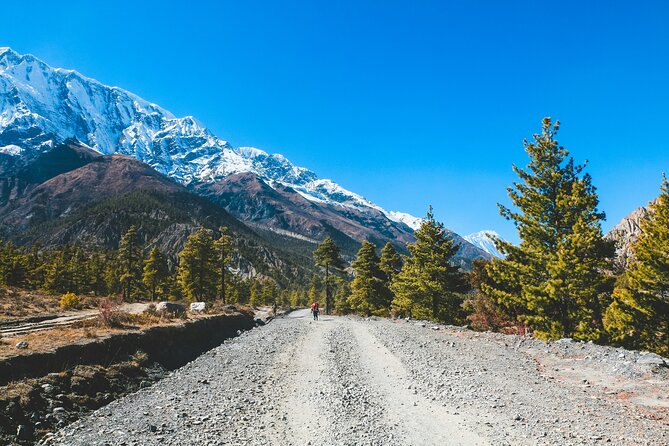
The Annapurna Circuit is famous for a reason, but a lot of tours inflate the idea with vague promises. This one is more grounded. You get a full trek arc that starts from the Kathmandu side and works around the Annapurna region, then finishes with the easier, scenic run-in to Pokhara.
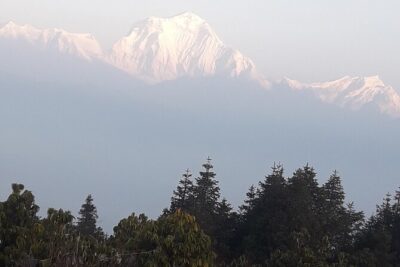
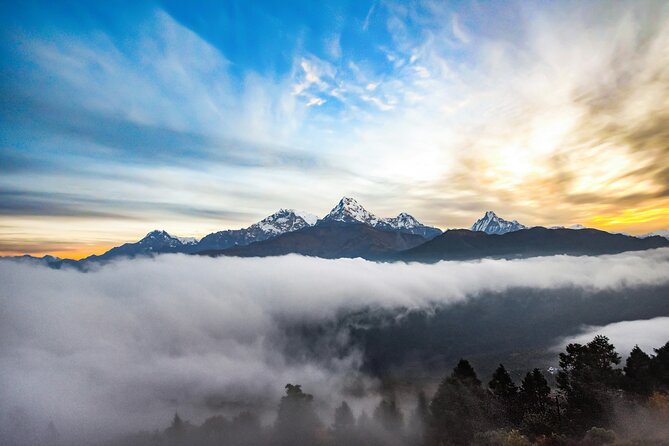
The big draw is that you don’t just hike. You also get moments that make the effort feel worth it: the tightening air and colder feel as you climb, the pass-day early push, and a sunrise that’s timed for views across the Annapurna and Dhaulagiri ranges (including Machhapuchhre/Fishtail and Annapurna).
And because most meals and tea house/lodge accommodations are included during the trek, you spend more energy on walking and less energy on guessing what your next meal will cost or whether it’ll be open.
You can also read our reviews of more tours and experiences in Kathmandu.

Kathmandu to Dharapani: how the trip sets your rhythm
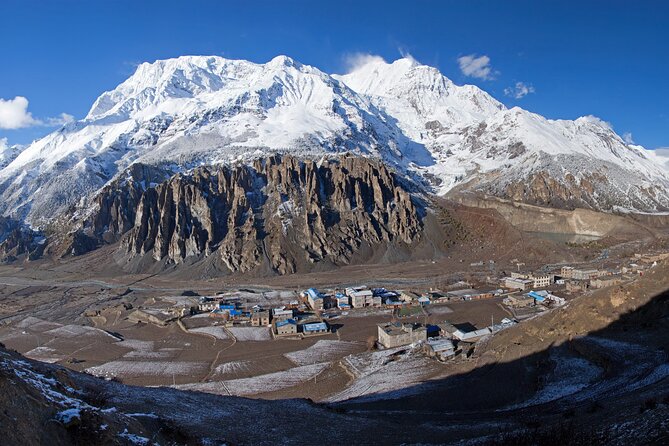
Most people think of the Circuit as a hiking story. But the trip actually starts with logistics that affect your comfort.
Day 1 moves you from Kathmandu to Besishar along the Trishuli river, then switches to a jeep to reach Dharapani. That change matters. It means you’re not immediately dropped into a steep day on arrival. You get time to settle, breathe, and understand your gear before the trekking begins in earnest.
It also means you’ll likely start the trek with less exhaustion than a plan that forces long drives right into hiking hours. For altitude trekking, that matters more than it sounds.
One small reality check: the schedule is long-day heavy. Even when you’re not hiking, travel days still take time, so don’t assume every day is light.
Chame and Upper Pisang: early altitude lessons with real scenery
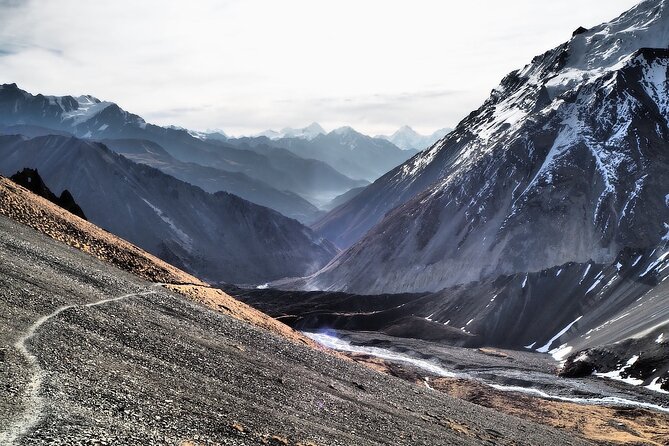
Day 2 brings you to Chame, the headquarters of Manang District. As you gain altitude, the vegetation shifts, and you start seeing the classic rhododendron forests that hug the trail in lower elevations. You’re also learning a key skill for this trek: pacing yourself as the air thins.
Day 3 pushes toward Upper Pisang, at about 3300 meters. Here, you’re climbing into a zone where the mountains feel closer and lighting changes fast. The idea is not just to reach a place—it’s to experience that first light look as the day warms up. That kind of timing makes a big difference on a trek like this, because you’ll remember the feel of the day, not only the distance.
Day 4 continues the altitude climb and sets up some of the most dramatic viewing moments. Along the way you pass through routes that open up north-face views of peaks like Annapurna II, Annapurna III, Annapurna IV, Gangapurna, Tilicho, and Pisang Peak. The tour also signals the shift you’ll feel in your body: the air gets drier and colder as you go higher.
If you’re sensitive to cold, this is where you’ll notice it first. Pack warm layers that actually fit how you move, not just how you stand for photos.
Manang acclimatization day: why it’s not optional on this route
Day 5 is a true acclimatization day in Manang, positioned at the base of Annapurna III. This is one of the most important parts of the whole plan, even if you’d rather keep walking.
The tour gives you a low-stress option: a stroll to Ice Lake to help your body adjust. You don’t need to treat it like an extra summit mission. Think of it as a controlled way to test your breathing and see how your energy holds.
This is also a day where you can fix small problems early: dry skin, tight-fitting boots, appetite dips, or minor soreness. On altitude treks, these little issues can become big issues fast—so using a planned rest day is a smart, practical move.
If you’ve ever pushed through discomfort on a high hike and regretted it later, you’ll appreciate having a built-in pause here.
Yak Kharka and Thorong Phedi: the trail tightens
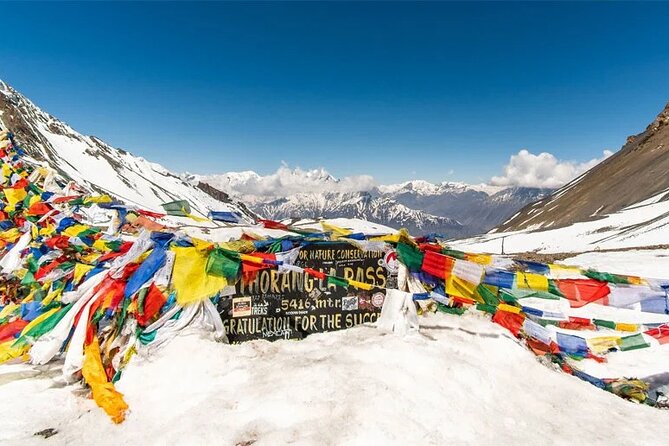
Day 6 heads from Manang toward Yak Kharka, passing via Tenki village and moving through valleys that start to feel quieter and more “upward” as the route shifts northwest. You’ll cross streams early on and keep climbing as you leave the Marshyangdi valley feel behind and follow the Jarsang Khola valley direction.
Day 7 is about positioning for Thorong La. You go to Thorong Phedi, the foot of the pass area. The day’s hiking rhythm is described as ascending to a ridge, then descending, and crossing the Marsyangdi river on a wooden bridge before you follow further ascent.
This part of the trek can feel like it’s building pressure: each step is manageable alone, but the combination—altitude plus long walking hours plus cold mornings—adds up. You’ll be happiest if you adopt a simple mindset: small steady steps and lots of breath control.
Thorong La to Muktinath: early starts, big rewards, and serious effort
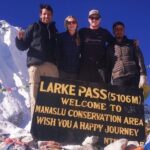
Day 8 is pass day. You wake around 3:00 a.m. and begin the climb early, which is common for this region because you want daylight stability and safer trekking conditions.
At the top, you’ll experience that high-pass moment: cold air, intense exposure, and the kind of silence that makes you forget your phone. Then the day continues onward to Muktinath, which is both an endpoint and a cultural stop—so it’s not only about the physical challenge.
Practical note: pass days punish poor layering and slow decision-making. Bring gloves you can actually use, headwear that blocks wind, and a system for stopping without chilling. If you tend to sweat quickly, plan layers that let you vent without losing heat afterward.
Muktinath to Tatopani: hot springs for your legs
After a big day, Day 9 gives you recovery. You travel about three hours by jeep from Muktinath to Tatopani. Then you rest at your lodge or use the hot springs for a soak.
That hot spring stop is one of those small inclusions that can change how you feel on the next days. It’s not a magical fix, but it helps you recover from the pounding and tightness you’ve built.
This is also a chance to eat something warm and slow down your body. On trekking trips, it’s easy to treat meals like fuel only. A recovery day makes it easier to treat them like part of your overall performance.
Ghorepani and the Thakali settlements: culture on the trail
Day 10 moves from Tatopani toward Ghorepani. The trek passes through ethnic Thakali settlements, specifically Sikha and Chitre, before reaching the east bank of the Kali Gandaki river and climbing up toward Ghorepani.
This is the point where the trek starts to shift from high-pass intensity into classic Circuit scenery. The trail includes villages and paths that feel more lived-in, and the walk is paced for the kind of experience where you notice small details—shops, homestays, faces, and route familiarity.
You’ll likely feel the altitude a bit less than earlier days, but don’t confuse that with an easy day. The walk still takes time, and the next morning’s sunrise hike is coming.
Poon Hill sunrise and the Pokhara finish: a payoff you can plan for
Day 11 starts with an early trip up to Poon Hill (about 3210 meters). The goal is sunrise across the Dhaulagiri and Annapurna range, including Machhapuchhre (Fishtail) and Annapurna.
This is the kind of viewpoint that makes sense when timed right. You’re high enough to see far, but not so high that it becomes another pass situation. The tour then continues with the trek from Ghorepani to Birethani, followed by a bus to Pokhara.
Then Day 12 is the clean finish: breakfast in Pokhara and a tourist bus back to Kathmandu. There’s also an option to fly from Pokhara to Kathmandu (around 25 minutes), but that flight isn’t included in the package cost.
Value and what you actually get for $1,100
At $1,100 per person, this isn’t a budget “just wing it” trek. But it also isn’t priced like a private luxury expedition. The value comes from what’s handled for you and what you don’t have to manage on the trail.
Here’s what helps you get your money’s worth:
- Guided support: a government licensed, English speaking guide with experience. Guide coverage includes meals and insurance/salary/lodging support for the team.
- Permits: ACAP (Annapurna Conservation Area Permit) and TIMS card fee are included.
- Most meals and tea house/lodge stays during the trekking days are included, along with one Pokhara night with breakfast.
- Transportation segments: Kathmandu to Dharapani, plus Muktinath to Tatopani and Nayapul to Pokhara, and Pokhara back to Kathmandu by tourist bus.
The big takeaway: this package reduces decision fatigue. You still hike hard, but you’re not constantly sorting out admin, permits, and meal math.
What costs extra is also clear:
- Drinks (alcoholic and non-alcoholic) and personal expenses.
- Your own insurance.
- Porter service (optional) at $20/day, carrying up to 20 kg.
- Nepal visa fees (obtained on arrival).
- Any costs not listed as included.
If you’re trying to keep the budget tight, the porter might be the first lever you consider. If your joints hate long days at altitude, a porter can help you enjoy the trek instead of bargaining with every step.
Guides and planning style: how the experience feels on the ground
One thing I look for in a trek operator is whether they respond before you even leave home. In this case, the names Manit, Kumar, and Bhim Panta show up in the team story.
From what’s shared, Manit handles online consultation and is described as responsive—getting back to questions quickly during the planning stage. Kumar also gets credited for being a helpful part of the team experience.
Then Bhim Panta is praised for practical help in Kathmandu, including airport collection and a smooth check-in into a clean, well located hotel. You also get a farewell dinner in Kathmandu, which is a nice touch if you want your trip to end with warmth rather than an abrupt drop-off.
You don’t need to care about names to benefit. But it’s a good sign when the operator treats the pre-trek and post-trek parts as part of the trip, not as an afterthought.
Who this trek fits (and who should be cautious)
This trip is listed for travelers with moderate physical fitness. That doesn’t mean easy. It means the plan expects you to manage long trekking days and the altitude reality of the Annapurna region.
This trek makes sense if:
- You want a classic Annapurna Circuit experience in about 12 days.
- You’re okay with early starts and cold air near higher elevations.
- You want permits and most meals handled, so you can focus on walking.
Be cautious if:
- You get overwhelmed by early mornings and long days.
- You’ve struggled before with altitude or need extra support to maintain energy.
- You’re hoping for lots of downtime. This is still a hiking-focused itinerary.
Should you book this Annapurna Circuit trek?
If you want a guided trek that handles permits, most meals, and key transport links, this is an easy “yes” to consider. The schedule is structured around acclimatization in Manang, a pass-day built into the plan, a recovery break in Tatopani, and a timed sunrise finale at Poon Hill.
The main reason to pause is the Thorong La area and early mornings. If that scares you, don’t ignore the fear. Either get fitter, plan for more support (like a porter), or pick a route that reduces pass intensity.
If you decide to book, note that free cancellation is offered up to 24 hours before the experience start time for a full refund, so you have a bit of safety room while you coordinate your dates.
FAQ
What’s the duration of the Annapurna Circuit trek?
The trek is listed as 12 days (approximately), with stages that include trekking days, short transport segments, and two base nights tied to Kathmandu and Pokhara.
Where does the trek start and how do I get there?
The trip is based in Kathmandu, Nepal. You can be picked up (pickup is offered), and the schedule includes transport from Kathmandu to Dharapani on the first day.
Is accommodation included during the trek?
Yes. You’ll stay in tea house/lodge accommodations during the trekking days, with meals included, plus one night accommodation in Pokhara with breakfast.
Are meals included?
Yes. The trek includes breakfast, lunch, and dinner during trekking days (listed counts are in the package) and also includes a farewell dinner in Kathmandu.
Are permits included?
Yes. The package includes the Annapurna Conservation Area Permit (ACAP) and the TIMS card fee.
Do I need a Nepal visa?
Yes. The Nepal visa is not included and is obtained upon arrival at the airport (visa fees are listed for 15, 30, and 90 days).
Is a porter included?
No. Porters are available for $20/day and can carry up to 20 kg, but this is listed as an extra.
What about transportation back to Kathmandu?
After breakfast in Pokhara, you’ll take a tourist bus to Kathmandu. There’s also an optional 25-minute flight (not included in the package cost).
What’s the start time I should plan for?
The meeting point start time is listed as 12:15 am, so plan for an early start.