REVIEW · POKHARA
Ghorepani Poonhill Trek
Book on Viator →Operated by Sunrise Adventure Trek P. Ltd · Bookable on Viator
Sunrise over the Annapurnas feels unreal. The Ghorepani Poon Hill Trek is one of the best short trips in Nepal, mixing village culture, forest walks, and huge mountain views in a single circuit.
I love that the plan centers on Poon Hill sunrise, with viewpoints at about 3,210 m for wide-ranging Annapurna views. I also like the hands-on support: you get a guide, porters, meals, and a flexible feel so the day-to-day pace can suit your group; just note that the hike includes steep sections and altitude demands even though it’s considered a lower-elevation trek.
In This Review
- Quick hits before you go
- Why the Ghorepani Poon Hill Trek works as a short Nepal trek
- The Kathmandu and Pokhara start that actually helps your trek
- Pokhara to the trailhead: the quiet setup
- Tikhedhunga to Ghorepani: climbing into the views zone
- Ghorepani to Ghandruk: the day with big scenery and a village payoff
- A note on weather in the higher forest zone
- Ghandruk to Nayapul and back to Pokhara: finishing the circuit feeling good
- The Kathmandu return and your wrap-up day
- Price and value: what you really get for about $580
- Your guide and porter setup: where comfort meets safety
- What you can expect each day, without the guesswork
- Packing and fitness: what to plan for, given the elevations
- What the sunrise and mountain views actually deliver
- Should you book the Ghorepani Poon Hill Trek?
- FAQ
- Where does the Ghorepani Poon Hill Trek start?
- How long is the trek?
- How much does it cost?
- What’s included in the trek price?
- Are international flights included?
- Do you provide trekking permits?
- Are meals included?
- Is travel insurance included?
- Can I cancel and get a full refund?
- What kind of fitness level do you need?
Quick hits before you go
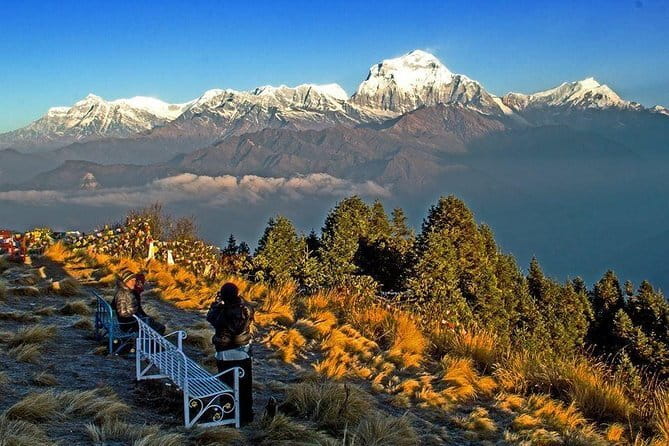
- Poon Hill sunrise at ~3,210 m for dramatic views across the Annapurna region
- A short Annapurna circuit style route: from lower paddy and subtropical zones up into alpine forest
- All-in hiking support: guide, meals (with tea/coffee), trekking lodge stays, and permits
- Village contrast: colorful settlements like Ghandruk alongside dense rhododendron and pine forest
- Flexible pacing: your schedule can be adjusted to match your wishes
- Smooth city-to-trail logistics with Kathmandu and Pokhara built in
Why the Ghorepani Poon Hill Trek works as a short Nepal trek
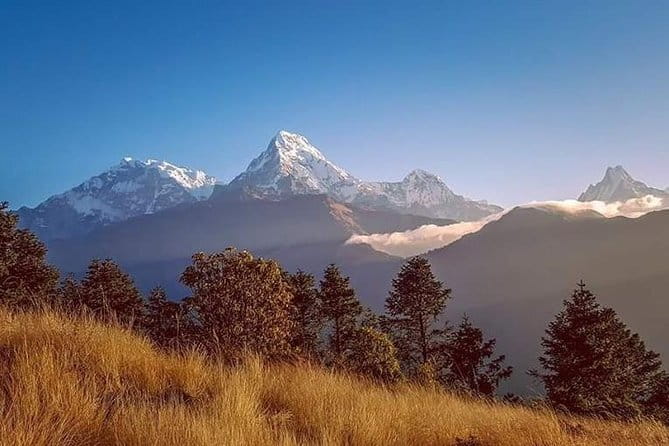
This trek is ideal if you want big Nepal mountain payoffs without committing to weeks of high-altitude trekking. You’ll move through different altitude zones fast, going from lower, warmer farmland and settlements up toward colder, forested ridgelines.
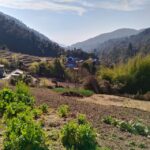
The best part is how the route turns the Annapurna region into a movie you can walk through: paddy fields, rhododendron, silver fir and pine forest, cascading waterfalls, and classic tea-house style village stops. You end up with a trek that feels varied, not repetitive.
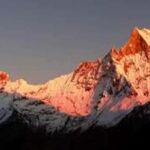
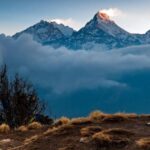
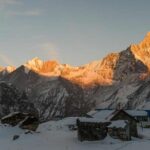
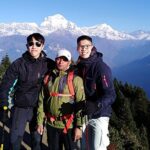
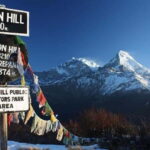
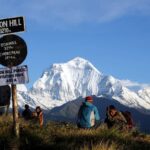
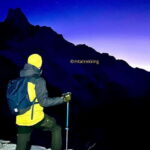
And then there’s Poon Hill. Sunrise here is famous for a reason: you’re high enough to get clean sightlines across the ranges, and the morning light does the heavy lifting for your photos and your memories.
You can also read our reviews of more tours and experiences in Pokhara.
The Kathmandu and Pokhara start that actually helps your trek
You don’t just drop into the trail. You get time to get your bearings first.
Day one places you in Kathmandu, then the next day includes sightseeing around the Kathmandu Valley. That matters because your body and schedule are adjusting to Nepal before you add long uphill walking. If you prefer to stay relaxed, this built-in city buffer helps.
Then you travel to Pokhara either by tourist bus (about 7 hours) or a roughly 30-minute flight. Pokhara is your launching point for the Annapurna lower zone, and having that transfer handled saves you from last-minute scrambling.
Pokhara to the trailhead: the quiet setup
From Pokhara, you ride toward the Nayapul area and then start trekking from the trailhead direction near Tikhedhunga. It’s not a long hiking day, but it transitions you from road Nepal to foot Nepal quickly.
Practical tip: if you’re the type who gets stiff after travel, plan to walk slow for the first couple hours. Your legs will thank you later, especially before the bigger days.
Tikhedhunga to Ghorepani: climbing into the views zone
This is the “go up and get settled” day: from Tikhedhunga up to Ghorepani (around 2,860 m), with roughly 6 hours of hiking.
What you’re really doing here is changing the scenery and air temperature. The lower greenery starts to thin into higher forest, and the trail begins to feel more like a proper mountain walk than a countryside stroll. You’ll likely pass through dense forest stretches where the pace is steady but the footing can require attention.
Ghorepani is also a smart base because you’re closer to the vantage points for the early morning push later. Even if you’re not thinking about sunrise yet, your location sets you up for it.
Potential drawback: this day can feel long if your stamina is just average. If you tend to rush on uphills, you’ll want to slow down. Save your energy for the next segment and the early start rhythm.
Ghorepani to Ghandruk: the day with big scenery and a village payoff
Next you hike from Ghorepani down to Ghandruk (around 1,940 m), taking about 7 hours.
This is where you feel the trek’s “short circuit” value. You gain and lose elevation without going into extreme high passes, and the changing altitude keeps the walk from feeling like a single-note grind. The descent also tends to make the day feel different mentally—you can focus more on views and village life rather than only on climbing.
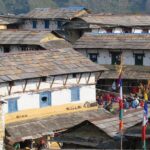
Ghandruk is the kind of stop trekkers remember: a lively village atmosphere, strong cultural character, and a sense that you’ve arrived somewhere real instead of only crossing through terrain. It’s also a great place for a reset night so you can handle the final return.
A note on weather in the higher forest zone
The trek includes time in alpine forest areas, and the region can bring wet conditions. Plan for damp trails and misty air at higher elevations. Even if the weather is mixed, that forest-to-village contrast remains part of the magic.
Ghandruk to Nayapul and back to Pokhara: finishing the circuit feeling good
On day seven, you go from Ghandruk down toward Nayapul (about 4 hours of trekking), then drive back to Pokhara for around 1.5 hours.
That short final hike is a relief. You’re still getting movement, but it’s not another long full-day grind. It also sets you up for a comfortable finish: dinner, rest, and no need to immediately jump into another trekking day.
Pokhara is where the whole experience becomes easier to process. After days of trails and lodge dinners, the city meal and a warm shower feel like part of the reward.
The Kathmandu return and your wrap-up day
After Pokhara, you drive back to Kathmandu (about 7 hours). Then your last full day includes a farewell and flying home.
This structure is a practical choice. If you end the trek and then immediately go straight to an airport with no buffer, you often feel wrecked. Here, the sequence gives you time to recover and close the trip with a proper ending.
Also included: a special cultural show and a farewell dinner. Even if you’re tired, these moments help you round out the experience beyond hiking alone.
Price and value: what you really get for about $580
At $580 per person (for this style of 7–12 day private program), the key question is what’s bundled so you don’t spend time and energy managing details.
Here’s what’s included that matters on a trekking trip:
- Transport: airport pick-up and departure, Kathmandu↔Pokhara transfers, plus the rides during the trekking days
- Accommodation: three-star city hotels in twin sharing with breakfast, and trekking lodge stays during the hike
- Food during the trek: breakfast, lunch, and dinner, plus tea/coffee
- Permits and administration: trekking permit and TIMS card
- People support: guide salary, meals, accommodation, and insurance
- Porter help: a Sherpa porter arrangement based on group size (one porter for two guests)
- Extra touches: first aid medicine item, a T-shirt, and a trip achievement certificate
- A cultural show and farewell dinner
The value logic is simple: you pay for coordination. That’s what you want to buy when your focus should be the trail, not organizing permits, lodging, and food on the fly.
What’s not included is also straightforward: international airfare, travel insurance, tips, bar bills or personal expenses, and extra meals in Kathmandu. If you already plan your flights and insurance, the package feels much cleaner. If you haven’t, factor that in so you’re not surprised.
Your guide and porter setup: where comfort meets safety
A big reason this trek works for many people is that you’re not doing everything yourself.
You get a guide with salary support and insurance, plus accommodation and meals for the guide. That reduces friction, and it usually means faster problem-solving if trail conditions or timing change.
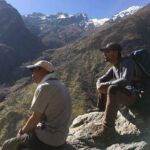
Then there’s porter support. Trekking with a heavy pack is one of the easiest ways to kill your enjoyment. With the porter arrangement (one Sherpa porter for two guests), you keep your hiking comfortable and your energy available for the views.
One more detail I value here: the program can be flexible and adjustable to your wishes. That’s important on a trek where everyone’s pace, weather tolerance, and energy levels differ.
What you can expect each day, without the guesswork
This trek is built around clear daily blocks, with hiking days separated by travel and lodge nights.
- Day 1: arrive Kathmandu, pick-up, hotel check-in
- Day 2: Kathmandu Valley sightseeing to get acclimated and oriented
- Day 3: Kathmandu to Pokhara by bus or short flight, then settle in
- Day 4: car transfer toward the trail start area
- Day 5: Tikhedhunga to Ghorepani (~6 hours), climbing into higher forest and viewpoints
- Day 6: Ghorepani to Ghandruk (~7 hours), village arrival and culture contrast
- Day 7: Ghandruk to Nayapul (~4 hours), drive back to Pokhara
- Day 8: drive back to Kathmandu
- Day 9: farewell and fly home
Even if you don’t love strict schedules, this structure helps you plan your energy. You’ll know when the longer walking days are coming and when you get a quieter day.
Packing and fitness: what to plan for, given the elevations
You only need moderate physical fitness, but you do need consistency. This is not a “walk on flat ground” trek. You’ll handle uphill and downhill throughout, with altitude rising to the Poon Hill area near 3,210 m.
Also, the hike moves through different zones: subtropical warmth at lower elevations, then colder alpine forest sections. That means your clothing strategy should cover layers—warm top, rain protection, and good hiking socks.
Gear note: if you need a sleeping bag or down-jacket, that can be provided as part of the program. That can be a big deal if you don’t want to buy gear for one trip.
Practical tip: start hydrating early. Higher areas can make you feel off even when the trek is short. A steady pace and frequent breaks go a long way.
What the sunrise and mountain views actually deliver
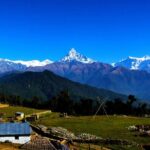
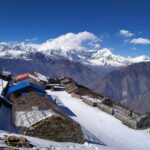
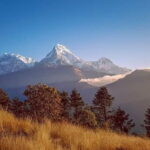
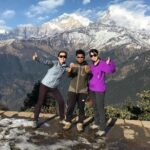
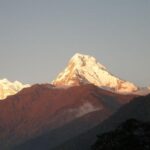
You’re hiking in a region where multiple major ranges are visible from Poon Hill—especially the Dhaulagiri, Annapurna, and Manaslu ranges. That’s a huge selling point for a short trek: one sunrise viewpoint can deliver a multi-range view.
You also get famous nearby peaks in the bigger panorama. The trek is widely appreciated for seeing highlights like Fishtail alongside the broader Annapurna views.
The experience isn’t only about one moment, though. It’s the way you move through forest and villages on the way to that morning payoff. The hike itself builds anticipation.
So if sunrise is your priority, arrive early, keep your routine simple, and don’t overthink it. The best results come from showing up rested enough to enjoy the early morning.
Should you book the Ghorepani Poon Hill Trek?
I think this trek is a strong yes if you want:
- a short Annapurna-region trek with big morning views
- a route that mixes forest, waterfalls, and village culture
- a package that handles transport, lodging, permits, and meal planning
- a guide who can work with your preferences on pace and daily timing
I’d think twice if you:
- get bothered by early mornings (sunrise means waking up before dawn)
- are sensitive to moderate altitude effects, even if this route stays in the lower-elevation category
- want total control over every detail (this is a guided, bundled program)
If you want a well-organized intro to Nepal trekking that still feels authentic on the trail, this is one of the cleanest ways to do it.
FAQ
Where does the Ghorepani Poon Hill Trek start?
The meeting point is in Pokhara, Nepal.
How long is the trek?
It runs approximately 7 to 12 days.
How much does it cost?
The price is $580.00 per person.
What’s included in the trek price?
Included are airport pick-up and departure, transportation, city hotels (three-star, twin sharing, breakfast), trekking lodge stays, full trekking meals (breakfast/lunch/dinner with tea/coffee), guide support, porter support, permits (trekking permit and TIMS card), and some extra items like a T-shirt and trip achievement certificate. A cultural show and farewell dinner are also included.
Are international flights included?
No. International airfare is not included.
Do you provide trekking permits?
Yes. The trekking permit and TIMS card are included.
Are meals included?
Yes, during the trekking days you get breakfast, lunch, and dinner with tea/coffee. Extra meals in Kathmandu are not included.
Is travel insurance included?
No. Travel insurance is not included.
Can I cancel and get a full refund?
Yes, you can cancel up to 24 hours in advance for a full refund.
What kind of fitness level do you need?
The program is described as suitable for travelers with moderate physical fitness.