REVIEW · KATHMANDU
7 Days Langtang Valley Trek from Kathmandu
Book on Viator →Operated by Nomad Mountain Club - NMC · Bookable on Viator
This trek works because the hard part is the trail, not the commute. From Kathmandu you get a smooth, early start and then step into Langtang National Park with real walking time built in.
I especially like the mix of Tamang and Tibetan-influenced villages with monastery visits, so it’s not just scenery chasing. The other big win for me is the star turn at Kyanjin Gompa and the glacier-and-peak views around it.
One possible drawback: it’s a mountain itinerary, so even with moderate pacing, you need to be ready for long days and altitude effects as you go higher.
Key trekking highlights I’d circle
- 6:30 am Kathmandu pickup to save you from a slow start
- Guest-house nights during the trek for a real, simple rhythm
- Kyanjin Gompa with yak pastures and prayer-flag energy
- Sunrise at Kyanji view point (4,800/16,404ft) for early-morning payoff
- Permits handled: Langtang National Park/Conservation Area + TIMS included
- Guides get praised by name (like Biru and Amrit) for safety and support
In This Review
- Why Langtang Feels Close Enough to Actually Enjoy
- Price and Value: What $410 Really Covers
- Nomad Mountain Club and the Guide Factor (Biru and Amrit Are Good Signals)
- Day 1 in the Van to Shyabrubesi: Green Hills, Early Pickups, Then Sleep
- Day 2: Lama Hotel and the Langtang Khola Walk
- Day 3: Into the Langtang Valley Route With Bigger Views
- Day 4: Kyanjin Gompa—Yak Pastures and the Highest Cultural Moment
- Day 5: Kyanji Viewpoint Sunrise at 4,800/16,404ft, Then Down to Lama Hotel
- Day 6: Syabrubensi Finish—Down the Trail Through Lush Vegetation
- Day 7 Back to Kathmandu and Your Real Rest Day
- What to Expect From the Trek Level and Altitude
- Accommodation, Food, and the Reality of Guest Houses
- Should You Book This Langtang Valley Trek?
- FAQ
- What time does the tour pickup start in Kathmandu?
- How long is the Langtang Valley trek?
- Where does the trekking start?
- Does the price include permits for Langtang National Park?
- Is hotel pickup and drop-off included?
- Who guides the trek?
- Is accommodation included during the trek?
- How much trekking time is on Day 2?
- Is this tour private?
- Is free cancellation available?
Why Langtang Feels Close Enough to Actually Enjoy
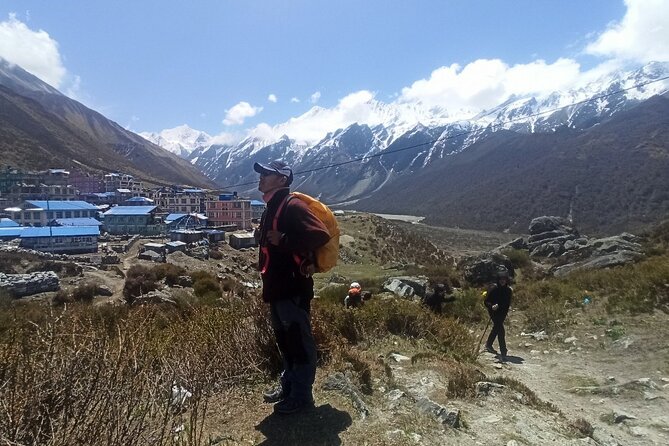
Most Nepal treks start with hours—sometimes a full day—just getting to the trailhead. Langtang flips that. You still travel from Kathmandu, but the plan is built so you spend more time on the path and less time stuck on the road. That matters, because trekking feels better when you’re not arriving exhausted.
You also get a trek that blends culture and hiking. You’re walking through villages with Tamang roots and Tibetan influences, plus you’ll see chortens along the way. It’s not just a nature route. It’s a route through lived-in communities, where monasteries like Kyanjin Gompa aren’t a side stop—they’re a highlight.
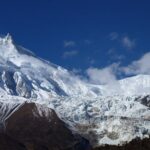
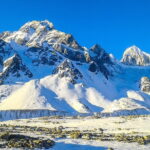
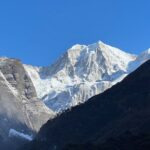
The payoff is the mountain drama too. You’ll be looking up at major peaks such as Langtang Lirung, Dorje Lakpa, and Yala Peak, plus glaciers, waterfalls, and high alpine terrain as the trail lifts.
Price and Value: What $410 Really Covers
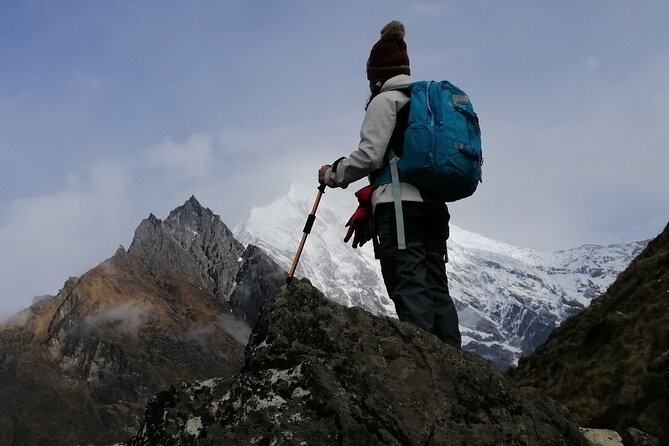
At $410 per person for about 7 days, the value comes from what’s included for you, not just the “price tag.”
Here’s what you’re getting that normally costs extra when you plan on your own:
- Professional English-speaking guide (plus a first-aid kit carried by the guide)
- Accommodation in guest houses during the trek
- Transportation by sharing bus to and from the starting point
- Hotel pickup and drop-off
- Permits included: Langtang National Park / Conservation Area Permit + TIMS card
There’s also a small practical detail I like: the listing notes a mobile ticket, which can reduce last-minute chaos. And it’s set up for a private tour/activity for your group, even though the features also mention group discounts depending on how you book.
So if you want a guided trek where the paperwork and logistics are handled, this price can look fair. If you’re trying to do everything solo and buy fewer services, it might feel pricier—but you’d likely spend time (and money) recreating what the guide and permits already cover.
You can also read our reviews of more tours and experiences in Kathmandu.
Nomad Mountain Club and the Guide Factor (Biru and Amrit Are Good Signals)
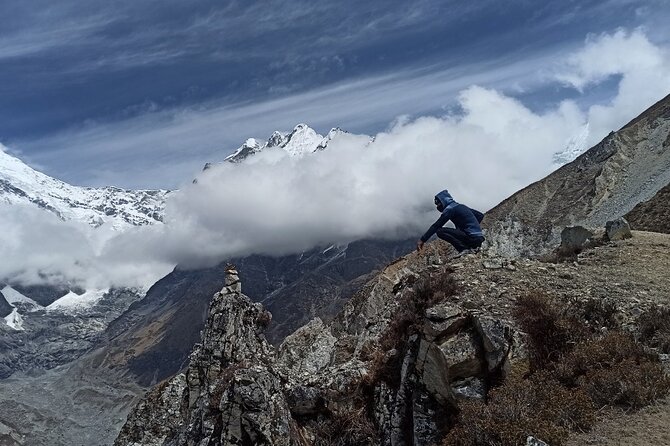
On a trek like this, the guide isn’t just “someone who knows the route.” The guide is your pacing partner, your safety check, and your translator for what you’re seeing.
In the feedback for this experience, people have specifically praised guides such as Biru for deep local knowledge, warm support, and keeping the journey smooth. Another name that comes up is Amrit, praised for being knowledgeable and kind, with a strong focus on safety and comfort.
Even without worrying about who you get, this itinerary’s structure suggests you’ll have a real guide role:
- early starts and drive timing are managed,
- trekking days are planned with set hours,
- and you have a first-aid kit carried by the guide.
In the Langtang region, weather can turn fast and trails can feel deceptively steep. A good guide helps you read those conditions without panicking.
Day 1 in the Van to Shyabrubesi: Green Hills, Early Pickups, Then Sleep
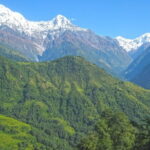
You start at 6:30 am with pickup from your Kathmandu hotel. The day begins with a drive through lush green forest and meandering roads across the hills. It’s one of those travel days where you’re not yet “trekking,” but you’re already getting the feel of the region.
By the time you reach the area for the first overnight base—your itinerary points to Hotel Garden inn Shyru Bensi / Shyabrubesi—your goal is simple: eat, settle in, and let your legs rest before the first real walk.
Why this day matters: an early pickup gives you a better chance to start the trek refreshed. And because you’re going by sharing bus, you’re not juggling multiple vehicles or complicated transfers.
Day 2: Lama Hotel and the Langtang Khola Walk
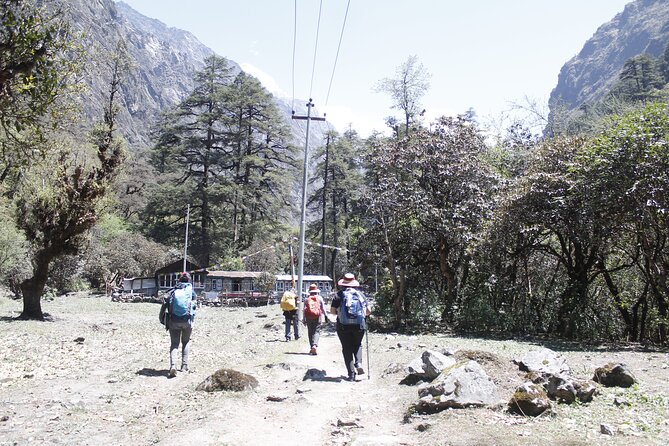
Day 2 is your first trekking day. You follow the Langtang Khola (river), and the route goes through thick woodlands. Expect suspension bridges and tea-house stops along the way.
The itinerary notes something important: the trail can look steep, but it isn’t overly testing. That’s the kind of information that can change your mindset. You’ll still work hard—this is trekking—but you’re unlikely to have that brutal, knee-battering start that ruins the next few days.
This day also sets the tone for the trek: you’ll be moving through forest and crossing streams rather than walking only on open ridges. That’s easier to enjoy in bad weather too, because you’re not always exposed.
Practical note: plan for muddy patches and take your time on bridge crossings. The guide can help you pace your footing without rushing.
Day 3: Into the Langtang Valley Route With Bigger Views
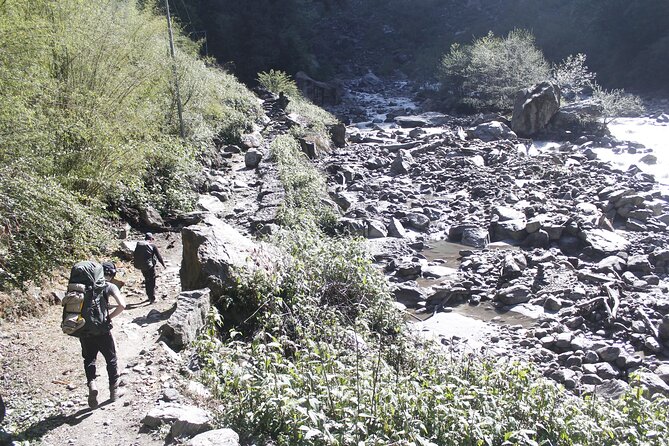
Day 3 continues through thick woods and keeps the Langtang-Lirung views in your line of sight. This is another around 6 hours trekking day, which means you can settle into rhythm: walk, rest, drink something, and keep your energy steady.
You’ll pass “water factories” (a term used locally for water-related setups), and you’ll see chortens and hills that feel layered with meaning. These small elements matter because they turn the walk into something you notice, not just something you count down.
If you’re the type who likes photos, this is a good day for it—but don’t treat it like a photo sprint. The real beauty is how the view expands as you gain ground. A slow pause every so often will beat constant stopping.
Day 4: Kyanjin Gompa—Yak Pastures and the Highest Cultural Moment
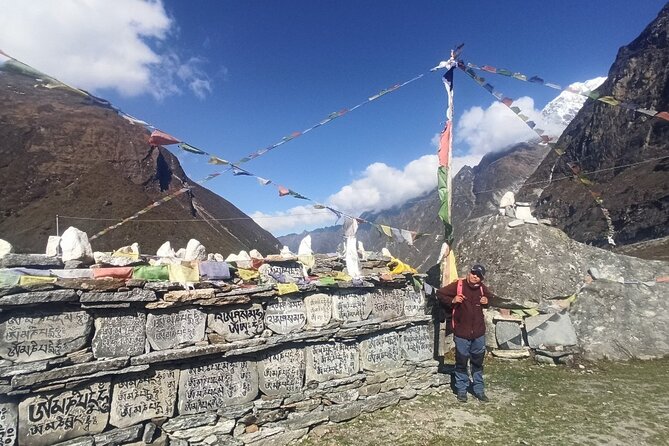
Day 4 brings the standout monastery day: Kyanjin Gompa. You leave the town and head through yak pastures, which gives the area a distinctly alpine feel. You’ll also cross the biggest Mani divider in Nepal and some wooden scaffolds as you move higher.
The itinerary hints that you’ll start noticing high elevation around this point. That’s normal on Langtang—you don’t just “go up,” you start feeling it in your breathing and sleep.
This is also a day that rewards respectful attention. Gompas aren’t an empty viewpoint. Prayer flags, stone carvings, and the way locals move through the space all give you context for why this place matters.
Trekking time is listed at about 5 hours, but the mental focus is the main task: stay steady, sip water, and don’t chase speed.
Day 5: Kyanji Viewpoint Sunrise at 4,800/16,404ft, Then Down to Lama Hotel
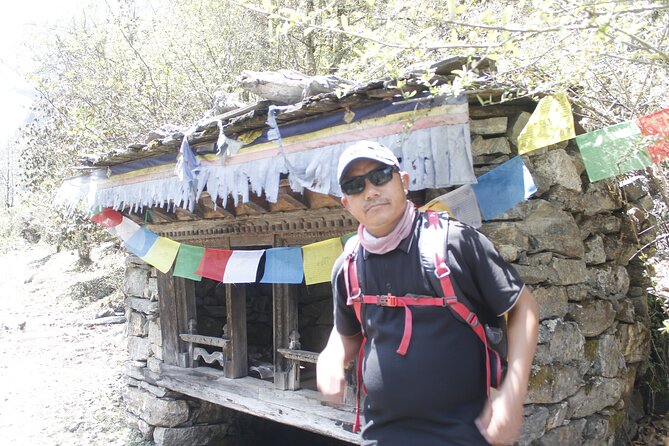
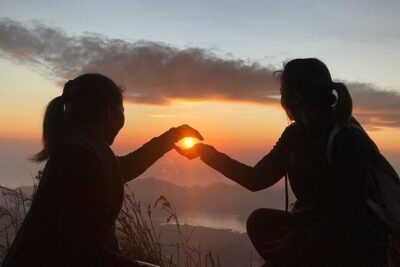
Day 5 starts early with a visit to Kyanji view point (4,800/16,404ft) for sunrise. It’s the classic payoff moment: cold air, early light, and big peaks coming into focus.
After breakfast, the plan is to continue back toward Lama Hotel. The itinerary describes it as downhill, about 4/5 hours of strolling from Kanjin Gompa to Lama Hotel. If you’ve been working uphill for a few days, this feels like a relief—still active, but easier on breathing and usually gentler on your mind.
Downhill is not automatically easy on your body, though. Your quads will still work. Start each downhill segment with controlled steps and short strides, not long ones.
Day 6: Syabrubensi Finish—Down the Trail Through Lush Vegetation
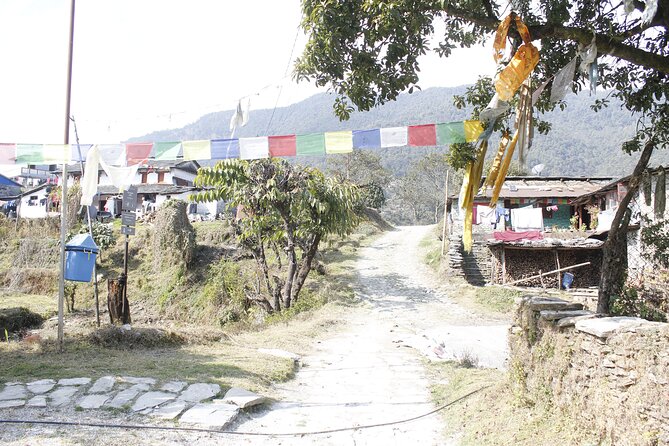
Day 6 is a trek down to Syabrubensi, listed at about 5 hours. You’ll walk through lush green vegetation and then arrive for lunch. The itinerary also notes that you may have spare time on arrival, which gives you room to recover and not just rush into the next bus moment.
This is a good day for practical recovery:
- treat your feet gently,
- stretch when you stop,
- and keep hydration consistent.
Because the next day is mostly transit and rest, the goal here is to arrive feeling human, not drained.
Day 7 Back to Kathmandu and Your Real Rest Day
On Day 7 you return to Kathmandu, with a drive and then a transfer to your hotel—plus a day at your leisure. The itinerary specifically points to spending the time enjoying the rest you’ve earned.
This is where Langtang trips shine: you don’t just “finish at the endpoint.” You get a real buffer day to shower, eat a proper meal, and sleep without alarms. If you’re staying in Thamel, you’ll likely have plenty of easy options nearby.
It also helps to mentally organize your photos and souvenirs. Trek memory is vivid while it’s fresh.
What to Expect From the Trek Level and Altitude
The experience is aimed at travelers with moderate physical fitness. That doesn’t mean it’s easy. It means the plan is designed so your day-to-day effort is manageable if you pace yourself and don’t treat every hour like a sprint.
Elevation matters here, too. The itinerary doesn’t give a full altitude chart, but it does call out that you may begin to feel high elevation on the way to Kyanjin Gompa, and it includes that specific high viewpoint number for sunrise.
Your best strategy is simple:
- Keep a steady pace early in each day.
- Use the guide’s rhythm for stops (don’t decide your own schedule if you’re unsure).
- Focus on breathing and hydration rather than speed.
If you have any prior altitude issues, it’s worth discussing with your doctor before any trek in Nepal, especially when routes climb into high alpine zones.
Accommodation, Food, and the Reality of Guest Houses
The trek uses guest houses for accommodation. Based on the feedback, the experience is generally positive, but accommodation and food can be average. That’s not a dealbreaker if you go in with the right expectations.
Here’s how to make that work for you:
- Treat guest-house nights as part of the trek vibe, not a hotel upgrade.
- Bring snacks you actually like for energy between meals.
- Expect warmth and basic comfort more than luxury.
What usually keeps people happy is that the trail and views do the heavy lifting—and the guide helps you feel safe while conditions are changing.
Should You Book This Langtang Valley Trek?
You should strongly consider booking if you want:
- a Kathmandu-to-trail plan that reduces long travel stress,
- a guided trek with permits and logistics covered,
- and a route that combines mountain views with culturally meaningful stops like Kyanjin Gompa.
You might skip or switch to a different format if:
- you’re not comfortable with early starts and multi-hour walking days,
- you expect consistently great meals and higher-end lodging every night.
If you want a practical, well-structured Langtang experience where the focus stays on the trek—and where a good guide makes the difference—this is a solid choice.
FAQ
What time does the tour pickup start in Kathmandu?
Pickup is scheduled for 6:30 am. The representative comes to your hotel to receive you before starting the trip.
How long is the Langtang Valley trek?
The trek is listed as 7 days (approx.).
Where does the trekking start?
The itinerary indicates driving from Kathmandu and an overnight base at Hotel Garden inn Shyru Bensi / Shyabrubesi, with the trekking beginning on the following day.
Does the price include permits for Langtang National Park?
Yes. The Langtang National Park / Conservation Area Permit and TIMS Card are included.
Is hotel pickup and drop-off included?
Yes. Hotel pickup and drop-off are included.
Who guides the trek?
A professional English-speaking guide is included, and the guide carries a first aid kit.
Is accommodation included during the trek?
Yes. Accommodation during the trek is provided in guest houses.
How much trekking time is on Day 2?
Day 2 is listed at about 6 hours of trekking.
Is this tour private?
Yes. The tour/activity is described as private, meaning only your group participates.
Is free cancellation available?
Yes. You can cancel for a full refund up to 24 hours in advance of the experience start time. If you cancel within 24 hours, the amount is not refunded.