REVIEW · KANDE
Pkr. Backpacker Group Dep.: 4 Day Mardi Himal Base Camp Trek
Book on GetYourGuide →Operated by CAN Travels · Bookable on GetYourGuide
Mardi Himal delivers big mountain drama fast. In four days, you climb from Pokhara’s low hills up into Annapurna Range country for famous sunrise and sunset views, and you get a quieter route with dense rhododendron forests. My favorite part is the way the trek feels short but full—especially the morning push to Mardi Himal Base Camp—and I also like the practical logistics (transfers, permits, guide, guest houses) that keep you focused on the trail. One thing to plan for: the long day at altitude on Day 3 is no joke, and cold weather can hit even outside the winter months.
This trek is a good fit if you want a Himalayan taste without committing to a longer trek. You’ll still earn your views—there’s real uphill work, tea-house stops, and a high walk back down. And if you’re sensitive to “safety reminders” from guides, bring up your preferred pace early.
In This Review
- Quick hits before you go
- Why Mardi Himal fits a 4-day Nepal plan
- The altitude game: Forest Camp to High Camp to 4,500m
- Day-by-day route: what you’ll see, walk, and sleep
- Day 1: Pokhara to Kande, then Forest Camp (2,550m)
- Day 2: Forest Camp to High Camp (3,550m)
- Day 3: Base Camp sunrise push and back to Low Camp
- Day 4: Low Camp to Siding, then back to Pokhara
- Sunrise, sunset, and the real payoff at Mardi Viewpoint
- Gurung culture, tea houses, and why the quieter route feels different
- Guide style and group size: what to expect from Biru-led pacing
- Price and logistics: does $181 make sense?
- What to pack (and what to buy) for cold, thin-air days
- The smart decision: who should book this trek
- Should you book the 4-day Mardi Himal Base Camp Trek?
- FAQ
- What is the highest altitude on this trek?
- How long is the trek?
- What is included in the price?
- What is not included?
- What time of year is best?
- What do I need to bring and what is not allowed?
Quick hits before you go
- Short, rewarding itinerary: four days total, with a highest point around 4,500m.
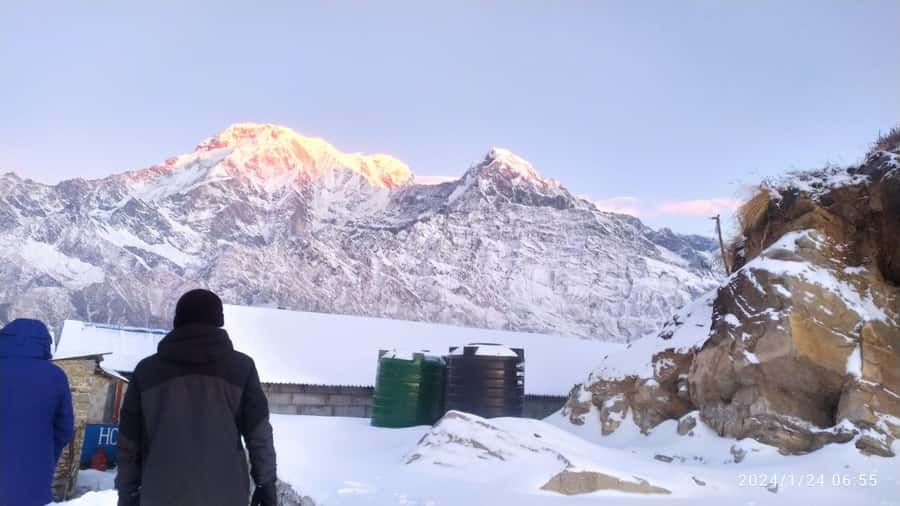
- Mardi View sunrise payoff: an early climb for panoramic morning light over Annapurna peaks.
- Less-crowded feel: a quieter route than the big-name trails in the Annapurna region.
- Forest-to-meadow trekking: dense rhododendron forests up to higher alpine views.
- Culture along the way: chances to pass through local Gurung communities and village life.
- Helpful guide, real flexibility: you’ll have a license-holder English-speaking guide who helps manage pace and overnight choices (based on past experiences with Biru).
Why Mardi Himal fits a 4-day Nepal plan
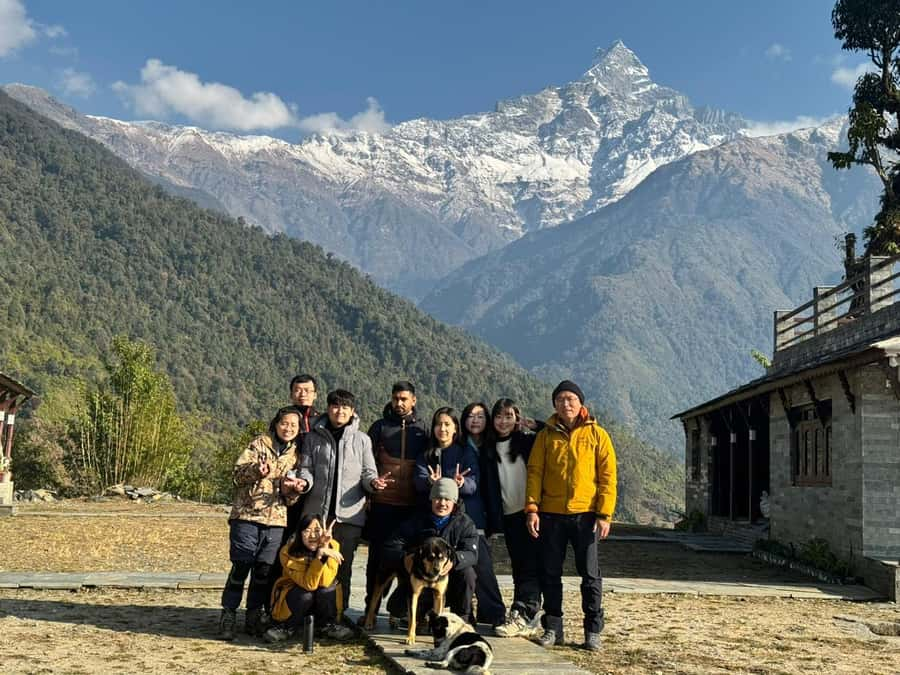
Mardi Himal Base Camp is the kind of trek that makes sense when you have limited time in Nepal. You don’t spend a week loading up your mornings with paperwork and long travel days—you start hiking quickly, and you get the mountain reward without dragging it out.
What makes it especially appealing is the combo of altitude and timing. You reach the real high-country feel by Day 2 and Day 3, and the route is designed around views—so you’re not hiking just to hike. The lower crowds on this route also mean the trail can feel more personal, like you’re sharing the mountains with fewer people.
The main consideration is that four days still includes altitude work. Even though this trek is “short,” it climbs to serious elevation, so you need to move smart, drink water, and respect rest stops.
You can also read our reviews of more tours and experiences in Kande.
The altitude game: Forest Camp to High Camp to 4,500m
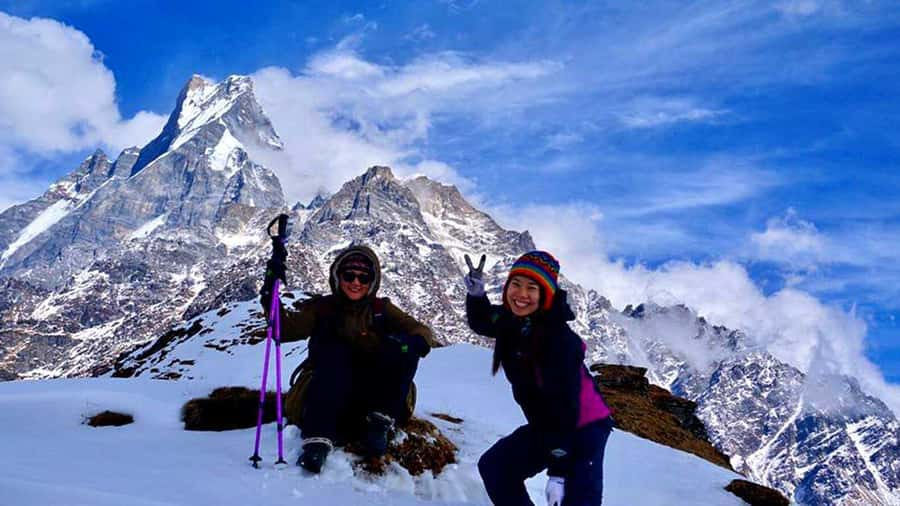
Altitude is where this trek tells you how serious it is, even if it’s not the longest trek in the region. Day 1 gets you to Forest Camp (2,550m), which helps your body start adjusting before the big push. Day 2 tops out at High Camp (3,550m), where the trees thin and the mountain views start getting wider.
Day 3 is the day you feel most clearly at altitude. You head up toward Mardi Himal Base Camp at about 4,500m, then you turn around and descend back to Low Camp for the night. That means you’re doing a long round trip (listed as 7–8 hours for the day), and you’ll want to start early enough to enjoy the mountain light without rushing your breathing.
Practical advice: keep your pace steady, and don’t chase other hikers’ steps. If your guide has a cautious style, listen to the reason behind it—most of the time, it’s about preventing you from going too fast too soon.
Day-by-day route: what you’ll see, walk, and sleep
Day 1: Pokhara to Kande, then Forest Camp (2,550m)
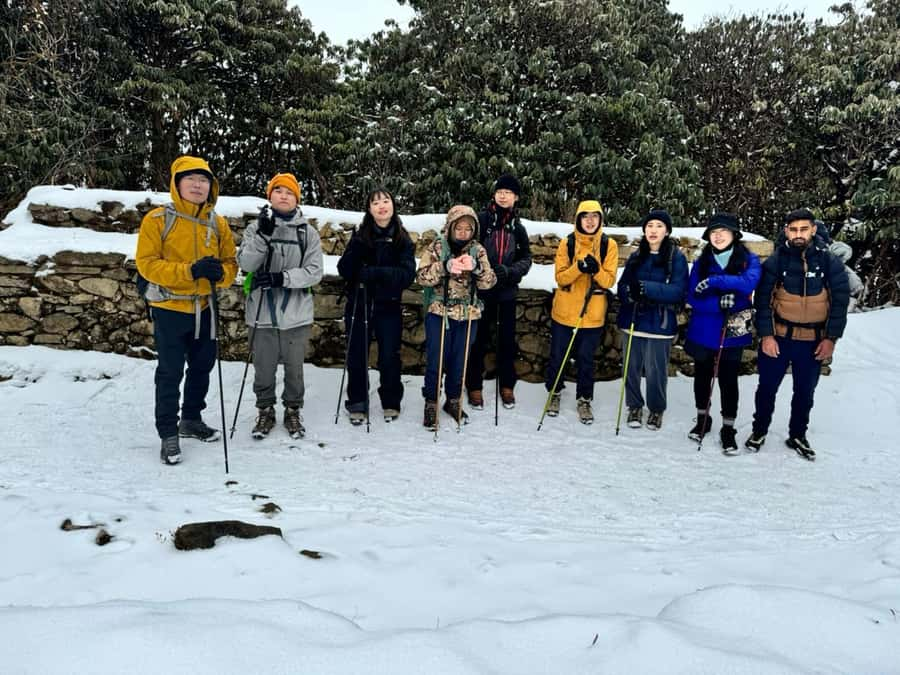
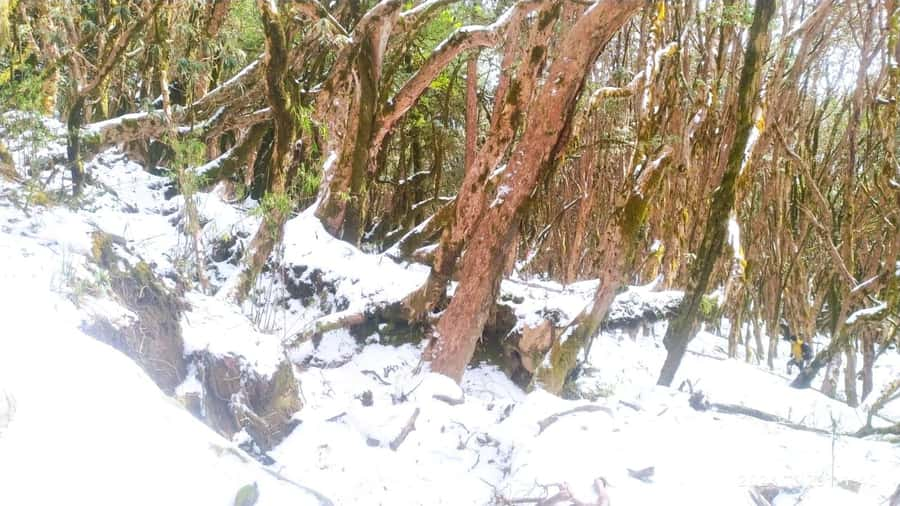
You start with a scenic 1.5-hour drive from Pokhara to Kande, then begin trekking around 5–6 hours. The trail heads through dense rhododendron forests, which is one of the trekking pleasures here because it’s shaded, alive, and cooler than open slopes.
Along the way, you’ll pass Australian Camp and Pothana. Lunch is typically at Australian Camp, where the views of Annapurna and Machhapuchhre can be a real reward after the first steady climb. Then you continue to Forest Camp for the night in a tea house.
Why this day matters: it sets the rhythm. You’re not thrown straight into thin air—yet you’re already walking long enough to feel you earned the first high viewpoint.
Day 2: Forest Camp to High Camp (3,550m)
On Day 2 you trek another 5–6 hours to reach High Camp (3,550m). The route climbs from the forest zone toward the point where the tree line starts to fade, and that’s when the scenery opens up fast.
You stop at Low Camp first, then continue to High Camp. The big payoff here is close-up perspective on major peaks—Machhapuchhre often looks striking from this section, and you’ll start to see Mardi Himal more clearly as you go higher.
Overnight stays are in tea houses. Expect tourist-standard rooms, not luxury, but generally warm enough if you pack correctly.
Why this day matters: it’s your altitude buffer. You’re not at 4,500m yet, but your body learns what 3,000m+ feels like, and you’ll sleep better for the big Day 3 effort.
Day 3: Base Camp sunrise push and back to Low Camp
This is your main event. The plan is to start early so you can do an epic sunrise trek up to Mardi Himal Base Camp (around 4,500m), then head back down to Low Camp for the night.
The time on paper is 7–8 hours round trip, so go into this day with a clear mindset: slow is fast at altitude. The views are the reason you’re doing it—panoramas that include Annapurna South, Hiunchuli, and Machhapuchhre, plus the direct sense of being in the shadow of Mardi Himal itself.
On the way up and especially near the camp, plan on stairs and steep sections. One past trek experience singled out the sheer number of stairs to a viewpoint near the route as the trade-off for incredible morning views—so mentally file this day under earned effort.
Why this day matters: the sunrise isn’t just a photo moment. Morning light also makes the terrain easier to read, which helps with pacing and safe footing.
Day 4: Low Camp to Siding, then back to Pokhara
Your last day is shorter trekking—3–4 hours down to Siding Village—followed by a 2.5–3 hour drive back to Pokhara by jeep. The descent through villages is a nice way to end: you get more human-scale scenery and a calmer pace after the high-country exertion.
Once you reach Siding, the jeep transfer does the work of getting you back down without making you spend the last day walking forever.
Why this day matters: you leave the mountains feeling like you did the trek, not like you survived it.
Sunrise, sunset, and the real payoff at Mardi Viewpoint
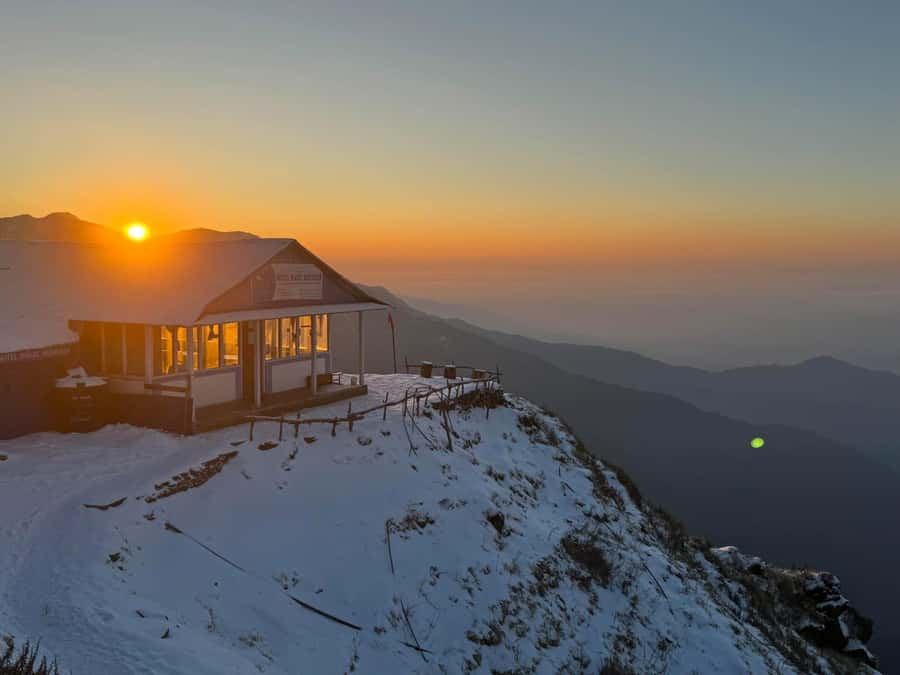
This trek is built around timing. You’re not only getting views—you’re getting them when light is changing the whole scene. Sunrise from the base area is a highlight because you can catch Annapurna peaks in crisp morning color, when shadows are sharp and the air often feels clearer.
There’s also a viewpoint moment along the climb that can involve stairs and close-up effort. In one example guided by Birendra (Biru), the viewpoint experience was described as incredible, with the stairs being the price you pay for that view. That’s a good lesson to take with you: when a route has stairs, it’s usually because the trail is buying you angle and perspective.
Sunset can also be part of the experience depending on how your pace and timing line up day-to-day. Either way, plan for cool temperatures on exposed sections. If you dress in layers, you’ll enjoy the views more because you won’t feel stuck shivering through them.
Gurung culture, tea houses, and why the quieter route feels different
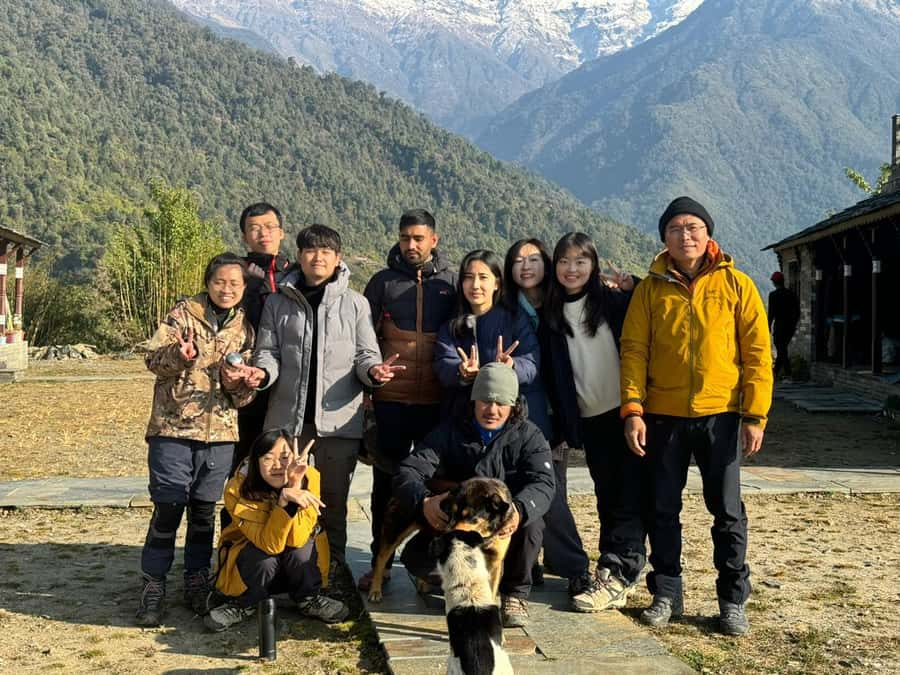
One of the underrated strengths of Mardi Himal is that it doesn’t feel like a conveyor belt. The route is described as lesser-known, which often translates to a calmer vibe on the trail—fewer people, more time to hear the forest, and an easier rhythm with your guide.
The trek also offers chances to connect with Gurung culture. Even when you’re just passing through villages, you’re walking among daily life instead of only scenic stops. You’ll see terraced fields and village-scale routines, and you’ll likely spend time in tea houses where meals are simple, warm, and exactly what your body wants after a climb.
And yes, tea house stays are part of the deal. The trip includes accommodation in tourist-standard guest houses during the trek, so you’re not looking for modern hotel comforts up high. Instead, you’re looking for clean enough basics, a warm drink when you need it, and a bed that helps you recover for the next day.
Guide style and group size: what to expect from Biru-led pacing
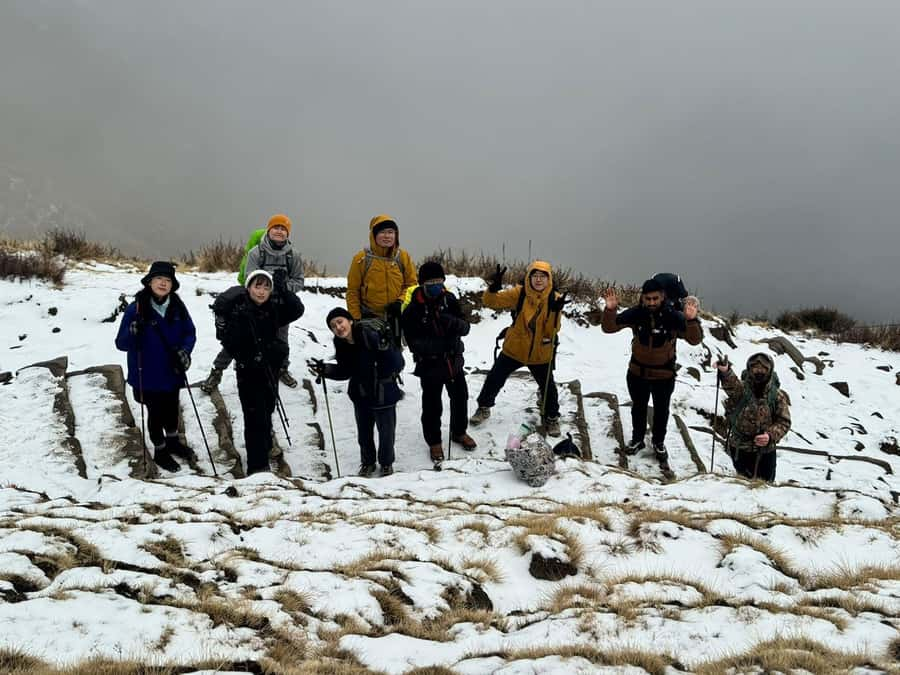
Your guide makes the trek smoother. The trek is led by an experienced, friendly, license-holder English-speaking trekking guide, and that matters because they handle the details you don’t want to manage at altitude—permits, route flow, and day-by-day decisions.
One standout detail from an earlier experience is that the guide Birendra, also called Biru, was flexible with pace even when hikers didn’t move at the same speed. He also cared about overnight comfort, making sure accommodation worked well for the group at the end of each day. That kind of guidance is useful on a short trek, where each day feels “compressed.”
Here’s the balanced note: some guides are extra safety-forward with frequent reminders to slow down, especially when they sense altitude stress. If that kind of coaching annoys you, tell your guide early. You want guidance, not a broken record.
Group size can also change based on sign-ups. In one past scenario, the trek ended up effectively small because others didn’t join on those dates. If you prefer a bigger group for social energy, aim for busier travel periods. If you like a more personal feel, that small-group possibility can be a perk.
Price and logistics: does $181 make sense?
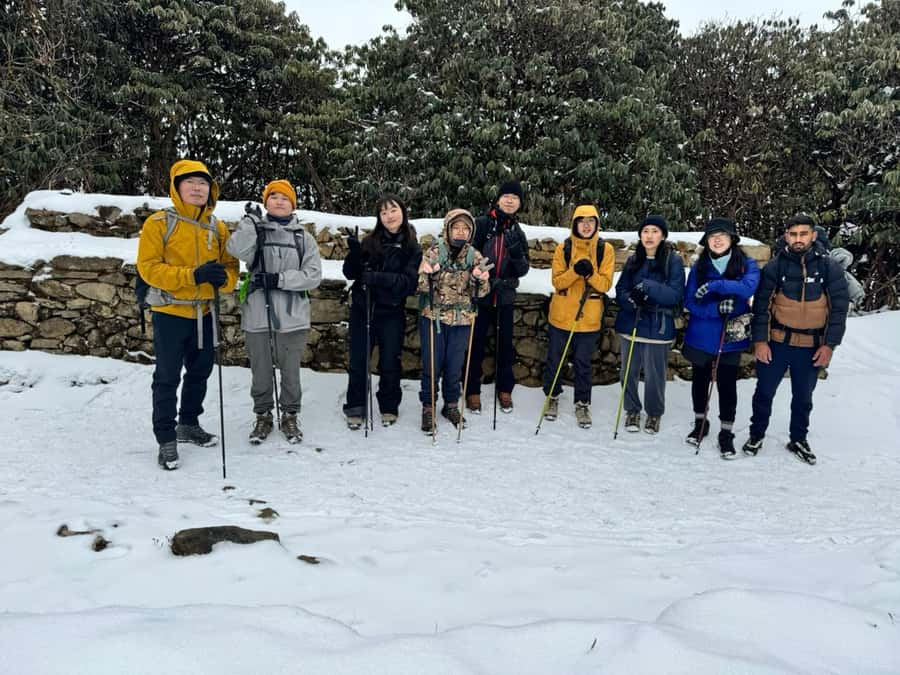
At $181 per person, this trek can feel like a fair deal, mainly because a lot of the heavy lifting is included. Your package includes pickup and drop-off, a trekking guide, trekking permit and documents, transfers (private vehicle to Kande and a jeep back from Siding), and tourist-standard guest house accommodation during the trek.
It also includes guide expenses, an emergency normal first aid kit with the guide, and even a trekking pole. That last part is handy because it reduces what you have to bring or buy on your own.
What’s not included is also important. Food and drinks are on purchase, and emergency rescue is not included (you’ll want travel insurance that covers trekking). Personal expenses are also extra. If you decide you need extra help carrying gear, there’s an optional porter at $25 per day.
My value take: you’re paying for structure. If you’re the type who likes knowing transfers and permits are handled, the price feels reasonable. If you’re trying to do it fully on your own, you might lower costs—but you’ll trade away a lot of convenience at a higher stress level.
What to pack (and what to buy) for cold, thin-air days
Bring the basics, but bring them for mountain weather, not for Pokhara comfort. The trek’s own packing list is simple and practical:
- Comfortable shoes with solid grip
- Warm clothing for high-altitude cold
- Comfortable everyday clothes for tea house days
- Cash for purchases on the trail
- Reusable water bottle
- Passport (copy accepted), plus a passport-sized photo
Because you’re trekking at altitude, layers are your friend. Even when afternoons are mild, mornings and high-exposure moments can feel sharp fast. If you dress in layers, you can adjust without overheating once you start moving.
Also note the non-negotiables: pets aren’t allowed. And this trek isn’t suitable for pregnant women, people with back problems, or wheelchair users. That’s not just a paperwork issue—the terrain and altitude work are the real limitations.
The smart decision: who should book this trek
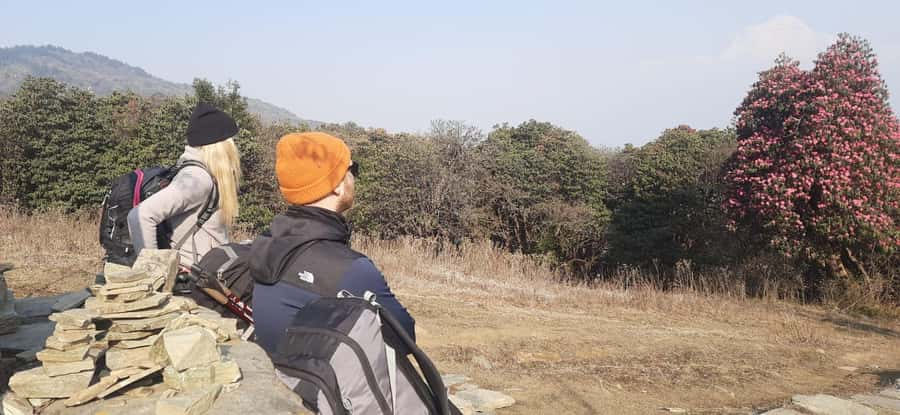
Book this trek if you want a real Himalayan experience without a long time commitment. It’s especially well suited to people who can hike 5–6 hours comfortably and handle a longer Day 3 round trip. It also fits hikers who enjoy forests, village walking, and sunrise views more than they care about fancy accommodation.
Consider skipping or choosing another option if altitude is a major concern for you or if you have a back issue that could flare with uneven steps and stair-like sections. If you’re unsure, talk to a medical professional before you go—altitude is not something to guess at.
If you’re traveling with flexibility, you’ll also appreciate the small-group possibility. If your dates don’t fill up, you might hike with just your guide, which can mean a more personal pace (but you may also get extra safety reminders).
Should you book the 4-day Mardi Himal Base Camp Trek?
I’d book it if your goal is a short trek with a strong views-to-effort ratio and you’re comfortable walking at altitude for a few days. The included structure—guide, permits, transfers, and guest house stays—makes it easier to enjoy the mountain instead of managing logistics.
Skip it if you want a fully relaxed, low-walking trip, or if your health limits you from high elevation and steep stairs. Also, be honest with yourself about the Day 3 time and the cold early start.
If you do go, go with a simple plan: slow steady pace, warm layers, and a willingness to spend mornings in the cold for those mountain colors.
FAQ
What is the highest altitude on this trek?
The trek reaches about 4,500 meters at Mardi Himal Base Camp.
How long is the trek?
It’s a 4-day trek, starting with a drive from Pokhara and ending with a jeep ride back to Pokhara after descending to Siding Village.
What is included in the price?
Included items are hotel pick up and drop off, an English-speaking licensed trekking guide, trekking permit and official documents, private vehicle transfer to Kande, jeep transfer from Siding to Pokhara, tourist-standard guest house accommodation during the trek, guide expenses, emergency normal first aid kit, and trekking pole.
What is not included?
Food and drinks are not included (you buy them). Emergency rescue is not included (you should use travel insurance). Personal expenses are also not included. Porters are available separately at $25 per day.
What time of year is best?
The best time is spring (March to May) and autumn (September to November) for more stable weather and clearer mountain views.
What do I need to bring and what is not allowed?
Bring comfortable shoes, warm clothing, cash, your passport (copy accepted), a passport-sized photo, and a reusable water bottle. Pets are not allowed.