REVIEW · KANDE
Pokhara: 4-Day Mesmerizing Mardi Himal Guided Trek
Book on GetYourGuide →Operated by Himalayan Nomad Treks Pvt. Ltd. · Bookable on GetYourGuide
One early hike changes your whole day. From Pokhara, this 4-day trek takes you through forest paths to big Annapurna views. You’ll hike into the Mardi Himal area at a pace that gives you time to look up, breathe, and enjoy the mountain camps along the way.
What I like most is the mix: dense jungle hiking in the first half, then higher camp mornings with wide-open sky. I also love the payoff—an early sunrise viewpoint at 4300m where Mt Fishtail and the Annapurna panorama are the main event.
One thing to consider: this is still a mountain trek. You’ll be up early (including a 4:00 AM push) and moving between camps at altitude, so you’ll want solid hiking shoes and a realistic attitude about steep sections.
In This Review
- Key Highlights Worth Booking For
- Mardi Himal Trek From Pokhara: What You’re Really Getting in 4 Days
- Route Overview: From Kande to Forest Camp, Then Up to the Viewpoint
- Day 1: Pokhara to Forest Camp (2500m) Through Tea House Lunch Stops
- Day 2: Forest Camp to High Camp (4000m) for Dense Jungle and Wild Moments
- Day 3: The 4:00 AM Sunrise Hike to 4300m and Mt Fishtail’s Big Moment
- Day 4: Low Camp to Siding Village (1800m) and the Mardi River Finish
- Guides, Pace, and Private-Group Comfort (English/Hindi/Nepali)
- Price and What’s Included: Is $152 Good Value?
- What to Bring: Gear That Makes the Trek Feel Easier
- Who This Trek Fits Best (and Who Should Reconsider)
- Should You Book the Mardi Himal 4-Day Guided Trek From Pokhara?
- FAQ
- How long is the Mardi Himal trek?
- What time do we start on Day 1 from Pokhara?
- Do I need a guide, and what languages are available?
- Is this a private group trek?
- Where do pickup and drop-off happen?
- What are the main altitude points on the trek?
- Is there an overnight stay at High Camp?
- Are meals and accommodations included?
- What isn’t included in the price?
- What should I bring for the sunrise hike day?
Key Highlights Worth Booking For
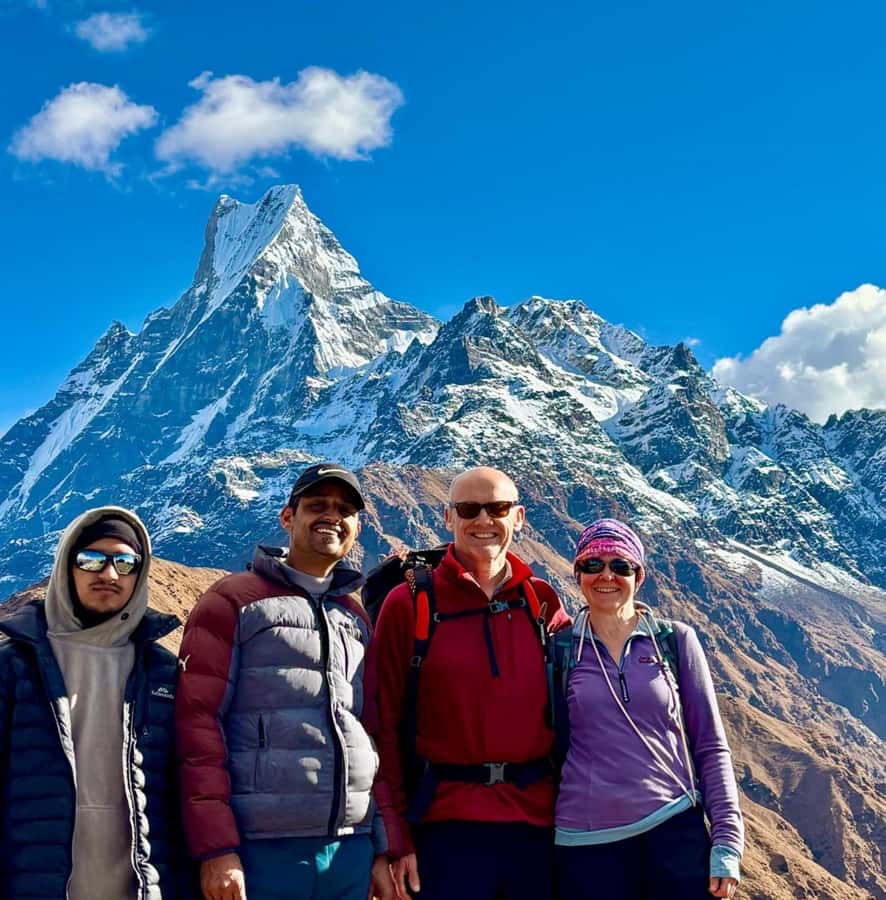
- Jungle-to-camp trail rhythm: Forest Camp to High Camp feels like a real change in world.
- Sunrise hike to 4300m: Early start, big reward, and clear views if skies cooperate.
- Mt Fishtail focus: You get repeated sight lines to this iconic peak.
- Mardi River finish: The last day leads you toward the river at Siding Village.
- Private group flexibility: You go with a guide and your own group, not a crowd.
- Permits handled for you: TIMS and trekking paperwork are included, so you don’t have to chase forms.
Mardi Himal Trek From Pokhara: What You’re Really Getting in 4 Days
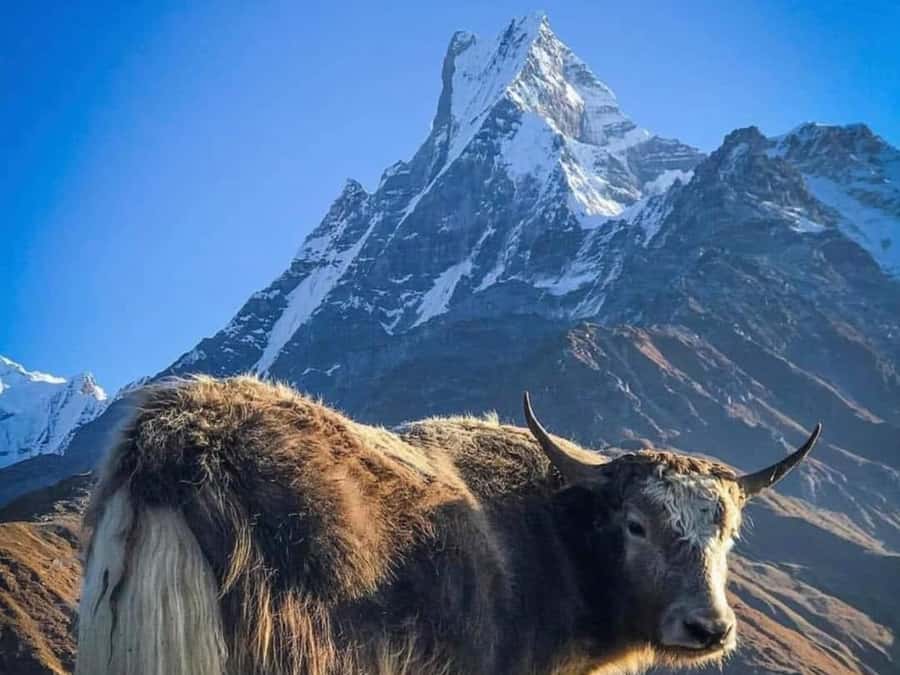
Mardi Himal is one of those treks where the mountains slowly take over your attention. Day by day, your trail climbs out of thick greenery and into air that feels sharper, colder, and more dramatic. If you’ve been to Nepal before, this one still has that “new route” feeling—especially around High Camp and the sunrise viewpoint.
The best part is how the itinerary is built around sight lines. You don’t just walk uphill and hope for the best. You reach High Camp, sleep there, then start very early for the 4300m viewpoint. That setup gives you a much better chance of seeing the Annapurna range and Mt Fishtail in good light.
This trek also works well if you want local rhythm without heavy logistics. Hotel pickup, driving to Kande, tea houses for lunch, and guided transitions between camps mean you can focus on the trail and the views instead of figuring things out.
Route Overview: From Kande to Forest Camp, Then Up to the Viewpoint
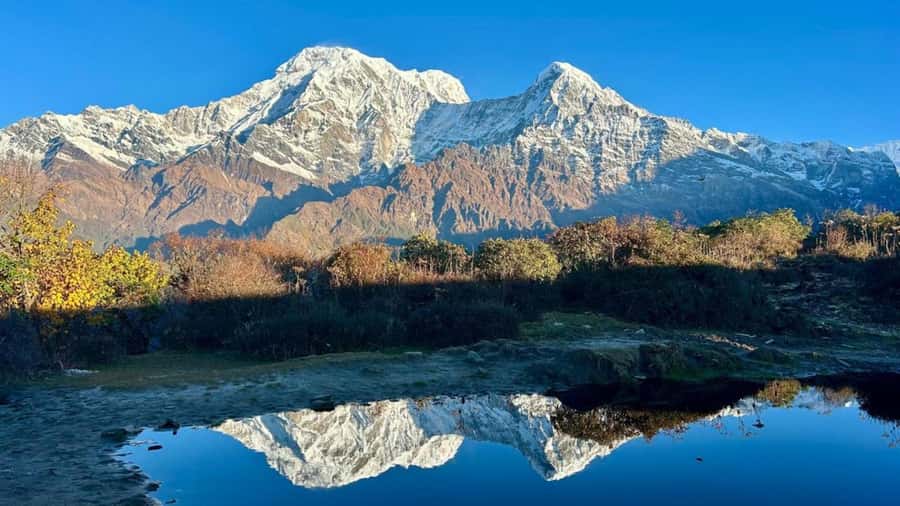
Your trek starts with a drive from Pokhara to Kande, then hiking begins. The first trekking day gradually shifts you from open green areas toward deeper forest trails. It’s not a flat warmup—expect steady uphill work for a few hours—but the scenery helps you keep going.
From Forest Camp, Day 2 is the step up. You’re headed toward High Camp (4000m), and the trail stays in dense jungle for much of the climb. It’s the kind of hiking where you notice bird calls, small movement in the undergrowth, and the way the air changes as you gain elevation.
Day 3 is all about payoff: a very early hike to a viewpoint at 4300m. After breakfast, you go back down toward Low Camp. Then Day 4 is a satisfying descent to Siding Village, with the Mardi River featuring at the end.
Day 1: Pokhara to Forest Camp (2500m) Through Tea House Lunch Stops
You start early from Pokhara at 8:00 AM, then drive to Kande for about 1.5 hours. On the way, you should expect a real mix: green fields, forest sections, views around the Seti River, and glimpses of the mountains. It’s a good way to wake up—less “transport slog,” more “Nepal scenery on repeat.”
From Kande, you trek for about 5 hours toward Forest Camp (2500m). This part matters because it teaches you what the trek will feel like: steady hiking, regular stops, and a route that’s shaded at times. The forest sections are ideal if you want cooler walking after the drive.
Lunch is planned at a tea house around the middle of the route. That’s a small detail, but it’s a practical one. A proper meal stop helps you manage energy for the last stretch into Forest Camp, and it keeps the day from feeling like one long grind.
Overnight: you reach Forest Camp and spend the night there. Forest Camp is also where the trek starts to feel more “remote.” You’re not just walking through countryside—you’re moving into a mountain trail world.
Day 2: Forest Camp to High Camp (4000m) for Dense Jungle and Wild Moments
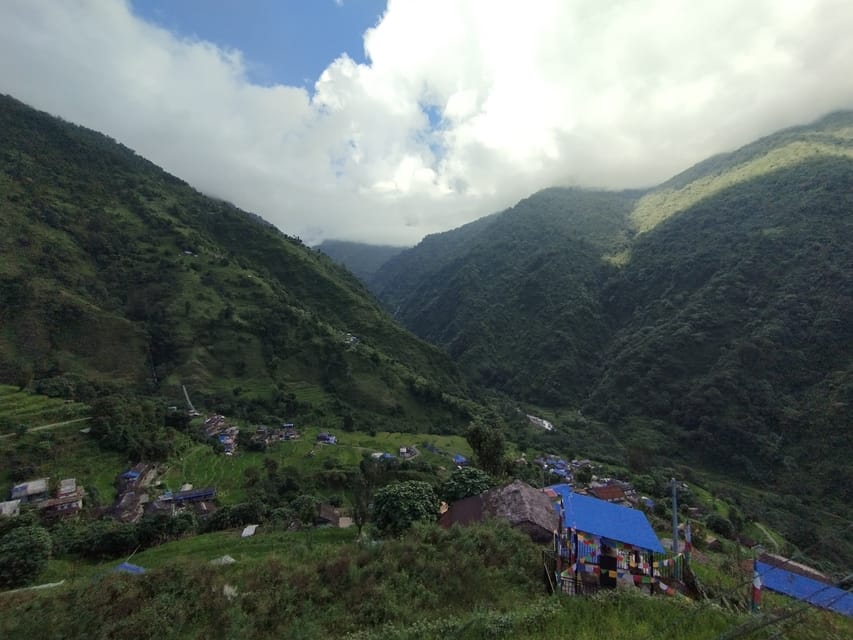
Day 2 pushes higher, from 2500m to 4000m, and it’s one of the most important days for your overall experience. After breakfast, you’ll trek for about 5 hours to reach High Camp. The route is described as dense jungle for much of the climb, which is exactly what you want before the big viewpoint day.
This is the day where wildlife and birds become part of the story. Even if you don’t see dramatic animals, you’ll likely hear and spot smaller life—birds and other movement in the trees. The guide and the group pace matter here, because the trek can feel more alive when you stop to look and listen instead of treating it like a stopwatch.
High Camp is also your “practice sleep” for altitude. Spending the night there means your body gets a chance to adjust slightly before the early morning viewpoint hike. You’ll want to keep hydration steady and avoid going too fast on the climb.
Overnight: High Camp. This is where you start shifting from forest hiking into a more exposed mountain mood, especially when the light changes in the late day.
Day 3: The 4:00 AM Sunrise Hike to 4300m and Mt Fishtail’s Big Moment
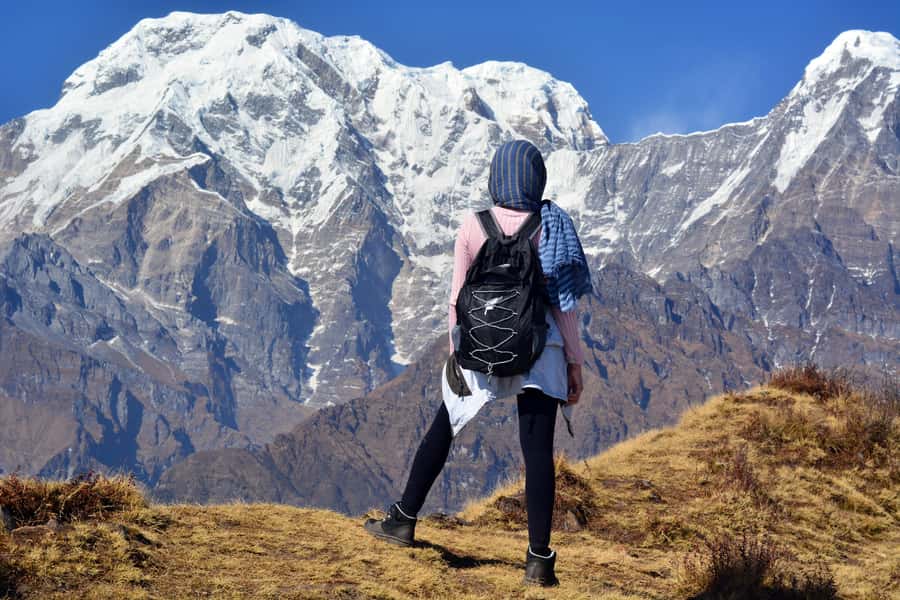
Day 3 starts early—4:00 AM—with a hike of about 2 hours to a viewpoint at 4300m. If sunrise is the reason you’re doing this trek, this is the heart of it. You’re climbing in the dark or early low light, and the goal is simple: reach the viewpoint when the mountains start revealing themselves.
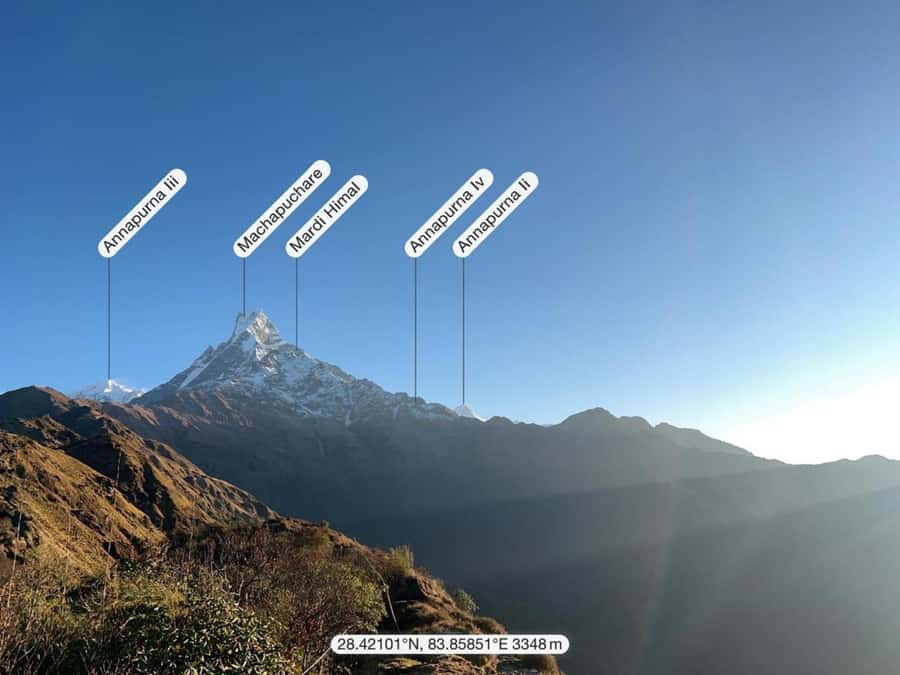
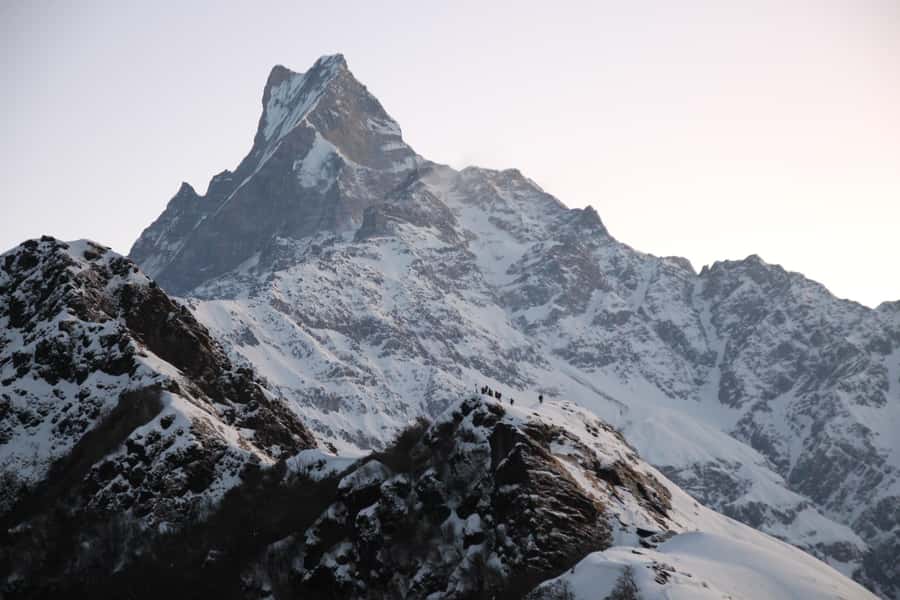
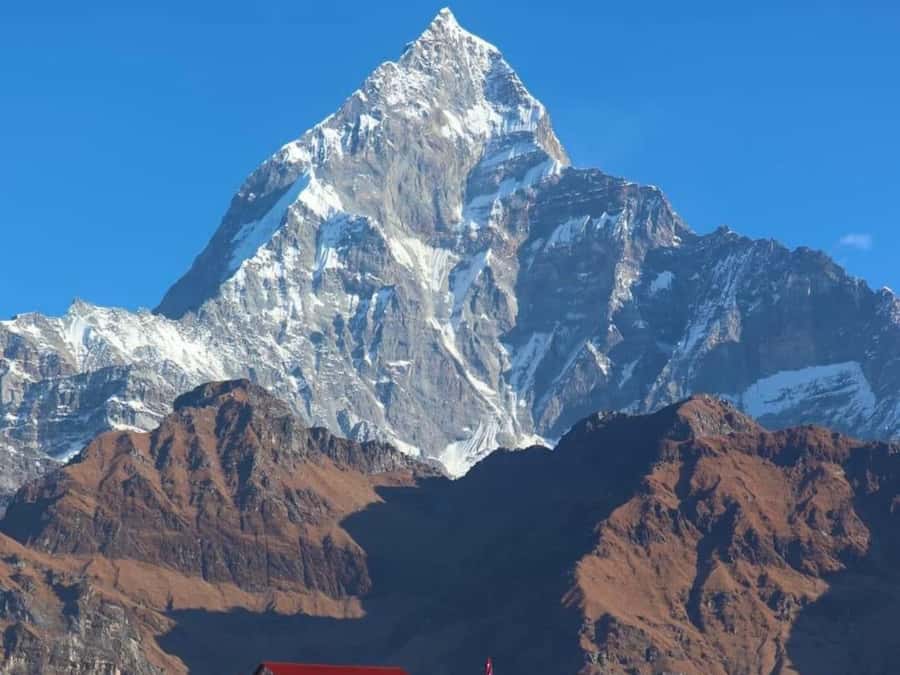
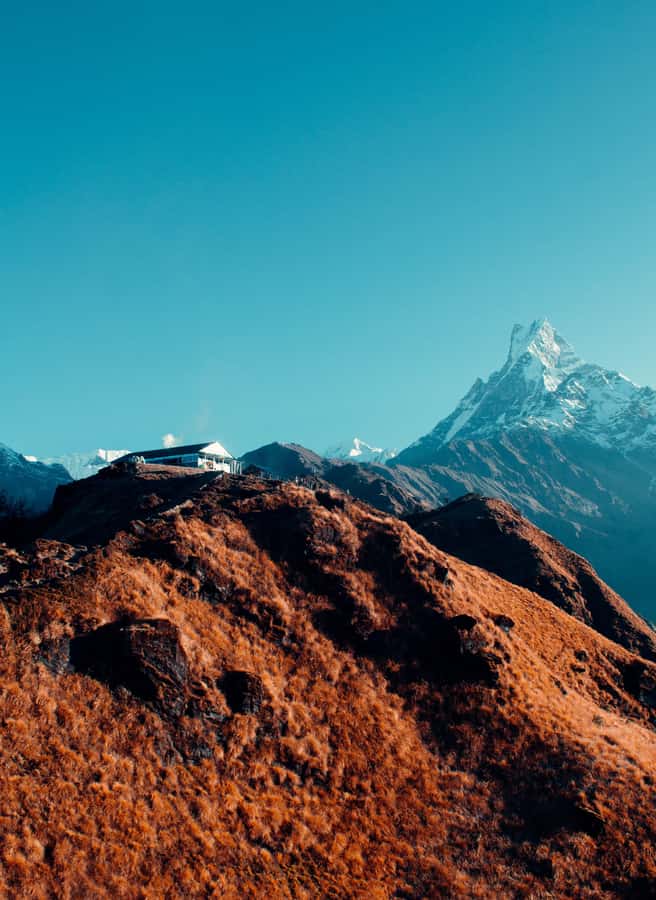
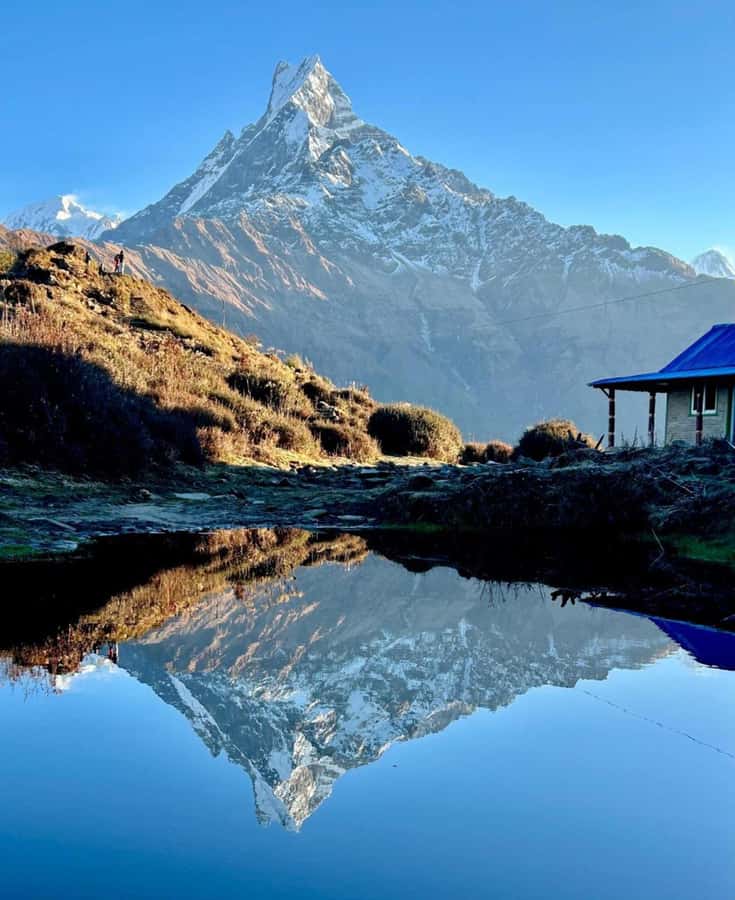
From the viewpoint, you’re looking for Mt Fishtail and a panorama across the Annapurna range. Even with clouds, the effort usually gives you a clear understanding of the mountain geography. When skies cooperate, the views can feel like a map coming alive.
After the sunrise hike, you descend toward High Camp and have breakfast. This matters because it turns a “hard early morning” into a planned experience. Then you take a short break and keep going down to Low Camp (3000m).
Low Camp is the calmer landing after the viewpoint push. It gives you some recovery and a better sense of how far you’ve come. If you’re sensitive to altitude or you’re carrying extra energy from the early climb, this day’s descent is a relief, not just another step down.
Overnight: Low Camp.
Day 4: Low Camp to Siding Village (1800m) and the Mardi River Finish
Your final morning begins at 8:00 AM with breakfast at Low Camp. Then you descend toward Siding Village for about 4 hours. This is a nice close to the story because the trail becomes more forgiving compared to the big climb days.
You’ll pass through picturesque areas on the descent, and the emotional tone changes. Day 4 feels like returning from the mountains rather than traveling deeper in. It’s also where you get the physical payoff of the trek: less uphill effort, more time to look at the terrain around you.
Siding Village is where the trek ends on foot—then you get picked up by jeep for about 2.5 hours back to Pokhara. Along the way, you should notice the Mardi River flowing from the base of Mardi Mountain (the area you worked toward on Day 3). It’s a satisfying connection: you’re not just hiking to views—you’re hiking through a real watershed and finishing where water meets valley life.
Then it’s back to Pokhara for a well-earned reset.
Guides, Pace, and Private-Group Comfort (English/Hindi/Nepali)
This is a private group trek with a live guide. Languages offered are English, Hindi, and Nepali, which is a major comfort factor if you don’t speak Nepali fluently. You can ask questions in a language you understand and get clear explanations about the route and timing.
The guide component shows up strongly in the experience. One group of five girls highlighted their guide Prakash as accommodating and attentive—checking that everyone had what they needed and encouraging them when they felt tired. Another review praised Kadesh for welcoming staff and a great guided experience. Someone else shared a standout experience with Kaji as helpful and supportive.
That pattern matters for you, because Mardi Himal isn’t just about walking. It’s also about decisions in the moment: when to slow down, when to stop for photos, and how to manage the early morning viewpoint timing without stress.
The pace is also shaped by the itinerary structure—drives, tea house lunch, overnight camps, and a planned early start. That’s a big reason the trek feels manageable for many people who want a rewarding mountain experience without feeling totally on their own.
Price and What’s Included: Is $152 Good Value?
At $152 per person for a 4-day guided trek, the value comes from what’s already covered. You get hotel pickup and drop-off, deluxe transportation as per the itinerary, a guide, and a medical kit. You also get trekking permits and the paperwork details plus the TIMS fee.
Meals and trek accommodation depend on the option you choose, but the way the itinerary is laid out makes it clear there are scheduled meal times (tea house lunch on Day 1, breakfast sequences, etc.). In practice, that reduces uncertainty because you’re not trying to piece together food and stays at the last minute.
Government tax is included, and the trek includes all expenses for staff. That’s not flashy, but it’s one of those behind-the-scenes details that makes a trek run smoother.
What’s not included is also important for budgeting:
- drinks
- a porter
- travel and rescue insurance
- any entrance fees during sightseeing
If you don’t plan to hire a porter, you’ll carry your daypack (you’ll want a good sleeping layer plan too). If you do hire a porter, factor that in. If you bring your own insurance, great—you’re set. If you don’t, this is the moment to arrange it before you go.
Overall, the cost makes sense if you want a guided, paperwork-managed trek with real camp structure and mountain viewpoints built in.
What to Bring: Gear That Makes the Trek Feel Easier
The provided packing list is practical. Here are the items that tend to matter most on a trek like this:
- hiking shoes (you’ll be on uneven trails and need grip)
- a jacket and warm layers (sunrise mornings and higher camps can feel cold)
- long pants and shorts (layers are handy)
- sunglasses and sunscreen (the higher you go, the brighter things feel)
- a daypack plus a water plan
- a flashlight (especially because Day 3 starts extremely early)
- a camera (the viewpoint day is built for photos)
- cash (you may want it for small purchases at tea houses)
Two less-obvious notes: a sleeping bag is listed, and a change of clothes is included on the bring list. That’s worth taking seriously because camp days are work days, and you’ll feel better if you can get comfortable at night.
If you’re missing something, don’t assume you’ll be able to pick up the right gear instantly in Pokhara. Pack smart before you leave town.
Who This Trek Fits Best (and Who Should Reconsider)
This trek fits best if you want:
- a guided route with clear daily structure
- forest hiking that transitions into big-mountain viewpoints
- a sunrise experience at a specific altitude (4300m) rather than a vague “maybe we’ll see something”
It also works well for groups who want comfort on logistics. The hotel pickup and drop-off, transportation segments, and permit management reduce stress.
You might reconsider if you:
- hate early mornings (Day 3 starts at 4:00 AM)
- aren’t comfortable hiking at altitude, even with gradual camp changes
- expect this to be an easy walk the whole way (it’s a trek with real effort, especially on Day 2 and Day 3)
If you want a challenge that’s still well-organized, Mardi Himal is a strong choice.
Should You Book the Mardi Himal 4-Day Guided Trek From Pokhara?
If you like the idea of jungle hiking plus a planned sunrise viewpoint, this is a very good booking. The itinerary is built around those moments: Forest Camp for the transition, High Camp for altitude adjustment, and the 4300m viewpoint for the Annapurna range and Mt Fishtail payoff.
I’d book this if you value:
- a guide-led trek where pacing and comfort are actively managed
- a private group format
- transportation and permits handled so you can enjoy the trail instead of paperwork
But if early mornings and altitude make you nervous, take that seriously. This trek asks for effort on schedule. If you can meet it with good shoes, warm layers, and a calm attitude, you’ll likely come away with one of those mountain memories that stays sharp for a long time.
FAQ
How long is the Mardi Himal trek?
It’s a 4-day trek from Pokhara to the Mardi Himal area, finishing at Siding Village and then returning to Pokhara by jeep.
What time do we start on Day 1 from Pokhara?
Day 1 starts early at 8:00 AM from Pokhara.
Do I need a guide, and what languages are available?
Yes, a live tour guide is included. Languages are English, Hindi, and Nepali.
Is this a private group trek?
Yes, the group type is private group.
Where do pickup and drop-off happen?
Hotel pickup and drop-off are included. You should wait in the hotel lobby about 10 minutes before your scheduled pickup time.
What are the main altitude points on the trek?
Key points include Forest Camp at 2500m, High Camp at 4000m, a viewpoint hike to 4300m, Low Camp at 3000m, and Siding Village at 1800m.
Is there an overnight stay at High Camp?
Yes. You spend the night at High Camp.
Are meals and accommodations included?
Accommodation during the trek is included if you choose the option. All meals are included if you choose the option as well.
What isn’t included in the price?
Drinks, a porter, travel and rescue insurance, and any entrance fee during sightseeing are not included.
What should I bring for the sunrise hike day?
The packing list includes a flashlight, jacket/long pants, warm gear like a sleeping bag, plus essentials like sunglasses, sunscreen, and hiking shoes.