REVIEW · LEH
Ladakh Sham Valley Trek
Book on Viator →Operated by Ladakh Backpackers · Bookable on Viator
A few steep moments can surprise you. The Sham Valley trek is short and beginner-friendly on paper, yet the altitude makes it a real work-out, not a stroll. I like that this route keeps things varied, with two long pass days and village-to-village walking that feels authentically Ladakhi instead of “scenic only.” You should know one drawback up front: it runs hot on parts of Day 1, and there’s limited shade and water along the way.
I also like the way this trek is paced. You get a warm start from Leh, then you spend three days moving between high mountain passes and green pockets of farmland, so you’re never doing the same kind of uphill for too long. Plus, the trip includes a trek guide, walking sticks, and homestay beds—so you can focus on walking and adjusting to the air.
The biggest consideration is health and comfort at altitude. Even though it’s called the Baby Trek, you’ll climb to passes around 3,750m, and you’ll feel it if you’re not used to high elevation. Bring your common sense: take breaks early, move steadily, and don’t try to “win” the trail.
In This Review
- Key things I’d plan around on this Sham Valley Baby Trek
- Entering Ladakh: how this trek starts from Leh (and why it matters)
- Day 1 to Yangthang: Likir, Phobe La, Chagatse La, and the heat you’ll feel
- Day 2 to Hemis Shukpachen: Tsermangchen La and the cedar-grove village vibe
- Day 3 to Ang: Mebtak La prayer flags, steep climb, and the downhill finish
- What’s included (and what you should budget for or plan yourself)
- The homestay factor: why it can be a highlight, not a compromise
- Fitness and altitude: the Baby Trek test nobody can skip
- Price and value: is $400 worth it in Ladakh?
- Weather, cancellation risk, and how to travel smart
- Who this Sham Valley Baby Trek suits best
- Should you book the Ladakh Sham Valley Trek?
- FAQ
- What time does the Sham Valley trek start?
- Where does the trek start and end?
- How long is the Ladakh Sham Valley trek?
- Is pickup and transportation included?
- What meals and lodging are included?
- What should I bring or pay for separately?
Key things I’d plan around on this Sham Valley Baby Trek
- Pickup starts from Leh: you’re collected from Kushok Bakula Rimpochee Airport area at 8:00 am.
- Two-pass style days: Day 1 includes Phobe La and Chagatse La, and Day 2 includes Tsermangchen La.
- Homestays in real villages: you sleep in Yangthang and Hemis Shukpachen, not a trekking camp.
- Gentle walking on some sections: Day 2 has easy gradients around the pass approaches and descents.
- Prayer flags mark the final pass: Mebtak La adds a memorable visual payoff on Day 3.
- Guide and basic gear are included: your guide and walking sticks come with the trek, while bottled water does not.
Entering Ladakh: how this trek starts from Leh (and why it matters)
This Sham Valley trek is built for people who want a short Ladakh experience without committing to a long, strenuous expedition. The trade-off is that you’re still hiking at elevation, so the “baby” part is about distance and technical difficulty more than effort.
You start early. The pickup is from the Kushok Bakula Rimpochee Airport area in Leh, with a start time of 8:00 am. That timing is useful: it gives you daylight for the first ascent and it helps you avoid the harshest sun later in the day.
From there, you ride by taxi toward Likir, about 58 km from Leh. The ride matters more than you might think. It gets you off to a fresh start, and it also means your trek begins at the right altitude rather than starting low and climbing gradually only through hiking.
Day 1 to Yangthang: Likir, Phobe La, Chagatse La, and the heat you’ll feel
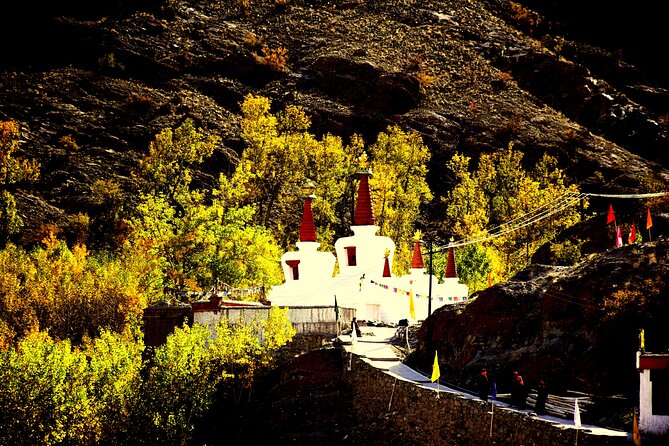
Day 1 is the “warm-up that still works you.” After breakfast, you drive to Likir (3,650m), the starting point. Even though it’s a shorter trek by Ladakh standards, the route can feel draining because it’s warm, and parts of the path have little to no shade and limited water access.
From Likir, the trail heads west up toward Phobe La (3,580m). After the pass, you continue onward past Sumdo village. Then you keep climbing steadily until Chagatse La (3,630m). This is the kind of day where rhythm beats speed: small, steady steps and frequent short pauses are your best tools.
Once you’ve crossed the higher point, your day ties into the local religious landscape. The Ridzong Monastery is about an hour south of Yangthang, and while you’re not spending an all-day detour, it gives the walk context: Ladakh here isn’t just mountains, it’s also monasteries and community routes.
You finish Day 1 with a homestay in Yangthang. Homestays are a big part of why this trek feels personal. You’re not just passing through; you’re sleeping in the rhythm of the villages.
Day 2 to Hemis Shukpachen: Tsermangchen La and the cedar-grove village vibe
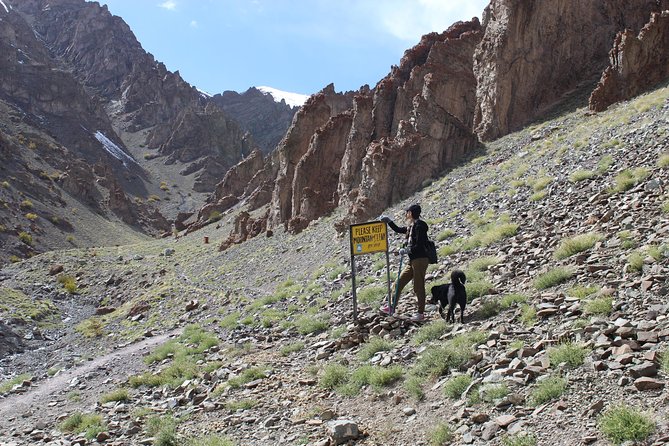
Day 2 is where many people breathe easier. The walking around the pass is described as easier because both the approach and descent have gentler gradients. That doesn’t mean it’s effortless—altitude still pushes—but it’s one of the more manageable days if you’re pacing well.
The trail heads north. You descend a bit, cross a stream, and then climb again toward Tsermangchen La (3,750m). After a short rest at the pass, you head down toward Hemis Shukpachen.
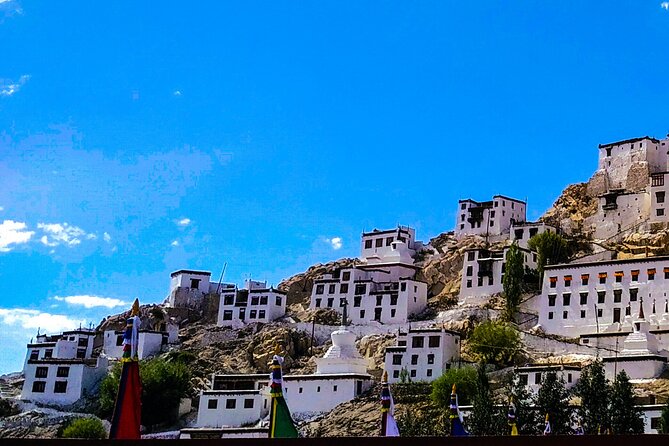
When you reach Hemis Shukpachen, you get one of the key visual shifts on the whole trek. The village is named after a grove of cedars, and it’s known for looking prettier and greener than the more barren stretches around it. You’ll notice sparkling streams, willows that create shade, and barley fields that bring a band of green color to the rocky mountains. It’s a relief after the tougher, more open stretches.
You end the day with another homestay in Hemis Shukpachen. In the feedback I saw, people were especially pleased with how well the homestays worked for a trek—simple and real, but not a letdown in comfort.
Day 3 to Ang: Mebtak La prayer flags, steep climb, and the downhill finish
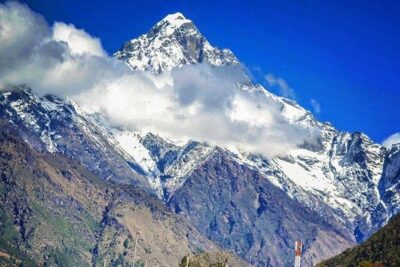
Day 3 is shorter in feel, but it has one sharp climb. After leaving your village early, the trail goes upward between two hillocks west of the village. It then veers south and climbs steeply to Mebtak La (3,750m), where you’ll see prayer flags marking the pass.
That steep section is the moment to keep your effort controlled. Don’t sprint it. At altitude, that “I can push” feeling often flips into “why did I push?” by the time you reach the top. Steady steps and quick breathing control make a bigger difference than people expect.
From the pass, you descend through a gorge toward Ang village. Then the logistics simplify: your driver meets you in Ang and drives you back to Leh, ending the trek.
This is also why this route works as a beginner-friendly Ladakh taste. You get the pass, the views, the payoff of prayer flags—then you’re not stuck finishing with more long walking. Your last hours are mostly downhill and then vehicle transfer back to town.
What’s included (and what you should budget for or plan yourself)
This tour is set up as a fairly all-in trekking package, but it’s not fully all-inclusive. Here’s what you can count on:
Included:
- Private transportation
- Breakfast, dinner, and lunch (plus a packed lunch for the trek day)
- Trek guide
- Walking sticks
- Accommodation (homestay)
Not included:
- Tips
- Porters
- Bottled waters
- Ponies
- Insurance
- Medical emergency support
What that means for you in real life:
- If you hate carrying water, plan for it. Bottled water isn’t included, and parts of Day 1 are described as having limited water and shade.
- If you want less load, you may need to decide whether you’ll carry your own day bag or arrange help (porters are not included).
- Don’t rely on the tour to handle medical coverage. You’ll want proper travel insurance that makes sense for trekking at altitude.
Also, you’ll appreciate the included walking sticks. In many high-altitude short treks, that’s the small detail that stops your knees from complaining by Day 2.
The homestay factor: why it can be a highlight, not a compromise
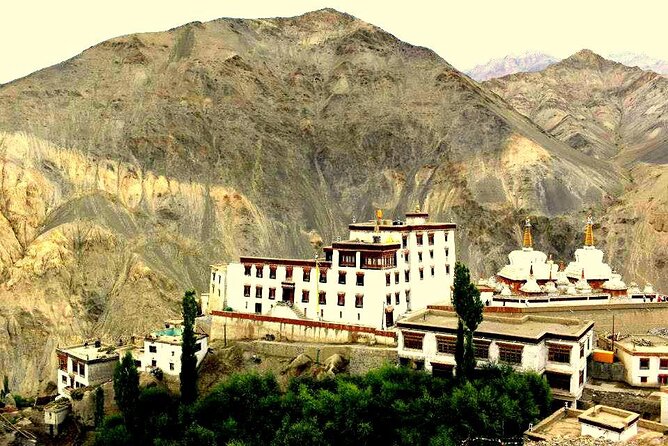
A lot of short treks claim homestays but still feel like a scripted stop. Here, the homestay idea is central to the experience—especially because you’re sleeping in Yangthang and Hemis Shukpachen, not just changing beds and moving on.
From the feedback I absorbed while planning, people liked the accommodation standard across the route, especially for home stays. That’s important: homestays should feel safe, warm enough at night, and functional for hikers who need sleep and an early start.
The day-to-day rhythm also adds meaning. You’re hiking to villages and then living there for a night, so you notice the small changes: shade from willows in Hemis Shukpachen, the way the cedar grove area feels different from more exposed mountain stretches, and how prayer-flag country looks at the edge of the pass.
Fitness and altitude: the Baby Trek test nobody can skip
Even when a trek is rated easy, altitude changes everything. This one reaches passes around 3,750m, and the route is described as tiring at times because of elevation. So yes, it’s a good beginner trek—but it’s not a “no-training needed” trek.
A moderate fitness level is required. Practical meaning: you should be able to hike for hours at a steady pace, handle uphill sections, and recover quickly between days.
Also, pacing is everything on a short trek like this. On a three-day schedule, you don’t have time to recover from bad decisions. If you try to go too fast on Day 1 (especially with heat and limited shade), you’ll feel it by the time you reach Day 2’s pass.
Your best strategy:
- start slow on climbs
- take breaks before you’re out of breath
- eat and drink consistently during the day (again, water access can be limited early on)
Price and value: is $400 worth it in Ladakh?
This trek is priced at $400 per person for about 3 days. That sounds “reasonable” only when you look at what you’re actually getting.
You’re paying for:
- a guided trek
- homestay accommodation
- most meals (breakfast, dinner, plus packed lunch)
- private transportation between Leh and the trekking areas
- walking sticks and basic route support
And you’re not paying for some common add-ons like porters, bottled water, ponies, and insurance—so your true cost will depend on your personal comfort level.
From a value standpoint, this price makes sense if you want a structured, low-hassle way to do Sham Valley without building the plan yourself. It also helps that there’s group discounting and a mobile ticket option, which usually reduces the “admin headache” on arrival.
If you’re already traveling with your own guide and transport and you like DIY treks, you might find cheaper options. But for most people, $400 is a fair exchange for a smooth, guided, meal-and-bed covered experience.
Weather, cancellation risk, and how to travel smart
The trek requires good weather. That’s not a small footnote—it’s a reality in Ladakh. Mountain trails can change quickly with conditions, and high elevation makes plans fragile.
Because this experience is weather-dependent, it’s smart to keep a little flexibility in your Ladakh days. If your schedule is tight, build in some buffer around the trek so a weather shift doesn’t crush everything else you hoped to do.
You also need a minimum number of travelers for it to run. That can affect what dates are available to you, so it’s worth checking options early rather than waiting until the last minute.
Who this Sham Valley Baby Trek suits best
This is a strong match for:
- beginners who want Ladakh hiking in three days
- travelers who want a short warm-up before a harder Ladakh adventure
- anyone who prefers guided support and homestay stays over camping or roughing it
It’s less ideal for:
- people who struggle with altitude quickly (even if the hike feels short)
- hikers who want lots of shade, constant water access, or a very flat walk
If you want a trek that feels authentic and village-based, this one delivers. If you want a stress-free walk with zero physical effort, you’ll likely be disappointed.
Should you book the Ladakh Sham Valley Trek?
I think you should book it if you want a short, well-supported Ladakh hike with real village nights and memorable pass moments—especially if you like the idea of homestays in places like Yangthang and Hemis Shukpachen. The route’s beginner-friendly design is real, but altitude is the equalizer, so you’ll get the best experience by showing up with moderate fitness and a calm pace.
Book it now if you value organization: the guide support and included meals and transportation make this easier than trying to assemble everything on your own. And if you care about service quality, the name that comes up in the company story is Fida Hussain Tangrong, who coordinated feedback and requests for people in a few different languages, including German language capability noted in the comments. You’ll also get an experienced, patient guide experience—one guide name that appeared clearly was So-nam, described as experienced, kind, and patient.
If you’re unsure, here’s the simplest test: can you handle a few hours of uphill walking while breathing a little harder than usual? If yes, this Baby Trek is a smart Ladakh move.
FAQ
What time does the Sham Valley trek start?
The trek pickup starts at 8:00 am from the meeting point at Kushok Bakula Rimpochee Airport area in Leh.
Where does the trek start and end?
It starts at Kushok Bakula Rimpochee Airport area (Leh) and the experience ends back at the same meeting point after returning to Leh.
How long is the Ladakh Sham Valley trek?
The trek duration is about 3 days.
Is pickup and transportation included?
Yes. The tour includes private transportation, including the drive from Leh to the trek starting area and the return to Leh at the end.
What meals and lodging are included?
You get breakfast and dinner, and a packed lunch for the trek days. You also stay in homestays during the trek.
What should I bring or pay for separately?
The tour does not include tips, porters, bottled waters, ponies, insurance, or medical emergency support. If you rely on bottled water, you’ll want to budget for that.