REVIEW · MOSHI
Machame Route 7-Day Private Kilimanjaro Trek
Book on Viator →Operated by Bush Lion Trekking and Tours · Bookable on Viator
Midnight summit day comes after rainforest walking. This 7-day Machame route mixes lush jungle, open moorlands, and high-alpine terrain, so the climb feels like it’s changing every few hours. I like the altitude-adjustment rhythm built into the itinerary, and I also love that the route uses classic Kilimanjaro camp-to-camp stages with big scenery moments at each stop. The main drawback is simple: it’s physically demanding, and Day 6 can be a long, steep slog.
What makes this trek feel well-run is the mix of human support and practical gear. You get experienced guides and porters, camp tents and sleeping kit, clean drinking water, and safety items like oxygen tanks and first aid kits. In the planning side, names like Jackson, and guides such as Innocent, Kenny, Shafii, Emmanuel, William, Issa, and Martin show up again and again as part of a professional team that keeps the process organized.
One thing to keep in mind is that you’re paying for a full package, not just a walk. At $2,209 per person, you’ll want to be sure you’re comfortable with the schedule, the cold nights (especially later on), and the fact that tips, insurance, and your flight to Tanzania aren’t included.
In This Review
- Key highlights you’ll feel on the trek
- From Moshi to Machame Gate: Day 1 sets the tone fast
- Rainforest to moorland on Day 2: Views start getting real
- Lava Tower to Barranco Camp: the smart altitude day
- Barranco Wall to Karanga: short, steep, and scenic
- Barafu Camp: the calm before the midnight push
- Summit night to Uhuru Peak, then down to Mweka
- Day 7 to Mweka Gate: the finish feels easier and greener
- Guides, porters, and the safety kit that matters
- What’s included (and why it’s worth paying for)
- Machame’s pacing: why it often feels like a real trek (not a sprint)
- Price and logistics: is $2,209 per person a fair deal?
- Who should book this Machame private trek?
- Should you book the 7-day private Machame route?
- FAQ
- How long is the Machame route trek?
- Is airport transfer included?
- What’s included for food and water during the climb?
- Are park fees and permits included?
- What safety equipment is provided?
- Is this tour private?
Key highlights you’ll feel on the trek
- Altitude-built itinerary: includes a climb to Lava Tower and a descent to Barranco to help your body adjust
- Changing ecosystems daily: rainforest to moorland, then rocky alpine desert, then back into forest
- Early start for the summit push: night hiking begins around midnight toward Uhuru Peak
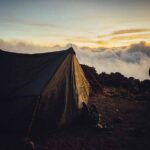
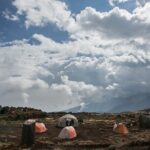
- Full camping support: tents, sleeping bags, sleeping mats, and a portable toilet are provided
- Safety gear included: oxygen tanks and first aid kits are on the mountain with you
- Private group experience: it’s set up for just your group, with guides and porters assigned to you
From Moshi to Machame Gate: Day 1 sets the tone fast
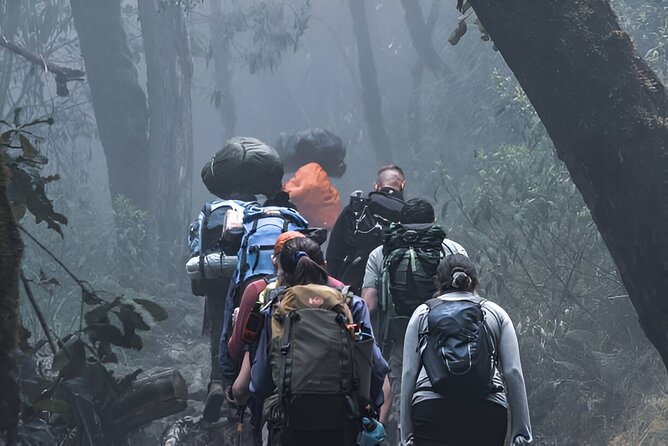
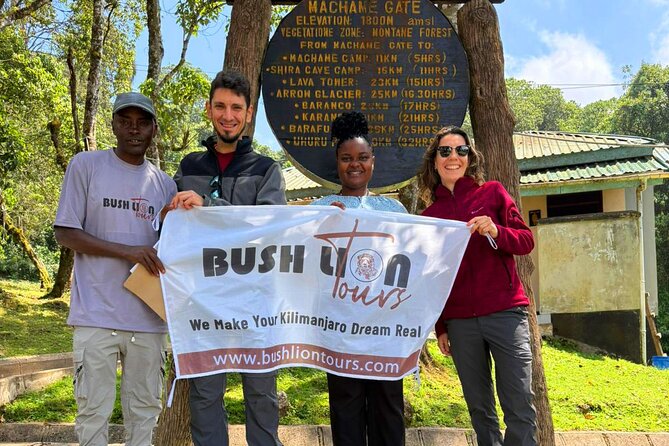
Your trek starts with a drive from Moshi to Kilimanjaro National Park at Machame Gate. After check-in and a quick briefing, you walk into thick rainforest, where the air is cooler under the canopy and the trail stays green and alive.
This first day is about getting moving without overcooking it. Expect roughly 5 to 7 hours of hiking and about 11 km (around 7 miles) up to Machame Camp at 3,010 m (9,875 ft). If you’re the type who gets nervous about altitude, Day 1 is a good mental warm-up: you’re working, but you’re not at summit elevation yet.
Practical tip: in the rainforest, you’ll likely sweat and get damp. Bring layers you can manage, and use your rain gear if needed—wet clothes are the enemy of comfort later, even if you don’t feel it immediately.
You can also read our reviews of more tours and experiences in Moshi.
Rainforest to moorland on Day 2: Views start getting real
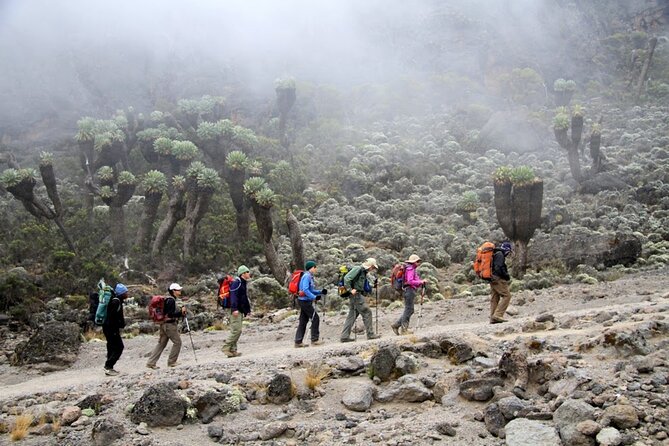
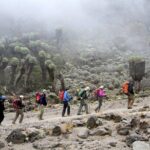
On Day 2, the trail gets steeper as you leave the rainforest and enter the moorland zone. This is where you’ll feel the big Kilimanjaro shift: vegetation changes, and the air can start to feel thinner. You also get more open sightlines, including views toward Mount Meru and the Shira Plateau.
Plan about 4 to 6 hours of hiking and roughly 5 km (about 3 miles) to Shira Camp at 3,840 m (12,600 ft). It’s a shorter distance than Day 1, but don’t treat it like a free day—the time often depends on your pace and how your body is handling the altitude.
What I like about this day: the route doesn’t rush you forward. Instead, it helps you “arrive in altitude” gradually. That matters because Kilimanjaro isn’t just about legs; it’s about how your body adapts.
Lava Tower to Barranco Camp: the smart altitude day
Day 3 is an important one for acclimatization. You’ll hike up toward Lava Tower at 4,630 m (15,190 ft), stop for lunch, and then go down to Barranco Camp at 3,960 m (13,000 ft).
Expect around 10 km (about 6 miles) total and 6 to 8 hours. The key move here is the up-then-down profile. Going down after reaching Lava Tower helps many trekkers settle better at higher elevation, which can make the next days feel less punishing.
If you want one rule for Kilimanjaro, it’s this: follow the schedule even when you feel okay. Your legs might be fine, but your body needs time to adapt.
Barranco Wall to Karanga: short, steep, and scenic
Day 4 starts with the famous Barranco Wall. It’s steep, but it doesn’t require technical climbing skills. Think “careful, steady effort,” with a lot of satisfaction at the top when you realize you’re making real progress in a short time.
After that, the trail moves through dry, open terrain up to Karanga Camp at 4,035 m (13,250 ft). You’re looking at about 5 km (3 miles) and around 4 to 5 hours.
This is one of those days where the scenery and effort work together. The climb is noticeable, but the change in terrain keeps your brain engaged. Just keep your pace slow, especially if you start feeling headachy or unusually breathless.
Barafu Camp: the calm before the midnight push
Day 5 is shorter in distance but climbs quickly. You’ll hike roughly 4 km (2.5 miles) in about 4 to 5 hours to Barafu Camp at 4,640 m (15,220 ft). The trail is described as rocky alpine desert—so expect uneven footing and cold air.
This is where you shift gears from “climb and reach camp” to “prepare for summit day.” You’ll have early dinner, then rest as much as you reasonably can. Then the big night starts.
I like how the plan respects the reality of a summit push. You’re not thrown into UHURU PEAK (5,895 m / 19,341 ft) chaos without preparation. You get time to eat, get warm, and organize your kit before midnight.
Summit night to Uhuru Peak, then down to Mweka
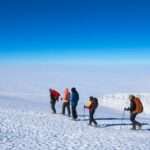
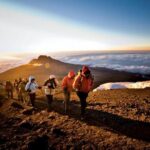
Day 6 is the hardest part: you start around midnight for the climb to the top. The walk is steep and the ground can be loose, which means your pace matters more than your speed.
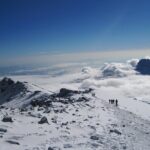
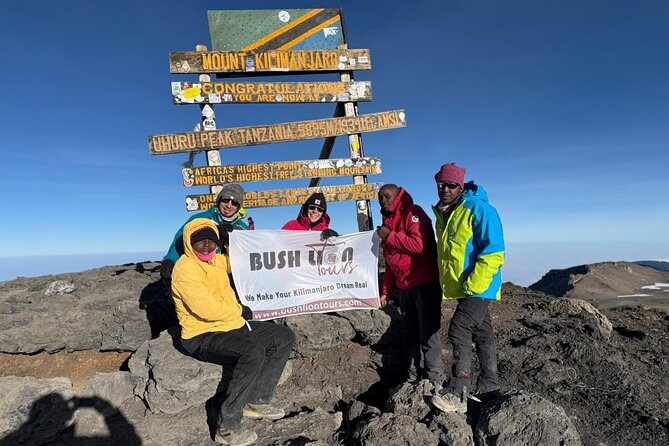
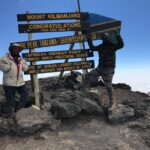
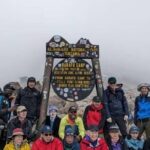
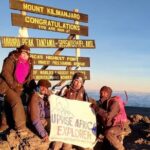
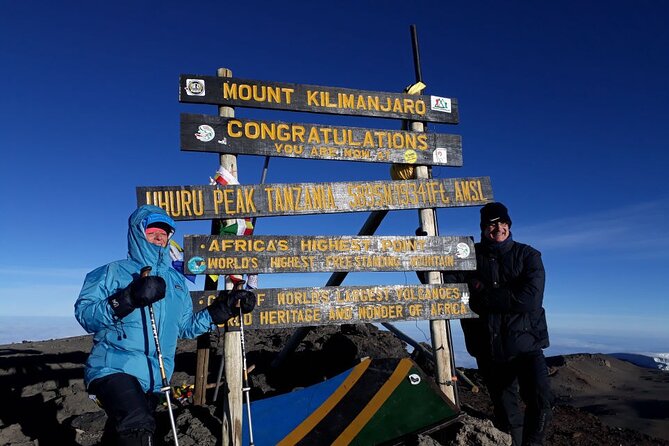
After 7 to 8 hours of hiking, you reach Uhuru Peak—the highest point in Africa at 5,895 m (19,341 ft). Take time here, breathe it in, and celebrate, because you’ve earned it. Then you descend.
Your descent plan is also part of the safety equation. After a brief rest back at Barafu Camp, you continue down to Mweka Camp at 3,110 m (10,200 ft). This day can take about 12 to 15 hours total, with roughly 17 km (11 miles) of distance.
Practical note: on summit night, people often underdress for fear of sweating. Later, many regret it. Cold at elevation is real. If you run cold in general, don’t wait until you feel miserable—layer up early, then adjust slowly.
Day 7 to Mweka Gate: the finish feels easier and greener
On the final day, you hike down through rainforest to Mweka Gate. The air usually feels warmer and wetter as you descend, and the trail becomes greener and more animal-filled (you might see animals if you’re lucky and quiet).
Plan about 3 to 4 hours and roughly 10 km (6 miles) to reach the gate. At Mweka Gate, you’ll receive your summit certificate, then you drive back to Moshi for a well-earned decompression.
This last day is underrated. Your body is tired, but the descent through forest can feel like a reset—moving from high, stark altitude back into something familiar.
Guides, porters, and the safety kit that matters
This trek is built around strong field support. You’ll travel with experienced guides and porters, and the trip includes meals, clean drinking water, and camping setup—so you’re not juggling the logistics of food and gear at altitude.
The safety setup is also part of what you’re paying for. Included gear lists items like oxygen tanks and first aid kits. That doesn’t turn Kilimanjaro into an easy hike, but it does mean you have basic medical capability if something goes sideways.
From the guide names associated with successful climbs—Innocent, Kenny, Shafii, Emmanuel, William, Issa, and Martin—I get a clear pattern: professionalism and constant support. Jackson shows up as a key organizer, with clear planning and communication before the trip.
One practical way to use this information: ask questions early about your pace and your acclimatization plan. A good guide will guide your effort, not just your route.
What’s included (and why it’s worth paying for)
The big value here is that the package covers far more than “a guide and some camps.”
Included highlights:
- Park fees and permits
- Airport transfers to and from Kilimanjaro International Airport
- Transportation to and from the trailhead
- Pre-climb briefing and orientation
- Meals during the climb (breakfast, lunch, dinner) plus clean drinking water
- Camping accommodation in tents and trekking bedding items like sleeping bags and mats
- Camping equipment such as portable toilet
- Safety equipment including oxygen tanks and first aid kits
- Kilimanjaro summit certificate
- Two nights of accommodation: one night before and one night after the trek
So your money goes into time, staff, infrastructure, and risk management—not just walking distance.
What’s not included is also important:
- Air tickets
- Travel insurance
- Tips for guides, porters, and other staff
- Personal gear (boots, clothing, daypack, and so on)
- Extra hotel meals and lunches/dinners outside the trek
If you already have solid hiking gear and you’ve got insurance lined up, the price feels more straightforward. If not, budget for those missing pieces so your total trip cost matches your comfort level.
Machame’s pacing: why it often feels like a real trek (not a sprint)
Machame is known for strong views and changing environments, and this itinerary follows that character closely. The route moves you through rainforest, moorland, alpine desert, and finally back to rainforest.
That ecosystem shift isn’t just pretty. It affects how you feel:
- In rainforest, you may work in steady humidity and mud
- In moorland, you often get more exposed walking and wind chill
- In alpine desert, the air can feel dry and cold, and footing gets rocky
- In the final descent, the green trail can feel like you’re exhaling
Day 3’s Lava Tower up-and-down, plus Day 4’s Barranco Wall challenge, helps keep the climb structured. You’re not just going higher every day; you’re learning how your body behaves as altitude rises.
Price and logistics: is $2,209 per person a fair deal?
At $2,209 per person, this is not a budget “coupon trek.” But it also isn’t just a bare-bones hike.
For the money, you’re getting:
- Private setup for your group
- Park fees and permits covered
- Full meals and clean drinking water during the trek
- Camping tents and sleeping equipment
- Guides and porters
- Safety gear listed (oxygen tanks and first aid kits)
- Airport transfers and trailhead transport
- Two nights of lodging around the trek
That’s a lot of real-world cost: staff time, permits, camping logistics, food, and risk planning. If you’re comparing against operators that only include a guide and leave you to figure out tents, meals, and transfers, this kind of package tends to look better fast.
The main consideration is personal: are you ready for a 7-day schedule with a late-night summit start and cold-weather conditions later on? If yes, the structure is built to help you succeed.
Who should book this Machame private trek?
This setup is a good fit if you want:
- A guided, organized Kilimanjaro climb from Moshi
- A route that prioritizes altitude adjustment rather than reckless speed
- Camping support and meals handled for you
- A private experience with a team that’s known for professionalism, including planners like Jackson and guides such as Innocent, Kenny, Shafii, Emmanuel, William, Issa, and Martin
You’ll want moderate physical fitness. The trek includes long days, especially Day 6, which can run 12 to 15 hours.
If you’re someone who gets anxious about details (what to pack, where to sleep, where to eat, what happens if weather changes), this kind of full-service package tends to feel reassuring.
Should you book the 7-day private Machame route?
I think this is a smart choice if you want a classic Kilimanjaro experience done the “grown-up” way: acclimatization days built in, real camp support, and safety gear included. The Machame itinerary also gives you variety—rainforest mornings, moorland views, a high-alpine summit night, then a final descent back through green trails.
Before you book, check three things:
- Your fitness and willingness to handle a long summit day
- Your cold-weather readiness for higher elevations
- Your insurance plan and personal gear budget, since those aren’t included
If those are in place, this trek’s value is strong: you’re paying for staff, structure, and the stuff that makes a huge mountain feel manageable.
FAQ
How long is the Machame route trek?
The Machame route trek runs about 7 days, with a summit attempt that starts around midnight on the sixth day.
Is airport transfer included?
Yes. Airport transfers to and from Kilimanjaro International Airport are included.
What’s included for food and water during the climb?
You get meals during the trek, including breakfast, lunch, and dinner, plus clean drinking water throughout the climb.
Are park fees and permits included?
Yes. Park fees and permits are included in the tour price.
What safety equipment is provided?
The included safety equipment lists oxygen tanks and first aid kits.
Is this tour private?
Yes. It’s listed as a private tour/activity, so only your group participates.