REVIEW · MOSHI
8 Day Kilimanjaro Trek via Lemosho Route
Book on Viator →Operated by Soraka Tours · Bookable on Viator
Ready for a mountain that tests your breathing? The 8 Day Kilimanjaro Trek via Lemosho Route is interesting because it starts on the quieter, scenic side of Kilimanjaro and gradually moves you through major climate zones, from rainforest to alpine desert. You’ll begin in Moshi, get briefed, then step into a route designed to help your body adjust instead of forcing a fast push.
Two things I really like about this trek are the medical-minded guiding and the day-to-day support system. The guides are certified Wilderness First Responders, and you’ll get two daily health checks using an oximeter plus targeted questions about how you’re feeling.
One drawback to plan for: you’re carrying the mental and physical load on the mountain, and the long summit push is real. Even with support, you’ll face a 14–16 hour summit day, and you’ll need your own personal gear since things like sleeping bags and hiking boots aren’t included.
In This Review
- Key highlights worth knowing before you go
- Lemosho Route from Moshi: why this start feels calmer
- The Soraka team setup: certified response, porters, and your day-pack reality
- Camp comfort matters: tents, mats, meals, and bathroom rhythm
- Day-by-day: rainforest start, Shira Plateau height changes, and the big acclimatization moments
- Day 1: Arrive in Moshi and get briefed
- Day 2: Lemosho Gate (7,824 ft) to Mti Mkubwa camp (9,251 ft)
- Day 3: Mti Mkubwa camp to Shira 1 (11,499 ft)
- Day 4: Shira 1 to Shira 2 (12,598 ft) across the Shira Plateau
- Day 5: Shira 2 to Barranco camp (12,959 ft) via Lava Tower (15,091 ft)
- Day 6: Barranco camp to Karanga camp (13,106 ft) via Barranco Wall
- Day 7: Karanga camp to Barafu camp (15,223 ft)
- Day 8: Summit day, Uhuru Peak (19,340 ft) then down to Mweka camp
- Day 9: Mweka camp down to Mweka Gate, then transfer back to Moshi
- Day 10: Airport drop-off
- Summit morning reality check: how to handle the hardest part
- Price and value: what $3,450 includes and why the details matter
- Who should pick this trek, and who should rethink the timing
- Should you book this 8-day Lemosho Kilimanjaro trek?
- FAQ
- How long is the trek?
- Where does the climb start and what route is it?
- What meals are included during the hike?
- Are tents and sleeping gear provided?
- Do you offer airport pickup and drop-off?
- Are medical support and altitude checks included?
- Can the trek accommodate special diets?
- What should I bring myself?
- What is the cancellation policy?
- Is there single accommodation?
Key highlights worth knowing before you go
- Lemosho Route acclimatization rhythm that climbs high, then helps you recover by sleeping lower at key points
- Certified Wilderness First Responder guides plus emergency oxygen and a medical kit in camp
- Daily oximeter-based health checks so your crew pays attention to your altitude response, not just the calendar
- Porters carry almost everything (all equipment except your day pack), which makes the hike more about your legs than your backpack
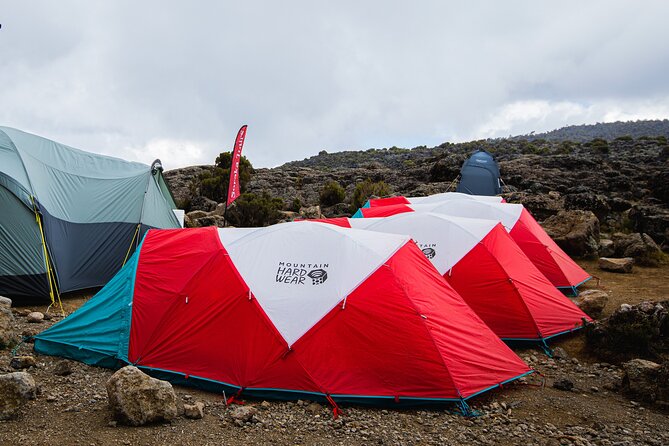
- Mountain Hardware 4-season tents and warm sleeping mats for real rest after hard days
- Diet flexibility for vegetarian, gluten-free, halal, and kosher meal plans
Lemosho Route from Moshi: why this start feels calmer
Kilimanjaro is famous for a reason, but the road to the summit can feel crowded and chaotic on some routes. The Lemosho approach is built for a slower, more natural progression, and that matters because altitude is the real boss here. As you gain height, you also gain variety: lush rainforest breathing turns into open moorland, then into harsher alpine zones where the air thins and the scenery changes fast.
Starting from Moshi is also practical. You land, you settle, and you get a briefing before you ever step onto the mountain. That first-day structure is underrated because it helps you understand what comes next: how camp life works, how your trek pacing will feel, and what to expect on summit morning.
Another nice thing about the Lemosho plan is how it mixes effort with recovery. It’s not just a straight ladder upward. You’ll hike high, then sleep lower at critical moments to support acclimatization—especially around the Shira Plateau and the later ridge days. For many people, that’s where the trek becomes manageable, not just dramatic.
You can also read our reviews of more tours and experiences in Moshi.
The Soraka team setup: certified response, porters, and your day-pack reality
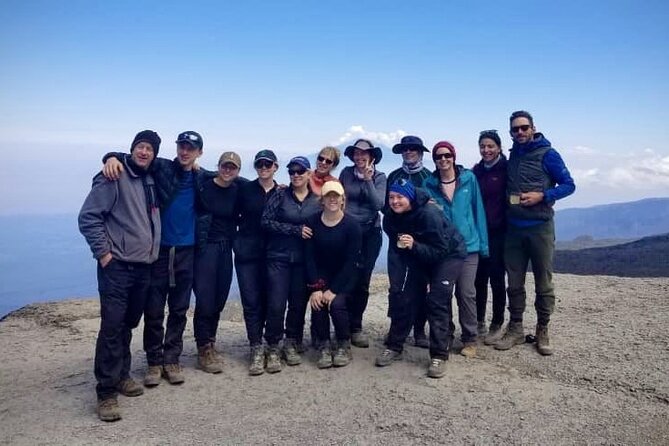
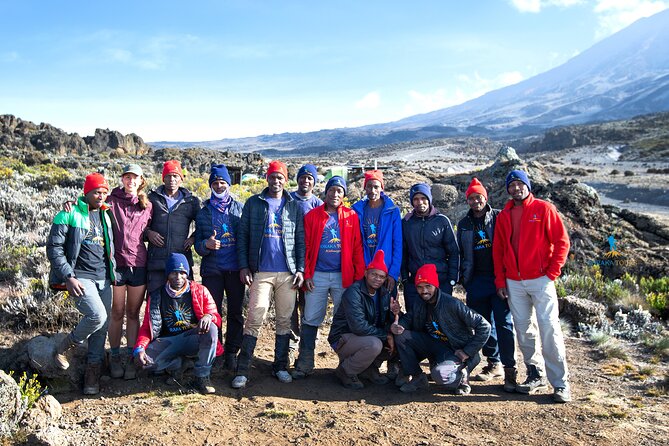
This trek is built around a full climbing crew, not just a guide who hands you a water bottle and waves you along. The guides are certified Wilderness First Responders, and that shows up as a bigger focus on safety and decision-making when someone feels off. Add in the fact that each guide has over 10 years of climbing experience, and you’re not relying on guesswork when altitude gets tricky.
Logistics are handled for you in a way that keeps the trek from turning into a gear-management job. Your porters carry your equipment except your day pack. That means you can focus on walking efficiently, keeping your hydration steady, and taking the small breaks that your guide suggests.
You also get emergency oxygen canisters and a medical kit at the ready. It’s not a guarantee you’ll need them, but having them on a trek is what you want when you’re dealing with a mountain where symptoms can change quickly.
One thing you should bring to the table: good physical fitness. This isn’t a casual stroll, and the route is long. Still, if you show up fit and follow the pacing plan, you give yourself the best chance to feel strong instead of scared by the numbers.
Camp comfort matters: tents, mats, meals, and bathroom rhythm
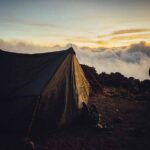
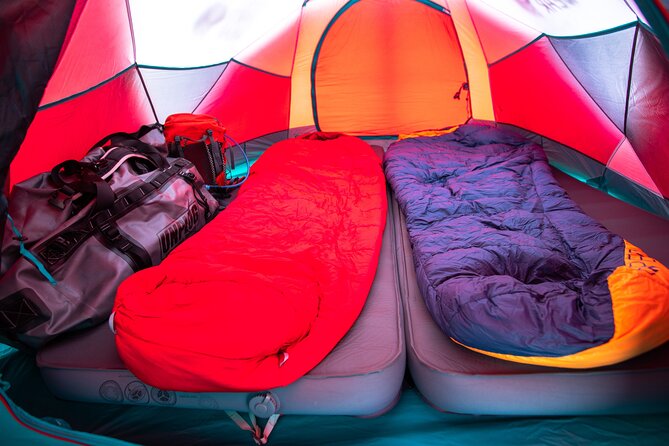
If you want to summit Kilimanjaro, you need to sleep and recover like it’s part of the training. This trek includes 4-season Mountain Hardware tents with 2 people per tent, plus warm sleeping mats. You’re not just “camping,” you’re trying to build recovery blocks night after night.
Meal support is a big part of that recovery. You get three freshly prepared meals each day, designed to keep you fueled and functioning while your body is working overtime at altitude. When you’re breathless and cold, food isn’t a luxury. It’s literally part of keeping your energy stable for the next day’s hike.
Dietary needs are also handled. The trek can accommodate vegetarians, gluten-free diets, halal, and kosher meal plans. That’s important because altitude makes appetite weird for some people. If your meals match what you can eat comfortably, you’re more likely to eat consistently.
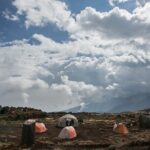
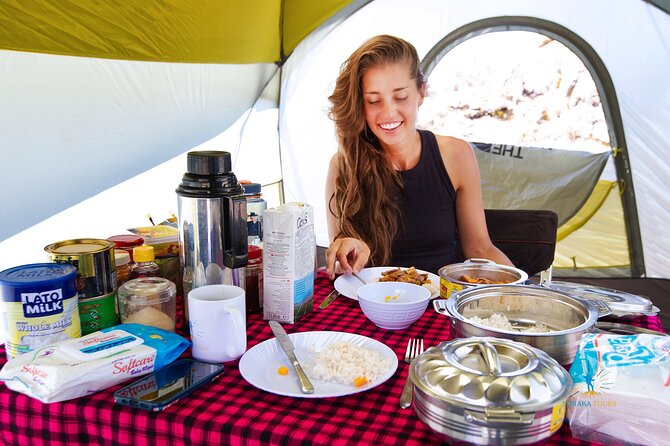
Camp setup includes dining tents, table and chairs, plus cutlery and related gear. Small details like this make the camp feel less chaotic, and that can calm nerves after a hard day on the trail.
You’ll still want to plan around the fact that you’re on a mountain, not a hotel. Camps mean cold mornings, early departures, and limited comforts. The value here is that the basics—sleeping, eating, and camp organization—are handled well.
Day-by-day: rainforest start, Shira Plateau height changes, and the big acclimatization moments
Here’s the trek rhythm, with what each day tends to feel like and what it’s doing for your body.
Day 1: Arrive in Moshi and get briefed
You arrive, transfer to your hotel in Moshi, and spend the night after a briefing. This is your warm-up day. You’re setting up your gear, meeting the crew, and getting your head into trek mode before altitude starts stealing your energy.
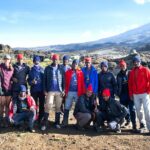
Day 2: Lemosho Gate (7,824 ft) to Mti Mkubwa camp (9,251 ft)
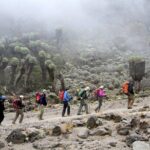
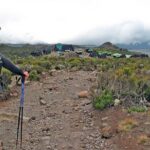
This day moves you through lush rainforest, and the elevation gain is noticeable but not extreme. The benefit of starting in forest is that your body often settles into the work with less sudden shock. It’s also where you see Kilimanjaro’s living world before it gets harsher higher up.
Expect a steady hike rather than a sprint. You’ll likely feel the pace more in your lungs than your legs, which is a good sign early on.
Day 3: Mti Mkubwa camp to Shira 1 (11,499 ft)
Now you’re gradually ascending above the forest line, and the world starts to look more exposed. The air gets drier and colder, and the trail can feel longer even if the distance isn’t huge—altitude perception changes.
This is a day to focus on rhythm: short steps, steady breathing, and stopping when your guide tells you to stop.
Day 4: Shira 1 to Shira 2 (12,598 ft) across the Shira Plateau
Crossing the Shira Plateau is where you really feel the climate shift. Vegetation changes as the altitude rises, and the landscape becomes more austere. You’re building altitude in a controlled way, which helps your acclimatization plan make sense.
If you’ve ever had altitude headaches before, this is where you’ll want to be extra honest about how you feel. The daily health checks aren’t just paperwork; they’re your early warning system.
Day 5: Shira 2 to Barranco camp (12,959 ft) via Lava Tower (15,091 ft)
This is the crucial acclimatization pattern day: you hike up to Lava Tower at 15,091 ft, then descend to Barranco camp for the night. That “go high, sleep lower” logic is what helps your body learn how to cope.
It’s not effortless. It’s just smarter. The big trick here is not getting too excited at altitude. You want to manage energy carefully so the descent doesn’t turn into exhaustion.
Day 6: Barranco camp to Karanga camp (13,106 ft) via Barranco Wall
The Barranco Wall is famous for a reason: it’s steep enough to remind you you’re climbing a mountain, not hiking a trailhead. The good news is the camp elevation isn’t a huge leap from the previous night.
This day can feel like a turning point psychologically. You’ve already done the altitude work. Now you’re learning that you can handle harder terrain without panicking.
Day 7: Karanga camp to Barafu camp (15,223 ft)
This is the climb into your last camp before the summit. Expect colder air, thinner breathing, and a stronger focus from the crew on pacing and hydration. The day is shorter on paper than summit day, but your body will likely feel it.
Mentally, it’s when most people start thinking in terms of tomorrow’s early start. Your job is to rest, follow instructions, and stay calm.
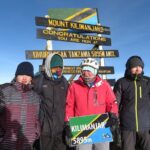
Day 8: Summit day, Uhuru Peak (19,340 ft) then down to Mweka camp
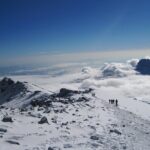
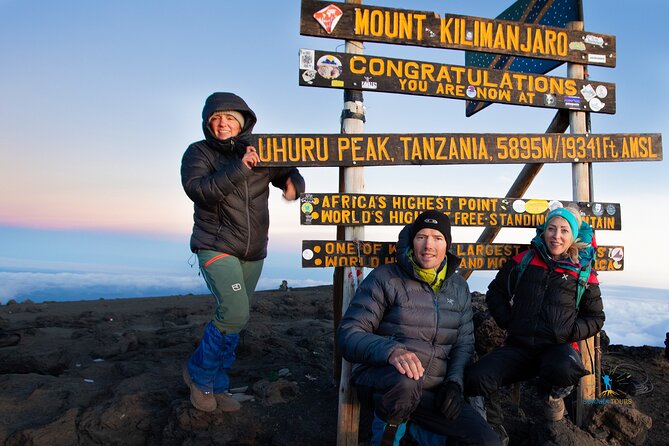
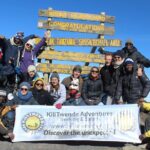
Summit day starts early—departing from Barafu camp—and the schedule is intense: a 14–16 hour day. You’re going up to Uhuru Peak (19,340 ft), then descending to Mweka camp.
This is not a day for heroics. It’s a day for steady movement. The whole point of the Lemosho pacing is to give you a shot at handling this push without burning out.
If you want a simple goal for summit day, make it: slow and consistent until the mountain is behind you.
Day 9: Mweka camp down to Mweka Gate, then transfer back to Moshi
You descend from Mweka camp to Mweka Gate, then transfer to your hotel/overnight stay. You’ll likely feel spent but also relieved. This is recovery time, not another “do more” moment.
Day 10: Airport drop-off
You’ll be taken to the airport for departure. It’s the final logistical step that keeps the trip from falling apart at the end.
Summit morning reality check: how to handle the hardest part
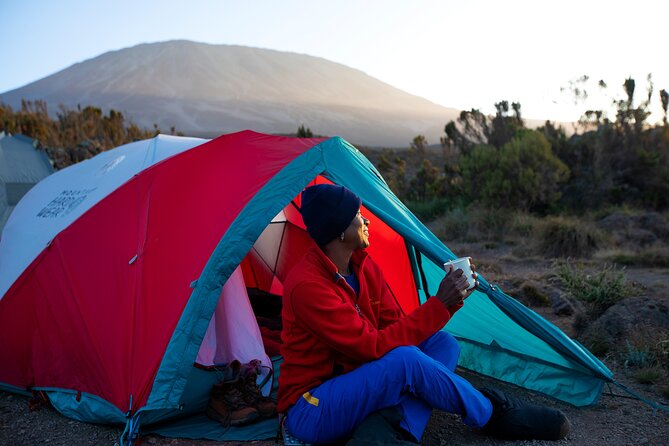
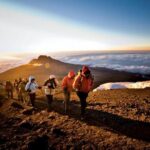
Even with the best crew, summit day is the mountain’s big test. You’ll leave Barafu camp early, push toward Uhuru Peak (19,340 ft), then descend to Mweka camp. That’s a huge commitment of time and energy.
The best way to “win” summit day is boring: take it slow, keep breathing controlled, and follow your guide’s plan for stopping and drinking. Altitude can make you feel like you need to speed up. Don’t. Speed is how people blow up.
This trek’s support system helps you stay focused. You have the crew watching your health with daily oximeter checks on previous days, plus emergency oxygen and medical support in camp. That doesn’t remove risk, but it makes the climb more managed.
Also, remember that you don’t carry everything yourself. Porters handle your equipment. You’ll carry your day pack, and your guide will keep you moving with clear instructions. It’s a relief when you’re tired.
Price and value: what $3,450 includes and why the details matter
At $3,450 per person, this trek isn’t cheap, but it is structured like you’re paying for more than walking. The price covers park fees, rescue and camping fees collected by Kilimanjaro National Park. That matters because Kilimanjaro costs aren’t just “transport plus a guide.” You’re paying for access and for safety infrastructure.
You also get:
- JRO airport pickup and drop-off
- All ground transportation
- Two nights in Moshi at Kili Wonders Hotel (breakfast included)
- Tents, dining setup, cutlery, table/chairs
- Warm sleeping mats
- A crew that includes certified response-trained guides
- Emergency oxygen and a medical kit
- Two daily health checks using an oximeter
Now the value question: what’s not included. You’ll need personal climbing equipment like hiking boots and a sleeping bag. You’ll also pay your visa fee, and travel insurance and mountaineering insurance is highly recommended. Tips for mountain staff are also not included.
So the cost is mostly “covered logistics + safety + comfort basics,” not “rent everything for you.” If you already own the right gear and you buy solid insurance, the price starts to look more reasonable because you’re paying for the system, not for items you’d otherwise have to scramble for last-minute.
Given how often people say the crew made them feel taken care of, the included support isn’t a small perk. It’s a core part of making this trek doable.
Who should pick this trek, and who should rethink the timing
This trek fits best if you:
- Want a route with gradual acclimatization and big shifts in altitude zones
- Prefer a structured, safety-first approach with Wilderness First Responder guides
- Appreciate comfort basics like 4-season tents and real camp meals
- Are willing to bring your own climbing gear and train to a strong fitness baseline
It may be a mismatch if you:
- Are looking for a short or low-effort hike
- Don’t have the fitness to handle long days, especially summit day (14–16 hours)
- Haven’t planned for cold nights and need the trek to supply your sleeping gear (it doesn’t)
If you’re traveling with the mindset of doing this for the summit view—and you’re serious about pacing—this route has the right “shape” for your goal.
Should you book this 8-day Lemosho Kilimanjaro trek?
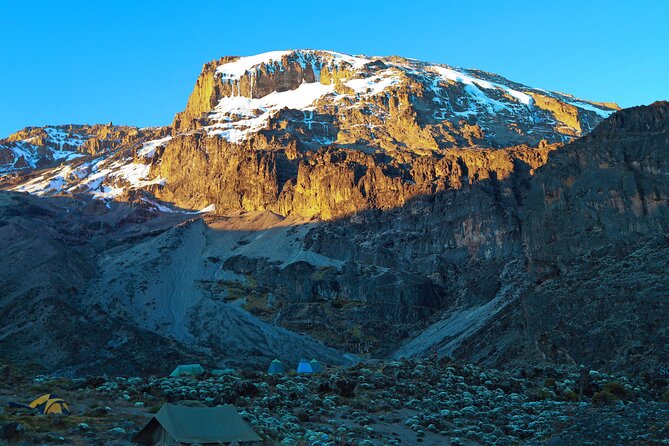
I’d book this trek if you want a calmer, acclimatization-focused route with a crew that treats safety and health as part of the job, not an afterthought. The included oxygen, medical kit, and oximeter-based health checks are exactly the kind of details that reduce chaos when your body changes at altitude.
I’d hesitate if you’re underprepared on fitness or if you need the operator to provide personal gear. Summit day is long. You’ll feel it, even with porters and strong camp support.
If you’re ready to train, pack smart, and follow the pacing plan, this is the kind of Kilimanjaro trip that makes the summit feel earned instead of rushed.
FAQ
How long is the trek?
The full experience runs about 10 days, with an 8-day Kilimanjaro trek portion. Summit day is Day 8, followed by a descent to Mweka Gate on Day 9 and airport drop-off on Day 10.
Where does the climb start and what route is it?
It’s the Kilimanjaro Lemosho Route. The trek starts at Lemosho Gate (7,824 ft) on Day 2.
What meals are included during the hike?
You get three freshly prepared meals daily while you’re on the mountain.
Are tents and sleeping gear provided?
Yes. You’ll have 4-season Mountain Hardware tented accommodation (2 people per tent) and warm sleeping mats. Personal items like your sleeping bag are not included.
Do you offer airport pickup and drop-off?
Yes. JRO (Kilimanjaro International Airport) pick-up and drop-off is included.
Are medical support and altitude checks included?
Yes. The guides are certified Wilderness First Responders, and there are two daily health checks using an oximeter, plus an emergency oxygen canister and medical kit.
Can the trek accommodate special diets?
Yes. You can request vegetarian, gluten-free, halal, and kosher meal plans.
What should I bring myself?
The trek does not include personal climbing equipment such as sleeping bags and hiking boots, so you’ll need to bring those.
What is the cancellation policy?
There’s free cancellation up to 24 hours before the experience starts for a full refund. If you cancel less than 24 hours before, the amount paid is not refunded.
Is there single accommodation?
Single accommodation is available for an extra charge.