REVIEW · MOSHI
6-Day Rongai Route Trek in Mount Kilimanjaro
Book on Viator →Operated by PINNACLE ADVENTURES & SAFARIS LTD. · Bookable on Viator
Quiet forests and big views start the Rongai climb. What makes this 6-day trek special is the approach from the north, near the Kenyan border, which usually means fewer crowds and a wilder feel early on. I also like that the route’s easier, steadier climb profile can help you keep a calm pace while you chase those crater views.
The other thing I really like is the way the team leans into practical safety and solid leadership. Names like head guide Tuma and summit-push motivation from Issa show up in the kind of feedback you want to see on a high-altitude trip. The one consideration is obvious once you see the plan: the summit day is very long, with a midnight wake-up and a major descent afterward.
In This Review
- Key things that matter on the Rongai Route (6 days)
- Rongai’s north approach: quieter, wilder, and built for pacing
- Day 1: Rongai Gate to Nale Moru, fields to pine forest (and Kenyan-plains views)
- Day 2: Kikelelwa Caves to the Second Cave, Kibo views and a high camp
- Day 3: Mawenzi Tarn Hut, a shorter-but-steeper day plus acclimatization
- Day 4: crossing the saddle between Mawenzi and Kibo to Kibo Hut
- Day 5: midnight summit push to Gilman’s Point and Uhuru Peak
- Day 6: Horombo down to Marangu Park Gate and back to Moshi (or Arusha)
- What you’re really paying for at $2,353 per person
- Guides, porters, and the kind of safety culture you want
- How the daily schedule feels in real life
- Who should book this Rongai 6-day trek
- Should you book this 6-Day Rongai Route?
- FAQ
- Where does the Rongai trek start, and where does it end?
- What are the highest points you’ll reach?
- How long are the walks on each day?
- Is emergency oxygen included?
- What meals and drinks are included?
- Do you provide camping gear and mattresses?
- Are park fees and permits included?
- Are airport transfers included?
- Can I cancel for a full refund, and how far ahead?
Key things that matter on the Rongai Route (6 days)
- North-side start, quieter trail feel: Rongai’s approach near the Kenyan border helps you avoid the busiest flows seen on some other routes.
- Early wildlife potential: the first days pass through more remote wilderness, so you may spot animals sooner than you’d expect.
- Gradual ascent profile (easier route): the climb to the summit is described as steady, which can make pacing easier.
- Kikelelwa Caves and crater rim views: you get a strong set of views at the Kibo zone, weather permitting.
- Acclimatization built into the schedule: a shorter day plus an afternoon walk at altitude helps you adjust.
- Long summit push with torchlight timing: starting around midnight means you’ll need a game plan for sleep, layers, and patience.
Rongai’s north approach: quieter, wilder, and built for pacing
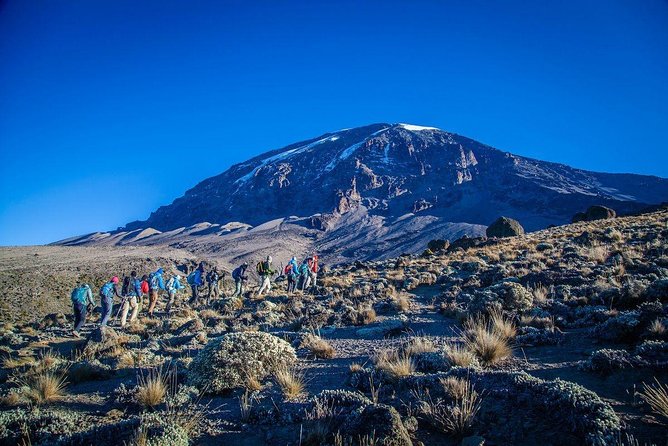
Rongai is the only Kilimanjaro route that comes up from the north, close to the Kenyan border. That matters because it changes the vibe of the trek. Instead of battling crowds early, you get more solitude and a sense of being far from everything—especially in the first couple of days.
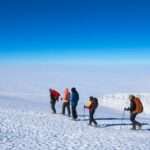
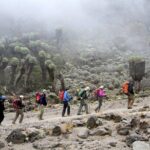
I like the “steady climb” approach on Rongai because it suits real humans. You’re not trying to win a race against your own lungs. Day-by-day, the walking time is mostly in the 3 to 6 hour range until the final summit push, so you can keep your effort consistent. The vegetation changes gradually too, from agricultural land into forest, then moorland, and later the high-altitude zones.
One more reason to consider Rongai: it’s described as one of the more easier routes with a similar ascent profile to Marangu. If you’ve heard horror stories about steep schedules, this is the kind of itinerary that gives you more room to breathe—literally.
You can also read our reviews of more tours and experiences in Moshi.
Day 1: Rongai Gate to Nale Moru, fields to pine forest (and Kenyan-plains views)
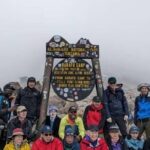
Your day begins after breakfast in Moshi, when your head guide collects you and drives you to Kilimanjaro National Park at Rongai Gate for registration. Then you’re transported by vehicle to Nale Moru at about 1,950 meters. This is one of those practical starts that helps you hit the trail without spending hours sorting logistics.
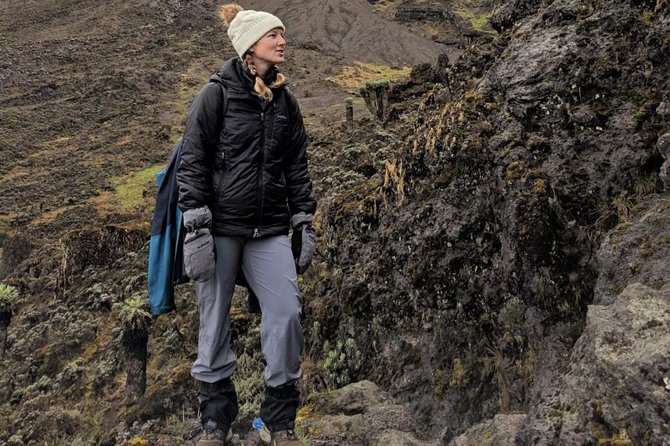
The walking day is around 3–4 hours, starting on a small path that winds past maize and potato fields. You’ll then enter a pine forest and keep climbing until you reach the edge of the moorland zone. The highlight is the chance for extensive views over the Kenyan plains. Even if the sky is a bit hazy, you still get a sense of scale right away.
Bring waterproofs. The route can be wet in the rainforest. You don’t want to be miserable on a first day when the whole point is to settle into your rhythm.
Day 2: Kikelelwa Caves to the Second Cave, Kibo views and a high camp
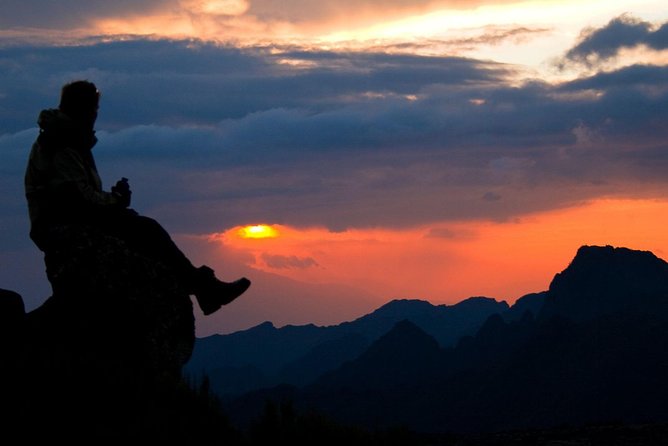
Day 2 shifts gears into the Kibo area. After breakfast at camp, you walk around 5–6 hours to the Kikelelwa Caves, with a steady ascent up to Second Cave at 3,450 meters. At this height, weather can make or break views, but if visibility is good, the views are the kind you remember.
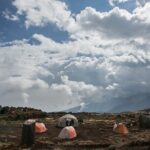
The plan is to camp near the caves at about 3,800 meters, and you’ll have dinner there. The payoff (weather permitting) is superb views of Kibo, including the eastern ice fields visible from the crater rim area.
Distance is listed as about 9 km / 5.6 miles and altitude gain around 950 m. That combination means you’ll feel it a bit, but it’s not a chaotic day. If you keep your pace steady and don’t sprint uphill, this is a solid “climb, look, rest, repeat” day.
Day 3: Mawenzi Tarn Hut, a shorter-but-steeper day plus acclimatization
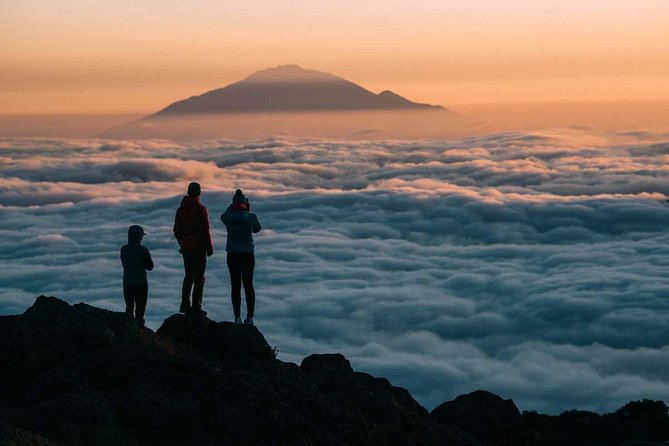
On Day 3 you get a break in walking time: about 3–4 hours. The tradeoff is that it has steeper sections. The route leaves the vegetation zones behind and moves into a more open, wilderness feel. You climb grassy slopes, and the reward is all-round views once you start gaining height.
You’ll camp at Mawenzi Tarn Hut at about 4,330 meters. Then comes the smart part: an afternoon acclimatization walk to around 4,500 meters. That helps your body adjust before you go higher and harder.
Walking distance is about 6 km, with altitude gain around 730 m. The shorter duration can tempt people to go fast. Don’t. This is one of those days where the right answer is controlled effort, not adrenaline.
Day 4: crossing the saddle between Mawenzi and Kibo to Kibo Hut
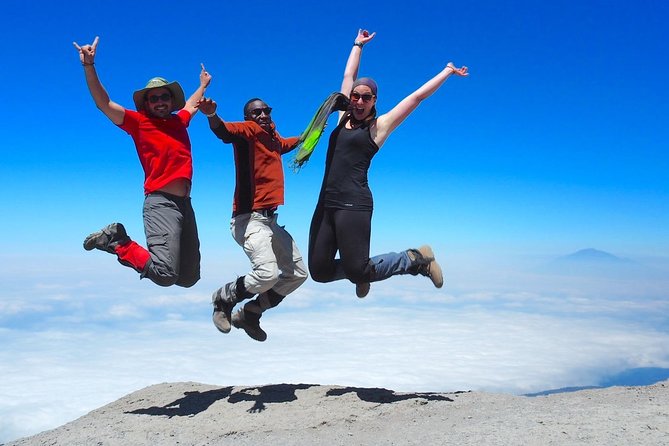
Day 4 is a move into a high, stark world. You walk about 4–5 hours crossing the saddle between Mawenzi and Kibo—sometimes described as a lunar desert stretch. The name is basically your clue: expect rocky, exposed, and not much in the way of shade or comfort.
This section matters because it’s not just “getting somewhere.” It’s a transition day that prepares you for the Kibo zone where the summit attempt happens. You’ll have early dinner and then overnight at Kibo Hut around 4,700 meters.
Distance is about 9 km, with altitude gain around 370 m. That’s not huge on paper, but the conditions can still wear you out. The best strategy here is to keep moving steadily and save your energy for the night push.
Day 5: midnight summit push to Gilman’s Point and Uhuru Peak
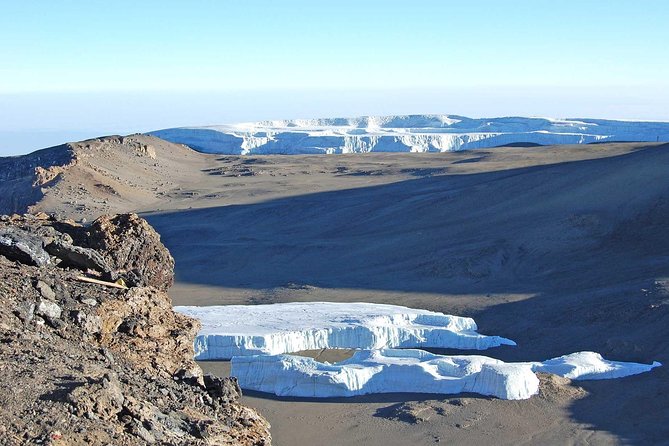
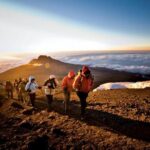
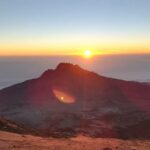
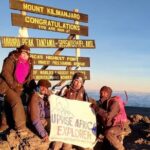
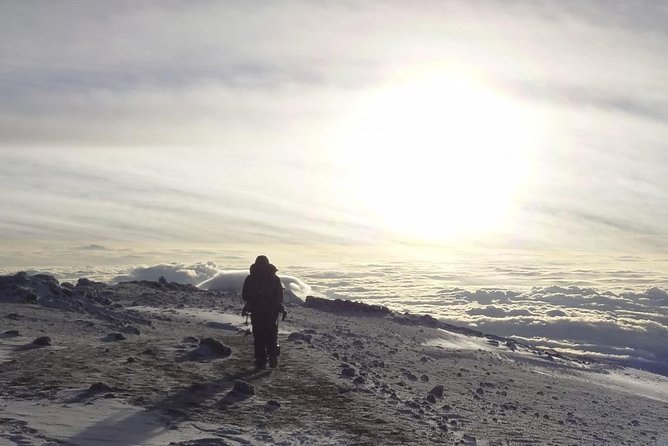
This is the day everyone remembers. You’ll be woken early, around midnight, with a hot drink and snack. Then you trek very slowly by torchlight to reach Gilman’s Point at 5,685 meters on the crater rim.
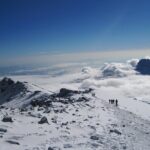
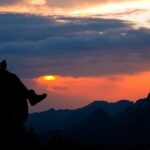
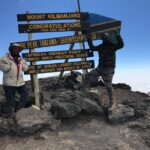
You rest there briefly to enjoy sunrise over Mawenzi Peak if weather allows. After that, you continue up to Uhuru Peak at 5,895 meters, described as the roof of Africa.
Here’s the timing reality: walking distance is listed as about 5 km ascent plus 15 km descent, and the total walking time can range from 10 to 16 hours. That’s why you need patience more than fitness heroics. Even if you feel strong at the start, the cold and thin air can slow you down later.
After the summit, you descend to Kibo Hut (4,700 m) for rest and brunch, then continue down to Horombo Hut (3,720 m) for the night. The plan is tough, but it’s thoughtfully staged: summit, refuel, then a night where you can finally breathe without torchlight.
Day 6: Horombo down to Marangu Park Gate and back to Moshi (or Arusha)
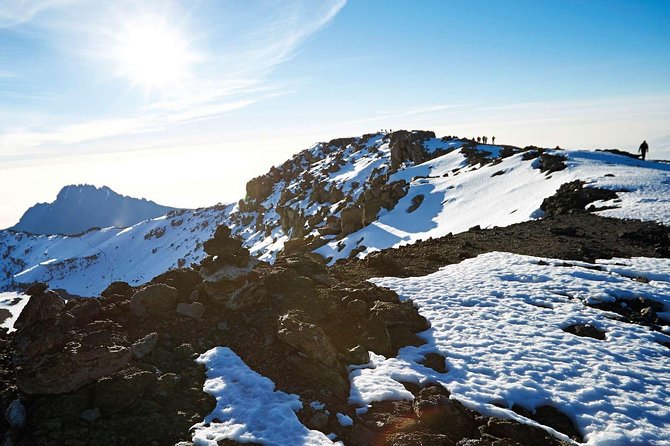
Day 6 is a proper payoff day: a descent of about 5–7 hours to Marangu Park Gate around 1,700 meters where you sign out. The walk takes you through lush forest on good paths, which is a welcome change from the high-altitude zones.
Distance is listed around 20 km and descent about 1,840 m. The time you’ll spend depends on your pace and how your legs feel after the summit day.
Once you finish, you’ll be met by a driver and transferred back to your hotel in Moshi or Arusha. That flexibility is helpful if you’re planning a wider Tanzania trip.
What you’re really paying for at $2,353 per person
The price is $2,353 per person for a 6-day trek. On Kilimanjaro, the value isn’t just the permit or the summit dream. It’s the staff, the meals, the equipment, and the safety pieces that keep the trip running smoothly.
This package includes:
- Guides and porter team (qualified mountain guide, assistant guides, porters, and cook)
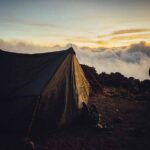
- Camping equipment like tents, camp chairs, camp tables, and sleeping mattresses
- Meals: breakfast (5), lunch (6), dinner (4)
- Fresh water for drinking and hot water for a wash daily
- All fees and taxes
- Emergency oxygen (for emergencies only, not as summit aid) plus a basic first aid kit
- Return transfers between Kilimanjaro airport and Moshi (plus Moshi back to the airport)
I like that emergency oxygen is included. I also like that it’s framed correctly: not as a shortcut, just as an emergency tool.
What costs extra (and you should plan for):
- Flights and visas
- Travel and health insurance
- Personal hiking gear (you can rent in Moshi)
- Portable toilet (optional but strongly recommended)
- Personal medicine and water purifying tablets
- Snacks and drinks not specified
If you’re the type who wants your logistics handled so you can focus on acclimatization and getting your head in the right place, the included staffing and equipment matter a lot.
Guides, porters, and the kind of safety culture you want
The best Kilimanjaro trips don’t just have good weather. They have good people who run the schedule and manage the altitude reality with calm judgment.
On this trek, the leadership includes a head guide plus assistant guides and a team of porters and cooks. In feedback tied to this operator’s Kilimanjaro work, Tuma is called out for ensuring safety throughout the climb. Another name you’ll see connected to summit motivation is Issa, especially on the final push when the schedule and your body start arguing.
There’s also a recurring point about the porters: the work is described as tireless and essential to keeping camps functioning and you fed. That’s not a small detail. If you’ve ever helped set up gear at altitude, you know the energy you save by having trained porters matters.
The practical takeaway for you: trust the team’s pace guidance. If they insist on slowing down, it’s not motivational fluff. It’s altitude math.
How the daily schedule feels in real life
This itinerary is built around controlled altitude steps and a clear summit plan.
- Day 1 gives you a gentle start: 3–4 hours, agricultural land to forest to moorland.
- Day 2 is your first real height push: 5–6 hours to the Second Cave area and a camp at 3,800 m.
- Day 3 is shorter but steeper: 3–4 hours plus an afternoon acclimatization walk near 4,500 m.
- Day 4 shifts into a stark transition: 4–5 hours across the saddle to Kibo Hut.
- Day 5 is the big one: midnight start, torches, sunrise potential, summit, then a long descent.
- Day 6 is forest walking and sign-out, then transfer back down.
If you like structure and you don’t want a chaotic “push hard every day” plan, Rongai gives you that. If you’re expecting an easy stroll, though, remember that Day 5 can turn legs to pudding. That’s true for all routes.
Who should book this Rongai 6-day trek
This trek fits you best if:
- You want a quieter Kilimanjaro feel thanks to the northside approach and lower crowd levels.
- You like a more gradual ascent profile and want days that let you settle into altitude rhythm.
- You want a chance at wildlife sightings early while the route still feels remote.
- You want a team that’s been praised for safety-first guiding and strong support during the summit push.
You might think twice if:
- You know you struggle with very long summit days. Day 5 can run 10–16 hours total walking.
- You don’t handle cold well. Torchlight summit attempts happen at night and temperatures can drop fast at altitude (weather varies, but plan for cold either way).
Should you book this 6-Day Rongai Route?
I’d book this if you want the Kilimanjaro experience with a calmer trail vibe and an itinerary that respects acclimatization. The north approach, early wilderness feel, and the steadier climb profile make Rongai a smart choice when you want the summit goal without chaos on Day 1 and Day 2.
If you’re drawn to the summit sunrise idea, you should know the plan includes a midnight start and a long day after you reach the top. That’s the trade. For most people who train for endurance and accept slow pacing, it’s the right kind of challenge.
If you prefer booking a company known for practical organization and supportive guiding, the names Tuma and Issa being highlighted for safety and summit motivation is exactly the sort of signal I look for.
FAQ
Where does the Rongai trek start, and where does it end?
The trek starts in Moshi, Tanzania (meeting point listed as Moshi Urban). Your final day ends back at the meeting point, after you descend to Marangu Park Gate and are transferred by driver to Moshi or Arusha.
What are the highest points you’ll reach?
On summit day, you reach Gilman’s Point at 5,685 meters and then Uhuru Peak at 5,895 meters (the roof of Africa). You also spend nights at high camps such as Kibo Hut around 4,700 meters and Horombo Hut around 3,720 meters.
How long are the walks on each day?
Day 1 is about 3–4 hours, Day 2 about 5–6 hours, Day 3 about 3–4 hours, Day 4 about 4–5 hours, and Day 6 about 5 hours (listed walking time). Day 5 is the longest, with overall walking time ranging from 10–16 hours due to the midnight start, summit, and descent.
Is emergency oxygen included?
Yes. Emergency oxygen and a basic first aid kit are included, and the oxygen is for use in emergencies only, not as summit aid.
What meals and drinks are included?
The package includes breakfast (5 times), lunch (6 times), and dinner (4 times). You also get fresh water for drinking and hot water for a wash daily.
Do you provide camping gear and mattresses?
Yes. Camping equipment is included, including tents, camp chairs, tables, and sleeping mattress. Personal hiking/trekking gear is not included, but you can rent gear in Moshi.
Are park fees and permits included?
Yes. All fees and taxes are included in the trek package.
Are airport transfers included?
Return transfers are included between Kilimanjaro airport and Moshi, and from Moshi back to Kilimanjaro airport. Pickup is also offered.
Can I cancel for a full refund, and how far ahead?
You can cancel up to 3 days in advance of the experience for a full refund. If you cancel less than 3 full days before the start time, the amount paid is not refunded. Cut-off times are based on the experience’s local time.