REVIEW · KATHMANDU
Langtang Panorama Trek
Book on Viator →Operated by Unique Path Trekking Expedition Pvt. Ltd · Bookable on Viator
Langtang is the kind of mountain trip that delivers. You’ll start with a Kathmandu drive, then walk into Langtang Valley for classic Tamang countryside, Langtang-Ganesh Himal views, and a high, memorable day around Gosaikunda. I like that the route is built for moderate trekking with clear day plans and guest-house nights, and I like the practical support included, from an English-speaking guide to altitude-check gear.
One thing to consider: even though it’s described as moderate, you still hit big altitude numbers, including 5050m on Chorkari ri. If you’re not comfortable hiking steep stretches at altitude, you’ll want to prepare well and move slowly.
In This Review
- Key points to know before you go
- Langtang Panorama Trek: a route north of Kathmandu that feels worlds away
- Day-by-day walkthrough: what each stage feels like
- Day 1: Kathmandu to Syabrubesi (1610m)
- Day 2: Syabrubesi to Lama Hotel (2480m)
- Day 3: Lama Hotel to Langtang Village (3541m)
- Day 4: Langtang Village to Chorkari ri (5050m) and back to Kyangjin Gompa
- Day 5: Langtang Village back down to Lama Hotel (2480m)
- Day 6: Lama Hotel to Thulo Syabru (2200m)
- Day 7: Thulo Syabru to Cholangpati (3680m)
- Day 8: Gosaikunda and Lauribina pass (4600m), then down to Cholangpati
- Day 9: Cholangpati down to Dhunche
- Day 10: Dhunche back to Kathmandu
- Altitude reality check: it’s moderate, but it’s not low
- Langtang village and Kyangjin Gompa: where the valley turns personal
- Gosaikunda and Lauribina pass: the day you remember on the flight home
- Forest trekking, rhododendron, and the red panda possibility
- Guides and group size: why Unique Path’s approach matters
- Price and logistics: does $755 feel fair for what you get?
- What’s packed for you vs. what you must bring
- Who should book this trek, and who should rethink it
- Should you book the Langtang Panorama Trek with Unique Path?
- FAQ
- FAQ
- How long is the Langtang Panorama Trek?
- Where does the trek start and end?
- What is the highest altitude on this itinerary?
- Is pickup offered from Kathmandu?
- How many travelers are in the group?
- What kind of meals are included?
- Are drinks included on the trek?
- Is a guide included?
- Do they provide sleeping gear for high altitude?
- What about travel and rescue insurance?
- What is the cancellation policy?
Key points to know before you go
- Rhododendron forest trekking on gentler days, plus bamboo groves where red pandas are reported (even if you don’t spot one).
- A real panorama day: Chorkari ri (5050m) and back down the same day.
- Gosaikunda plus Lauribina pass: one of the trip’s standout cultural/nature combos at 4600m.
- Small-group feel: maximum 25 travelers, and it can run even smaller with close guide attention.
- Comfort and safety items included: private twin-sharing rooms, meals, and gear like sleeping bags/down jackets plus an oxygen/pulse check meter.
Langtang Panorama Trek: a route north of Kathmandu that feels worlds away
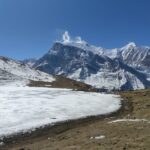
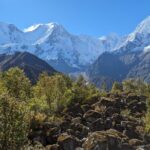
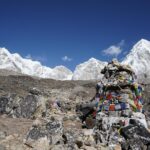
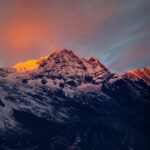
This trek takes you north of the Kathmandu valley rim, into a quieter part of Nepal that many people treat as the next step up from a basic walk. You’re in Langtang proper, with the backdrop of the Jugal mountain range and Langtang-Ganesh Himal peaks, so the scenery payoff is built into the daily effort.
What makes this particular trek appealing is the balance. You get enough hiking to feel like a real trek, but not so much that every day turns into a suffer-fest. And because it’s designed around guest-house nights, you don’t have to think too hard about logistics on the trail.
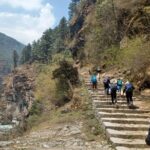
The other reason I think you’ll like it: the trip is structured to keep you moving through variety. You’ll pass forest sections with rhododendron, oak, magnolia, pines, and firs, then shift into higher, more open views as you climb toward the Gosainkund area.
You can also read our reviews of more tours and experiences in Kathmandu.
Day-by-day walkthrough: what each stage feels like
Below is what the schedule means in real trekking terms. I’ll focus on the vibe and the practical trade-offs, not just the altitude number.
Day 1: Kathmandu to Syabrubesi (1610m)
You start with a bus ride about 7 hours from Kathmandu to Syabrubesi, sleeping in a guest house that night. This day is about getting oriented and getting your body into Nepal time. It’s long, but it’s also a clean start: you don’t hike on day one.
Day 2: Syabrubesi to Lama Hotel (2480m)
Today is your first walking day, about 5.5 hours. Lama Hotel is still in the lower trekking zone, so it’s a good day to find your pace and get your legs working. Expect a steady climb through the broader valley approach before things start feeling higher and colder at night.
Day 3: Lama Hotel to Langtang Village (3541m)
Now you’re moving into the classic Langtang Valley story, with about 5 hours of hiking to Langtang Village at 3541m. This stretch is where the valley starts to look more dramatic, and where villages feel more exposed to mountain weather. You’ll also start noticing how the trail environment changes as you gain elevation.
Day 4: Langtang Village to Chorkari ri (5050m) and back to Kyangjin Gompa
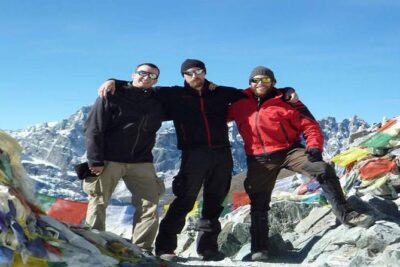
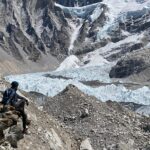
This is your big summit-style day, with about 7.5 hours total, including the climb to Chorkari ri (5050m) and then working back toward Kyangjin Gompa. Even though it’s a round-trip style effort, it’s still intense: higher breathing, colder air, and steeper effort. The upside is the panorama payoff. The trade-off is that you’re spending a long day above where your lungs would be back home.
Day 5: Langtang Village back down to Lama Hotel (2480m)
After the highest exertion day, you drop down to Lama Hotel, about 6 hours. This is the kind of descent that helps you reset. Your legs will still feel it, but it’s a smart move in the itinerary because it reduces altitude stress right after the hardest day.
Day 6: Lama Hotel to Thulo Syabru (2200m)
Today you walk about 5.5 hours to Thulo Syabru (2200m). It’s not the highest day, so you can focus on good footwork and steady breathing. This part of the trek also helps you transition toward the later Gosainkund leg without pushing too fast upward.
Day 7: Thulo Syabru to Cholangpati (3680m)
A climb day again, about 6 hours, ending at Cholangpati (3680m). Cholangpati is positioned as a key overnight before the Gosainkund pass work, so treat it like your staging point. Expect more cold, more wind exposure, and more of that high-altitude stillness.
Day 8: Gosaikunda and Lauribina pass (4600m), then down to Cholangpati
This day combines sightseeing and effort. You’ll visit Gosaikunda and Lauribina pass (4600m) and then hike down about 7.5 hours total back to Cholangpati. The pass is the headline, but the lake area also matters because it’s a change in mood: fewer village textures, more weather and open views, plus a spiritual landscape feel around the lake.
Day 9: Cholangpati down to Dhunche
A shorter day, about 4.5 hours, dropping to Dhunche. This feels like the trek finally loosening its grip. You’ll still be walking, but the end is in sight.
Day 10: Dhunche back to Kathmandu
You’re on a bus ride around 5.5 hours to Kathmandu and transfer to your hotel. Day 10 is a relief day. You’ll likely feel the altitude in your body for a bit, but you should also feel proud. You earned it.
Altitude reality check: it’s moderate, but it’s not low
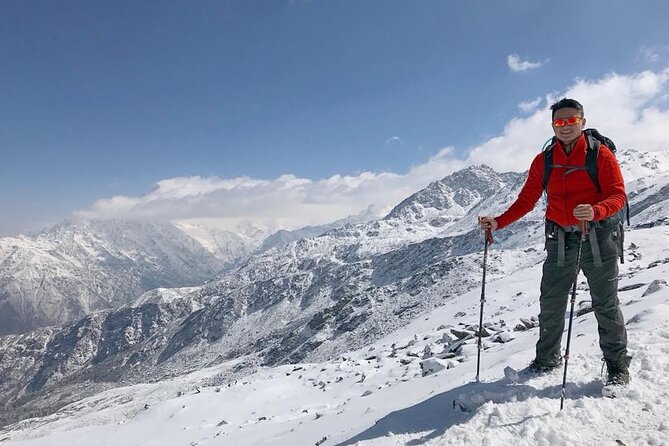
The trek is listed as moderate and adventurous, and that mostly shows up in how the days are paced. You’re not climbing to the maximum altitude every day. You get descents and you get time to settle.
That said, you do have high points:
- Chorkari ri: 5050m on Day 4
- Lauribina pass: 4600m on Day 8
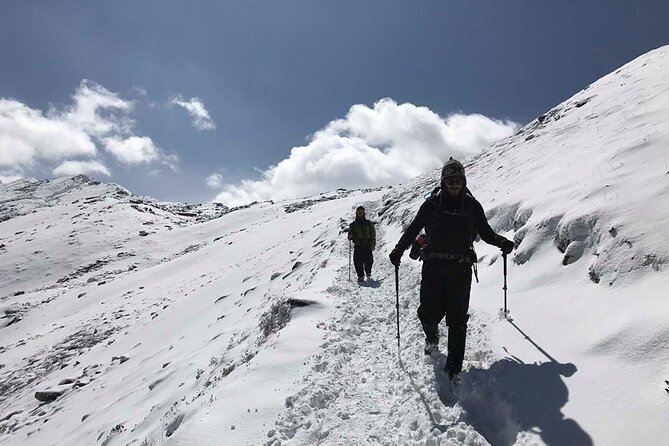
So what should you do with that information? Train for sustained hiking, not just short bursts. Bring a pace that you can hold even when you feel a little slow. And follow guide advice closely if you start feeling off. The itinerary structure gives you smart rhythm, but altitude is still altitude.
One practical plus: the trip includes altitude-related monitoring gear (an oxygen/pulse/heart-rate checking meter). That doesn’t prevent altitude issues, but it gives you better information in the moment.
Langtang village and Kyangjin Gompa: where the valley turns personal
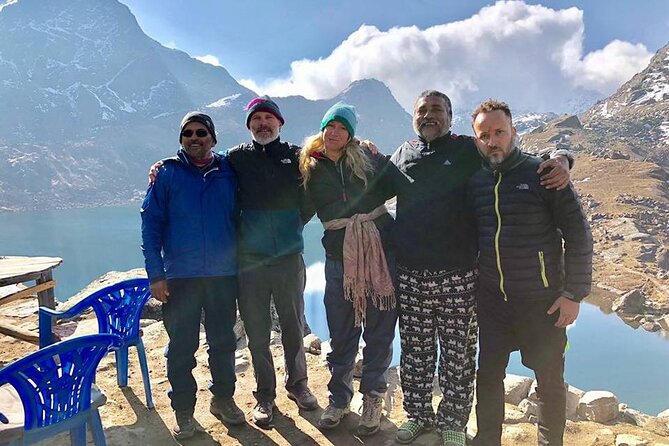
Langtang Village (3541m) is where the trek feels like more than walking. It’s a village stop, so you’ll experience day-to-day mountain life rather than just views from a ridgeline. This is also where the “moderate trek” label matters: you’re not only grinding uphill; you’re arriving somewhere human.
Then comes Kyangjin Gompa, where you return after the Chorkari ri push. Gompa stops are often where weather shifts quickly, and you can feel that mountain presence. Even if you’re not big on religious sites, a monastery stop gives you a pause to rest, warm up, and take in how the landscape looks from a calmer spot.
Gosaikunda and Lauribina pass: the day you remember on the flight home
If you like your trekking days with a clear highlight, Day 8 is it. You’re aiming for Lauribina pass at 4600m and visiting Gosaikunda, then coming back down to Cholangpati.
What I like about this setup: you get a target, and the return down helps your body recover. What you should expect: cold and wind can move in fast at that elevation, and your hiking pace will likely slow. Bring warm layers and don’t treat the day like a casual walk.
Also, a trek around Gosaikunda usually has a different energy than pure wilderness hiking. You’re moving through a place people care about deeply, so it feels meaningful even when you’re just focused on your footing.
Forest trekking, rhododendron, and the red panda possibility
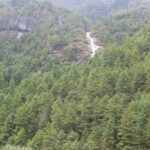
One of the best parts of this region is the forest hiking, especially early on. The route is described as moving through rhododendron (Nepal’s national flower), oaks, magnolia, pines, firs, and bamboo groves in some sections.
Will you see a red panda? Nobody can guarantee that, but the fact that bamboo groves are included in the trek description is a good sign for real animal habitat. Even if you don’t spot one, these forest sections make the trek feel alive and textured, not just like a long uphill line.
Guides and group size: why Unique Path’s approach matters
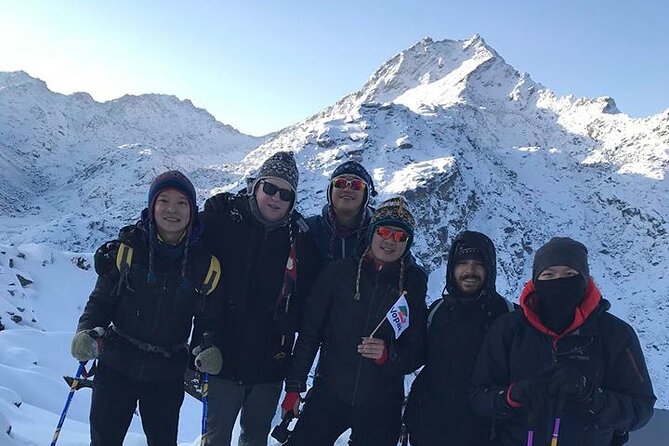
This trek is capped at a maximum of 25 travelers, but the real experience depends on how many trekkers you share the trip with. In one recent trip run, the group was just three people, and the guide named Suresh provided close support. Smaller groups tend to mean you can ask questions, get feedback on pacing, and handle small adjustments without feeling rushed.
The organization behind the trek also sounds consistent. The owner Babu is described as responsive and flexible during booking, and his team supports the trip from Kathmandu onward. In at least one case, the start included an airport collection and then onward with a jeep transfer to reach the trek start. Even though your itinerary spells out bus driving to Syabrubesi, it’s a good reminder that your first day logistics can include local shuttling.
And when things go wrong, a capable guide makes the difference. One trekper shared that their original Langtang plan had to change due to weather and a sprained ankle, and guide Dambar helped switch to a worthwhile partial trek on the Tamang Heritage Trek. That’s exactly what you want to hear: flexibility with an actual plan, not just stopping and hoping.
Price and logistics: does $755 feel fair for what you get?
At $755 per person, this trek looks like solid value when you compare what’s included. The biggest items in your favor:
- Meals three times a day during the trekking portion
- All ground transportation as per the itinerary
- Twin sharing private rooms during trekking nights (and guest houses on the route)
- An English-speaking trekking guide
- Langtang National Park entry permits and required paper work
- A first aid medical kit plus an oxygen/pulse/heart-rate monitoring meter
- Sleeping bag and down jacket provided if necessary
- TIMS (Trekkers’ Information Management System)
- A trip map, plus a certificate and trekking cap as souvenir items
- Trip “travel & rescue arrangement” is included, but it should match what your insurance company covers
Now the fair warning section. What’s not included can add cost:
- Kathmandu meals and accommodation
- Drinks in the mountain (hot/cold/alcohol)
- Personal equipment
- Travel and rescue insurance
- Tips for trekking staff and driver (tipping is expected)
- Porter (not included)
So here’s the real value question: if you show up with the right personal gear and you’re ready to carry your own pack (or plan a porter separately), the trek sounds priced to reduce decision fatigue. If you arrive underprepared on gear and insurance, the “cheap end” of trekking can turn into a more expensive trip fast.
What’s packed for you vs. what you must bring
You’re not fully on your own here. The trip includes:
- Four-season sleeping bag
- Down jacket (to use if necessary)
- Basic medical kit and altitude monitoring gear via the provided system
What you still need to bring yourself (since it’s not included):
- Personal equipment like trekking shoes and your personal layers
- Phone/laundry extras and similar personal costs
- Any toiletries and the comfort stuff you rely on
If you’re a lighter packer, this is a good setup because it reduces the heaviest items you might otherwise have to rent. If you’re a careful cold-weather hiker, you’ll probably still want your own thermal layers even with a provided jacket option.
Who should book this trek, and who should rethink it
This trek fits best if you:
- Have moderate physical fitness
- Want a 10-day itinerary with steady progress and clear daily goals
- Like a mix of forest trekking, village stops, and high-altitude panorama work
- Prefer guided organization with an English-speaking leader and supported logistics
You should rethink it if you:
- Struggle with altitude, long hiking days, or cold overnight conditions
- Don’t handle long walking days well (because you do have 7–7.5 hour days)
- Have a history of altitude complications and can’t manage the climb safely
Also think about your tolerance for carrying your own load. A porter is not included, so plan realistically.
Should you book the Langtang Panorama Trek with Unique Path?
I’d book this trek if you want a classic Langtang experience with a clear structure: forest days early, a peak day at Chorkari ri (5050m), and then the big cultural-nature day around Gosaikunda and Lauribina pass (4600m). The included guide support, meals, permits, and provided trekking sleep gear make it easier to travel smarter and spend less time figuring things out.
I’d hesitate only if you’re unsure about altitude effort, or if you don’t have the gear/insurance sorted. In that case, fix those gaps first. This trek can be a rewarding balance of challenge and comfort, as long as you respect the climb.
FAQ
FAQ
How long is the Langtang Panorama Trek?
It runs for about 10 days.
Where does the trek start and end?
You start in Kathmandu, drive to Syabrubesi for the trek, and finish with a bus ride back to Kathmandu from Dhunche.
What is the highest altitude on this itinerary?
The highest point listed is Chorkari ri at 5050m. You also reach Lauribina pass at 4600m.
Is pickup offered from Kathmandu?
Yes, pickup is offered.
How many travelers are in the group?
The maximum group size is 25 travelers.
What kind of meals are included?
You get three meals a day (breakfast, lunch, and dinner) during the trekking days. Meals and accommodation in Kathmandu are not included.
Are drinks included on the trek?
No. Drinks in the mountain (hot, cold, and alcoholic) are not included.
Is a guide included?
Yes. You’ll have an experienced, English-speaking trekking guide.
Do they provide sleeping gear for high altitude?
Yes. The trip includes a four-season sleeping bag and down jacket to use for trekking if necessary.
What about travel and rescue insurance?
Travel and rescue insurance is not included, but the trip includes a travel and rescue arrangement should be covered by your insurance company.
What is the cancellation policy?
You can cancel up to 24 hours in advance for a full refund. If you cancel less than 24 hours before the experience starts, the amount paid is not refunded.