REVIEW · MOSHI
7-Day Kilimanjaro Trekking Tour via Machame Route
Book on Viator →Operated by Kilimanjaro Heroes Adventures · Bookable on Viator
Kilimanjaro has a way of changing your brain. On the Machame Route you get big scenery swings, memorable camps, and a summit night plan that’s clear and structured. The schedule is built to balance effort with altitude sense, with moments like Shira sunsets and Barranco stargazing that stick in your memory long after the climb.
I really like how this trip targets the mountain’s best “chapters” in a smart order. You’ll have a dedicated acclimatization day with a climb that’s meaningful but not a full sleep-height jump, and you’ll also get the high-drama days: the Barranco Wall day and the midnight summit bid to Uhuru Peak.
One thing to consider: Machame is a tougher route than the gentler options. It’s more steep on both climbs and descents, so you’ll want a steady pace, good trekking shoes, and the mental stamina for a couple of long days.
In This Review
- Key moments that make the Machame 7-day route worth it
- Moshi base camp: starting calm before the mountain gets loud
- Day-by-day on the mountain: what each segment really feels like
- Day 1: Moshi arrival, briefing, and Keys Hotel reset
- Day 2: Rainforest start to Machame Camp (about 5–6 hours)
- Day 3: Shira Plateau and the Kibo glacier glow (about 6 hours)
- Day 4: Acclimatization with a big altitude lesson (about 6–7 hours)
- Day 5: Barranco Wall day to Barafu Camp (about 6–8 hours)
- Day 6: Midnight summit push to Uhuru Peak (about 5–10 hours on summit day)
- Day 7: Mweka gate exit, rainforest walk, and the certificate moment (about 4 hours)
- Your support team is the real upgrade (guides, cooks, porters)
- Price and value: $2,850 makes sense only if you want the full system
- Packing and mindset tips that match Machame’s rhythm
- Should you book this 7-day Machame tour with Kilimanjaro Heroes Adventures?
- FAQ
- What route is this Kilimanjaro trek using?
- Where does the trek start and what time?
- Do you pick you up from the airport in Kilimanjaro?
- How long is the trek on the mountain?
- Is this a private tour?
- What fitness level do you need?
- Are park entrance tickets included?
- Is there free cancellation?
- Do you get a ticket for the trip?
Key moments that make the Machame 7-day route worth it
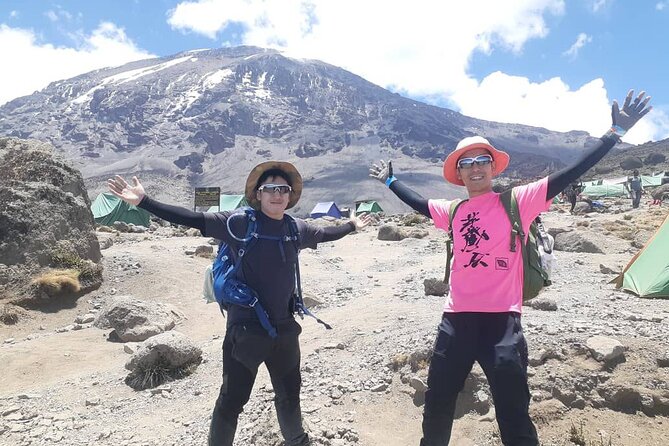
- Shira Plateau sunset energy: you’re positioned so the Kibo glacier can glow as the light fades
- Barranco Camp stargazing: an altitude camp setup that makes night skies feel close
- Acclimatization done the practical way: a day designed to help your body adjust without stacking too much gain overnight
- Barranco Wall with safety support: it looks scarier than it feels, and you’re secured if needed
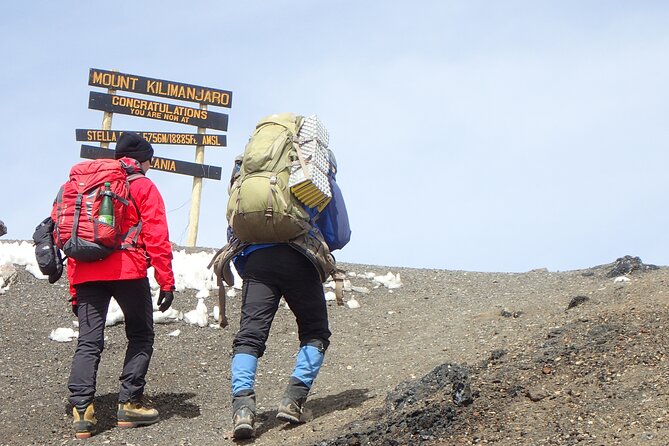
- Summit night rhythm: tea and biscuits, then headlight-and-go to Stella Point and finally Uhuru Peak at 5,895m
- Real team value: guides and support staff who handle logistics so you can focus on walking
Moshi base camp: starting calm before the mountain gets loud
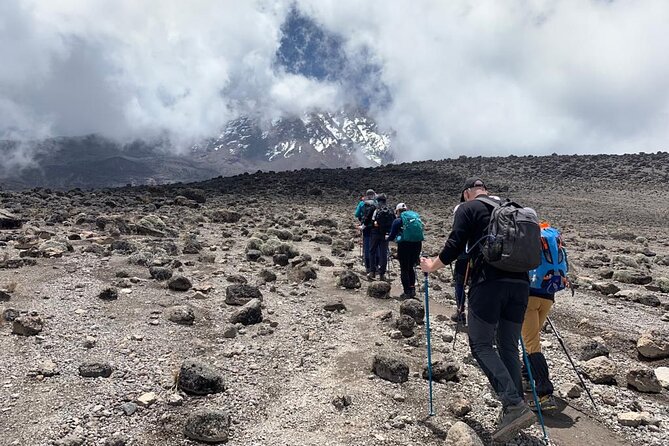
Most Kilimanjaro trips start with a scramble. This one starts with something better: you land at Kilimanjaro International Airport (JRO), meet your driver, and get transferred to Keys Hotel in Moshi. There’s time for a briefing and a proper overnight before you start climbing.
That matters because Kilimanjaro doesn’t care if you’re tired. You’ll want sleep and focus for an early start the next day (the climb start time is listed as 8:00am). Moshi is also close enough to the park that your “Day 2 gate crossing” happens without a long, draining transfer day first.
You’re also signing up for a private tour, which is a practical plus if you’re a couple, family group, or friends who want one rhythm instead of getting pulled along by a larger mix. A private setup generally feels less chaotic when you’re dealing with cold mornings, headlamps, and the usual “where did I put my gloves” moments.
You can also read our reviews of more tours and experiences in Moshi.
Day-by-day on the mountain: what each segment really feels like
Day 1: Moshi arrival, briefing, and Keys Hotel reset
You’ll arrive and get a meet-and-greet. Then it’s transfer to Keys Hotel for your briefing and overnight.
This day is not about altitude or effort. It’s about setting you up with clear expectations: how the park process works, how the hiking day pacing will feel, and what to carry. If you’re the kind of person who hates surprises, this kind of reset is a relief.
What to watch for: try not to overpack your excitement. You want a calm evening, early bedtime, and a mind that’s ready for the mountain start.
Day 2: Rainforest start to Machame Camp (about 5–6 hours)
You leave after breakfast for the park gate, about a one-hour drive from Keys Hotel. Then you handle park formalities and begin the climb toward Machame Camp.
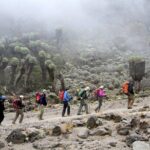
The big first-day reward here is the transition into a real mountain environment. You’ll hike through rainforest with older trees, and the air can feel warm and thick compared to what you’ll be experiencing higher up. Even if you’re not hitting “wow views” yet, this day sets your legs and teaches you the day’s pace.
Machame Day 2 is a strong warm-up that doesn’t feel too easy. You start with steady movement, and by the time you reach camp you’re ready for the real altitude climb story that follows.
Possible drawback: if you sprint early because the rainforest feels “easy,” you’ll pay for it later. Start slow. Keep your breathing controlled.
Day 3: Shira Plateau and the Kibo glacier glow (about 6 hours)
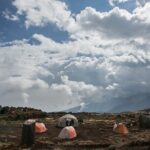
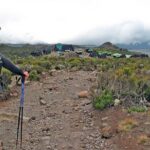
Today the vibe shifts. You’ll move from green mountain rainforest into moor and heath land, and the scenery opens up in a different way. You’ll reach camp on the Shira Plateau around mid-afternoon.
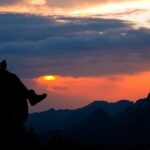
This is where the route gives you a classic Kilimanjaro moment: the view of the mountain range with the Kibo glacier lighting up as the sun sets. It’s not just pretty for photos. It helps you understand you’re moving into an alpine zone where weather and temperature can flip fast.
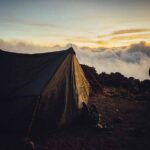
You’ll also appreciate the camp timing. Reaching earlier in the day gives you time to settle, eat, and get comfortable with the cold before darkness fully arrives.
Day 4: Acclimatization with a big altitude lesson (about 6–7 hours)
This is one of the best design choices on the Machame Route. You’ll climb roughly 700m, but you’ll sleep at a level that’s not much higher than the night before. That’s a huge deal for altitude safety.
Then you go from Shira Plateau up to Lava Tower (around 4,640m), rest, and continue through the Barranco Valley to Barranco Camp.
Along the way, you get a mix of alpine desert feel plus valley ecology. You’ll also be hiking toward an iconic next-day challenge, so Day 4 functions like your body’s training day, not just your hiking day.
What to do at camp: drink fluids steadily, keep warm layers ready, and don’t judge the altitude by how you feel at noon. Altitude problems often show up when you stop moving.
Day 5: Barranco Wall day to Barafu Camp (about 6–8 hours)
Day 5 is the “do I really want to do this?” day, and that’s normal. You’ll scale the Barranco Wall, using hands and feet. It can look more daunting than it is, and safety is taken seriously—if you need to be secured, you will be.
Then the trail continues with up-and-down sections, stream crossings, and a good long walking rhythm. You’ll stop for lunch in Karanga Valley, then push again for another 2–3 hours before reaching Barafu Camp (also around 4,640m).
This day is a classic Machame test: legs will feel it, but the route pays you back by setting you up for the summit attempt with enough time to rest.
Tonight’s game plan is straightforward:
- drink lots of fluids
- try to eat even if your appetite is a little weird
- go to bed early so you’re ready for midnight wake-up
Possible drawback: if you’re the type who hates early nights and dislikes rigid timing, this day can feel frustrating. But it’s part of how you make summit night realistic.
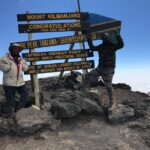
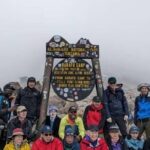
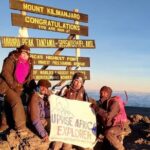
Day 6: Midnight summit push to Uhuru Peak (about 5–10 hours on summit day)
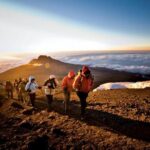
This is the day people remember. You’ll be woken around midnight with tea and a biscuit. Then it’s warm dressing, headlight, and your daypack.
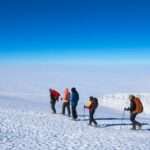
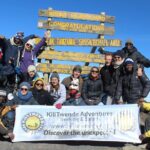
You’ll hike slowly for 5–7 hours to the rim of the crater at Stella Point. After that, it’s another 1–2 hours along the crater edge to the summit: Uhuru Peak (5,895m).
What makes this section matter isn’t just altitude. It’s pacing. The “pole pole” style of slow movement is designed to keep your breathing steady while your body works harder than it ever has in normal life.
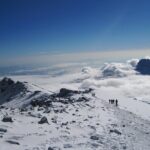
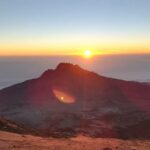
Then, there’s the view: looking down in early morning light over the surrounding landscape. Even if you’ve seen photos, the scale still surprises most people.
The descent is described as easier but dusty, because volcanic ash has a way of getting everywhere once it warms. You’ll return toward Barafu Camp on the same route.
Practical consideration: pack enough layers for the cold before sunrise. On summit night, warmth is not a luxury; it’s part of the safety plan.
Day 7: Mweka gate exit, rainforest walk, and the certificate moment (about 4 hours)
After breakfast, you get a traditional farewell ceremony with your mountain crew. Then there’s a short walk through the rainforest toward Mweka gate (around 2–3 hours).
Finally, a driver meets you, brings you back to Keys Hotel, and you get time for a shower, a cold drink, and a debrief. You also receive an achievement certificate before your day turns into your own again.
This day is underrated. After days of cold, altitude, and concentration, it’s a real release to walk out through rainforest instead of more high-altitude scrambling.
Your support team is the real upgrade (guides, cooks, porters)
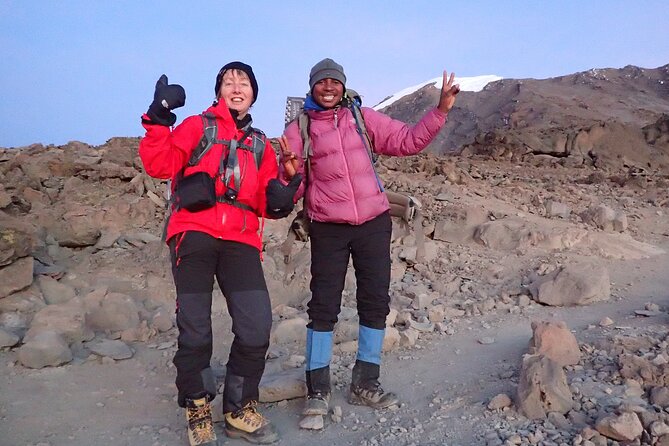
The best part of Kilimanjaro isn’t only the mountain. It’s the people who make the experience manageable.
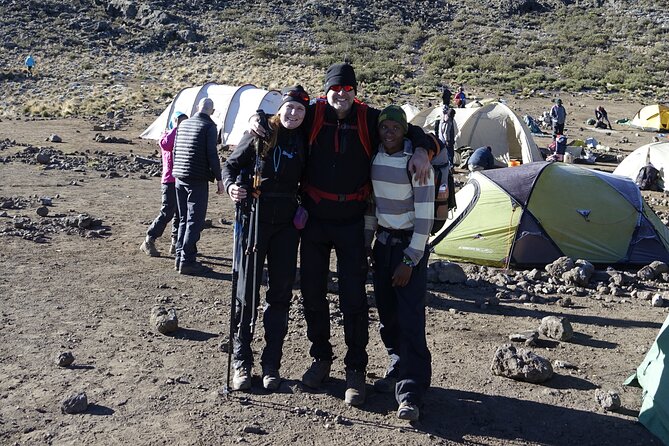
On this Machame trek, you can expect a staffed setup with professional guides, plus a cook team and porters who carry more than just food. One of the very practical perks from real-world experience with this company style of operations: porters handle much of your gear, and there’s even a separate tent to eat in with tables and chairs. Meals are typically generous and served as big, multi-course-style dining rather than just a snack-and-go approach.
Guide names you may hike with include Mwinyi (often mentioned as lead guide), with support from people like Gloria and other team members such as Kelvin, David, James, Maulid, Ombeni, Prosper, and Amiri. You may also meet cooks such as Salum/Salon.
Why this matters: on Kilimanjaro, your job is to walk and acclimatize. When logistics run smoothly—pace, meals, warmth management, and camp setup—you can focus on the effort that actually moves you toward Uhuru Peak.
Price and value: $2,850 makes sense only if you want the full system
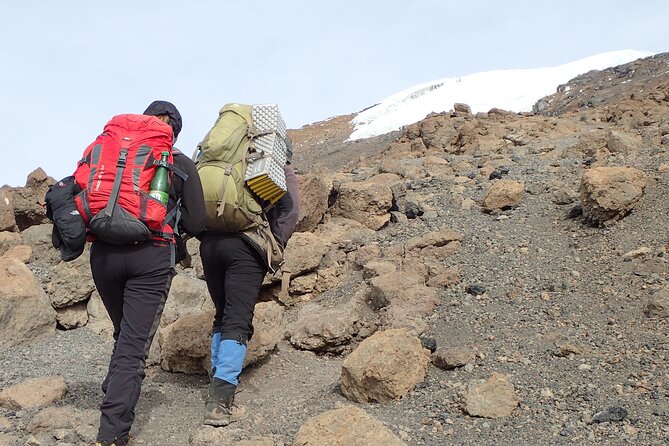
At $2,850 per person for a 7-day Machame climb, you’re not shopping for the cheapest way up Kilimanjaro. You’re paying for a full package: park access included each day as listed, guided support, porters, and the transfer flow anchored in Moshi with pick-up on arrival and exit.
To judge value, look at what you get during summit day:
- early wake with tea and biscuit timing
- headlight-and-crater-edge route structure
- a descent plan that brings you back down toward Barafu Camp
- a team that handles the camp life so you’re not doing it solo
In other words, this price is about not having to worry about the “how” while you manage your body on the mountain.
Who this is best for: people who want a guided, supported Machame route with strong camp moments and a serious attempt plan. If you’re training for a summit and you like structure, it fits.
Who might think twice: if you’re only looking for a casual hike, Machame is not that. This is a real trekking undertaking with steeper sections and long days.
Packing and mindset tips that match Machame’s rhythm
This is the kind of trek where small choices matter.
- Shoes first, comfort second: you’ll be handling long walking days, descents, and a “hands and feet” wall section.
- Keep your layers ready: nights get cold fast at altitude, and summit night is colder still.
- Fuel even when appetite dips: you’ll be nudged to eat and drink before summit, and that’s not for fun.
- Pace like you mean it: the slow rhythm is built into the summit approach for a reason.
- Don’t treat the Wall day like a stunt: it’s a technical-feeling section, and safety support is part of the plan.
Also, go in with the right expectation: you’re climbing more than altitude. You’re learning what patience feels like at 5,000+ meters.
Should you book this 7-day Machame tour with Kilimanjaro Heroes Adventures?
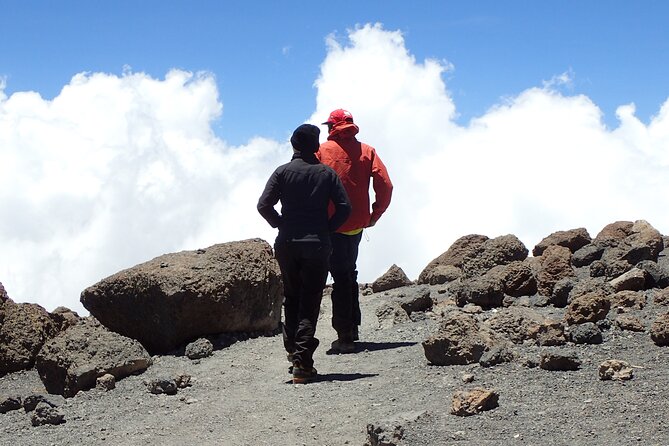
I’d recommend booking if your goal is a classic Machame experience with real support, strong camp highlights, and a summit night that’s run with clear timing. The combination of Shira Plateau sunset views, Barranco Camp stargazing, and the structured acclimatization day makes this route feel like it’s designed for success, not chaos.
I’d think twice if your fitness is shaky or you know you struggle with steep, long days. Machame will ask more of you than gentler routes, and summit night needs calm pacing and good cold-weather preparedness.
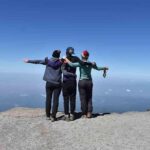
If that’s you, plan to train before you go, pack smart, and commit to the slow, steady rhythm. Do that, and you’ll be standing on Uhuru Peak with a story that feels earned.
FAQ
What route is this Kilimanjaro trek using?
It’s a 7-day Kilimanjaro trek via the Machame Route, with camps that include Machame Camp, Shira Plateau camps, Barranco Camp, and Barafu Camp before the summit attempt.
Where does the trek start and what time?
The trek starts in Moshi and from Kilimanjaro International Airport (JRO) area transfer, with a listed start time of 8:00am.
Do you pick you up from the airport in Kilimanjaro?
Yes. The tour includes a meet-and-greet upon arrival at Kilimanjaro International Airport (JRO), followed by a transfer to Keys Hotel in Moshi.
How long is the trek on the mountain?
The full experience is listed as 7 days (approx.), including the Moshi arrival and the final transfer day.
Is this a private tour?
Yes. It’s described as a private tour/activity, with only your group participating.
What fitness level do you need?
The guidance is moderate physical fitness.
Are park entrance tickets included?
Yes. The schedule lists admission ticket included for the trekking days.
Is there free cancellation?
Yes. The policy says you can cancel up to 24 hours in advance for a full refund.
Do you get a ticket for the trip?
Yes. The experience includes a mobile ticket.