REVIEW · ARUSHA
3 Days Mount Meru trekking
Book on Viator →Operated by Rupia Adventure · Bookable on Viator
Mount Meru turns a short trip into big mountain time. This 3-day climb starts near Arusha National Park, mixes hiking with possible wildlife sightings, and ends with a sunrise summit view toward the Ash Tray and Mount Kilimanjaro. I like how the plan breaks the ascent into clear stages, so you’re not just rushing upward with no rhythm.
What really works for me is the private guiding feel plus the support team that manages the details. You’ll have porters who organize and pack your hike items, and you’ll get all meals and hut accommodation included along the way.
One thing to keep in mind: you’re on a mountain trek that requires a strong fitness level, and you’ll be hiking in the early-morning dark on summit day. Also, there’s one very negative report alleging payment and equipment issues, so you should double-check how you pay and confirm details in writing.
In This Review
- Key points before you go
- Why Mount Meru fits a 3-day Tanzania itinerary
- Day 1: Arusha National Park pickup, Momella Gate, and a wildlife-friendly start
- Day 2: Saddle ridge ascent, crater views, and optional Little Meru
- Day 3: The midnight wake-up, Rhino Point to Cobra Point, and sunrise on top
- Guides, porters, and the practical value of a full team
- Wildlife and the safety reality (and what to expect)
- Price and value: what $800 buys you on this trek
- Logistics that affect your comfort (more than you think)
- Who should take this trek, and who should consider another option
- Should you book Mount Meru with Rupia Adventure?
- FAQ
- FAQ
- What time does the Mount Meru trek start?
- How long is the Mount Meru trek?
- What’s included in the price?
- Do I hike with a ranger?
- What wildlife might I see during the trek?
- How fit do I need to be?
- Is this trek refundable if I cancel?
Key points before you go
- Private guide + small group (max 15): more attention and smoother decision-making on the trail.
- Arusha National Park start: the first day can feel like a walking safari with zebras, giraffes, and more.
- Ranger requirement: you hike with an armed ranger hired through the park for wildlife safety.
- Meals and hut accommodation included: you can plan on resting properly between hard sections.
- Midnight summit attempt: wake-up at 00:30 and a start around 1:30am to catch sunrise.
Why Mount Meru fits a 3-day Tanzania itinerary
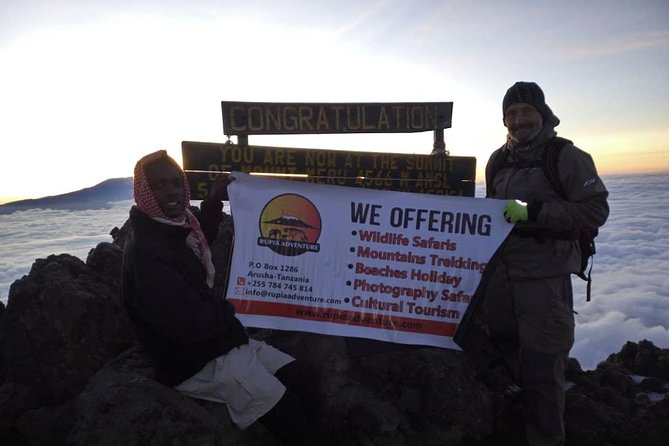
Mount Meru is Tanzania’s 5th-highest peak at 4,565m, and it’s a classic way to taste high-altitude trekking without booking a longer expedition. You don’t just climb—you also move through a park setting where animals may show up near the trail early on.
I also like the way this trek is structured. Day 1 is more of a “walking safari” approach with a gradual ramp-up, Day 2 gives you a chance to acclimate a bit, and Day 3 is the steep push to sunrise. That pacing matters when you want to enjoy the experience instead of simply surviving it.
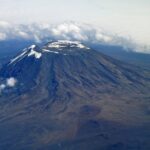
The prize is the view angle: from the summit, you’re aiming at the Ash Tray area (a distinctive crater-land feature) and you can catch sight of Mount Kilimanjaro on clear mornings.
You can also read our reviews of more tours and experiences in Arusha.
Day 1: Arusha National Park pickup, Momella Gate, and a wildlife-friendly start
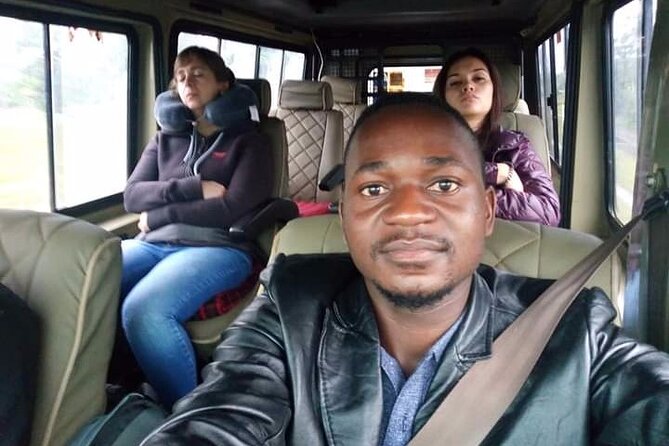
The trek begins with an early start in Arusha (around the 1,400m level), then pickup from your hotel and a drive to Momella Gate in Arusha National Park. At the gate, you’ll register with TANAPA while porters get your belongings organized for the hike.
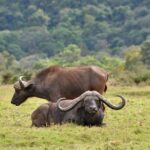
This first day is where the experience can feel fun even if your legs aren’t fully awake yet. The trail is described as similar to a walking safari, and you may spot animals such as giraffes, zebras, antelope, and buffalo, with a possibility of elephants depending on conditions.
A practical detail: because wildlife encounters are possible, you hike with an armed ranger hired through the National Park for the duration of the trek. That means you get a safety layer that’s directly tied to the environment you’re entering—not something added later.
Expect around 6 hours of hiking on Day 1. The pace is still a hike, but this is the day you can start building confidence: you’ll learn how your guide manages tempo, and you’ll get a feel for trail footing before the steep sections of the next day.
Day 2: Saddle ridge ascent, crater views, and optional Little Meru
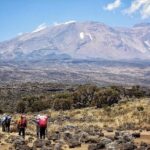
After breakfast, Day 2 starts with a steeper ascent along the ridge of the saddle. The route is not just about height; it’s also about visual landmarks. You’ll have views of Mount Meru’s crater and the Ash Tray as you climb.
This is the day where the trek starts to feel more like “real mountain work.” You’re gaining altitude and spending more time on a trail that asks for steady steps rather than quick strides.
When you reach camp, you get an option that helps some hikers a lot: you can hike Little Mt. Meru (3,820m) with your guide to acclimate further. Not everyone loves extra elevation, but this kind of adjustment can help your body settle before the midnight summit attempt.
Dinner comes earlier than you might expect. You’ll have an early dinner, with a target to be asleep by 19:00 so you’re ready for the next-day schedule. That early night is not just “nice”—it’s a big part of how you handle the hard start on summit day.
Day 2 is around 4 hours of hiking, but the full day includes transitions: breakfast, the ridge climb, time at camp, and then recovery before the summit push.
Day 3: The midnight wake-up, Rhino Point to Cobra Point, and sunrise on top
Summit day is the part people remember, mostly because it starts in the dark. Your wake-up time is 00:30, when you’ll have tea and biscuits. Your guide then starts the summit attempt around 01:30am.
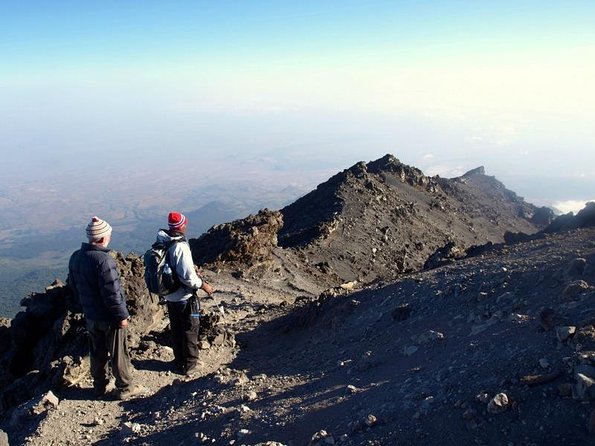
From there, the trail begins with a steep grade up to Rhino Point (3,800m), then continues toward Cobra Point (4,350m). The route becomes more technical in the last stretch, with scrambling on a rocky ridge between the crater area and inner cliffs of Meru.
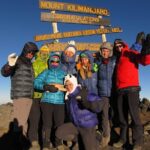
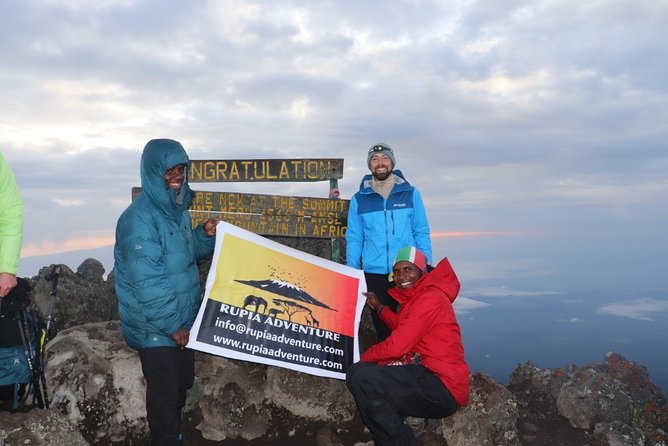
The big goal isn’t just reaching 4,565m. It’s timing it so you reach the top at sunrise. When you do, the views can be the reason you came: you’re looking out toward the Ash Tray and you may see Mount Kilimanjaro, depending on visibility.
After sunrise on the summit, you’ll descend back down to Momella Gate and return to Arusha. This is also the day you’ll appreciate having stayed fed and rested on the previous nights; it makes the downhill more manageable.
Guides, porters, and the practical value of a full team
This trek is run with a support structure that’s meant to lower your mental load. Porters organize and pack your items, which matters because you want to spend your effort on breathing and footing—not on managing your gear every hour.
One review highlighted that the guide, Frank, shared information from start to finish about flora, fauna, and the general mountain life. That kind of explanation turns the trek from a line on a bucket list into something you can actually understand while you hike.
You’ll also be eating well enough to keep moving. Meals are included, and multiple comments point out the food quality and quantity. That’s a real value point on a climb like this, since good fuel helps you keep a steady pace when altitude starts feeling like it’s working against you.
As for lodging, you’ll have hut accommodation included. That’s not “luxury,” but it is the kind of predictable setup you want when your summit day starts before most people have even hit the pillow.
Wildlife and the safety reality (and what to expect)
This route lives in a wildlife area, and the trek is built around that fact. You may see zebras, giraffes, and buffalo, and the park rules require an armed ranger to hike with your team.
So yes, you might hear animals or see them on the move. But the real takeaway is that the program takes wildlife safety seriously and builds it into the schedule. That’s exactly what you want when you’re far from town and you’re moving through national park territory.
Price and value: what $800 buys you on this trek
At $800 per person for roughly 3 days, this isn’t a budget stroll. The better question is what that price covers—and it covers the key “cost drivers” that often surprise people on treks.
You get:
- All meals plus hut accommodation
- Admission ticket(s) included
- Private guiding and ranger support
- Pickup offered from your hotel
- A mobile ticket
Value-wise, the included food and lodging are huge. If you had to source those yourself, costs and stress would rise quickly, especially with the tight timing on summit day.
Also, the max group size is listed as up to 15 travelers. That’s not “just you,” but it’s small enough for a guide to manage pacing and route decisions without turning it into a cattle-line.
Still, one serious caution: there’s one strongly negative report alleging payment problems, including claims of incorrect bank information and lack of money return, plus complaints about cars/equipment and unexperienced guides. I can’t verify details from a single account, but the smart move is simple: confirm payment instructions in writing, get receipts, and double-check bank details before transferring anything. If something feels off, pause and sort it out before you send money.
Logistics that affect your comfort (more than you think)
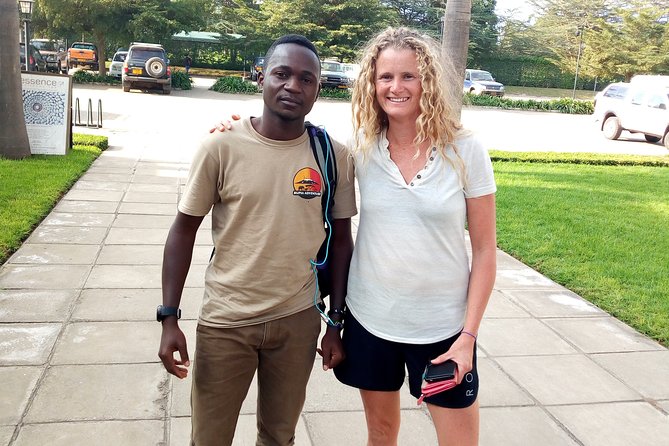
This trek starts with a 9:00am meeting time, so plan your day around that early departure rhythm. On Day 2, you’ll be moving before the steep push day, and on Day 3 you’ll be up at 00:30 for tea and biscuits.
That means you’ll want to treat this as a sleep-and-legs routine, not just a hike you squeeze between other sightseeing. Bring layers you can manage, expect cold on summit night, and keep your headlamp ready if you use one (you’ll be moving in low light).
One more comfort detail: you won’t be carrying every item yourself in the same way as self-supported trekking. Porters pack and organize your hike belongings, which typically helps you keep your daypack lighter. You still need to manage what you personally keep on you, but you’re not doing full backpack logistics while climbing.
Who should take this trek, and who should consider another option
This tour is clearly marked as requiring a strong physical fitness level. If you’re comfortable hiking for hours, handling steep sections, and coping with a midnight wake-up, this can be a satisfying, goal-focused climb.
It can also work well if you like structure. The trail is broken into stages with a day for acclimatization and an organized summit attempt. That’s especially helpful if altitude has ever made you overthink your pace.
If you’re injury-prone, dealing with serious medical conditions, or you don’t handle poor sleep well, you may find Day 3 timing tough. The midnight start isn’t optional, and the last hour involves scrambling on rocky terrain. In that case, it’s worth talking to a medical professional and choosing a plan that matches your limits.
Should you book Mount Meru with Rupia Adventure?
If you want a well-run 3-day trek with meals and hut accommodation included, a private guiding feel, and the big reward of a sunrise summit toward the Ash Tray and Kilimanjaro, this is a strong fit. I also like the built-in team support—porters managing your items and the ranger requirement keeping safety aligned with the park environment.
If you do book, take two minutes to protect yourself: confirm payment details carefully, keep proof of payment, and make sure you know exactly what’s included in your package. One harsh report raises red flags about money handling and equipment quality, and no trek is worth stress that could be avoided with basic checks.
FAQ
FAQ
What time does the Mount Meru trek start?
The meeting point start time is 9:00am.
How long is the Mount Meru trek?
It’s listed as a 3-day trek (approximately).
What’s included in the price?
The tour price includes pickup offered, meals and hut accommodation, an admission ticket, and a private tour experience. A mobile ticket is also provided.
Do I hike with a ranger?
Yes. An armed ranger hired through the National Park is required for the duration of the hike.
What wildlife might I see during the trek?
On the trail you may see zebras, giraffes, antelope, buffalo, and potentially elephants.
How fit do I need to be?
You should have a strong physical fitness level.
Is this trek refundable if I cancel?
No. It is non-refundable and cannot be changed for any reason. If it’s canceled due to poor weather, you’ll be offered a different date or a full refund.