REVIEW · SA PA
Trekking Sapa 1 Day With Local Guide, Terraced Rice Fields
Book on GetYourGuide →Operated by Anh Tourist Hanoi Travel · Bookable on GetYourGuide
Rice terraces start with a steep, muddy walk. This one-day Sapa trek mixes real village visits with a serious hike toward the Hoang Lien Son area, including Vietnam’s most famous terraced rice fields and a peek at everyday life in Hmong, Giay, and Red Dao communities. I love how the route strings together multiple viewpoints and cultures instead of stopping at one photo spot. I also love the practical, human touch from guides like Su, who can explain what you’re seeing as you walk. The main drawback to plan for: weather and mud can limit how much you can pause and stare when you’re busy staying upright.
Expect a small group and three village stops, but also expect the “arrival” moments to come with plenty of selling. When rain hits, the path can turn messy fast, so you’ll want traction and waterproof layers. If you’re prone to altitude issues, this trek climbs to about 1,800 m, so it’s not the right choice for everyone.
In This Review
- Key Points You’ll Care About
- From 8:00–8:30 Pickup to Cat Cat Road: Starting Where Sapa Begins
- Muong Hoa Hanging Bridge and Bamboo Forest Climb: Where the Work Starts
- Rice Terraces and Hoang Lien Son Views: Getting to the 1,800 m Feeling
- Y Linh Ho Lunch With Hmong Families: Food as a Window Into Daily Life
- Lao Chai to Ta Van: Meeting Giay and Red Dao Culture in Motion
- Mud, Selling, and Altitude: The Real-World Considerations
- Price and Value: What $24 Gets You (and What It Doesn’t)
- Who This Sapa Trek Fits Best
- Should You Book This Sapa Rice Fields Trek?
- FAQ
- What time does the Sapa trek start?
- Which villages and ethnic groups are included?
- What’s the walking distance and overall time?
- Is lunch included?
- How do you get back to Sapa town?
- Is this trek suitable for altitude sickness or high blood pressure?
Key Points You’ll Care About
- Three ethnic villages in one day: Hmong, Giay, and Red Dao experiences stitched into a single walking route
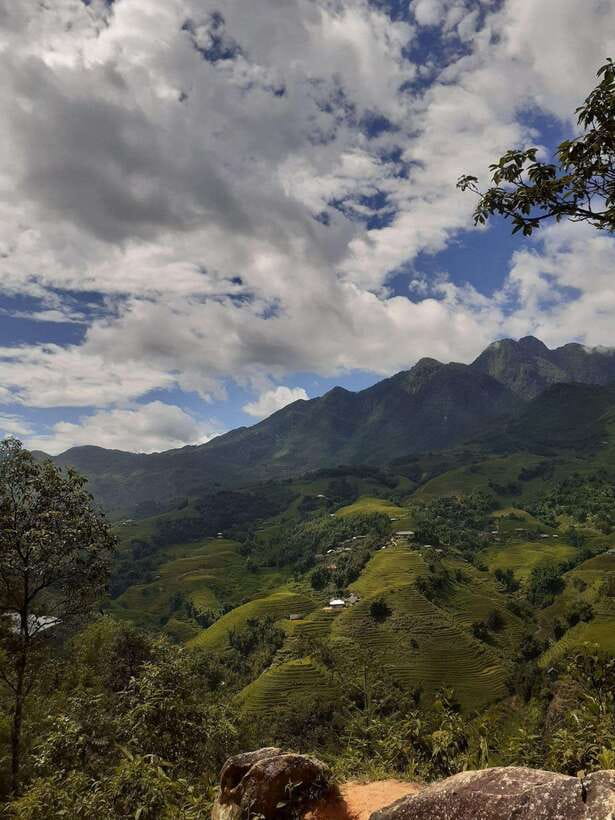
- Rice terraces plus high views: you’ll work up toward the Hoang Lien Son region while seeing the famous terraced fields
- Muong Hoa hanging bridge: a memorable crossing early in the hike, right as the valley opens up
- Local lunch with a Hmong family: included meal that ties food to work and home life
- Go off the busiest paths: you’ll walk routes that feel more lived-in than purely touristic lanes
From 8:00–8:30 Pickup to Cat Cat Road: Starting Where Sapa Begins
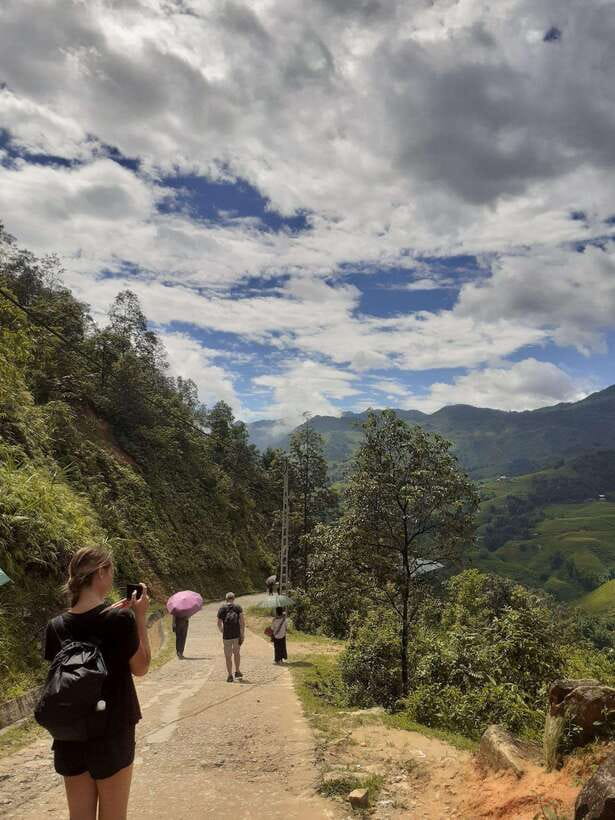
This tour moves fast by design. You’re picked up around 8:00 to 8:30 am in Sapa town—either from your hotel in the center or in front of the main church—then you’re briefed and sent walking soon after. That early start matters in Sapa because the morning light is kinder for photos, and the cooler temps make the uphill sections more manageable.
Your first walking segment takes you about 2 km down to Cat Cat’s road, a well-known Hmong area. Even if you’ve seen Cat Cat on maps, the way the day unfolds here feels less like a drive-by attraction. You’re not just arriving to look. You’re starting on a route that already feels connected to the valley and the fields.
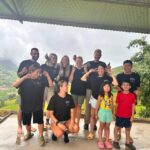
Also, this isn’t a huge tour bus parade. It’s a small group limited to 10 participants, which means you can actually hear the guide and ask questions without repeating yourself.
You can also read our reviews of more tours and experiences in Sa Pa.
Muong Hoa Hanging Bridge and Bamboo Forest Climb: Where the Work Starts
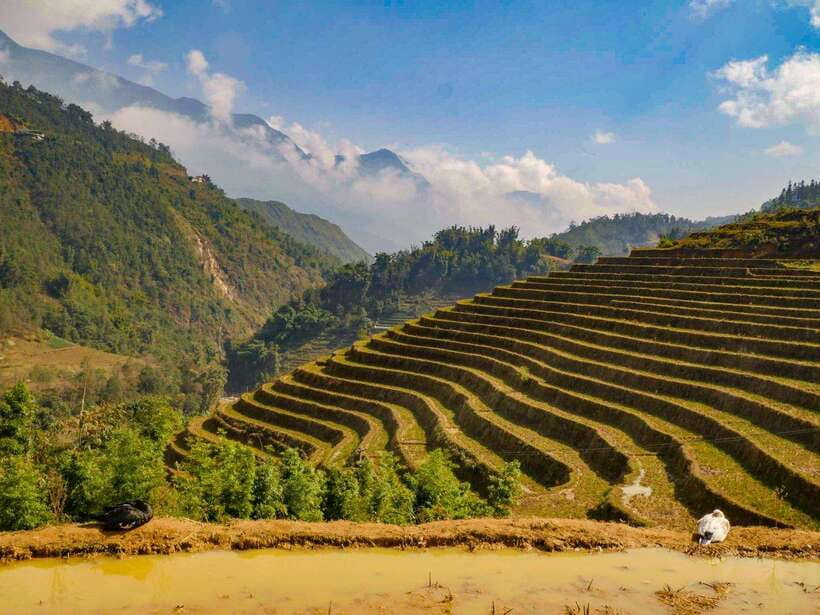
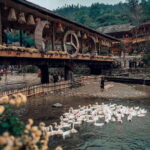
One of the early moments I’d circle for this itinerary is the hanging bridge over the Muong Hoa river. It’s the kind of crossing that snaps your brain into travel mode: you’re moving, the valley drops away beneath you, and the trek becomes real right away.
After the bridge, you head uphill into the mountains and through a bamboo forest. This is a smart section for pacing. The greenery gives you a rhythm—step, breathe, look up—before the day opens into wider views. And it sets you up for the big terraced rice scenery later, because you’ve already earned it with elevation.
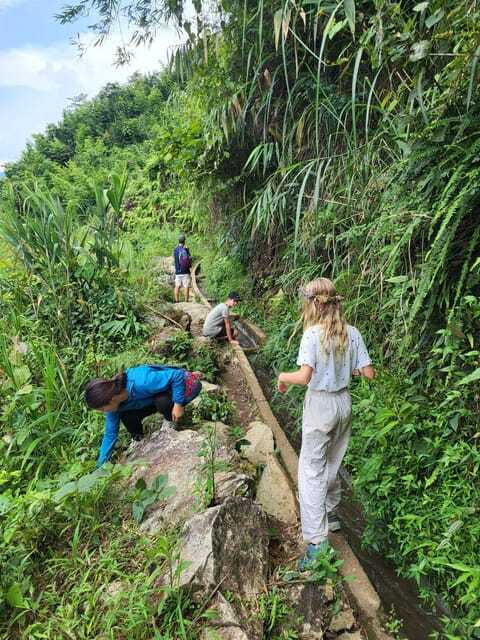
Here’s a practical note: this portion can be slippery if the ground is wet. The paths are part trail, part mountain footpath. So wear shoes with grip, and plan for the fact that you might need to focus on footing more than sightseeing at every second.
Rice Terraces and Hoang Lien Son Views: Getting to the 1,800 m Feeling
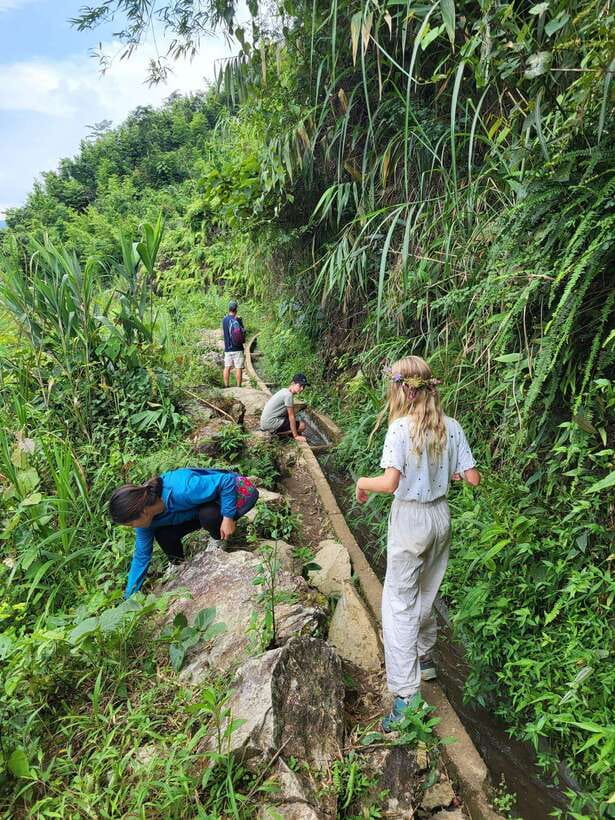
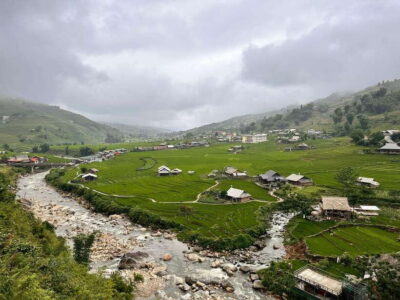
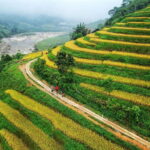
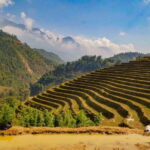
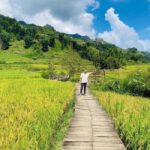
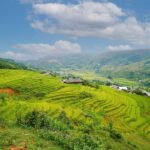
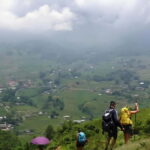
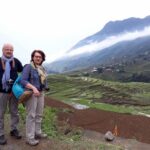
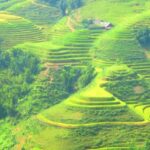
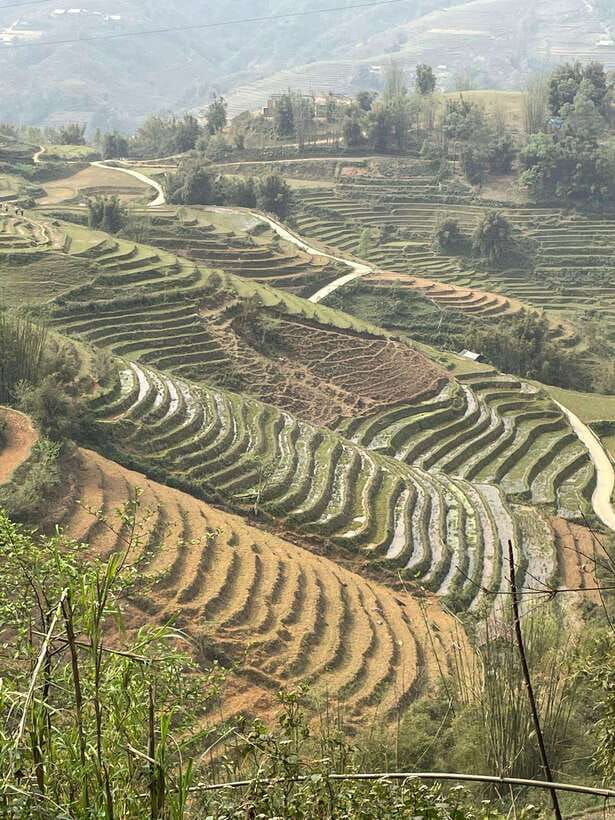
The headline here is the famous rice terraces, and you reach them after climbing through the bamboo and ridge paths. You’ll get chances to admire some of the biggest and most beautiful terrace scenes in Vietnam while also taking in mountain views around the Hoang Lien Son area.
The trek is listed at about 13 km total with around 5 hours of walking, and that pacing is important. It’s not a casual stroll, but it’s also not a multi-day endurance project. You’re working your way through changes in elevation, from river valley walking to terrace and viewpoint moments.
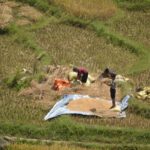
Also, this is where the “offside the touristic paths” element matters. Instead of only seeing terraces from the easiest roadside angles, you’re viewing them from the kind of angles locals likely use—closer to field edges and paths people actually walk. That makes the terraces feel like a working system, not just a background.
And if you’re lucky with timing and weather, you may also spot representative mountain animals like water buffalo, which are strongly tied to how these fields are managed.
Y Linh Ho Lunch With Hmong Families: Food as a Window Into Daily Life
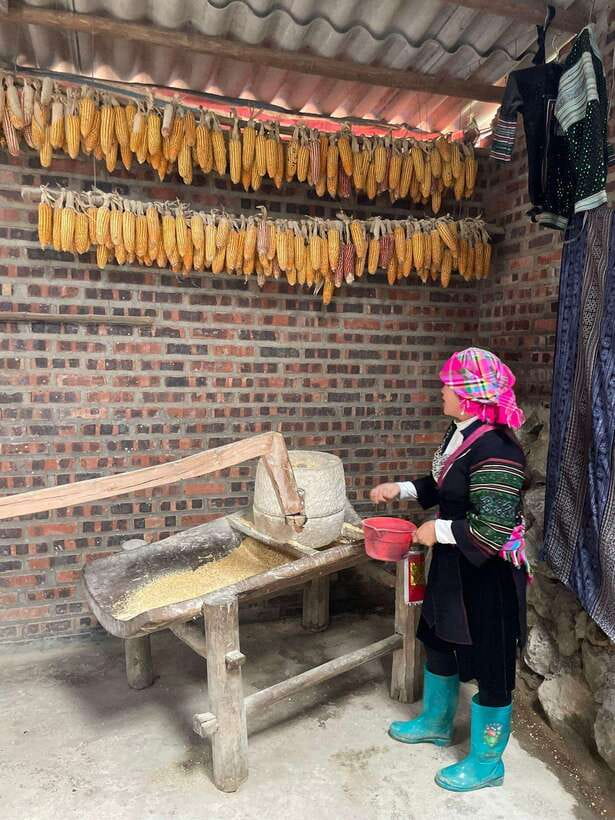
After the terrace and view section, you head down to Y Linh Ho village. This is where the tour earns its cultural value, because you’re not just walking between photo stops—you’re getting anchored by a community break.
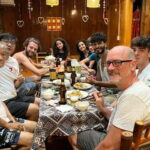
Lunch is included, and it’s described as being served at a small traditional restaurant run by a local Hmong family. This matters more than it sounds. When meals are connected to the host community, it’s easier to understand what you’re seeing on the trail—rice work, house building, farming cycles, and family life.
While you eat, the guide’s explanations are part of the experience: you’ll hear about Hmong marriage traditions, rice field work, and house building techniques. That’s the difference between watching something from a distance and understanding the logic behind it.
One small drawback to keep in mind: villages can mean extra attention from people hoping to sell handmade items. You’ll likely get approached when you arrive at each stop, so if you prefer low-pressure interactions, use it as a cue to set a calm pace and decide what you want to engage with.
Lao Chai to Ta Van: Meeting Giay and Red Dao Culture in Motion
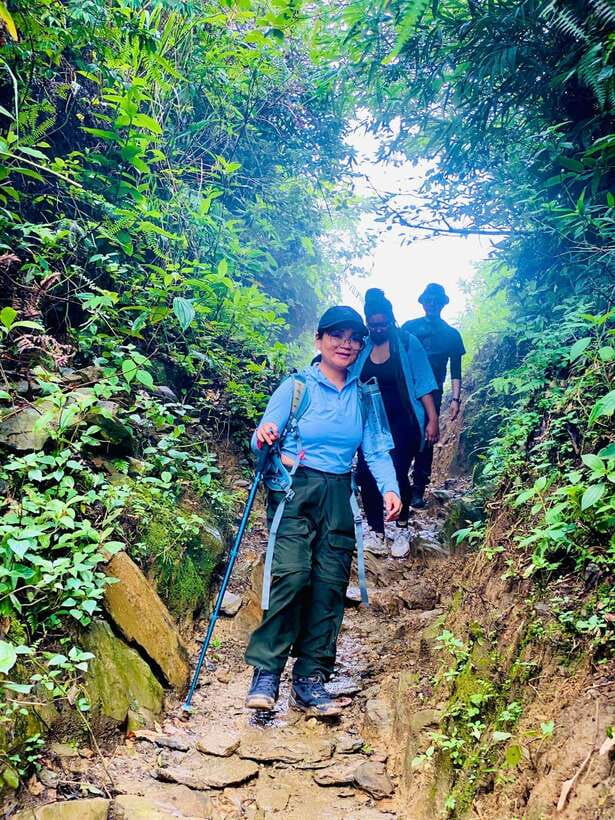
After lunch, you continue the trekking to Lao Chai, a village associated with Black Hmong. This is where you see how one ethnicity can still have different village styles and ways of living. The guide helps connect the dots, so you’re not just collecting names—you’re learning how differences show up in daily routines and community practices.
Then you head onward to Ta Van, where you meet the Giay minority. The day is built as a comparison route: Hmong in earlier villages, then a shift in community when you reach Ta Van. You’ll learn about differences between the ethnic minority groups you’ve been walking with all morning.
The tour also emphasizes that you’ll see the key sights before returning to the car, with time to wrap up by around 14:30 back in Sapa town. That end time is useful. It gives you a realistic option to book a bus back to Hanoi or elsewhere after.
Mud, Selling, and Altitude: The Real-World Considerations
Let’s talk about the stuff that can make or break your day.
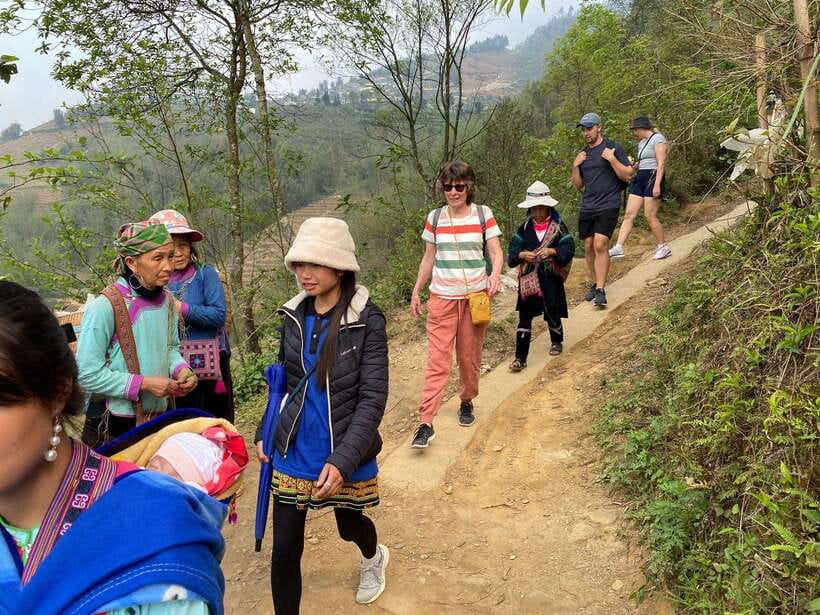
Rain and mud are the big wild cards in Sapa. One clear lesson from real trekking conditions: when the ground turns to sludge, you might spend less time staring at views and more time watching your feet. The good news is the guide and team can make it manageable—you’re not walking alone, and having help matters when the trail is messy.
You should also plan for village selling pressure at each arrival point. People may approach you with homemade goods and ask to buy. This isn’t necessarily bad—many communities rely on tourism for income—but it can feel intense if you prefer quiet walking. Keep it simple: smile, keep moving when you want, and only slow down if you genuinely want to browse.
Altitude is the other consideration. The hike is described as an adventure mountain trek up to about 1,800 m above sea level, and it’s explicitly not suitable for people with altitude sickness or high blood pressure. Even if you feel fine in Sapa town, don’t assume you’ll feel great at elevation while hiking. If you’re unsure, ask your doctor first and honestly choose a lower-intensity option if needed.
Finally, age and physical ability matter. The tour notes it’s not suitable for babies under 1 year and for people over 95 years. If you’re in the middle—say, you’re fit but not used to uneven trails—go slow, use trekking support if you have it, and trust your guide’s pacing.
Price and Value: What $24 Gets You (and What It Doesn’t)
At $24 per person for a roughly 7-hour outing, this trek is priced for budget travelers, but it’s not “cheap and bare-bones.” You get several practical inclusions that add up:
Included:
- 1 meal (lunch during the village break)
- English-speaking guide
- All entrance fees
- Bus from Ta Van back to Sapa town
Not included:
- Tax
- Drinks in the meal
- Tips
- Holiday surcharge for dates like Lunar New Year, Christmas, New Year, and similar peaks
So what’s the real value? You’re paying for three things at once: guided interpretation across multiple ethnic villages, a structured trekking route (about 13 km / ~5 hours walking), and transport back from Ta Van so you’re not trying to “wing it” after hiking.
If you were to DIY this, you’d spend time negotiating guides, figuring out pickup timing, and arranging return transport. Paying $24 makes sense if you want the route organized and you’re okay with the day being active.
Who This Sapa Trek Fits Best
I’d recommend this tour most for people who want more than a view. If you enjoy asking questions and learning how families work—how rice fields run, how houses are built, and how traditions show up in village life—this is a strong match.
You’ll also like it if you’re comfortable hiking uneven ground for several hours and you can handle the possibility of mud. It’s a good choice for travelers who want a “real day on foot” in Northern Vietnam without turning it into a multi-day mission.
This is not the right fit if you need low altitude, low effort, or mostly flat ground. The tour explicitly lists altitude sickness and high blood pressure as not suitable reasons, and the elevation component is part of what makes the terrace viewpoints possible.
Should You Book This Sapa Rice Fields Trek?
Book it if you want one day that feels grounded in daily life: three villages, an included meal with a local Hmong family-run restaurant, and terrace views that come after real walking. The small group size helps you actually hear your guide, and the offside-path approach makes the rice fields feel more like a working landscape than a staged stop.
Skip it (or choose another option) if rain and mud would stress you out, or if altitude is a concern for you. And if you dislike any kind of selling pressure, go in with a plan: keep moving when you want, browse only if you’re in the mood, and don’t let the village stops control your pace.
FAQ
What time does the Sapa trek start?
The tour starts around 8:00–8:30 am, with the guide meeting you in Sapa town (hotel in the center or in front of the main church).
Which villages and ethnic groups are included?
You visit three areas: Cat Cat (Hmong), Y Linh Ho (Hmong), Lao Chai (Black Hmong), and Ta Van (Giay). The tour also focuses on Red Dao customs as part of the overall ethnic-minority experience.
What’s the walking distance and overall time?
The full route is about 13 km (around 5 hours of walking) and the whole tour runs about 7 hours.
Is lunch included?
Yes. Lunch is included and is served at a small traditional restaurant run by a local Hmong family in Y Linh Ho.
How do you get back to Sapa town?
The itinerary includes a bus from Ta Van back to Sapa town, and the tour ends around 14:30.
Is this trek suitable for altitude sickness or high blood pressure?
No. The tour is explicitly listed as not suitable for people with altitude sickness and for people with high blood pressure.