REVIEW · CUSCO
4-Day Salkantay Trek to Machu Picchu
Book on Viator →Operated by Bamba Travel · Bookable on Viator
Four days, one long climb, Machu Picchu at sunrise. This route is interesting because it blends high-altitude trekking with a guided Machu Picchu morning, so you get the Andes first and the big finale before the crowds fully form. I love how the trek runs with a clear rhythm and a professional local team, not chaos, and the small-group size helps the guide keep things moving with care. One possible drawback: this is a serious hike, with cold nights at altitude and very early wake-ups.
I also like the support details that make a hard trip feel manageable: camping gear basics, a foam sleeping mat, and practical safety items like a first aid kit and emergency oxygen bottle. Add in meals on schedule (including a vegetarian option if you need it), and you’re not guessing what to eat or when. Just remember the weather can swing hard as you go from around 4,000m down toward the warmer jungle zones.
In This Review
- Key moments that matter on this trek
- Why this route works: Humantay first, Machu Picchu before the rush
- Price and real budget picture: $810 is only part of the cost
- Day 1: Humantay Lake from Soraypampa, then the coldest night
- Day 2: The 4,650m pass between Salkantay and Humantay
- Day 3: Upper jungle, waterfalls, then Aguas Calientes comfort
- Day 4: Machu Picchu at 5:30 am, guided walk, then your time
- Camping, meals, and support: the stuff that keeps you sane
- Who should book this, and who should think twice
- Extra decisions you can make ahead of time
- Should you book this 4-Day Salkantay Trek to Machu Picchu?
- FAQ
- What time does the trip start?
- Is there a vegetarian meal option?
- What is the highest altitude on the trek?
- Do I need a sleeping bag?
- How big is the group?
- What is included at Machu Picchu?
- What extra tickets or fees should I expect?
Key moments that matter on this trek
- Small group pace: Max 16 travelers, average closer to 4, so you’re not lost in a crowd.
- Humantay Lake warm-up (and cold camp): You hike up for Laguna de Humantay from Soraypampa, then sleep at 3,920m.
- The 4,650m high pass: A long climb to the top with serious views, plus an optional horse rental (100–120 soles).
- High-jungle switch: Day 3 drops you into a warmer world of river crossings, waterfalls, and plants.
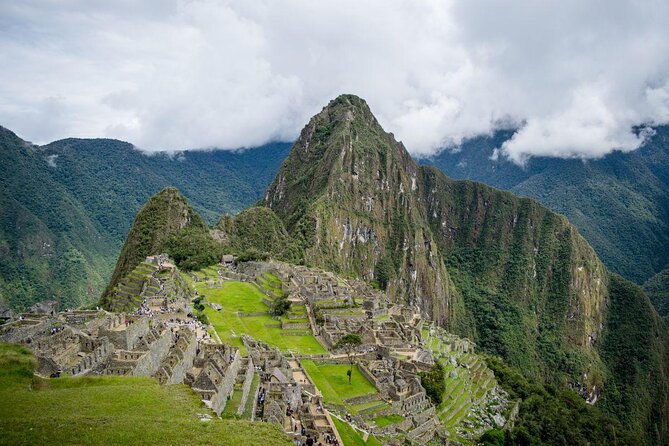
- Machu Picchu first-bus plan: You go in early, get a ~2-hour guided walk, then explore on your own.
- Safety and logistics basics covered: Camping setup, meals, and emergency oxygen are included.
Why this route works: Humantay first, Machu Picchu before the rush
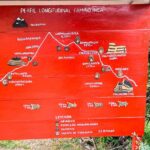
The best part of this kind of trek isn’t just that you reach Machu Picchu. It’s the way the journey builds. Day 1 starts with big views and a proper “Andes wake-up,” then Day 2 hits the high pass at 4,650m. Day 3 changes the whole feel by pushing you toward the high jungle zone, and then Day 4 delivers Machu Picchu in the early morning light.
If you care about value, the small-group style matters. With an average group size around 4, your guide can slow down for steep steps, group people by pace when needed, and make sure equipment and timing stay under control. You’ll still be moving a lot, but you won’t feel like you’re just one number in a spreadsheet.
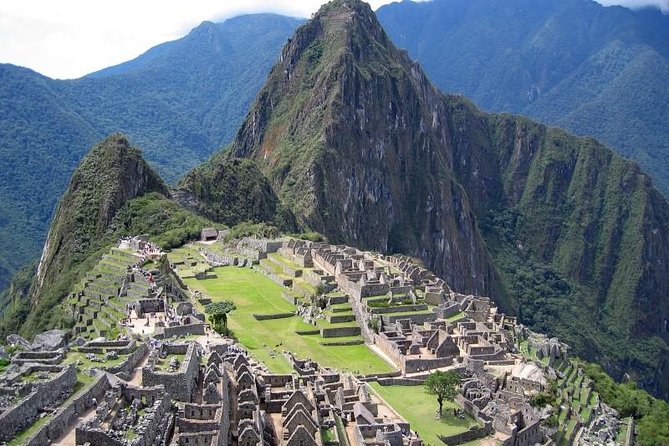
The other thing I like is that the same guide focus continues into Machu Picchu. You don’t just get dropped at the gate and told to have fun. You get a guided walking tour of about 2 hours, which helps you read the site instead of wandering past it.
You can also read our reviews of more tours and experiences in Cusco.
Price and real budget picture: $810 is only part of the cost
The price you’ll see for the 4-day trip is $810 per person. That number is meaningful when you compare it to what’s included: transfers from Cusco into the trek start area, camping accommodation for 3 nights total (Day 1 and Day 2), a 3-star hotel night in Aguas Calientes (Day 3), plus meals and key transport segments (bus and train pieces tied to Machu Picchu).
But you should plan for extra costs because a few important things are not included, like:
- Trekking permit for the Salkantay Trail: PEN 133 per person
- Machu Picchu entrance fee: PEN 48 per person
- Optional Huayna Picchu ticket: PEN 200 per person
- Optional Machu Picchu Mountain hike ticket: PEN 200 per person
- If you want a shortcut on Day 3: train transfer from Hydroelectric Station to Aguas Calientes is extra ($30 per person)
- Optional sleeping bag rental: $15 per person
Also, bottled water isn’t included, and guide/train/bus portions are marked as without a guide on those transfer segments. That doesn’t mean you’re stranded. It means you should be ready to follow schedules and directions on your own for those specific legs.
And yes, tipping is optional. The operator even gives helpful guidelines: guide 40–60 soles per trekker, assistant guide 30–40 soles, plus amounts for horsemen and the cook for the whole group.
So my practical take: this is good value if you want a guided, structured trip with camping, meals, and transport stitched together. It’s less of a bargain if you refuse all extras and then miss key fees, because Machu Picchu itself has its own entrance costs.
Day 1: Humantay Lake from Soraypampa, then the coldest night
Day 1 starts early. You’re picked up around 5:30 am in Cusco and travel by tourist-class bus to Mollepata (2,900m). That stop is useful: you can stretch, grab snacks, and not feel rushed. Then you continue by car to Challacancha for final equipment checks and prep.
From Challacancha, you hike about 3 hours to Soraypampa (3,920m), where lunch comes with panoramic mountain views. This is a key point: that high lunch isn’t just a meal. It’s where you settle into altitude and start understanding the trek’s pace.
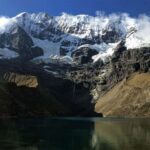
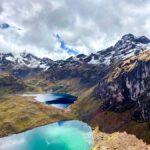
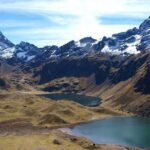
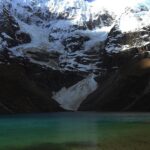
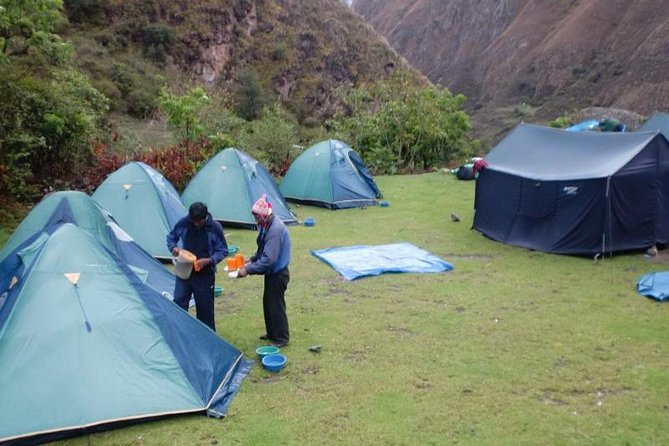
After lunch, you do the Laguna de Humantay out-and-back: about 1.5 hours each way. You’ll get Andes views that feel close enough to reach, plus a nice reward after the morning climb. When you return, you camp at 3,920m—described as the highest and coldest campsite of the trip.
That “coldest night” detail matters. You’re not just dealing with a typical mountain chill. You’re at one of the highest points of the whole itinerary. If you run cold easily, pack with that in mind and treat the sleeping setup seriously (you’ll have the basic camping tent and pad, plus a foam sleeping mat).
The day ends with dinner and an early sleep. It’s not dramatic; it’s smart. Your body needs recovery because Day 2 climbs to the pass.
Day 2: The 4,650m pass between Salkantay and Humantay
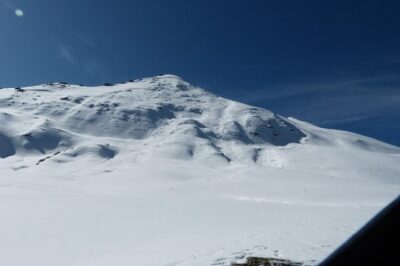
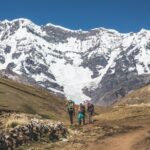
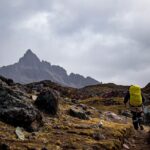
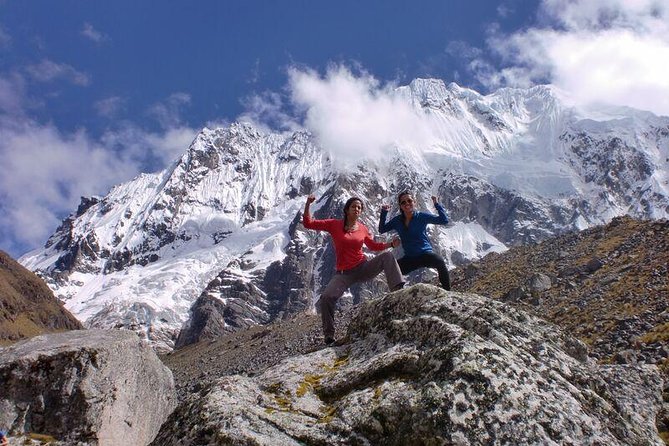
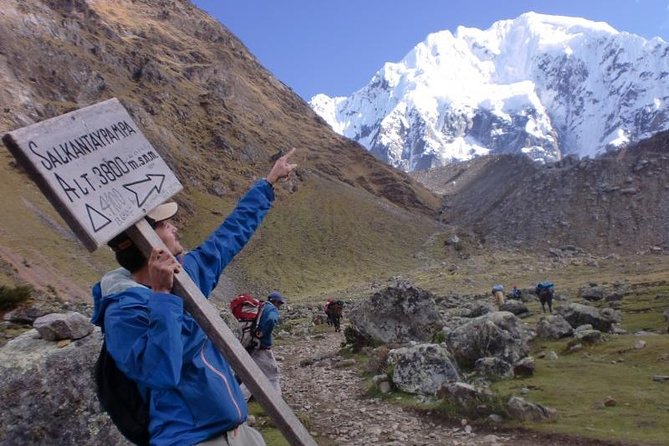
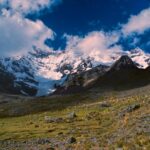
Breakfast is around 6:00 am, then you start the main climb: about a 4-hour walk to the highest pass on the trek at 4,650m. This pass sits between two major mountains—Salkantay on one side and Humantay on the other. The view is the whole point, and the itinerary even notes a possibility of snow at the top.
Here’s the practical choice that I’m glad exists: there’s an optional horse rental (100–120 soles) to reach the high pass if you want help for the steepest section. This isn’t a “cheat” move. It’s a way to match the itinerary to your body on a tough day.
After the pass, you go downhill for about 2 hours to lunch at Huayracpampa. Then you trek another 3 hours to your campsite at Challhuay or Colcapampa, moving toward the start of the high jungle region at around 2,900m.
The day has two big lessons:
- The pass is the mental and physical peak.
- The payoff is real. Once you’ve crossed it, the rest feels like momentum instead of another wall.
Also, you’ll gain a lot of confidence by this point if you managed Day 1’s cold camp. The altitude challenge doesn’t magically go away, but you’re no longer starting from zero.
Day 3: Upper jungle, waterfalls, then Aguas Calientes comfort
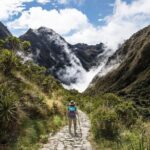
Day 3 begins around 6:30 am with a trek through the upper jungle zone. You cross the Santa Teresa River and pass smaller brooks. The scenery shifts from mostly mountain drama to a more “alive” variety of views: valleys, waterfalls, tropical fruits, and plants.
Lunch is at La Playa (2,200m), then you drive to Santa Teresa town (1,700m). That drop matters because it shifts the air, your breathing, and how your legs feel. From Santa Teresa, you drive to the Hydroelectric Station (about 40 minutes) and then walk around 3 hours to Aguas Calientes.
Aguas Calientes is where this trek finally gives you breathing room. You can find internet cafes, and there are cafes with board games and cards. There are also shops and places to relax. If you’re the type who likes a slow dinner walk, this is the moment.
Optional upgrade: you can take the train transfer from Hydroelectric Station to Aguas Calientes for an extra cost, which would shorten the walking day.
You also sleep in a 3-star hotel in Aguas Calientes on this night. After two nights of camping, that hotel night can feel like a gift—especially if you’re trying to show up fresh for Machu Picchu early the next day.
Day 4: Machu Picchu at 5:30 am, guided walk, then your time
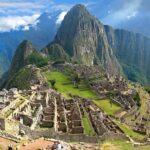
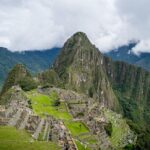
You head out to Machu Picchu on one of the first buses around 5:30 am. The aim is early morning light, when mist dissipates. That’s not just poetic. It’s practical for photos, visibility, and enjoying the site without fighting full daytime crowds.
Once you arrive, you get a walking tour of about 2 hours with your guide. This guided time is worth protecting. Machu Picchu can look like a beautiful pile of stones unless you know what you’re looking at, and a good guide helps you connect the structures to how the site functioned.
After the guided portion, you explore on your own. If you still have energy, there are optional add-ons. Huayna Picchu requires an extra ticket booked in advance. The itinerary also notes that 400 people are allowed up per day, so don’t assume you can decide last minute.
To get back, you can take the bus back to Aguas Calientes (every 15 minutes from the entrance) or walk down the trail to town (about 1 hour). Then you take the train to Ollantaytambo and a bus back to Cusco, arriving late at Plaza San Francisco. From there, you make your own way to your accommodation.
My advice: plan to keep your Day 4 evening simple. You’ll have done the big walking and climbing, then travel back. Treat it like a recovery night, not a second-day adventure.
Camping, meals, and support: the stuff that keeps you sane
This trek includes camping accommodation during the trek, plus a basic sleeping pad and a tent setup (with foam sleeping mat). The tent arrangement is also practical: single travelers share a tent/room with another traveler, while couples get a tent/room to themselves.
On the human side, you get a professional bilingual guide on both the trek and Machu Picchu tour. And you have support from horsemen and mules who carry cooking and camping equipment, plus a total of 7 kilos for each trekker. That 7 kilos includes 3 kilos for your sleeping bag and mattress and 4 kilos of your personal items.
That’s a big deal for comfort. It means you carry less, especially on the steeper days. You still hike, but you’re not doing full backpack load misery.
Food is built into the schedule: meals labeled as 3 breakfasts, 3 lunches, 3 dinners, plus 2 snacks. A vegetarian option is available if you tell the operator when booking, which is one of those behind-the-scenes details that can make or break comfort on a multi-day trek.
If you’re trying to choose between trekking styles, this matters. A guided trek with structured meals is more expensive than DIY permits and random transport, but it’s often cheaper than wasting energy on problems you don’t need.
Finally, I appreciate the safety kit basics: first aid kit and emergency oxygen bottle. You don’t plan for emergencies, but it helps to know the team brought tools.
Who should book this, and who should think twice
You’ll likely love this trek if you want:
- A small-group, structured route with a professional bilingual guide
- A realistic, multi-day path from the high Andes down toward the high jungle
- Machu Picchu as a guided experience in the morning, not a late-day scramble
You should think twice if:
- You struggle with early mornings (the schedule starts with pickups and bus departures around 5:30 am)
- You don’t handle altitude well. This itinerary specifically calls out important temperature changes as you move from around 4,000m down toward 2,000m zones.
- Cold nights make you miserable. Day 1’s campsite at 3,920m is described as the coldest.
Age is also a factor: the minimum age is 7. You’ll need to judge the family fitness level, because this is demanding and you’ll be hiking multiple days.
Extra decisions you can make ahead of time
Two optional choices can change the difficulty and your packing needs.
First, on Day 2 you can rent a horse to reach the high pass (100–120 soles). If you’re worried about the 4,650m climb or you’re carrying stress about leg fatigue, this option gives you flexibility.
Second, on Day 4, decide whether you want Huayna Picchu or the Machu Picchu Mountain hike. Both require additional entrance tickets (listed as PEN 200 per person), and Huayna Picchu also has a daily limit of 400 people. If you want those views and you know you’re going to have the legs for it, handle it early.
Also consider Day 3 if you’d like less walking: the train transfer from Hydroelectric Station to Aguas Calientes is an extra $30 per person.
Should you book this 4-Day Salkantay Trek to Machu Picchu?
I’d book it if you want a true multi-day Andes-to-Machu-Picchu experience with a tight plan, small groups, and real guidance on both the trek and the site. The value is strongest when you take advantage of what’s included: transfers, camping + sleeping basics, meals, a hotel night in Aguas Calientes, and the Machu Picchu guided tour.
I would pause if you’re not ready for cold nights at altitude or you need a very low-effort itinerary. This isn’t a scenic walk. It’s a demanding trek, and the best parts come after you put in the work.
If you book, do yourself a favor: plan your extra fees early (permits and Machu Picchu entrance), decide on Huayna Picchu if you want it, and respect the early starts. You’ll show up to Machu Picchu with the day still young, and that changes everything.
FAQ
What time does the trip start?
You’ll have a 5:30 am start for the Cusco pickup and transfers, and you’ll also take an early bus to Machu Picchu around 5:30 am on Day 4.
Is there a vegetarian meal option?
Yes. A vegetarian option is available, and you should advise the operator when booking.
What is the highest altitude on the trek?
The highest point is the main pass on Day 2, at 4,650m.
Do I need a sleeping bag?
Sleeping bag rental is optional for $15 per person. Camping includes a tent and sleeping basics like a sleeping pad and foam sleeping mat, but you should confirm what you’ll personally bring versus rent.
How big is the group?
The experience has a maximum of 16 travelers, with an average group size of about 4.
What is included at Machu Picchu?
You’ll get a round-trip bus from Aguas Calientes to Machu Picchu, a walking tour of about 2 hours with your guide, and time to explore on your own. The train and bus returns are also included as part of the full Day 4 route.
What extra tickets or fees should I expect?
You should budget for the Salkantay Trail trekking permit (PEN 133 per person) and Machu Picchu entrance fee (PEN 48 per person). Optional add-ons include Huayna Picchu and Machu Picchu Mountain hike entrances (PEN 200 each, listed per person). Train transfer from Hydroelectric Station to Aguas Calientes is also optional ($30 per person).