REVIEW · CUSCO
Cusco: 4-Day Lares Trek to Machu Picchu with Panoramic Train
Book on GetYourGuide →Operated by TreXperience · Bookable on GetYourGuide
Four days, one big Inca wow. I love how this trek pairs real mountain life—Lares hot springs and village visits—with the headline moment of Machu Picchu at sunrise. One thing to think about: nights are cold, and the high altitude at passes and camping can slow you down fast.
You’re paying about $690 per person for a package that already includes a certified guide, entrance fees, meals during the trekking days, camping gear logistics (your duffle bag is carried), and the key transport pieces like the bus to Machu Picchu and the return Vistadome train. If you have back or mobility limits, or you’re pregnant, this isn’t a good fit.
In This Review
- Key highlights worth planning around
- The big idea: why this Lares route feels more personal
- Day 1: Cusco area markets, Ancashmarca, Puyas, then Blue Lagoon camping
- Day 2: steady climb to Condor Pass (4,750 m) and a Quechua village evening
- Day 3: downhill into the Sacred Valley, Maras salt, and Ollantaytambo to Aguas Calientes
- Day 4: sunrise Machu Picchu, a guided 2–3 hour walk, then Vistadome back
- What you get with food, camp setup, and packing (and what you must bring)
- Vistadome train time: more comfort than a victory lap
- Price check: is $690 really value, or just marketing?
- Who this Lares trek suits (and who should skip it)
- Should you book this 4-day Lares trek to Machu Picchu with Vistadome?
- FAQ
- What’s the total duration of the tour?
- Where do you sleep during the trip?
- Is Machu Picchu included, and how long is the guided visit?
- How do you travel back to Cusco after Machu Picchu?
- What should I bring for the camping part?
- Can the tour accommodate special dietary needs?
- Who is this tour not suitable for?
Key highlights worth planning around
- Lares Hot Springs with mountain views: built-in downtime after a trekking day.
- Condor Pass at 4,750 m: a high point with sweeping views and a traditional offering ceremony.
- Camps + food handled for you: trekking chefs cook for you on the trail days.
- Maras salt mines and Ollantaytambo: short, meaningful stops that connect Peru’s living traditions to Inca history.
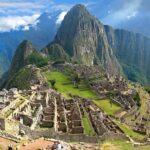
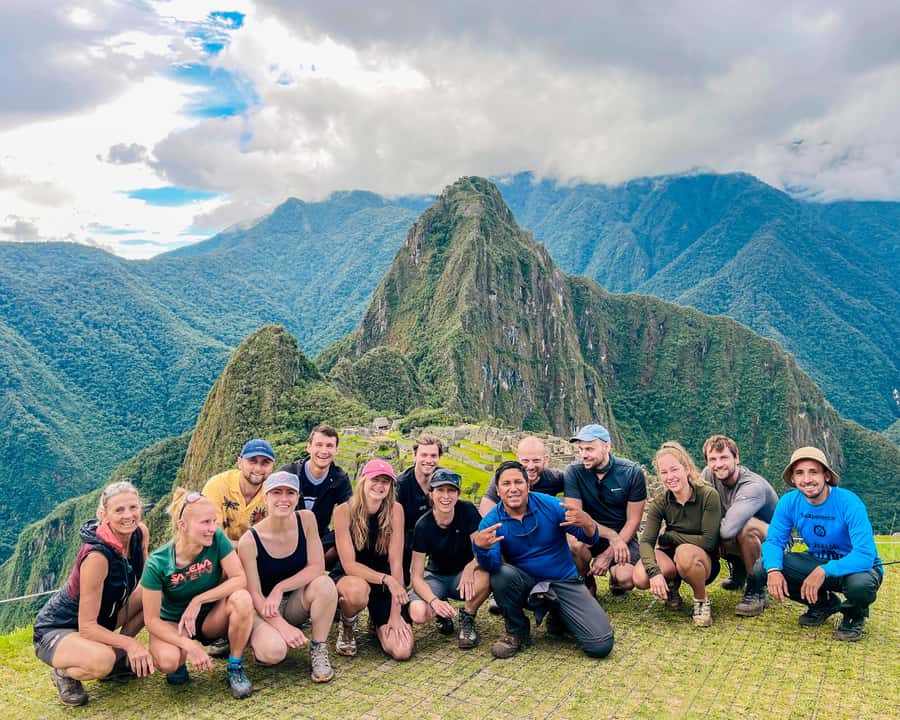
- Machu Picchu right at sunrise: fewer crowds at your first steps, plus classic viewpoints.
- Vistadome panoramic train: a scenic, comfortable ride that turns the return journey into part of the experience.
The big idea: why this Lares route feels more personal
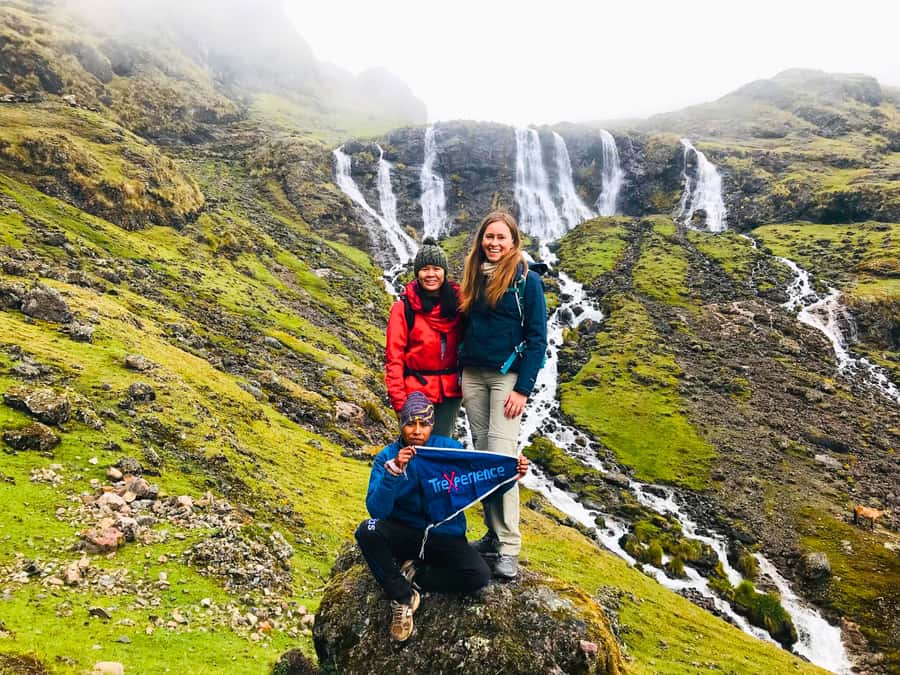
Most Machu Picchu trips rush you from Cusco to the site. This one takes a slower road. You spend days walking through valleys dotted with alpacas and potato fields, meeting people along the way, then you finish at Machu Picchu with timing that helps you see the citadel in its best light.
I also like the mix of experiences. You get natural recovery time in the Lares hot springs, a serious high pass moment at Condor Pass, and then a “wow” finale at Machu Picchu. It’s not just trekking for trekking’s sake; it’s trekking that connects to how people live in the Andes.
The value is in how much the logistics are handled: guide, entrances, transport to the trail start and into Aguas Calientes, and that panoramic train back. You still do the hiking, but you don’t spend your energy wrestling schedules, tickets, and logistics.
You can also read our reviews of more tours and experiences in Cusco.
Day 1: Cusco area markets, Ancashmarca, Puyas, then Blue Lagoon camping
Your day starts with pickup from your Cusco accommodation (or a meeting point if you’re outside the Cusco district). After that, you’ll head out to Calca’s market area and see the ancient Inca site of Ancashmarca. This is one of those “get your bearings” moments—Inca stone, Andean daily life, and a sense that Peru isn’t one stop, it’s layers.
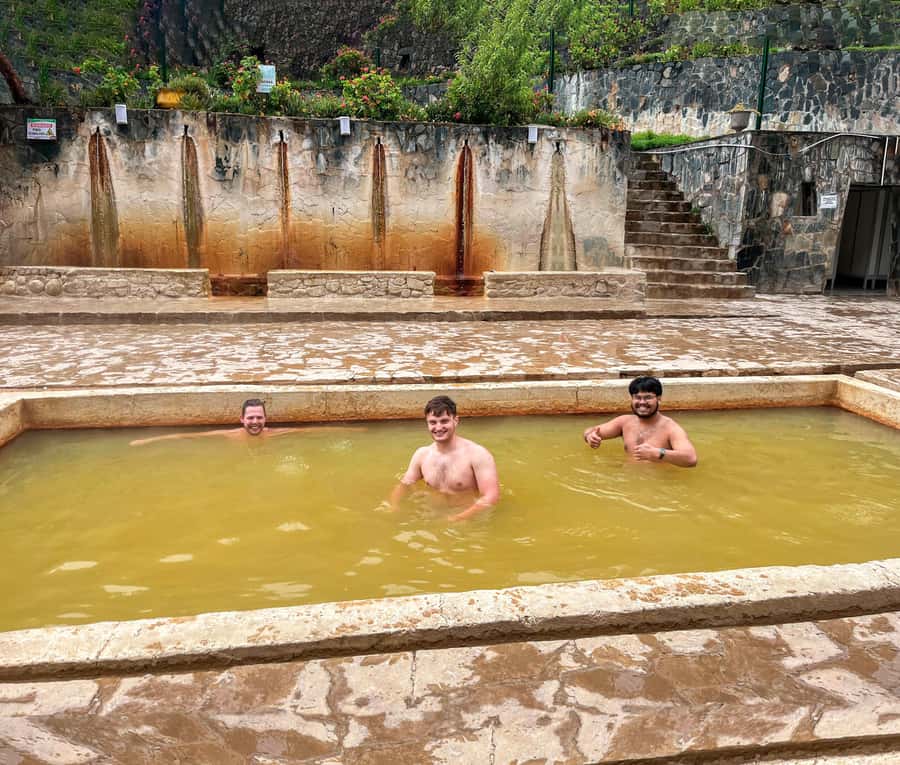
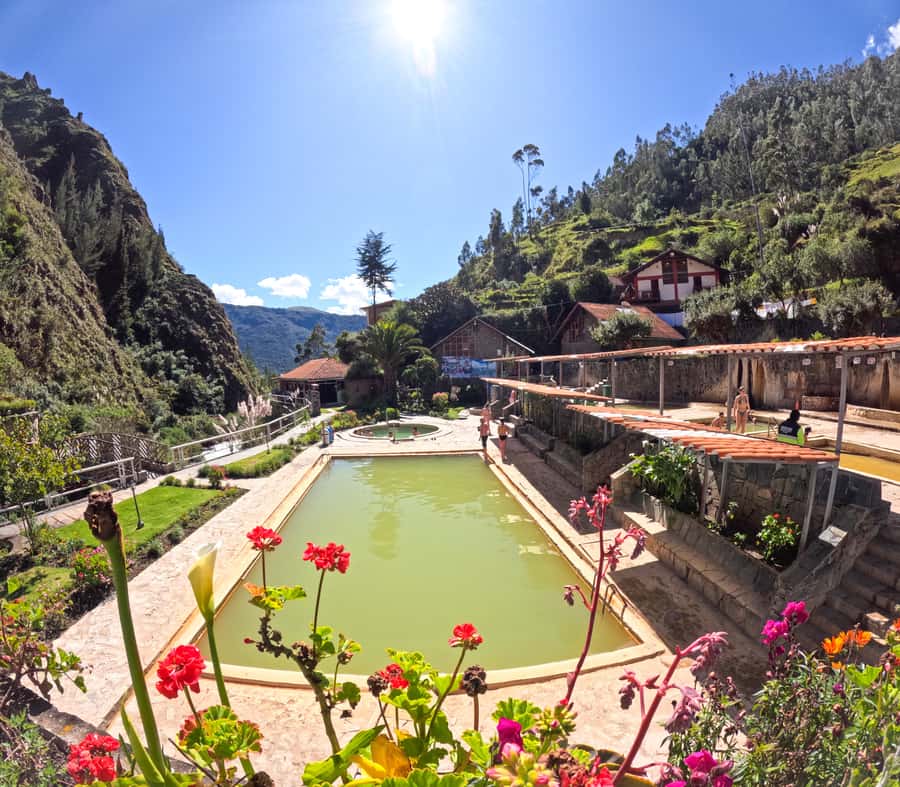
Next comes a high plateau stop to look for the Puyas de Raimondi, a rare plant that shows up in these elevations. Then it’s off to the Lares Hot Springs area for breakfast and soaking with mountain views. This is a smart start. You’re acclimating while also getting a reward right away, not waiting until the trek is over to feel good.
After the hot springs, you visit a weaving cooperative to learn Andean textile traditions and see how communities support themselves. Then you drive to the trek start at Pampacorral and begin walking through alpaca-dotted valleys and potato fields.
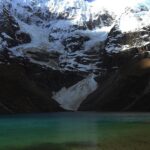
You’ll hike to Kiswarani for lunch, then continue toward the Blue Lagoon campsite at about 3,900 m. Dinner and stargazing happen there after coca tea. In plain terms: you’ll feel the altitude tonight, so expect a bedtime that’s earlier than usual.
Practical tip: bring rain gear and warm layers for camp. Night temps at elevation can surprise you, and you don’t want to be cold just because you forgot one layer.
Day 2: steady climb to Condor Pass (4,750 m) and a Quechua village evening
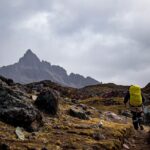
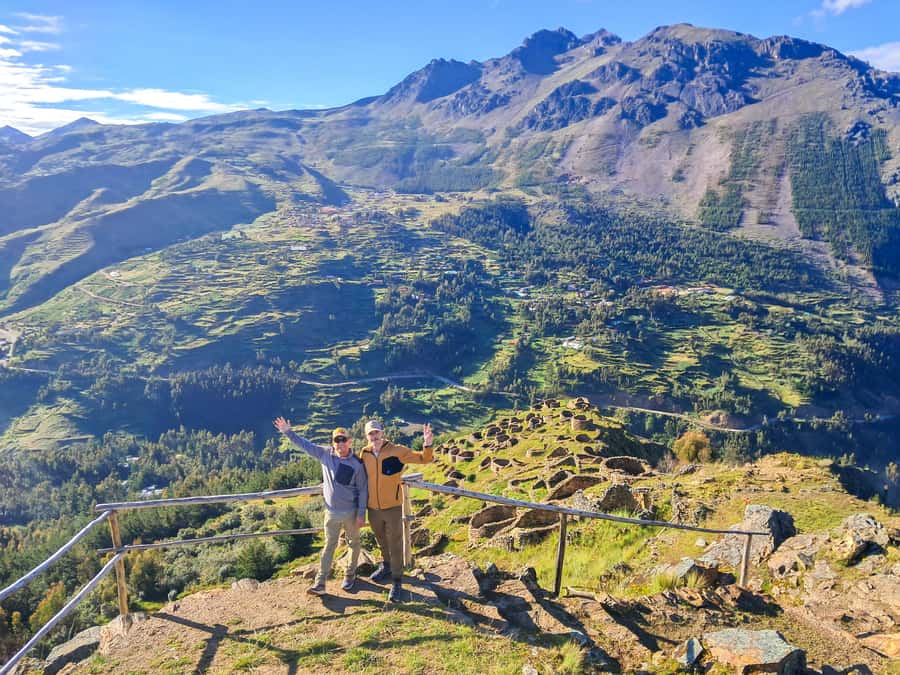
Day 2 begins at altitude again, waking up to coca tea or coffee, then breakfast. Then you settle into a steady climb through valleys with lakes and Andean wildlife. This is the day where the trek starts feeling “real mountain.” The higher you go, the more you’ll notice wind, thinner air, and the way your pace changes.
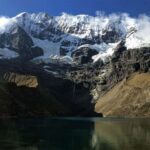
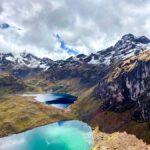
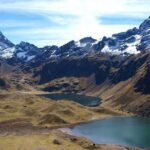
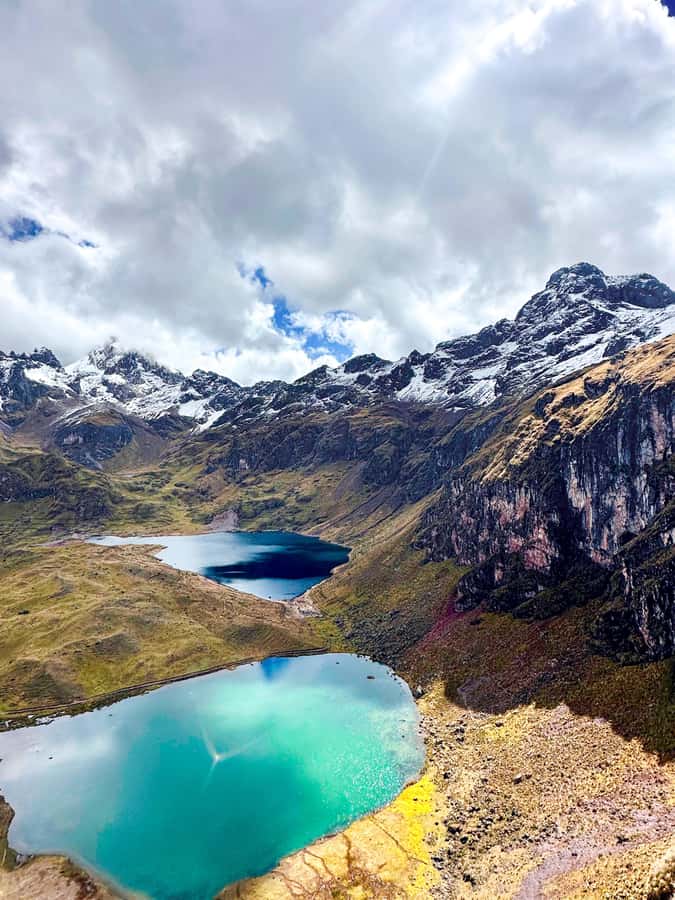
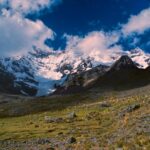
You reach Condor Pass at 4,750 m—the high point—where views open up to snowy peaks and turquoise lagoons. Before you descend, there’s a traditional offering ceremony. Even if you’re not deeply familiar with Andean ritual, it’s a respectful moment that adds meaning beyond scenery.
Afterward you stop for hot lunch in Acopata, then keep hiking through valleys with llamas and alpacas. The day ends in Canchacancha village at about 3,750 m. You’ll meet local families, learn a few Quechua phrases, and have dinner with more mountain views.
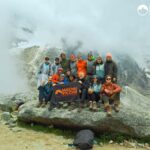
One of the best parts here is the human scale. You’re not only passing through; you’re spending time in the community and learning basic words that help you actually connect. A guide who moves at your pace matters on a day like this. In past groups, guides like Manolo and Filio have been singled out for keeping things friendly and workable, including for different fitness levels.
Possible drawback to plan for: the altitude and cold can reduce how much you feel you can do. This route is described as approachable, but the air at elevation isn’t negotiable.
Day 3: downhill into the Sacred Valley, Maras salt, and Ollantaytambo to Aguas Calientes
Day 3 starts with breakfast and mountain views, then you explore Canchacancha village further—homes and the school. There’s an option to donate supplies, which you can treat as your choice to contribute if you want to, not as a pressure thing.
Then the trek shifts into a downhill walk into the Sacred Valley—about a four-hour descent. You’ll pass from potato fields to corn and avocado crops. Downhill can sound easy, but it still taxes your legs, especially with yesterday’s altitude in your body. Wear supportive trekking shoes and take it slow on the steps.
Around 2,700 m in Huaran, you’ll have a picnic lunch. Then it’s a goodbye moment for your muleteers and chef—because for camping treks, those people make the whole trip possible.
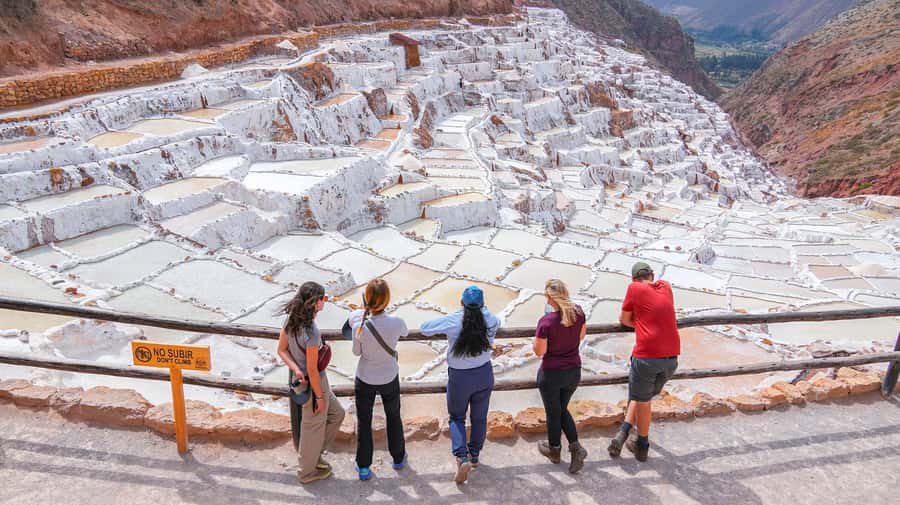
After lunch, you leave the walking behind and continue by private van to Salineras de Maras (the salt mines). You’ll learn about traditional salt harvesting, which is one of those places where you’ll see how work and landscape are connected in a very practical way.
Next: Ollantaytambo, described as the last living Inca town. You’ll visit before dining and then boarding the train to Aguas Calientes. You sleep that night in a comfortable 3-star hotel.
This mix—trek, valley drive, salt mines, then a historic town—keeps you from getting trek-fatigued. It also sets you up for the final Machu Picchu day without feeling like you’re starting from zero.
Day 4: sunrise Machu Picchu, a guided 2–3 hour walk, then Vistadome back
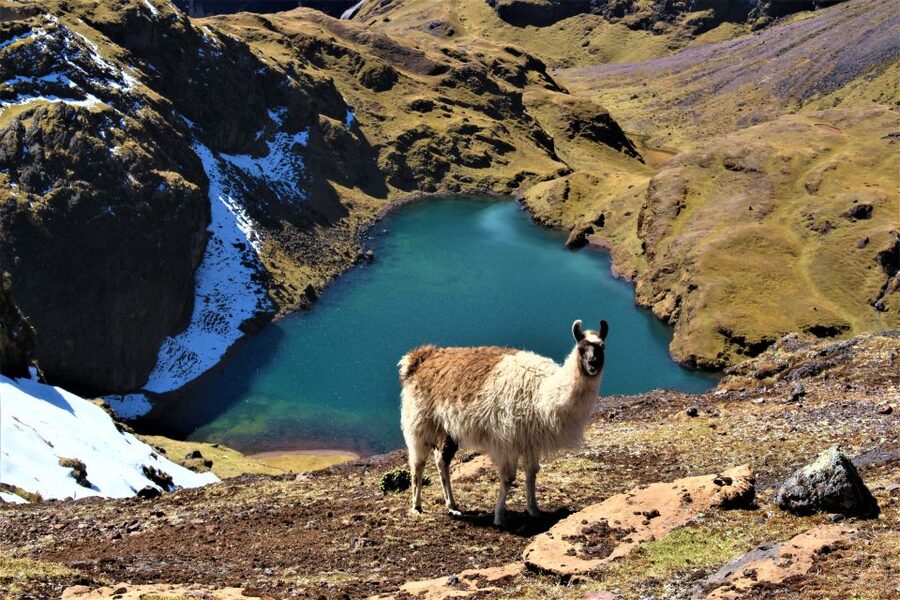
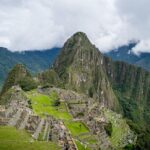
Your final day begins with early breakfast at the hotel. Then you catch the bus to Machu Picchu, arriving just as sunrise hits the citadel. That timing matters. The light is better, the site feels more alive, and you get classic photos from iconic viewpoints before the main walking tour.
You’ll join your guide for a 2–3 hour walk focused on the site’s most important landmarks and how Inca engineering worked day to day. This is the part where a good guide saves you from feeling like you’re staring at a pile of stones. You’ll get context that helps the site make sense rather than just impress you.
After the tour, you return to Aguas Calientes for lunch and downtime. Then comes the trip’s nice finishing move: board the Vistadome train, ride back to Ollantaytambo, and take a private transfer back to Cusco by evening.
One note: lunch on the final day in Aguas Calientes isn’t included, and any add-ons like Huayna Picchu or Machu Picchu Mountain are optional and not included. If you want those, plan for extra tickets and scheduling.
What you get with food, camp setup, and packing (and what you must bring)
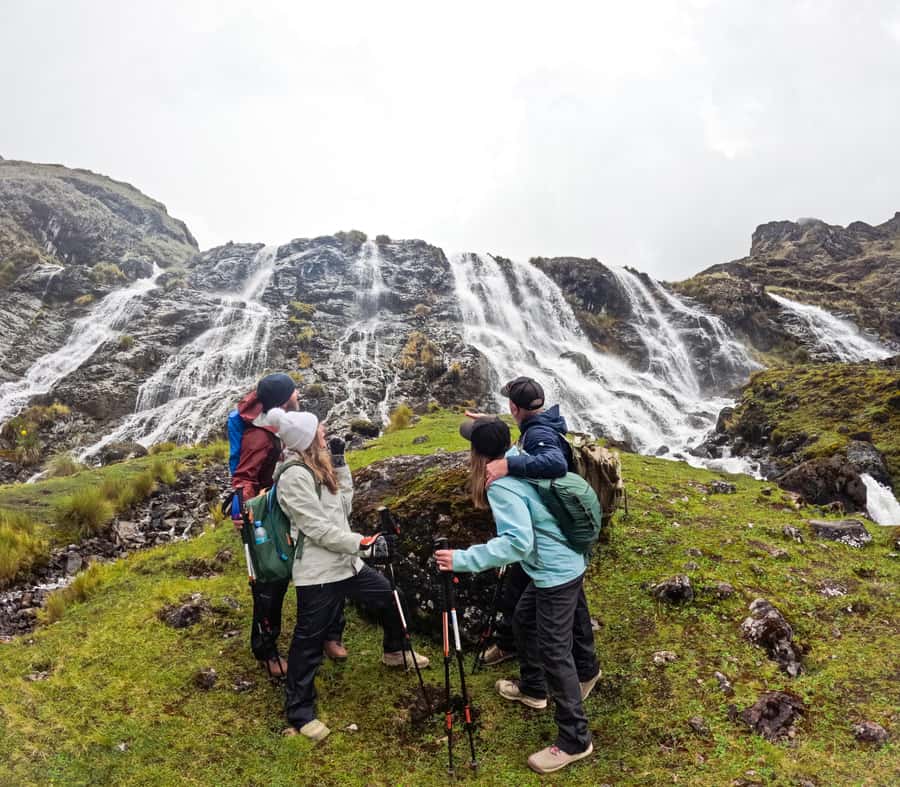
This trip does a lot right with on-trail support. You’ll have trekking chefs cooking 4 breakfasts, 3 lunches, and 3 dinners. You also get horses and muleteers to transport food and equipment, plus a personal duffle bag limit of up to 7 kg / 11 lb that muleteers carry for your camping gear.
That means you don’t have to haul everything in your daypack like a solo backpacker. But you do need to manage what you carry. You’ll want a daypack light enough for altitude hiking and heavy enough to keep essentials accessible.
The big “don’t forget” area is sleep gear. Sleeping bag and air mattress are not included, and trekking poles also aren’t included (they can be rented). Even if you think you sleep warm, bring this seriously. Past participants have flagged the cold nights and thin air as real factors.
What to bring, based on what’s required:
- Passport (details are needed at booking)
- Comfortable hiking shoes
- Sun hat, sunglasses, sunscreen
- Rain gear (weather changes fast)
- Insect repellent
- Toiletries, cash, hand sanitizer or tissues
- Weather-appropriate layers and hiking pants
If you’re prone to blisters, pack blister care. The trek involves real walking hours on uneven ground, and you’ll be grateful you did one small thing that prevents a big problem.
Vistadome train time: more comfort than a victory lap
The Vistadome train isn’t just transportation here. It’s part of the experience’s pacing. After a big day at Machu Picchu, you get a scenic return that feels like a reward instead of a chore.
You board from Aguas Calientes after your Machu Picchu day, then ride back toward Ollantaytambo. From there, you get a private transfer to Cusco in the evening. That means you don’t have to figure out train schedules while tired and sunburned (or both).
If you’re the kind of person who likes seeing how the river valleys and towns change over time, this train adds another set of views without demanding extra effort.
Price check: is $690 really value, or just marketing?
For $690 per person, you’re not just buying a hike. You’re buying a lot of included pieces that would cost you extra if you tried to assemble them on your own.
Included highlights that drive value:
- Certified professional guide
- Entrance fees for Machu Picchu, Lares Hot Springs, and Maras Salt Mines
- Pickup and drop-off in Cusco
- Round-trip bus to Machu Picchu and the Vistadome return train
- 2 nights of scenic camping + 1 night in a 3-star hotel
- Trekking chefs and multiple meals
- Muleteers/horses + duffle bag carry for camping gear
Where you may spend extra:
- Sleeping bag, air mattress, trekking poles (rent if needed)
- Lunch on the final day in Aguas Calientes
- Optional add-on tickets like Huayna Picchu or Machu Picchu Mountain
- Travel insurance (recommended)
Also, note the cancellation policy is non-refundable. So this is a plan you should only book when you’re comfortable committing.
Who this Lares trek suits (and who should skip it)
This is a great match for you if you want:
- A trek that’s short enough to be manageable but still feels like a real journey
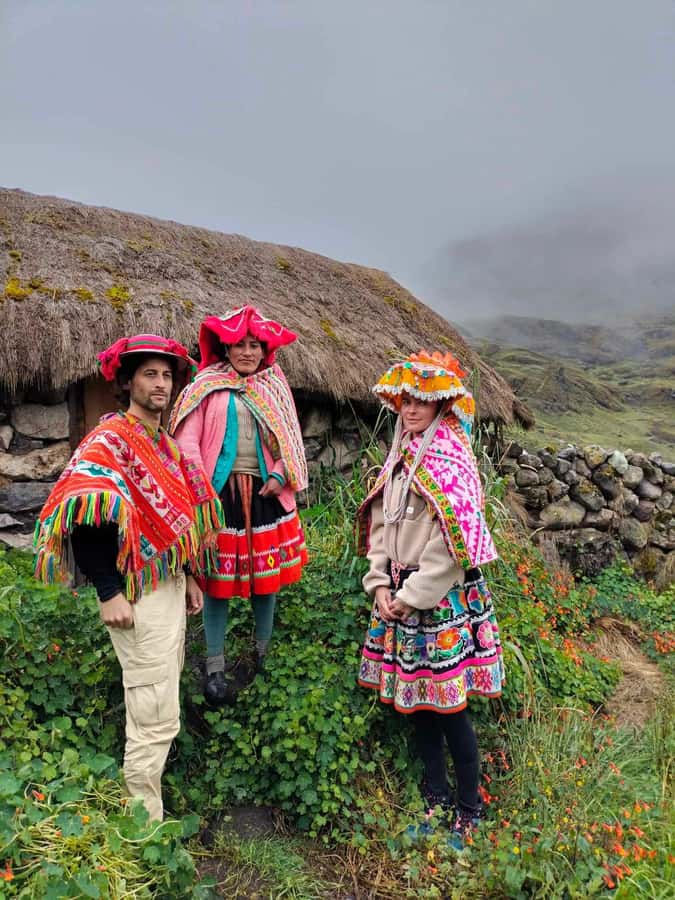
- Village and culture stops (weaving cooperative, Quechua phrases, school visit option)
- Hot springs and time to recover, not only endurance hiking
- Machu Picchu with strong timing and a guided walk
It’s not suitable if you have the listed health or mobility constraints: pregnant women, people with back problems, mobility impairments, heart problems, or wheelchair users.
Also consider the altitude reality. Even if you’re fit, the high passes and cold nights can make you feel less capable than you expect. If you want a smooth experience, come in with good baseline cardio, pack warm sleep layers, and don’t treat the trek as a race. A guide adjusting to your pace has been a bright spot in past groups.
Should you book this 4-day Lares trek to Machu Picchu with Vistadome?
Book it if you want a complete Peru package: hot springs recovery, meaningful Andean stops, and Machu Picchu at sunrise—without having to coordinate every single ticket and transfer yourself. The included meals, entrances, and major transport pieces make the price feel fair for what you get.
Skip it if you’re likely to struggle with cold nights or you can’t handle high altitude. Also skip if your plans are shaky. With non-refundable terms, you don’t want this as a “maybe.”
If you’re healthy, ready to hike, and excited by the idea of arriving at Machu Picchu after walking through the Andes, this is a strong pick.
FAQ
What’s the total duration of the tour?
It’s a 4-day experience, with the trek and sightseeing scheduled across those four days.
Where do you sleep during the trip?
You’ll have two nights of camping and one night in a comfortable 3-star hotel.
Is Machu Picchu included, and how long is the guided visit?
Yes, Machu Picchu entrance is included. You’ll go with a guide on a 2–3 hour walking tour after arriving by bus in the morning.
How do you travel back to Cusco after Machu Picchu?
After Machu Picchu, you return to Aguas Calientes, then take the scenic Vistadome train to Ollantaytambo. A private transfer brings you back to Cusco by evening.
What should I bring for the camping part?
You should bring a passport, warm weather clothing, rain gear, sunscreen, insect repellent, toiletries, cash, and good hiking shoes. Sleeping bag and air mattress are not included, and trekking poles aren’t included (renting is available on request).
Can the tour accommodate special dietary needs?
Yes. You should advise special dietary needs at booking, and the trekking chefs will prepare meals accordingly.
Who is this tour not suitable for?
It’s listed as not suitable for pregnant women, people with back problems, people with mobility impairments, people with heart problems, and wheelchair users.