REVIEW · KATHMANDU
Everest Base Camp Trek
Book on Viator →Operated by Alliance Adventure Pvt. Ltd · Bookable on Viator
Everest tests your pace, then pays you back. On this 16-day Everest Base Camp trek, I like the way guide Aashish pushes a slow, steady rhythm for thin air, and you still reach the big moment with an early hike to Kala-Pattar for sunrise views.
I also appreciate how the route is built with real acclimatization stops, not just forced marching. You’ll have a day in Namche for adjusting, plus time in the middle of the trek to rest and do side-steps for better breathing.
One caution: this is a cold-at-altitude experience, and hot shower/hot water are not included, along with battery charging and other extras.
In This Review
- Key highlights worth marking on your map
- Kathmandu and the first travel days: how you actually get rolling
- Lukla flight to Phakding: the Everest Region opens fast
- Namche acclimatization and Everest View Hotel: where the trip makes sense
- Tengboche monastery days: culture, monasteries, and a slower kind of effort
- High-altitude reality check: how the guide helps you breathe
- Kala-Pattar sunrise and the climb of motivation
- Final days: last steps, flights, and the post-trek reset
- Price and value: what $1,850 buys on the ground
- What’s not included (and what you should plan for)
- Training, packing, and the small stuff that keeps you comfortable
- Who should book this Everest Base Camp trek?
- Should you book? My practical call
- FAQ
- How long is the Everest Base Camp trek?
- What time do I meet in Kathmandu?
- Are trekking permits and TIMS cards included?
- What trekking gear is included?
- Is hot shower or hot water included during the trek?
- Do I need a Nepal visa, and what does it cost?
- Is this booking refundable if you cancel?
Key highlights worth marking on your map
- Lukla to Namche transition: flight in, then a climb through classic Sherpa villages
- Namche acclimatization day: built-in time to adjust before going higher
- Side stops that add texture: Everest View Hotel and Khumjung’s Hillary School, plus monasteries
- Altitude coaching is built in: slow steps, long breathing, and practical warm-up habits
- Plan for the Gorak-Shep stretch: you’re told there won’t be tea shops in that segment
- Kala-Pattar sunrise and a final downhill finish with a guide-and-potter celebration
Kathmandu and the first travel days: how you actually get rolling
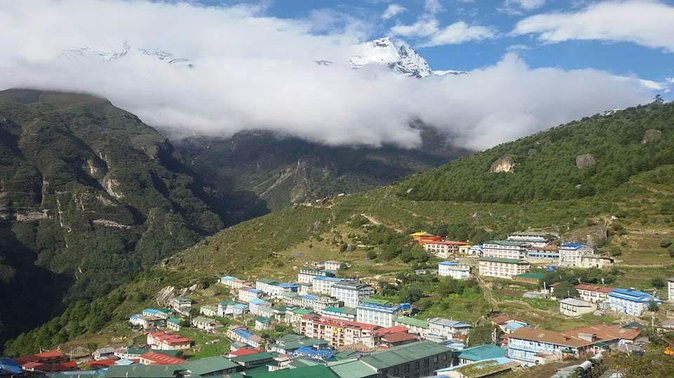
Your trek officially starts in Kathmandu with an arrival day that’s more useful than it sounds. You’ll land at Tribhuvan International Airport, get a warm welcome at the hotel, and have time to brief on the Everest Base Camp trek and get your trekking gear sorted. This matters because the first mistake people make is packing on day one and still figuring out their system on day three.
Day 2 is a half-day city tour, then a drive to Manthali Airport (about a 4-hour drive). You’re not just sitting in a vehicle. The route includes passing through local villages, agricultural areas, and cultural scenes, which helps you start understanding what Sherpa life looks like before you step into the high country.
Logistics note: the tour is set up as a private activity, so it’s only your group. You meet at 6:00 am in the Kathmandu Valley area, and the “mobile ticket” detail is there for how you’ll receive materials.
You can also read our reviews of more tours and experiences in Kathmandu.
Lukla flight to Phakding: the Everest Region opens fast
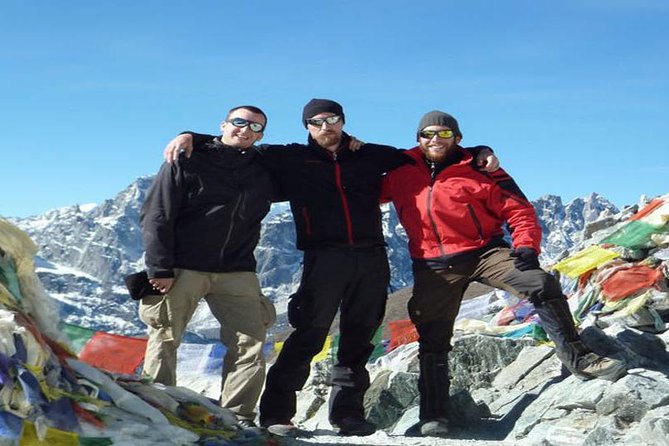
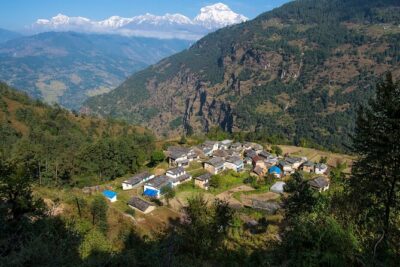
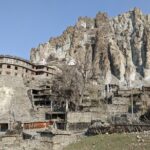
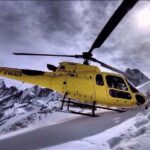
Day 3 begins with an early domestic flight to Lukla (Hillary Airport). That flight is the classic gateway into the Everest region, and it gets you onto the trail without days of slow buildup. After landing, your walk starts through Sherpa villages with mountain views, which is exactly what you want early: sights plus cultural rhythm, not just straight climbing.
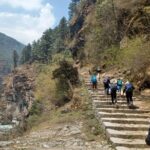
By Day 4, you’re working your way toward Namche Bazaar via river views, suspension bridges, and stair-like stretches (including the famous Hillary steps). The moment you hit the Hilary bridge area, you may catch sight of Mount Everest and neighboring peaks when the weather cooperates. That “if skies are clear” part is real up here, so don’t schedule your mood around one view.
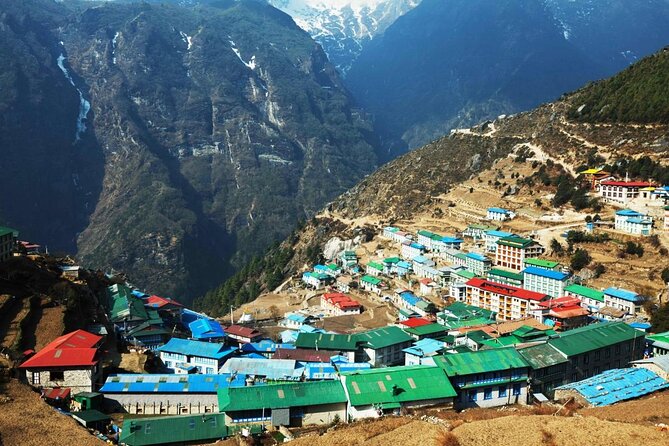
You’ll reach Namche, which the itinerary treats as the hub for Everest Base Camp and other routes. I like this because it reduces stress: it’s easier to reset, eat well, and adjust your pace when you’re surrounded by other trekkers and the same familiar facilities.
Namche acclimatization and Everest View Hotel: where the trip makes sense
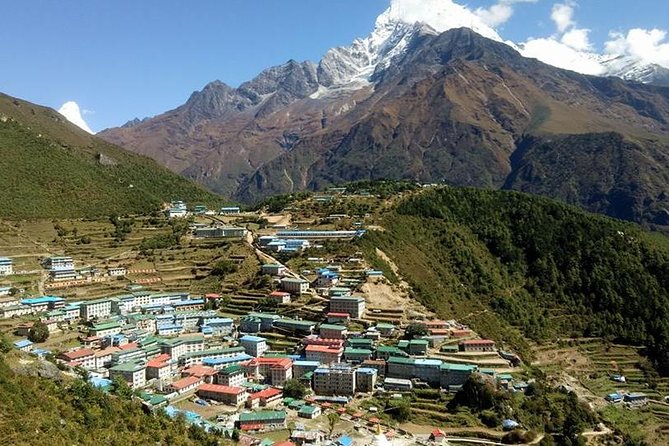
Namche isn’t just a place to sleep. It’s where the trek becomes smart. Your schedule includes a full acclimatization day, which usually means less grinding, more breathing control, and a chance to notice how your body responds to altitude.
On Day 5, you hike to Sagarmatha National Park areas and make stops around Everest View Hotel and Khumjung Village. You also visit Hillary School in Khumjung. Stops like this give the trek more meaning than elevation goals. You’re not only climbing; you’re learning how communities live alongside the mountain.
The practical win is that you’re not immediately pushed upward at full effort. That keeps you in the “steady and safe” mode for the higher days, especially when the air gets thin.
Tengboche monastery days: culture, monasteries, and a slower kind of effort
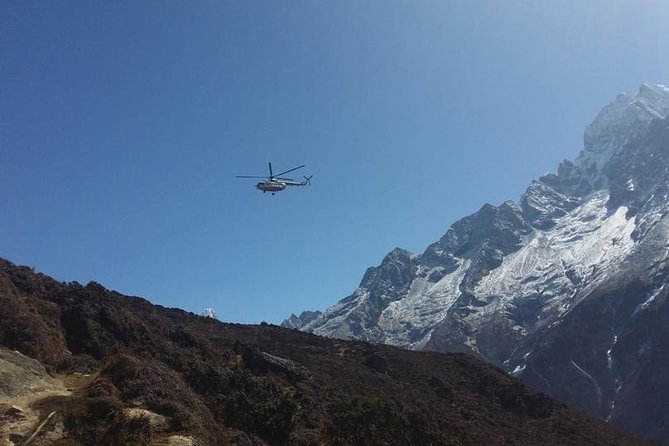
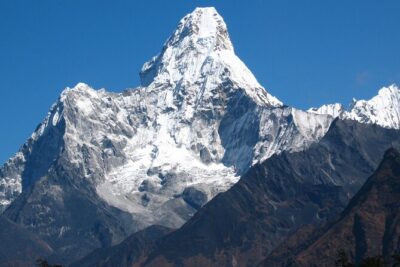
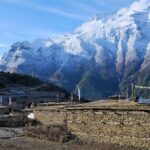
Day 6 shifts into the kind of scenery that feels almost unreal: trails that pass through areas associated with big peaks like Thamserku and Ama Dablam, and then down toward Pungi-thangka before climbing up to Tengboche monastery.
Tengboche is a key rhythm point because it’s both spiritual and scenic. It also tends to break up the mental load. When you’re tired, having a destination that isn’t just a lodge door helps you keep your focus.
On Day 7 and Day 8, the itinerary continues with an “old village” feel (Pangboche), rivers and mountain views, plus a hike to Nangkartshang Peak. Day 8 is shorter on paper (about 4 hours), which can be a good recovery pattern after a longer day.
I like that this isn’t a trek where every day is identical. You’ll still work, but you get varied effort levels, which helps you manage fatigue without pretending the altitude isn’t there.
High-altitude reality check: how the guide helps you breathe
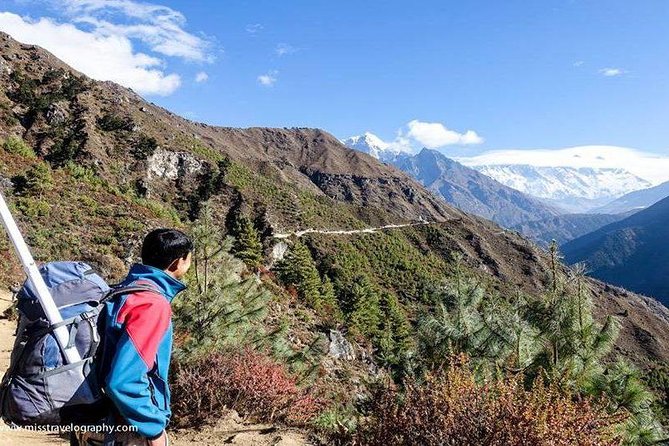
Day 9 is where the schedule reminds you that air gets thinner fast. The guidance is very direct: you walk slowly, keep long breathing, drink more hot water, and stay warm with habits like Honey-Ginger. That’s exactly the kind of advice you want early, because it’s not complicated, and it can make the difference between “hard but manageable” and “I’m struggling to recover.”
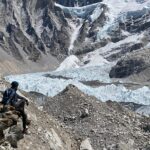
Day 10 is the big move toward Everest Base Camp from the Gorak-Shep area. After checking into a lodge and grabbing quick lunch, you hike to Everest Base Camp. This is also where an important practical detail appears: you’re advised to carry enough drinking water and some energy bars because the Gorak-Shep to EBC section doesn’t have tea shops.
That line matters. Tea is comforting and familiar, but up high it can be inconsistent. If you rely on finding drinks when you’re already tired, you’ll feel the stress. Bring your own plan, sip steadily, and eat small snacks before you feel hungry.
A small note on pace: the itinerary tells you to expect that you’ll need long breathing and slow steps during thinner-air sections. Treat that as a rule, not a suggestion. It keeps you moving while protecting your recovery for the next day.
Kala-Pattar sunrise and the climb of motivation
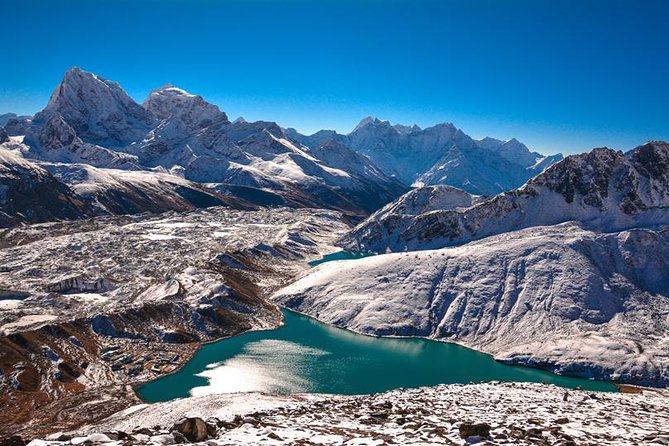
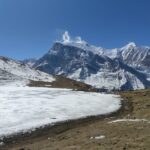
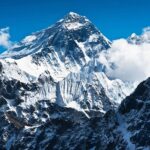
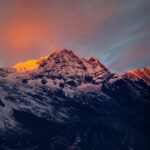
Day 11 is an early morning hike to Kala-Pattar to catch sunrise over Mount Everest and the surrounding Himalayan range. Then you trek back to Lobuche. Sunrise hikes at high altitude are emotional and physical. You’re cold early, but you keep your eyes on the prize and your breathing steady.
Day 12 continues with a trek through return trails toward a major Buddhist monastery in the Solu Khumbu area. This is one of those “balance” days: you’re still walking, but you also get cultural grounding. A monastery stop gives your body a mental break. It also tends to help you feel less like you’re just chasing a summit view.
Day 13 keeps the pattern going: monastery visit and prayer time, then trekking down and up until Namche Bazaar, plus continuing down to Monjo village. The key idea here is that the trek doesn’t slam you with nonstop high altitude. You’re descending while still moving, which helps you stabilize.
Final days: last steps, flights, and the post-trek reset
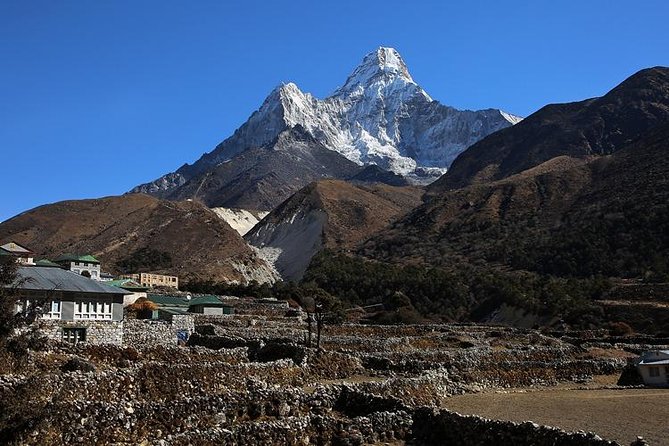
Day 14 is the last stretch of trekking in the Everest region, finishing around 5 hours with a celebration with your guide and potter. That kind of closure is meaningful. Your guide and porter work hard behind the scenes, and this is a moment to recognize it instead of rushing straight into the next plan.
Day 15 is a short flight to Manthali Airport, then about 4 hours driving back to Kathmandu for rest and time on your own. This matters because after all the walking, your biggest need is downtime, not another sightseeing sprint.
On Day 16, after breakfast you explore a heritage site and then have a farewell dinner. Since Kathmandu still includes cultural stuff, that final day lets you shift from mountain mindset to city mindset without feeling disconnected.
Price and value: what $1,850 buys on the ground
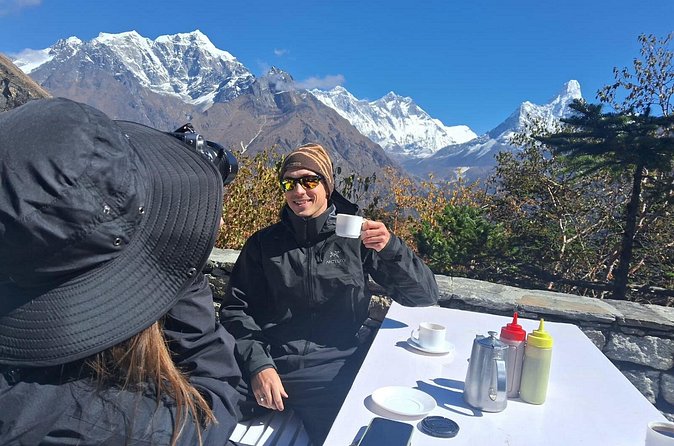
At $1,850 per person (for the approx. 16-day trek), you’re paying for more than a route on a map. The value shows up in the package items that reduce your stress and risk.
Here’s where the cost makes practical sense:
- Permits included: trekking permit and TIMS cards
- Staff support: an English-speaking guide, plus strong helpful porters
- Safety structure: insurance is included for the guide and potters during the trek, and there’s a medical kit bag
- Core lodging + meals: breakfasts, lunches, dinners, tea/coffee are covered along the trekking, using comfortable lodges
- Cold-weather gear included: a warm down jacket and sleeping bag, plus a walking pole after the return
Gear like a sleeping bag and down jacket can make a big difference if you don’t want to buy equipment in Nepal or carry it from home. Also, having your meal coverage and lodge coverage planned for each stage means you’re not improvising daily logistics at altitude.
If you compare this to a “DIY” trip, the savings often come down to time and uncertainty. This tour aims to take away the guesswork: where to sleep, what to eat, and how to handle the day-to-day pace.
What’s not included (and what you should plan for)
This trek is run as a package, but you’ll still pay for certain everyday costs. Not included items include cold drinks and mineral water, hot shower and hot water, battery charging, phone calls, laundry, and bar bills along the trek. Kathmandu also has exclusions for lunch and dinner, and any sightseeing entrance fees.
Two things to think about before you arrive:
- Bring cash for add-ons: battery charging and battery-related conveniences often cost extra in remote areas
- Don’t forget tips: tips for the guide and potters are not included
Altitude insurance is also listed as not included. The itinerary notes mountain high altitude sickness insurance separately, so if this matters to you, you’ll want to arrange it outside the package.
Training, packing, and the small stuff that keeps you comfortable
The tour info gives you an actual prep checklist vibe, and I think you should follow it. You’re encouraged to have moderate physical fitness, and you’re told to train yourself, including doing one day of hiking once per week if you can.
For clothing and gear, they specifically recommend:
- Windproof outer jacket and a warm down-filled jacket (helpful if you run cold)
- Comfortable trousers; loose skirts for women during the day
- Gloves, hat/cap, sunglasses, sunblock, lip balm (sun can be intense at altitude)
- Lightweight trekking shoes and warm woolen or thermal socks
- Thermal undergarments for the night if you get cold
- Flashlight and spare batteries
Water and snacks are also key. The itinerary explicitly tells you to carry enough drinking water and energy bars for the Gorak-Shep to Everest Base Camp segment where tea shops aren’t available. That’s a practical reminder: plan for your body, not the menu.
Who should book this Everest Base Camp trek?
This is a good match if you want:
- A structured 16-day EBC plan with acclimatization built in
- A guide-led pace system that helps you manage thin air (slow walking, long breathing)
- Included core logistics: permits, meals along the trek, and lodges
- A private setup where your group stays together
If you hate early starts, cold nights, and walking day after day at altitude, this might not feel fun. But if you want the classic Everest Base Camp experience with clear pacing and real support, it’s a solid choice.
Also, it’s designed for people with moderate physical fitness. You don’t need to be a mountaineer, but you do need to move comfortably for multiple hours daily.
Should you book? My practical call
I’d book this Everest Base Camp trek if you’re looking for a guided, organized route where the hard parts are handled: permits, lodge planning, meal coverage, and a high-altitude pace approach led by Aashish. The included sleeping bag and down jacket also help you avoid hauling extra weight or rushing gear purchases.
I’d think twice if you’re expecting hot showers, battery charging, or lots of extras along the trail, because those aren’t included. And do note the planning risk: it’s listed as non-refundable and cannot be changed for any reason, so be sure your dates are firm before you commit.
If your goal is to reach Everest Base Camp with less stress and more support, this package is built for that.
FAQ
How long is the Everest Base Camp trek?
The tour is listed as 16 days (approx.).
What time do I meet in Kathmandu?
You’ll meet in Kathmandu at 6:00 am.
Are trekking permits and TIMS cards included?
Yes. The itinerary includes the trekking permit and TIMS cards.
What trekking gear is included?
Included items are a warm down jacket and sleeping bag, trekking duffel bag (waterproof), and a walking pole after the trek return to the company.
Is hot shower or hot water included during the trek?
No. Hot shower and hot water are not included along the trek.
Do I need a Nepal visa, and what does it cost?
The tour info says Nepal visa is available on arrival. The listed cost is USD25 for 15 days and USD40 for 30 days.
Is this booking refundable if you cancel?
No. The experience is non-refundable and cannot be changed for any reason.