REVIEW · KATHMANDU
Langtang Kyanjin Gompa Trek – 11 Days
Book on Viator →Operated by Overland Trek Nepal · Bookable on Viator
Kyanjin Gompa hikes deliver real altitude payoff. This 11-day Langtang & Kyanjin Gompa trek mixes classic high-valley trekking with Buddhist monastery stops and a big-money views day at Tsergo Ri. I like that the trip includes real support (English-speaking guide, meals, permits, transport) without hiding behind vague promises, and I also like the early “orientation + Kathmandu valley” setup so you understand Nepal before your boots hit the trail.
Two more plus points: the route spends time at Kyanjin Gompa before the higher viewpoint day, and it’s designed for gradual acclimatization as you climb. One thing to consider: it’s high country. Even with breaks and acclimatization, you’ll want solid moderate fitness and you should plan for weather to affect mountain views.
In This Review
- Quick hits (what you should care about)
- Why Kyanjin Gompa (Not Just Another Trek) Feels Special
- The Kathmandu Start: Orientation, Monuments, and Practical Headspace
- From Kathmandu to Syabrubesi: The Long Lateral Step Into Trek Country
- Syabrubesi to Lama Hotel Area: River Crossings, Old Village Feel, and First Views
- Into the High Valley: Rhododendrons, Pass Prayer Flags, and the Ghora Tabela Check
- Yamphu to Kyanjin Gompa: The View Reveal and Acclimatization at the Right Moment
- Tsergo Ri From Kyanjin Gompa: A Tough Climb With a Clear Purpose
- The Return: Retracing Steps to Lama Hotel and Back to Syabrubesi
- Day 10 in Kathmandu: Gifts, Photos, and a Real Finish
- Price and Logistics: Is $1,249 Good Value?
- Who This Trek Suits Best (and Who Should Rethink It)
- Optional Extensions: Add Kyanjin Ri or Tserko Ri If You Want More Altitude
- Should You Book This Langtang Kyanjin Gompa Trek?
- FAQ
- How high does the trek go?
- What’s included in the trek meals?
- Are airport transfers included?
- Do I need a Langtang National Park permit?
- Is the TIMS card included?
- How do you get from Kathmandu to Syabrubesi?
- What isn’t included in the price?
- What happens if weather is bad?
Quick hits (what you should care about)
- Kyanjin Gompa (3800m) + monastery settlement: overnight time means you’re not just passing through.
- Tsergo Ri viewpoint day: a tough climb, but you’re rewarded with wide mountain views.
- Langtang National Park permit included: helps you understand why the route feels protected and cared for.
- Meals, tea/coffee, and a few trail snacks included: fewer money surprises when you’re tired.
- Guides who stay responsive for solo travelers: safety and communication matter on multi-day hikes.
- Kathmandu valley orientation first: you start the trek with context, not confusion.
Why Kyanjin Gompa (Not Just Another Trek) Feels Special
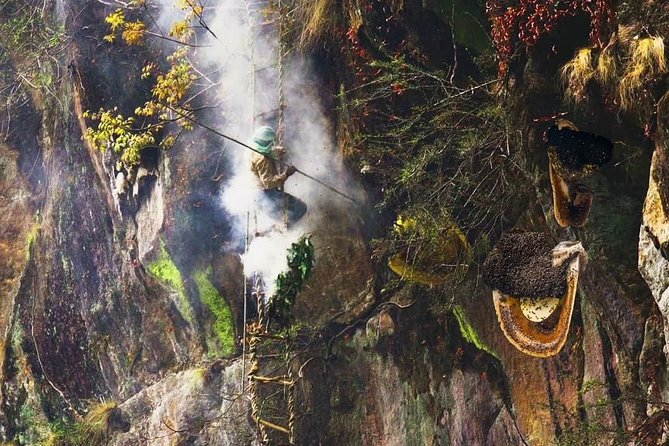
If you’ve done the “big-name” treks, Langtang can still feel different—in a good way. The trek leads you into the Langtang National Park area and into a high settlement where Tamangs and Sherpas live close to Buddhist monasteries. That matters because you’re not only walking through scenery; you’re moving through a real community and routine.
Kyanjin Gompa sits at about 3800m. It’s high enough that mornings can feel crisp and clear (if the weather cooperates), and it’s low enough that you can actually spend meaningful time there—rather than just reaching a viewpoint, taking a photo, and leaving. You get a short window to acclimatize and explore around the gompa area before the higher climb.
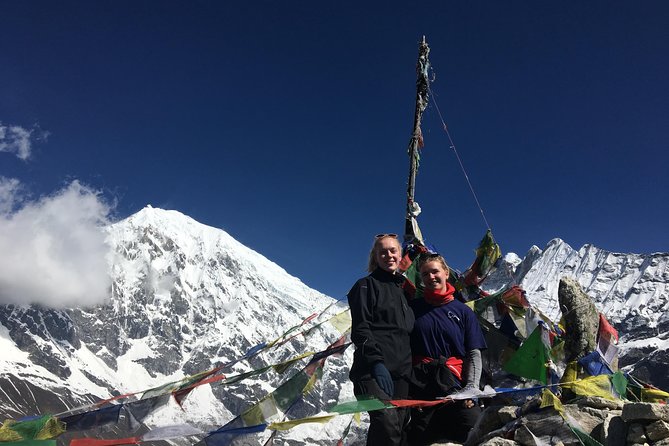
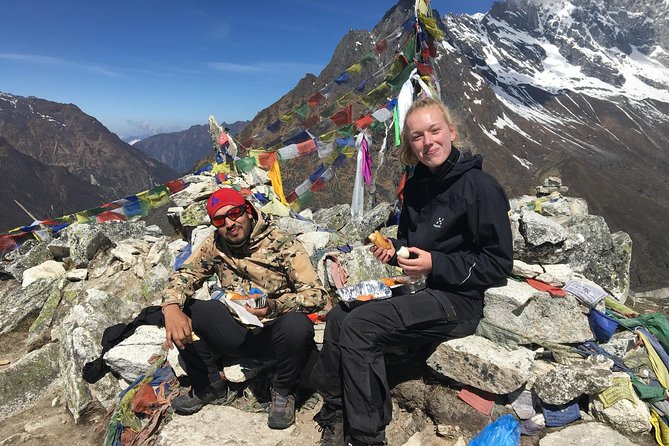
You also get the kind of day that makes a trek feel worth it: a ~5-hour uphill push from Kyanjin Gompa to Tsergo Ri. It’s not a gentle stroll. But the route includes switchbacks, prayer flags, and a payoff view that’s the point of the trip.
One practical note: the “best views” day is also the day most affected by weather. Plan for the possibility of clouds or visibility limits, and don’t treat the mountain picture as guaranteed.
You can also read our reviews of more tours and experiences in Kathmandu.
The Kathmandu Start: Orientation, Monuments, and Practical Headspace
Most people think trekking starts with the bus out of Kathmandu. In this case, it starts earlier. Day 1 gets you into Kathmandu, and Day 2 builds your understanding with a guided half-day around Kathmandu Valley.
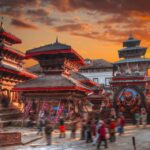
You’ll cover key sites like Kathmandu Durbar Square, Boudhanath, Swayambhunath, and Pashupatinath. That mix of Newari architecture, Hindu temple life, and Tibetan Buddhist influence helps you read what you’ll see later—especially monastery culture. It’s also a mental reset. After a long flight, it’s nice to have a structured tour rather than wandering Thamel all day trying to decode directions.
From a practical angle, orientation also helps with your trekking mindset. When you know what prayer flags mean, why monasteries sit where they do, and how people move through shrine areas, your hike feels less like a guided checklist and more like a place you understand.
From Kathmandu to Syabrubesi: The Long Lateral Step Into Trek Country
On Day 3 you drive from Kathmandu to Syabrubesi (about 132 km). The value here is simple: it gets you out of the city fast and puts you into trek territory without you spending extra energy navigating.
Day 3 is travel day, so you’re not grinding altitude immediately. That’s good. You want your legs fresh for your first real trekking stretches.
Also, the itinerary includes pickup/drop by car/van/bus, so you’re not piecing together transfers with local taxis. For solo travelers especially, this kind of handoff reduces stress. (In past trip experiences, guides such as Nick (Gautam) have been highlighted for staying in touch to make sure solo hikers feel safe—especially around arrival and departure timing.)
Syabrubesi to Lama Hotel Area: River Crossings, Old Village Feel, and First Views
Day 4 starts your real trekking rhythm near Syabrubesi. You hike northward, cross a suspension bridge over the Bhote Koshi, and then wind into old Syabrubesi where you can visit a village monastery in a small stone building.
That combination—big river crossing plus monastery visit—sets the tone. It’s not just uphill. You’re getting a sense of how the valley works: where people live, how communities anchor around religious spaces, and how trails connect villages.
After the monastery, you follow stone-paved streets out of town and cross bridges over the Langtang Khola. The route includes a log bridge and then a suspension bridge toward the waterfall of Doman. Expect a lot of variety in trail feel on this day: tree shade, stream crossings, and scenic stops where you’ll likely slow down even if you’re moving briskly.
What to watch for: with river crossings and bridges, footing matters. If you have trekking poles, use them early and often. Also, keep your headlamp or phone battery charged for rest stops—some early days can run longer than you expect once you factor in bridge pauses and village looks.
Into the High Valley: Rhododendrons, Pass Prayer Flags, and the Ghora Tabela Check
Day 5 is one of those days where the trek starts to feel like you’re trading trees for altitude. You climb through a forest of hemlocks, oaks, maples, and white and pink rhododendrons. Even when you’re tired, this is the kind of scenery that keeps your effort from feeling flat.
You’ll reach Gumanchok, cross a stream, and climb steeply to a pass marked with prayer flags. From there you arrive at Ghora Tabela (described as a Nepal Army and National Park Post). That stop is practical. It’s a reminder you’re in a protected region with formal entry and monitoring.
After Ghora Tabela, the trail ascends gradually as the valley opens into a classic U-shaped glacial valley. You’ll pass a helipad and yak pastures, then climb through rhododendron forests toward Thangshyap. The route continues diagonally above fields, reaching Ghumba village, where there’s a gompa worth visiting.
This day can also include water-driven mills and stream crossings, which means frequent small distractions. That’s good for morale—just don’t let distractions turn into stalling so long you mess up your pacing.
Yamphu to Kyanjin Gompa: The View Reveal and Acclimatization at the Right Moment
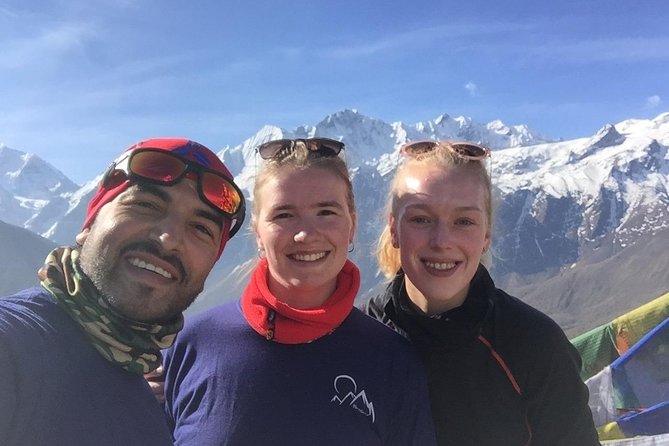
Day 6 is a key transition day: you go from “approaching” to “seeing it.” The trail winds through villages, passes features like a large chorten on a ridge, and includes mani wall segments—very easy to treat as just decoration until you realize they’re part of a living religious landscape.
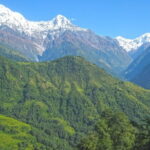
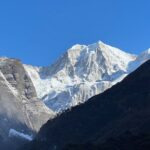
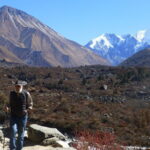
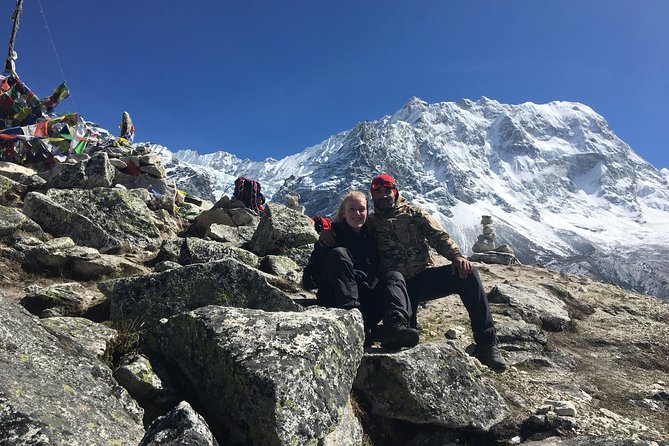
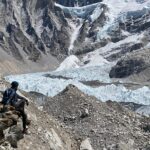
You reach small places like Mundu, then climb alongside the rushing river. The route includes a yak wool shop and then moves into Yamphu yak pastures. Finally you climb a moraine and reach a viewpoint where you can finally see the monastery of Kyanjin Gompa and the dramatic icefall flowing from peaks like Langtang Lirung and Kimshung.
That is the payoff build: you see the gompa from a distance first, then later you arrive close enough to explore properly. The itinerary also gives you time to acclimatize and explore around Kyanjin Gompa, including the Nyingmapa school monastery before heading into the settlement for the night.
This “time buffer” matters. Too many treks rush you into the highest point with no mental or physical settling time. Here, the schedule gives your body a better chance to adjust and lets you enjoy the place rather than just checking it off.
Tsergo Ri From Kyanjin Gompa: A Tough Climb With a Clear Purpose
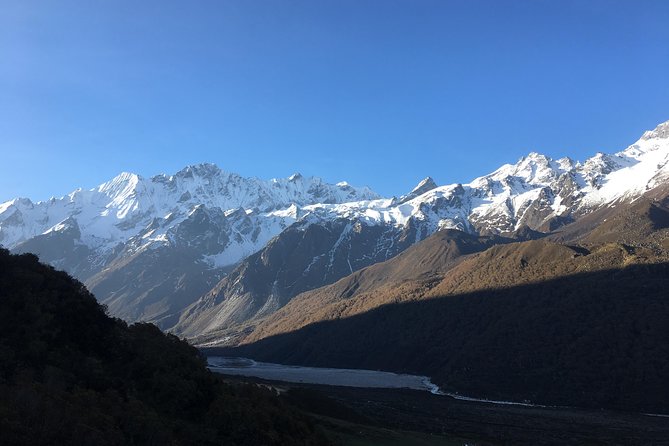
Day 7 is the one-day push. The climb from Kyanjin Gompa to Tsergo Ri is described as tough and about five hours. The route takes an east trail toward Langshisha Kharka, crosses a stream, and then branches left up a side valley with steep switchbacks.
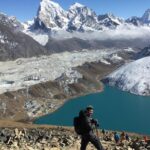
Along the way you pass stone huts of herders at Yala Kharka and climb toward prayer flags at the viewpoint. The whole point is the mountain panorama—wide, sharp, and built from altitude.
Here’s the practical takeaway: pace yourself on the switchbacks and don’t sprint the early part. On high hikes, your goal is steady breathing, not victory. If you’re moving too fast in the first hour, you’ll pay for it later with slow, heavy steps.
When you come back to Kyanjin Gompa, you’re not rewarded with another long day of trekking. You stay for the night, which helps you recover and enjoy the monastery area in daylight rather than only as a lunch stop.
The Return: Retracing Steps to Lama Hotel and Back to Syabrubesi
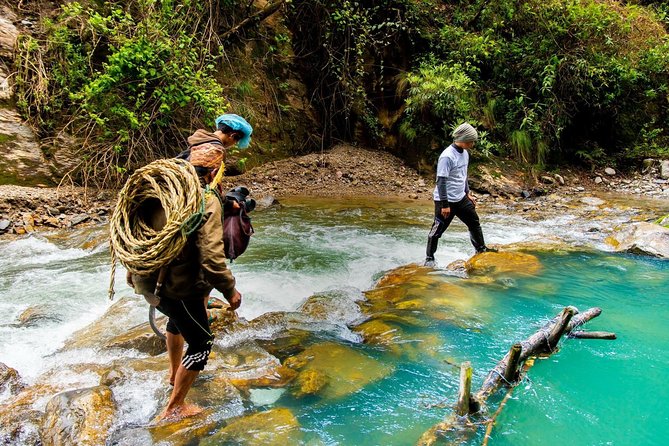
Day 8 is a backtrack day: trekking from Kyanjin Gompa back to Lama Hotel by retracing earlier steps. Day 9 continues back to Syabrubesi from Lama Hotel.
Backtracking has a reputation for being boring, but in Langtang it usually feels different. For one, you’ve already climbed mentally into Kyanjin Gompa—so returning means you can focus more on trail rhythm, streams, forests, and small villages you might have rushed past on the way up.
Also, downhill days are different. They can feel easier, but they can be rough on knees and ankles. You’ll want sturdy boots, good lacing, and a controlled descent. Trekking poles help. Take your time on bridges and uneven sections.
Day 10 in Kathmandu: Gifts, Photos, and a Real Finish
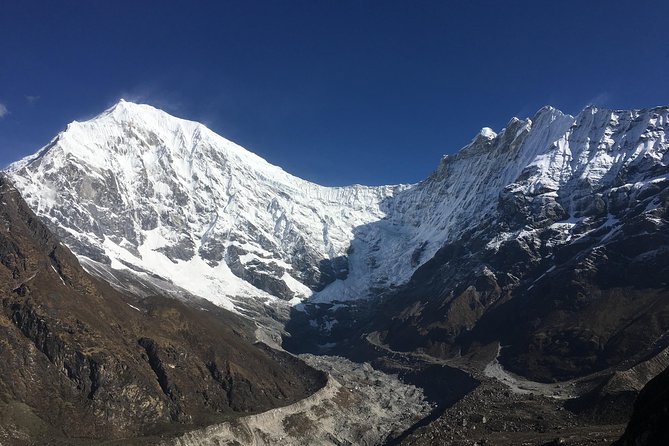
You drive back to Kathmandu on Day 10. It’s a leisure day you can use for shopping and souvenirs.
What I like about this kind of “buffer” day is that it gives you space to process the trek. You also get a farewell session where you review photos and share experiences. That’s not just a ceremony; it’s where you realize how much your group actually did together across varied weather and long days.
If you’re the kind of person who needs closure—this helps. If you’re the kind of person who hates group stuff—this is usually short and practical.
Price and Logistics: Is $1,249 Good Value?
At $1,249 per person, this trek isn’t a budget bargain. But it isn’t vague-expensive either. The cost includes several items that add up fast on multi-day Nepal treks:
- Airport pickup and drop by car/van/bus
- TIMS card (Trekkers Information Management System)
- Langtang National Park area entry permit
- English-speaking guide
- Three meals with three cups of tea/coffee per day
- Accommodation and covered staff costs like food/insurance/medicine
- Snacks (like Snickers) and an Oreo cookie included during the trek
- Duffel bag and a t-shirt, plus a trip certificate
- Transport legs: Kathmandu to Syabrubesi by bus, and Dhunche to Kathmandu by bus
- All government taxes
What’s not included is also clear: the Nepal entry visa fee, international airfare, travel medical insurance and evacuation, personal equipment, tips, and personal expenses like hot shower/water bottle/cold drinks.
So here’s how I’d judge the value if you’re budgeting: if you’d otherwise pay separately for permits, a guide, most meals, and transport, the included structure can make the total feel more fair. If you already have a guide lined up and you’re planning your own food and permits, you’d pay less on paper—but you’re also taking on coordination risk in high-country conditions.
Bottom line: for people who want less hassle and more support, this price looks like a sensible package.
Who This Trek Suits Best (and Who Should Rethink It)
This is best for you if:
- You have moderate physical fitness and can handle a high-altitude route to 3800m.
- You like a trek with both culture (monasteries, Kathmandu monuments) and serious walking days.
- You want guided structure, especially if you’re traveling alone.
You might want to rethink if:
- You’re nervous about altitude, steep climbs, or long hiking days without room to move at your own pace.
- You need guaranteed mountain views every time. This area is weather-dependent, and the trek requires good weather to operate as planned.
Optional Extensions: Add Kyanjin Ri or Tserko Ri If You Want More Altitude
The itinerary you’re reviewing reaches Kyanjin Gompa and includes Tsergo Ri. But the region also offers extensions to higher points like Kyanjin Ri (4783m) or Tserko Ri (4984m) for big views of the Langtang ranges.
If you’re strong and acclimatize well, this is the kind of add-on that can turn the trek from great into unforgettable. Just keep in mind those higher options are exactly that—higher. You’d want to plan with your guide and be honest about your energy and how your body responds.
Should You Book This Langtang Kyanjin Gompa Trek?
I’d book it if you want a trek that feels grounded: monastery culture, national park routing, and a real summit-style viewpoint day. The schedule includes acclimatization time at Kyanjin Gompa, and the Kathmandu portion helps you arrive with context, not just jet lag.
I’d hesitate if you’re hoping for an easy hike with guaranteed views. It’s a serious walking itinerary to high elevations, and you’ll earn every panorama.
If you’re a solo traveler, I also see a strong fit. The tour is private for your group only, and past experiences highlight quick responsiveness from guides like Nick (Gautam) and helpful support from guides such as Pemba. That combination—structure plus safety communication—can make a first multi-day Nepal hike feel far less intimidating.
FAQ
How high does the trek go?
Kyanjin Gompa is at about 3800m. There’s also an option to extend the trip to higher viewpoints like Kyanjin Ri (4783m) or Tserko Ri (4984m). The day hike to Tsergo Ri is part of the 11-day route.
What’s included in the trek meals?
The tour includes three meals with three cups of tea or coffee per day during the trek. It also lists specific counts of breakfast, lunch, and dinner.
Are airport transfers included?
Yes. You get airport pickup and drop by car/van/bus.
Do I need a Langtang National Park permit?
The Langtang National Park area entry permit is included in the tour price.
Is the TIMS card included?
Yes, the TIMS (Trekkers Information Management System) card is included.
How do you get from Kathmandu to Syabrubesi?
You travel from Kathmandu to Syabrubesi by bus.
What isn’t included in the price?
The Nepal entry visa fee, international airfare, travel medical insurance and emergency evacuation costs, personal equipment, and tips for the guide are not included.
What happens if weather is bad?
The experience requires good weather. If it’s canceled due to poor weather, you’ll be offered a different date or a full refund.