REVIEW · KATHMANDU
Upper Mustang Tiji Festival Trek 2024 – 18 Days
Book on Viator →Operated by Himalayan Excursion Nepal · Bookable on Viator
Lo Manthang feels like a time capsule. This trek takes you into Upper Mustang’s once-forbidden world, then tops it off with the Tiji Festival in late May—ritual dances in front of Choedhe monastery, tied to the story of Dorje Jono fighting to save the kingdom.
I like that the route is built for real travel flow: short flights, then days on foot through villages, passes, and monastery stops. You also get a set schedule that aims to place you in Lo-Manthang for all three festival days.
I especially like the mix of big mountain effort and small village details. You’ll move from Kagbeni into treeless, dry terrain, then climb up toward Taklam La and the windy Lo pass, before spending multiple days exploring Lo-Manthang’s monasteries and festival events. I also like that meals are handled during the trek (breakfast, lunch, and dinner), so you’re not constantly budgeting and hunting food while acclimating.
The main consideration is altitude and dusty conditions. You’ll be crossing high points like Taklam La (3,624 m) and the Lo pass (around 3,850 m), and the plan notes dusty wind around Ghiling, so you’ll want to be ready for dry air, strong sun, and occasional grit.
In This Review
- Key Highlights You’ll Care About
- Why Upper Mustang and the Tiji Festival Are a Rare Combo
- Getting From Kathmandu to the Trekline: Flights, Guides, and First Impressions
- Kathmandu Valley Sightseeing That Actually Sets You Up
- Kagbeni to Tsaile: The Trek Starts Like a Slow Reveal
- What to watch for
- Taklam La Pass and Ghiling: Where Views Earn Their Keep
- Dhakmar to Lo-Manthang: The Windy Lo Pass Moment
- Lo-Manthang Festival Days: Choedhe, Namgyal Gompa, and the Story Behind Tiji
- How to make this kind of festival day work
- The Return Route: Gyakar Ghar Gompa Rock Paintings and Dusty Wind Days
- Muktinath: A Pilgrimage Stop With a Hindu Lens
- Jomsom and the Kaligandaki River Walk: Flat(er) Finishing Energy
- Price and What $2,500 Really Buys You
- Who This Trek Suits (and Who Should Rethink It)
- Should You Book Upper Mustang Tiji Festival Trek 2024?
- FAQ
- What’s the duration of the Upper Mustang Tiji Festival Trek 2024?
- Where does the tour start and when?
- Does the tour include permits for Upper Mustang?
- What transportation is included?
- Are meals included during the trek?
- What costs are not included?
- When is the Tiji Festival held?
Key Highlights You’ll Care About
- Tiji Festival in Lo-Manthang: three days of monk ritual dances timed for the end-of-May celebration in front of Choedhe monastery
- Upper Mustang restricted-area permit included, which is a big part of what makes the region possible
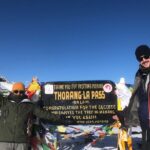
- High passes on the trek like Taklam La (3,624 m) and the Lo pass (~3,850 m)
- Temple and cave stops that feel lived-in, including Namgyal Gompa, Choedhe Gompa, and Chhosar Cave
- A return route with different trails, so your trek days don’t feel like endless repeats
- Muktinath + Kaligandaki River walk ending in Jomsom with views of Dhaulagiri and Nilgiri
Why Upper Mustang and the Tiji Festival Are a Rare Combo
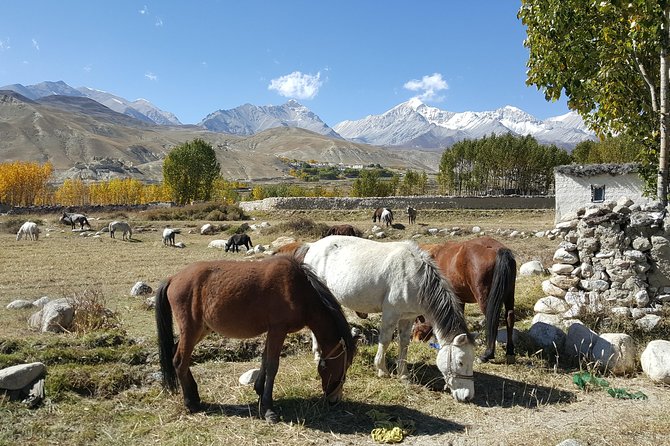
Upper Mustang is special because it’s not the same Nepal you’ll see from the typical tea-house trails. This trek focuses on the old walled culture of Lo-Manthang and the surrounding villages, where Tibetan-style Buddhism still shapes daily life.
Then comes Tiji: an annual three-day event held in late May in Lo-Manthang, centered on deity Dorje Jono’s battle with his demon father to save the kingdom from destruction. The festival includes monks performing ritual dances in front of Choedhe monastery, which gives you a rare chance to watch tradition staged in the place it belongs to.
This tour also makes the festival practical, not just “maybe you’ll catch it.” The plan is set up so you reach Lo-Manthang and then spend time there across the festival’s first, second, and third days, plus monastery visits around the performances.
You can also read our reviews of more tours and experiences in Kathmandu.
Getting From Kathmandu to the Trekline: Flights, Guides, and First Impressions
You start in Kathmandu, with pickup offered at Tribhuwan International Airport (meeting start time listed as 6:15 am). After you’re transferred to a pre-booked hotel, the schedule immediately gets you into rhythm with a full day of Kathmandu sightseeing.
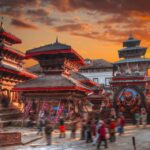
Kathmandu day one is classic focus work: Basantapur Durbar Square, Monkey Temple, Boudhanath Stupa, and Pashupatinath temple. This matters because you arrive from far away, then switch fast into a high-altitude trek mindset. A full city day also helps you sort out gear and energy before your flights and walking start.
Next, you fly to Pokhara via a short scenic flight, then spend time around Phewa Lake and Tal Barahi Temple. Even if you’ve seen lakes before, this stop is useful: it’s a calmer “reset” before the trek days and the jump to Jomsom-area terrain.
From Pokhara, the flights continue—short hops to Jomsom, then walking days begin. The plan includes tickets for Kathmandu–Pokhara–Kathmandu and Pokhara–Jomsom–Pokhara, plus the Pokhara–Jomsom leg is specifically noted as a scenic flight. You’re not stuck waiting all day for transfers, which is a real value on a route where weather can affect timing.
Kathmandu Valley Sightseeing That Actually Sets You Up
The Kathmandu Valley portion isn’t just sightseeing boxes. It’s a timing tool and a cultural warm-up. Basantapur Durbar Square gives you a sense of historic city layout; Monkey Temple and Pashupatinath help you understand how religion shows up in public space; Boudhanath Stupa anchors the Buddhist thread that later becomes central in Mustang.
One practical bonus: the sightseeing is done by private vehicle for the full day. That’s important when you’re traveling with a group and don’t want to spend half the day negotiating transit. Also, if you plan to enter extra sites or add museum stops on your own, note that the included material specifies temple and monastery entry fees in Kathmandu and Pokhara are not included.
Kagbeni to Tsaile: The Trek Starts Like a Slow Reveal
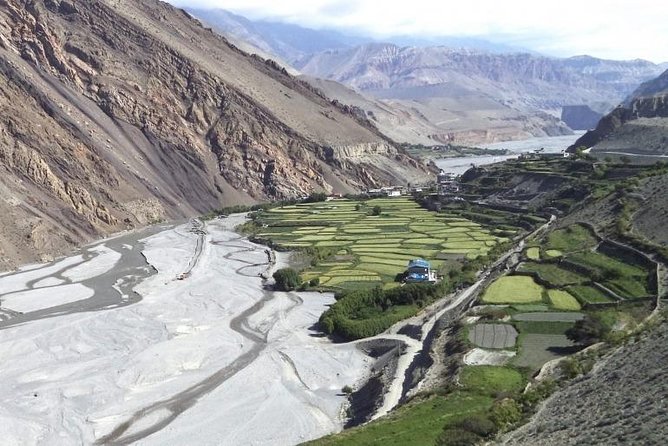
Once you land in the Jomsom area and reach Kagbeni, the trek begins with an easy-to-understand goal: move forward, absorb the village atmosphere, and start adjusting to the Mustang “dry” feel.
In Kagbeni, you’ll have time to explore the village and an ancient Buddhist monastery in the evening. Even on a first trekking day, this helps you shift from airport mode to trail mode. Kagbeni is also a gateway town, so the vibe tells you what the rest of Upper Mustang will feel like—stone, dust, and Buddhism in the architecture.
Then you hike toward Tsaile for about 5–6 hours, passing through Tangbe, Tetang, and Chhuksang villages. The route includes set lunch time at Chhuksang, so you’re not guessing your logistics mid-day. These villages are short stops, but they matter: you learn quickly that the trek isn’t only about views. It’s about moving through communities that still use the landscape as a livelihood.
What to watch for
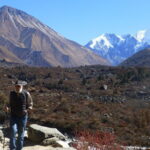
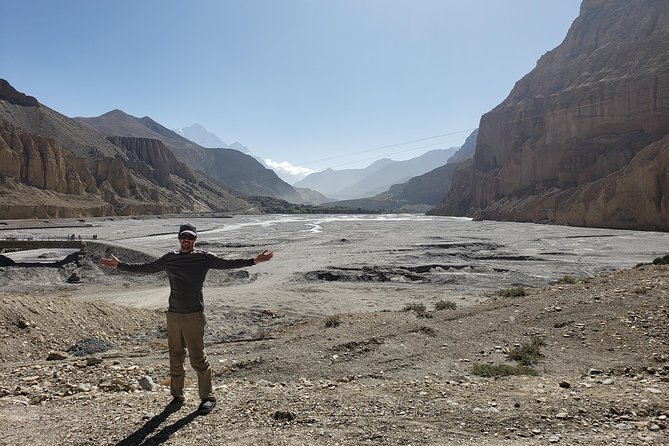
The plan describes Mustang terrain as steep, treeless, and dry in places. That combination can feel tougher than expected, even if you’re fit. You’ll want to drink consistently and protect skin and eyes early, because the sun can feel sharp on open ground.
Taklam La Pass and Ghiling: Where Views Earn Their Keep
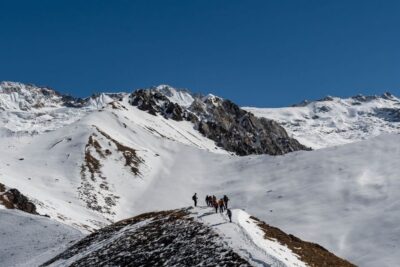
This is the day the trek starts leaning into altitude and effort. After starting near Samar village and passing through a treeless stretch, you climb toward the Taklam La Pass (3,624 m). The plan also notes a ridge at around 3,800 m, then a steep drop into Ghiling.
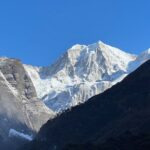
You’ll move through plateaus and narrow sections with views of Damodar Danda, Yakawa Kang, and Tilicho Peak. That’s the kind of detail you want, because it tells you the day includes more than one “wow moment.” It’s not just a single summit view; it’s a series of sightlines as you climb.
Ghiling itself is a payoff. The description highlights a whitewashed building cluster, which is exactly the kind of visual cue that makes Upper Mustang feel distinct from many other trekking regions. You’re also arriving after a steep descent, so expect that evening to be about resting and getting your legs back.
Dhakmar to Lo-Manthang: The Windy Lo Pass Moment
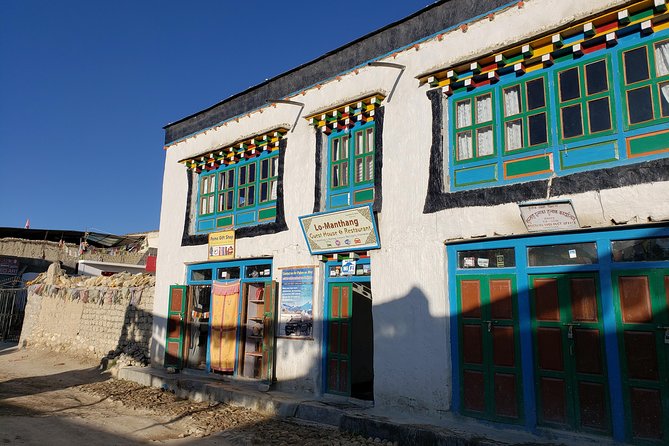
Next you head toward Dhakmar, with time to explore ancient Buddhist monasteries along the way. This is the trek day that feels more “human” than “summit chasing,” because monastery stops break up the walking and give you something meaningful to focus on besides altitude.
Then comes the big step into Lo-Manthang. After breakfast, you trek to your final destination, passing through villages and ascending gently toward the 3,850 m windy pass of Lo. The plan is explicit that from this pass you’ll get stunning views of the walled city of Lo-Manthang.
That walled-city first look is one of the reasons this trek is worth the work. It turns the “we’re in the high mountains” story into a “we’re entering a distinct world” story. Once you reach Lo-Manthang, the pace shifts from hiking effort to cultural immersion.
Lo-Manthang Festival Days: Choedhe, Namgyal Gompa, and the Story Behind Tiji
This is the heart of the trip: multiple days in Lo-Manthang timed around the three days of Tiji. The tour includes ritual dance performances by monks on the first festival day, plus additional festival time the next two days.
On day one in Lo-Manthang, after breakfast and lunch, you’ll attend the monks’ ritual dance performance. The setting matters: Tiji is celebrated in front of Choedhe monastery, so you’re not watching from a distance with no context. You’re watching in the place the tradition is anchored.
The following day focuses on monastery visits: Namgyal Gompa and Choedhe Gompa, then Tingkhar. After lunch, you return for day two of the festival. Even the evening time is built for learning: you’re given a chance to visit local people and understand unique culture and tradition.
On the third festival day, you’ll combine a trek to Chhosar Cave (described as having 44 living rooms) with visits to old Buddhist monasteries. Then you return to Lo-Manthang to enjoy the final day of Tiji. This pairing matters. It keeps the day from feeling like only ceremony. You’re getting religion, geography, and daily-life spaces all in one stretch.
How to make this kind of festival day work
Festival days have their own rhythm. You’ll likely spend time waiting, then watching carefully, then walking in the same day. The tour structure helps with timing by mixing visits before or after festival performances. You’ll enjoy it more if you treat the day like a schedule, not an open-ended roam.
The Return Route: Gyakar Ghar Gompa Rock Paintings and Dusty Wind Days
After the festival, the trek doesn’t turn into a straight downhill exit. You’ll trek back toward Dhakmar, and then route through Ghiling and onward to Chhuksang.
One day includes trekking Dhakmar via Gyakar village, where there’s a Ghar Gompa described as more than 1200 years old and famous for rock paintings. There’s also a belief tied to wishing at the gompa—whether you believe or not, the point is that these stops aren’t random tourist photos. They’re part of a lived belief system that shaped where people built their spiritual sites.
On another return day, you trek back to Ghiling via a different trail. The plan warns that daytime includes dusty wind, and suggests exploring villages and hiking in the morning and evening. That’s practical advice you can use even beyond this trip. If the air feels gritty, don’t force your schedule midday. Adjust.
Chhuksang is another standout because you’ll visit a salt mine during the journey. Salt is one of those essential trading commodities that shaped mountain life across centuries. Even if you’ve read about it, seeing it referenced directly in your route helps you connect geography to economics.
Muktinath: A Pilgrimage Stop With a Hindu Lens
Then you shift to Muktinath Temple, a holy site for Hindus where daily pilgrimage includes Nepali and Indian devotees. The day from Chhuksang to Muktinath is described as a trek to this temple, followed by stunning views of the Himalaya from the Muktinath area.
This is a nice contrast to the earlier Buddhist focus. The trek doesn’t replace one religion with another; instead, it shows how different faiths share the same mountain space and travel routes. If you care about cultures layered over the same terrain, this day delivers.
Jomsom and the Kaligandaki River Walk: Flat(er) Finishing Energy
On the final trekking day, you walk through the bank of the Kaligandaki River. The plan notes the trail is mostly flat down, which makes the walking feel more manageable late in the trip. You’ll hike for about 5–6 hours and enjoy mountain views, including Dhaulagiri and Nilgiri.
Reaching Jomsom ends the trek with a realistic finish line. You then have flights back toward Pokhara and Kathmandu, and the evening in Kathmandu includes a farewell dinner with Nepali cultural dance program.
That matters because it gives closure: you can eat, rest, and let your body decompress after the passes and long walking days.
Price and What $2,500 Really Buys You
At $2,500 per person for an 18-day trip, you’re paying for more than “guided walking.” A huge component is access. Upper Mustang requires a restricted-area permit, and this tour includes the upper Mustang restricted area permit fee.
You’re also getting a lot of transport handled: flight tickets for Kathmandu–Pokhara–Kathmandu and Pokhara–Jomsom–Pokhara plus the short scenic flights. On a route where flights can be weather-sensitive, bundling transportation is a major part of reducing stress.
Food and logistics are another value piece: breakfast, lunch, and dinner during the entire trek are included. You’ll also have salary, food, accommodation, and insurance for the guide. In practical terms, that means you don’t have to track daily meal costs in the trekking region, and you’re paying for professional support rather than improvising.
What’s not included is also clear. In Kathmandu and Pokhara, lunch and dinner are not included, and temple and monastery entry fees during sightseeing are not included. You’ll also handle personal expenses like phone calls, laundry, battery recharge, bottled or boiled water, and shower costs.
So the best way to judge value is this: you’re paying for restricted-area access, flights, and full trek meals. If those are exactly what you want, the price looks more reasonable than it first appears.
Who This Trek Suits (and Who Should Rethink It)
This is best for you if you:
- want real access to Lo-Manthang and the Tiji Festival in one organized plan
- can handle moderate physical demands, including multi-hour hikes and high passes like Taklam La and the Lo pass
- prefer a private tour format, since the plan specifies only your group participates
It might be a mismatch if you:
- dislike high-altitude walking or want an easy “mostly flat” trek
- are bothered by dry, dusty conditions (the plan mentions dusty wind around Ghiling)
- need totally flexible timing, because festival scheduling and flight windows shape the day structure
Should You Book Upper Mustang Tiji Festival Trek 2024?
If your target is Lo-Manthang and you specifically want Tiji timed with monk ritual dances, this is the kind of plan that makes sense. It stacks festival access, restricted-area permitting, and trekking support into one package, which is exactly what you want for a once-a-lifetime region.
I’d book if you’re excited by the mix of culture and hiking: monasteries, cave stops like Chhosar, and pilgrimage context at Muktinath. I’d think twice if you’re not comfortable with high points around the 3,600–3,850 m range or if dusty conditions would make you feel miserable.
FAQ
What’s the duration of the Upper Mustang Tiji Festival Trek 2024?
The trek is listed as 18 days (approx.).
Where does the tour start and when?
It starts at Tribhuvan International Airport (Ring Rd, काठमाडौँ 44600, Nepal) with a start time of 6:15 am.
Does the tour include permits for Upper Mustang?
Yes. The Upper Mustang restricted area permit fee is included.
What transportation is included?
Flights included are Kathmandu–Pokhara–Kathmandu and Pokhara–Jomsom–Pokhara. There are also scenic flights mentioned from Pokhara to Jomsom and from Jomsom toward the trekking area.
Are meals included during the trek?
Yes. Breakfast, lunch, and dinner are included during the trek.
What costs are not included?
Lunch and dinner in Kathmandu and Pokhara are not included, along with temple and monasteries entry fees during sightseeing in Kathmandu & Pokhara. Personal expenses in Kathmandu & Pokhara are also not included.
When is the Tiji Festival held?
The festival is described as an annual three-day celebration in Lo Manthang, and it falls at the end of May. A note in the provided information gives an example of 19 May 2020 to 21 May 2020, and asks guests to plan accordingly.