REVIEW · HANOI
Sa Pa Trekking 2 Days 3 Nights Homestay by Night Train
Book on Viator →Operated by Vega Travel · Bookable on Viator
Night-train trekking in Sapa is the plot twist. This Sa Pa trek by night train mixes a late Hanoi departure with guided walking through minority villages, plus a homestay night that feels personal. I especially like the chance to see daybreak village life and the way the trip is paced around trekking time with the guide Tu. The main consideration: you need solid fitness, because you’ll be hiking for hours on uneven mountain paths with early starts.
I also like how the logistics are handled with minimal fuss. You transfer to Hanoi station in the evening, and once you reach Lao Cai you head toward Sapa with an air-conditioned vehicle, plus time to shower and store luggage at Vega Travel’s office before the walking ramps up.
The trip costs $165, which might look “small” until you add up what’s included. You’re paying for a guide, meals, transport, and the night-train piece—not just a hike.
In This Review
- Key highlights you should clock before you book
- Sleep on the train, wake up in Lao Cai
- Hanoi station to Sapa: your first reset and why it helps
- Giang Ta Chai trek: four hamlets and two minority communities
- Sapa homestay night: village routine starts early
- Second trek on Day 3: 3–4 hours with morning energy
- Meals and included value: what you’re paying for
- Guide and group size: why max 8 changes everything
- Price check: is $165 a good deal for Sapa?
- When to go: weather matters, and rice fields aren’t guaranteed
- Should you book this Vega Travel night-train Sapa trek?
- FAQ
- What is the duration of this Sapa trekking experience?
- What time does the tour start?
- Is pickup included?
- How many people are in the group?
- What meals are included?
- Do I need a strong fitness level?
- What is the main trekking portion like on Day 2?
- What happens if weather is poor?
Key highlights you should clock before you book
- Night-train to Lao Cai means you arrive around 06:00 and waste less daytime on transit.
- Giang Ta Chai trekking includes 5–6 hours, moving through four hamlets and visiting two different minority communities.
- Homestay access to real routines: mornings can start with households already up and about.
- Small group size (max 8) keeps the trail calmer and makes it easier for the guide to tailor the pace.
- Vega Travel’s team shows up with named people like guide Tú and Tang Thi mentioned in feedback for professional, on-time service.
Sleep on the train, wake up in Lao Cai
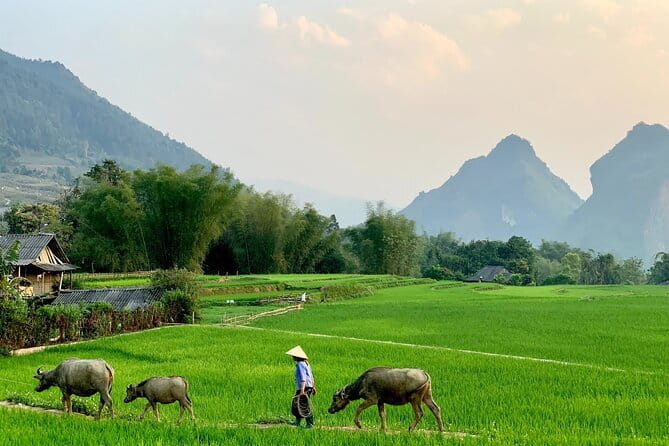
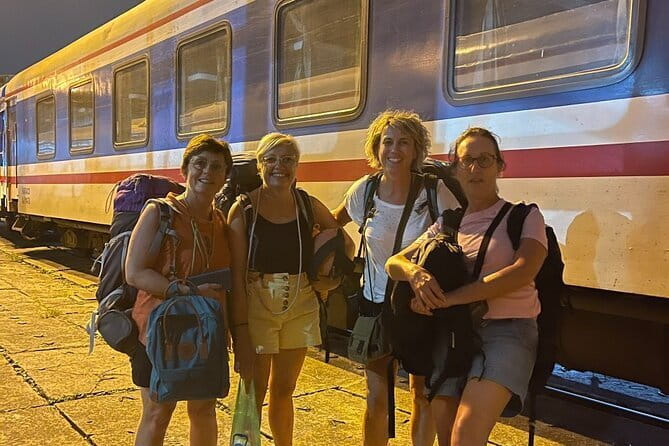
This itinerary is built around the night train, and that’s the smartest part if you hate losing a full day to travel. You’re picked up from central Hanoi for the transfer to Hanoi train station in the evening, then you check in and board for the overnight ride. The train is timed so you reach Lao Cai at about 06:00 the next morning.
Why that matters for you: you start trekking while you still have fresh energy and daylight. You also get a real taste of northern Vietnam’s travel rhythm—sleeping on the move, then switching gears fast to village life.
One practical point: sleep on trains can be hit or miss, so I’d pack for comfort (earplugs, layer for cool AC air in vehicles later). This isn’t a “lazy day” tour; it’s a momentum tour.
You can also read our reviews of more tours and experiences in Hanoi.
Hanoi station to Sapa: your first reset and why it helps

Before the night train, there’s a Vega Travel office stop where you can store luggage and even shower while you wait. After you arrive in Lao Cai, you’re picked up for the ride to Sapa town, and again you get that reset: shower, luggage storage, and time to organize yourself before the trek day begins.
That small buffer is more valuable than it sounds. On mountain treks, the difference between sweaty-stress and comfortable-ready shows up in your legs. A quick shower also helps if you’re pairing this with homestay lodging later.
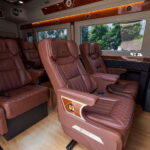
Also note the ride is in an air-conditioned vehicle. That’s not a luxury detail—it’s a comfort lever on a day that starts early and moves fast.
Giang Ta Chai trek: four hamlets and two minority communities
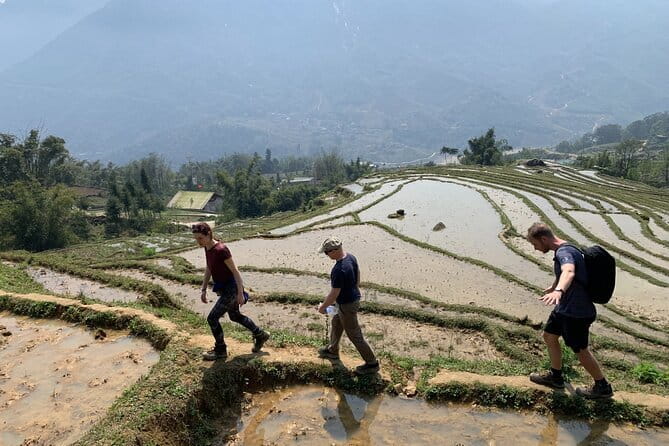
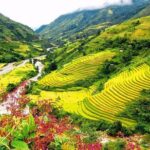
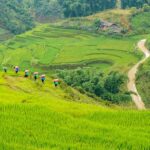
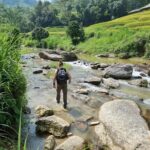
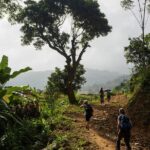
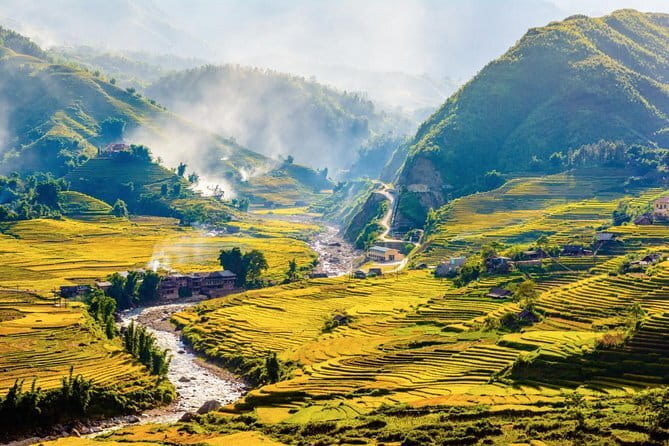
Day 2’s star is the Giang Ta Chai Village trekking. Expect 5–6 hours of hiking through four hamlets. The route is designed to be more than a straight line from point A to point B: you’ll visit two different minority communities as you go.
Here’s what that gives you:
- More cultural texture than a single-village stop.
- A walking route that changes constantly, so you’re not just staring at the same view for hours.
- Conversations and observations built around how people actually live across hamlets, not staged performances.
This is also where your fitness requirement becomes real. Strong walking shoes matter. The paths can be uneven and slippery in places, and 5–6 hours adds up even if you take breaks.
If you’re the type who wants a smooth, paved stroll, this will feel like work. If you’re the type who likes earning the views, you’ll probably love it.
Sapa homestay night: village routine starts early
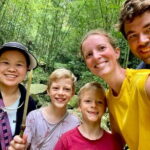
After the first long day, the homestay is the emotional payoff. The experience is set up so you stay with a family from the Hmong community. In practice, that means you’re not just doing a quick cultural visit; you’re sharing time where everyday life continues around you.
One of the most memorable details from feedback is how the next morning works. Early in the morning, you’re likely woken by households already up and moving—then you get to see how daily life begins.
That can be wonderful if you’re curious and patient. It can also be a surprise if you prefer quiet mornings. I’d treat this as part of the charm: you’re trading hotel routines for living routines.
If you’re sensitive to roosters, early light, or basic homestay accommodations, bring the right mindset more than the right expectations. The reward is the closeness to daily rhythm.
Second trek on Day 3: 3–4 hours with morning energy

Day 3 continues with another trek session—about 3–4 hours. The pace is shorter than Day 2, but it still keeps you on the trail, with early morning life as the background noise and the village as your stage.
You’ll get surprises along the way, and you may find your guide stopping for quick pauses that help you enjoy the moment without losing the flow—especially for photos or short breaks where views feel worth it.
The guide matters here. In feedback, Tu is repeatedly praised for being friendly and for taking paths that help you get away from heavier tourist traffic. For you, that translates into a better trek feel: less crowding, more breathing room, and more time to actually talk and look.
Meals and included value: what you’re paying for
Your package includes dinner, plus 2 breakfasts and 2 lunches. You also get transportation by air-conditioned vehicle, and you’re covered for admissions/tickets related to the itinerary segments (the trip lists admission ticket inclusion across the day blocks).
For $165 per person, the value comes from bundling:
- Night-train transit (a big cost and hassle to arrange alone),
- A guided trek of multiple hours,
- Homestay lodging (since this is a homestay-focused experience),
- Meals throughout the active days.
What’s not included is simple: alcoholic drinks and soda/pop. If you’re someone who packs snacks for hikes, bring a little extra. You’ll likely be busy enough that having your own backup snack is comforting.
Guide and group size: why max 8 changes everything
This tour caps at 8 travelers. For a trek, that small number is a big deal. It helps the guide manage timing, keep the group moving safely, and actually answer questions instead of rushing through them.
The other thing that shows up in feedback is professionalism and timing. People highlight that things run on schedule and that the guide team—named as Tu and also Tang Thi in separate notes—keeps a personal approach rather than a factory-feel.
If you like tours where someone adjusts to your needs, this setup fits. When you’re hiking, you don’t need a lecture—you need someone who can read the group and help you keep it enjoyable.
Price check: is $165 a good deal for Sapa?
In Vietnam, $165 can be a fair price if you’re getting more than just a guided hike. Here, you’re buying:
- Night-train travel between Hanoi and Lao Cai,
- Guided trekking across two days,
- A homestay night,
- Meals (dinner + breakfasts + lunches),
- Vehicle transfers and key logistics.
If you tried to replicate this yourself, you’d likely spend time coordinating train tickets, local transport, a guide, and homestay arrangements. That time costs money in its own right, and the hassle is real.
Still, be honest about expectations: this is a trek-with-transfers format, not a slow, do-nothing mountain retreat. If you’re expecting the entire trip to feel like nonstop walking with minimal travel stress, you may find the rhythm more intense than you planned.
When to go: weather matters, and rice fields aren’t guaranteed
This experience requires good weather. That’s not a small detail. Trekking routes in Sapa can become harder if conditions are poor, and the operator is clear that they may adjust plans if weather blocks the experience.
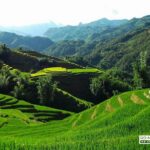
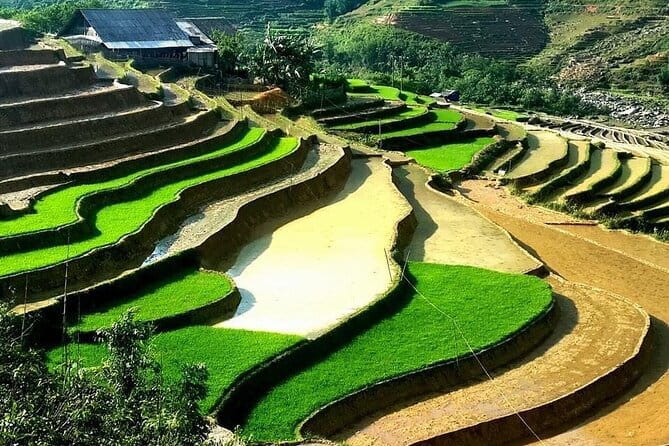
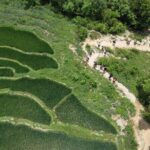
Also, don’t assume rice fields will look their best year-round. One piece of feedback notes that March may not be the strongest time for rice visibility. You can still have a great trek and village experience, but your photos might reflect the season rather than a perfect rice-field postcard.
My advice: look at the overall “people + walking + homestay” value, not only scenery perfection.
Should you book this Vega Travel night-train Sapa trek?
Book it if you want a practical way to experience Sapa that blends real trekking with homestay life. The night train timing, the small group size, the included meals, and the consistent guide praise for Tu make it a strong package for active travelers who like cultural contact without the heavy-tour-bus feel.
Skip it if you’re not up for hikes that total many hours across two days, or if you need calm, controlled routines (homestay mornings can start early). Also, if you compare this to a trip style where travel is simple and the experience is mostly in one location, this one has a more “move and do” structure.
If you’re somewhere in the middle—curious, fit enough, and happy to trade hotel comfort for village connection—this is the kind of trip you’ll remember.
FAQ
What is the duration of this Sapa trekking experience?
The experience runs for about 3 days, using a night train and including an overnight homestay as part of the overall package.
What time does the tour start?
The meeting point information lists a 7:00 am start time, but the itinerary also includes an evening transfer to Hanoi train station for the night train, so your exact schedule should come in your booking confirmation.
Is pickup included?
Yes. Pickup is offered.
How many people are in the group?
This tour/activity has a maximum of 8 travelers.
What meals are included?
Dinner is included, along with 2 breakfasts and 2 lunches.
Do I need a strong fitness level?
Yes. Travelers should have a strong physical fitness level for the trekking hours included in the itinerary.
What is the main trekking portion like on Day 2?
Day 2 includes 5–6 hours of trekking through four hamlets, with visits to two different minority communities.
What happens if weather is poor?
This experience requires good weather. If it’s canceled due to poor weather, you’ll be offered a different date or a full refund.